Dealing with a vehicle recall is never fun, but when it involves your truck’s entire engine, it’s downright stressful. If you own a Toyota Tundra, you might’ve heard whispers about engine problems or received a recall notice. Either way, you need clear information about what’s happening, why it’s happening, and what you should do next.
The Toyota Tundra Engine Recall Explained
Toyota issued what’s being called its most expensive recall ever in May 2024, affecting nearly 100,000 Tundra pickups from 2022-2023 model years. The problem? Manufacturing debris left inside the engine during production that can cause catastrophic engine failure.
This isn’t a simple fix – Toyota is replacing entire engines in affected vehicles. The recall specifically targets trucks equipped with the V35A-FTS 3.4-liter twin-turbo V6 engine made between November 2021 and February 2023. About 3,500 Lexus LX600 SUVs with the same engine are also included.
According to official NHTSA documentation, the recall is being implemented in four phases:
- Phase 1: Trucks built November 2021 – February 2022 (remedies available now)
- Phase 2: Trucks built February 2022 – June 2022 (remedies available January 2025)
- Phase 3: Trucks built June 2022 – September 2022 (remedies available March 2025)
- Phase 4: Trucks built September 2022 – February 2023 (remedies available May 2025)
What Caused the Engine Problems?
The root issue sounds deceptively simple but has serious consequences. During manufacturing, metal shavings and other debris weren’t properly cleared from internal engine passages. This debris then circulates throughout the engine, causing damage to critical components – particularly the crankshaft main bearings.
NHTSA reports show that this contamination leads to several alarming symptoms:
- Engine knocking or unusual noises
- Rough engine operation
- Sudden stalling
- Complete engine failure, even at highway speeds
- Loss of power while driving
The risk isn’t just to your truck – engine failure at highway speeds creates a significant safety hazard for you and others on the road.
Is Your Tundra Affected?
Not all Toyota Tundras are included in this recall. Here’s how to know if yours might be affected:
- Your truck is a 2022 or 2023 model year
- It has the non-hybrid V35A-FTS 3.4-liter twin-turbo V6 engine
- It was manufactured between November 2021 and February 2023
Interestingly, Toyota Tundra Hybrid models aren’t included in the recall, despite using virtually identical engines. Toyota’s explanation is that hybrids retain some motive power through their electric motor if the gas engine fails. This exclusion has sparked controversy among owners, especially since reports indicate that hybrid engines contain the same manufacturing debris.
Also excluded are 2024 and 2025 Tundras. Toyota claims manufacturing improvements implemented in late 2022 resolved the debris issue in newer models.
Toyota’s Solution: Complete Engine Replacement
Rather than attempting partial repairs, Toyota determined that the only viable solution is to replace entire engine assemblies free of charge. This decision came after analysis showed the debris contamination was too widespread for targeted fixes.
The replacement process includes:
- Complete V35A engine assembly
- All gaskets and sealing components
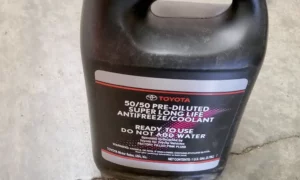
- Fresh engine coolant and oil
- Specialized service tools and technician training
According to industry reports, each engine replacement requires approximately 13.6 hours of labor and costs Toyota an estimated $300-500 million total for all affected vehicles.
Other Tundra Recalls You Should Know About
The engine issue isn’t the only recall affecting recent Tundra models. In May 2025, Toyota issued another major recall for approximately 443,000 Tundra and Tundra Hybrid trucks from model years 2022-2025. This separate recall addresses moisture intrusion into reverse light assemblies that can cause the lights to fail.
The official Toyota press release explains that faulty adhesive on multi-layer vent patches allows moisture to enter the light housing, causing circuit board corrosion and complete reverse light failure. This creates safety risks when backing up in low-light conditions.
Toyota’s remedy includes replacing both reverse lamp assemblies with improved designs and repairing any corroded wiring harnesses.
Warning Signs Your Tundra Engine Might Be Failing
If you own a 2022-2023 Tundra, be alert for these potential warning signs of engine problems:
- Unusual noises: Knocking, ticking, or grinding sounds, especially during acceleration
- Performance issues: Rough idling, hesitation during acceleration, or unexpected stalling
- Warning lights: Check engine light illumination or other dashboard warnings
- Excessive oil consumption: Needing to add oil between regular service intervals
- Visible smoke: Blue or white smoke from the exhaust
If you notice any of these symptoms, don’t wait for your scheduled recall repair – contact your Toyota dealer immediately.
What Affected Tundra Owners Should Do
If you own a 2022-2023 Toyota Tundra with the V35A-FTS engine, here’s what you should do:
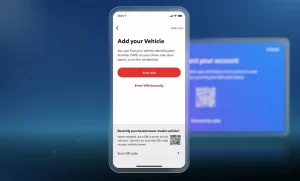
- Verify if your truck is affected: Check your VIN at toyota.com/recall or nhtsa.gov/recalls
- Contact your Toyota dealer: Schedule an appointment for engine replacement based on your vehicle’s phase in the recall timeline
- Document any engine issues: Keep detailed records of any symptoms or problems you experience, including dates and descriptions
- Prepare for a multi-day repair: The engine replacement typically takes 1-2 days, and you should ask about loaner vehicle availability
- Keep all service records: Maintain documentation of all work performed on your vehicle
What About Tundra Hybrids and 2024-2025 Models?
If you own a Tundra Hybrid or a 2024-2025 model that’s not included in the official recall, you might feel left in limbo. While Toyota maintains these vehicles don’t need engine replacements, owner forums show some are experiencing similar problems.
For these owners, consider:
- Monitoring for symptoms: Stay alert for any signs of engine issues
- Documenting problems: Keep detailed records of any symptoms or issues
- Regular dealer communication: Report any concerns to your Toyota dealer
- Extended warranty: Consider purchasing additional coverage if available
- Following updates: Monitor recall news for potential expansions to include your model
Impact on Tundra Resale Values
The extensive engine recall has affected Tundra resale values and dealer operations. Some dealerships have reportedly refused Tundra trade-ins due to uncertainty about recall completion and potential future problems.
If you’re considering selling or trading your Tundra:
- Complete any open recalls first
- Provide documentation of the engine replacement
- Consider independent appraisals to establish fair value
- Be prepared to answer questions about the recall from potential buyers
How the Recall Process Works
If your Tundra is affected, here’s what typically happens during the engine replacement process:
- Initial notification: You’ll receive an official recall letter from Toyota
- Dealer scheduling: Contact your Toyota dealer to schedule the repair
- Inspection: Technicians will verify your vehicle’s eligibility
- Parts ordering: The dealer orders your replacement engine
- Repair scheduling: Once parts arrive, you’ll schedule the actual repair
- Engine replacement: The multi-day repair process begins
- Quality checks: Final testing ensures proper operation
- Documentation: You receive paperwork confirming the recall repair
According to owners who’ve completed the process, the entire experience typically takes 2-3 days once parts are available.
Maintaining Your Replacement Engine
After receiving your new engine under the recall, proper maintenance is crucial:
- Follow the break-in period guidelines: Your dealer should provide specific instructions
- Stick to recommended oil change intervals: Don’t extend beyond Toyota’s recommendations
- Use the correct oil type: The V35A-FTS engine has specific oil requirements
- Keep all service records: Maintain documentation of all maintenance
- Address any new symptoms immediately: Don’t ignore unusual noises or performance changes
Toyota’s Reputation Impact
This recall represents a significant challenge to Toyota’s reputation for reliability. While the company has committed substantial resources to address the issues, questions remain about:
- Whether manufacturing improvements fully resolved the debris contamination
- Potential long-term effects on owners who received replacement engines
- The adequacy of excluding hybrids and newer models from the recall
- Toyota’s ability to prevent similar quality control failures in future trucks
Comprehensive Recall Table: What’s Affected
| Recall Issue | Affected Models | Manufacturing Dates | Recall Number | Remedy Available |
|---|---|---|---|---|
| Engine Replacement (Phase 1) | 2022-2023 Tundra | Nov 2021 – Feb 2022 | NHTSA 24V-381 | Now |
| Engine Replacement (Phase 2) | 2022-2023 Tundra | Feb 2022 – Jun 2022 | NHTSA 24V-381 | Jan 2025 |
| Engine Replacement (Phase 3) | 2022-2023 Tundra | Jun 2022 – Sep 2022 | NHTSA 24V-381 | Mar 2025 |
| Engine Replacement (Phase 4) | 2022-2023 Tundra | Sep 2022 – Feb 2023 | NHTSA 24V-381 | May 2025 |
| Reverse Light Failure | 2022-2025 Tundra (All) | All production dates | NHTSA 25V-058 | Now |
Troubleshooting Engine Issues While Waiting for Recall
If you’re in a later phase of the recall and need to continue driving your Tundra while waiting for engine replacement, here are some practical tips:
- Listen for warning signs: Be alert for unusual noises, especially knocking sounds
- Monitor oil levels: Check your oil regularly and top off as needed
- Avoid high-stress driving: When possible, minimize towing, heavy loads, and high-speed driving
- Keep emergency contacts handy: Program roadside assistance numbers into your phone
- Consider alternative transportation: For critical trips, consider renting or borrowing another vehicle
Remember, while this recall situation is frustrating, Toyota’s commitment to replacing entire engines rather than attempting partial repairs does show they’re taking the issue seriously. Stay informed, document everything, and don’t hesitate to advocate for yourself if you experience problems with your Tundra.