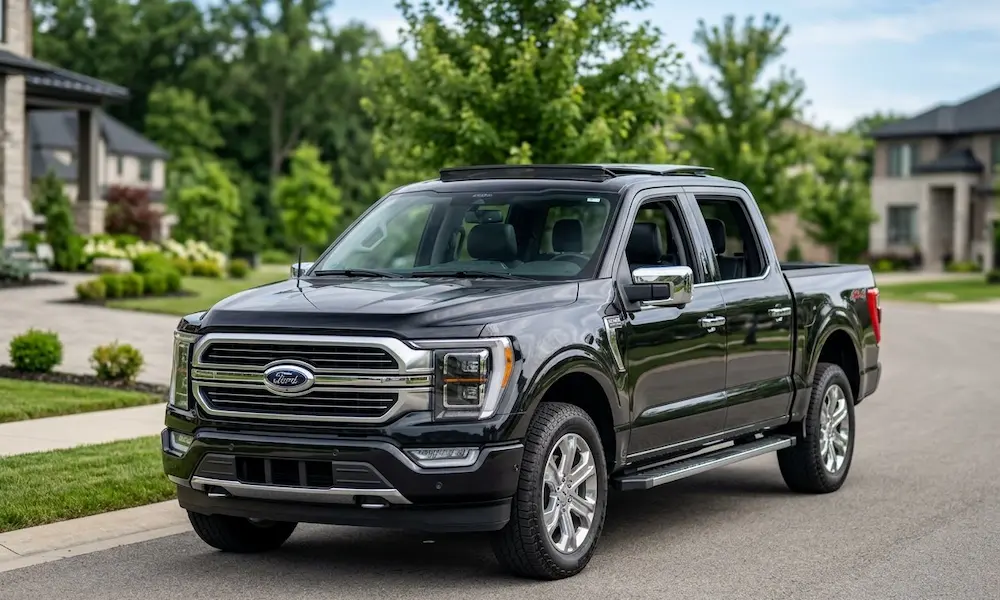
If you’ve experienced mysterious ticking noises, unexpected power loss, or frustrating check engine lights in your Ford with the 3.5 EcoBoost engine, you’re facing issues that thousands of other owners have encountered. With three generations of this powerful V6 on the road, knowing which problems affect your specific model year can save you thousands in repair costs and prevent major headaches down the road.
Understanding the 3.5 EcoBoost Engine Timeline
Ford’s 3.5 EcoBoost engine has evolved significantly since its introduction, with each generation addressing previous issues while sometimes introducing new ones:
- First Generation (2011-2016): The pioneer version found in early F-150s, Expeditions, and other Ford vehicles. Most notorious for carbon buildup and timing chain problems.
- Second Generation (2017-2020): Introduced dual port/direct injection to reduce carbon issues but became infamous for cam phaser problems.
- Third Generation (2021+): Ford’s most refined version addressing many previous generation problems.
Knowing which generation powers your vehicle helps identify potential problems before they become expensive repairs.
Carbon Buildup: The First-Gen EcoBoost’s Biggest Weakness
First-generation 3.5 EcoBoost engines suffer from significant carbon accumulation on intake valves—a direct result of their direct-injection-only fuel system.
Why It Happens
Unlike traditional port injection where fuel washes over intake valves, direct injection sprays fuel directly into combustion chambers. This efficiency-boosting design unfortunately allows carbon deposits to accumulate unchecked on intake valves.
Warning Signs You’re Experiencing Carbon Buildup
- Reduced engine power
- Decreased fuel efficiency
- Rough idling
- Misfires during acceleration
- Check engine light illumination
These symptoms typically appear around 80,000-100,000 miles on affected vehicles.
Solutions and Costs
The most effective treatment is walnut blasting, a specialized cleaning process using crushed walnut shells to remove carbon deposits. Professional service costs range from $400-600.
Many owners install oil catch cans ($150-300) as a preventive measure to capture oil vapors before they reach the intake system.
Ford addressed this issue in second-generation engines by adding supplemental port fuel injection, significantly reducing carbon accumulation problems.
Timing Chain Problems: When Ticking Leads to Expensive Repairs
Timing chain stretch represents one of the most serious and expensive 3.5 EcoBoost problems, particularly affecting first-generation engines.
Why Timing Chains Fail
The original single-chain system wasn’t designed to handle the significant stress in turbocharged applications, leading to accelerated wear and eventual stretching. When the chain stretches, engine timing becomes progressively more inaccurate.
Warning Signs of Timing Chain Issues
- Rattling or ticking noises during engine startup
- Check engine light activation
- Engine misfires at higher RPMs
- Noticeable power loss
- Diagnostic trouble codes like P0016
Repair Costs and Prevention
Timing chain replacement is a major expense, typically costing $2,000-5,500 depending on damage extent. Dealership quotes can reach $5,500, while independent shops may charge $2,950-3,600.
Strict adherence to oil change intervals using high-quality synthetic oil helps prevent premature timing chain wear. Poor oil quality or extended change intervals significantly accelerate timing chain degradation.
Second-generation engines feature an improved dual timing chain system with shorter, stronger chains and thicker side plates, dramatically improving durability.
Cam Phaser Problems: The Second-Gen’s Achilles Heel
Variable Cam Timing (VCT) cam phasers in second-generation 3.5 EcoBoost engines (2017-2020) develop a characteristic rattling noise during cold starts.
What Causes Cam Phaser Issues
The problem stems from insufficient oil pressure during cold starts, preventing cam phasers from properly engaging until the engine warms up. This creates the distinctive rattling noise that’s become the calling card of affected engines.
Identifying Cam Phaser Problems
- Distinct rattling noise during cold engine startup
- Noise continues until oil pressure builds up
- Check engine light illumination
- Reduced fuel efficiency
- Rough idling
Ford’s Response and Repair Costs
Ford issued Customer Satisfaction Program 21N03, providing prorated repair coverage for affected vehicles through January 1, 2023. The program covered PCM reprogramming and cam phaser replacement based on vehicle mileage.
Complete cam phaser replacement typically costs $2,500-4,000, involving replacement of all four VCT units and PCM reprogramming. Some owners report costs as high as $16,000 when cam phaser failure leads to catastrophic engine damage.
Third-generation engines feature redesigned cam phasers (ML3Z series) that eliminate the noise issues plaguing second-generation models.
Intercooler Condensation: When Humidity Causes Misfires
Intercooler condensation affects primarily first-generation 3.5 EcoBoost engines, where moisture accumulates within the intercooler during high-humidity conditions.
How It Affects Performance
During heavy acceleration, accumulated moisture can be drawn into the engine, causing momentary misfires, stumbling, and power loss. This is most noticeable in humid climates or after driving in rainy conditions.
Recognizing Intercooler Condensation Issues
- Engine misfires during acceleration
- Rough running or stumbling in humid conditions
- Occasional check engine light activation
- Sudden power loss followed by normal operation
Solutions and Prevention
Ford redesigned intercoolers in later models to reduce moisture buildup. Temporary solutions include repositioning air deflectors or drilling small drain holes (1/16″ diameter) in the intercooler’s lowest point. Professional intercooler replacement costs approximately $500.
Aftermarket companies offer upgraded intercoolers with built-in drainage systems for around $800-1,200.
Ignition System Problems: Spark Plugs and Coils Under Pressure
The high cylinder pressures inherent to turbocharged EcoBoost engines place additional stress on spark plugs and ignition coils, leading to premature failure.
Why EcoBoost Engines Are Harder on Ignition Components
Turbocharging creates higher cylinder pressures and temperatures than naturally aspirated engines. This environment accelerates wear on spark plugs and ignition coils, requiring more frequent replacement.
Maintenance Requirements
EcoBoost engines require more frequent spark plug replacement than naturally aspirated engines:
- First-generation engines: Change plugs every 40,000-50,000 miles
- Later generations: Change plugs every 60,000-100,000 miles
Cost Considerations
Spark plug replacement costs $200-400, while ignition coil replacement adds $100-200 per coil. Using high-quality components and adhering to replacement intervals prevents more expensive engine damage.
Oil Pan Leakage: The Plastic Pan Problem
Early second-generation engines, particularly 2017-2018 F-150, Expedition, and Navigator models, suffer from plastic oil pan leaks due to poor RTV silicone sealant application from the factory.
Why It Happens
The two-piece plastic oil pan design used inadequate RTV sealing, leading to leaks around the pan perimeter. Ford issued Technical Service Bulletin 20-2051 addressing this issue.
Identifying Oil Pan Leaks
- Oil spots on garage floor or driveway
- Oil smell when engine is hot
- Low oil level warnings
- Visible oil seepage around pan seams
The Fix
Ford transitioned to aluminum one-piece oil pans in late 2018 models, eliminating the leak-prone plastic design. Replacement costs range from $500-1,000 depending on labor requirements.
Exhaust Manifold Warping: When Heat Causes Leaks
Exhaust manifold stud failure and manifold warping affect 3.5 EcoBoost engines across all generations, caused by extreme heat cycles and the additional weight of turbochargers.
The Technical Problem
Repeated heating and cooling cycles weaken manifold studs, particularly the rear-most stud supporting turbocharger weight. When studs break, exhaust pressure forces the manifold away from the cylinder head, creating leaks.
Warning Signs
- Whistling noises during acceleration
- Ticking sound that increases with engine speed
- Exhaust leaks
- Potential engine wiring harness damage from excessive heat
Ford’s Solution and Repair Costs
Ford redesigned manifolds with additional support studs (increasing from 8 to 11 mounting points) to address the structural weakness. Replacement costs range from $1,500-5,200 depending on associated repairs.
Turbocharger Failure: When Boost Goes Bust
Turbocharger failure, while not uncommon in high-mileage turbocharged engines, becomes particularly expensive in 3.5 EcoBoost applications due to complex installation requirements.
Common Causes of Turbo Failure
- Inadequate oil changes
- Coolant line leaks
- Carbon contamination
- Oil starvation from poor maintenance
Signs of Turbocharger Problems
- Loss of power
- Excessive smoke from exhaust
- Unusual whistling noises
- Oil leaks around turbo area
- Check engine light with turbo-related codes
Replacement Costs
Turbocharger replacement costs vary dramatically:
- Aftermarket replacement units: $1,500-2,000
- OEM replacement turbos: $2,000-2,500 for the pair
- Complete dealership service: Up to $9,000
Many owners choose to replace both turbos simultaneously even if only one has failed, as labor costs for access make this more economical than separate repairs.
Water Pump Failures: Hidden Trouble
The 3.5L EcoBoost utilizes an internal, timing chain-driven water pump located behind the timing cover, making replacement extremely labor-intensive.
Why This Design Is Problematic
Unlike external pumps that leak externally when they fail, internal pump failure can allow coolant to mix with engine oil, potentially causing catastrophic damage.
Failure Pattern and Warning Signs
Water pump failures typically occur around 100,000-150,000 miles, with symptoms including:
- Coolant leaks (sometimes internal)
- Engine overheating
- Sweet smell from engine bay
- Milky oil (indicating coolant contamination)
Repair Complexity and Costs
Water pump replacement requires extensive disassembly, including timing chain removal, making it a $2,000-4,000 repair. The complexity necessitates professional service rather than DIY attempts.
Additional Problems to Watch For
Throttle Body Issues
Electronic throttle bodies fail prematurely due to carbon contamination and moisture accumulation, causing intermittent power loss and limp mode operation. Replacement costs $200-500, but oil catch cans help prevent recurring failures.
PCV System Problems
Faulty PCV valve cover adaptors, particularly in 2013-2015 models, cause blue or white exhaust smoke after extended idling. Simple replacement with Ford’s redesigned part (HL2Z-6762-A) resolves the issue.
Coolant System Leaks
Various coolant connections, particularly turbo coolant lines and quick-connect fittings, develop leaks over time, requiring periodic inspection and replacement.
Preventive Maintenance: How to Protect Your EcoBoost
Critical Maintenance Practices
Successful 3.5L EcoBoost ownership requires:
- Oil changes every 5,000 miles using high-quality synthetic oil
- Premium fuel (91-93 octane) usage
- Regular inspection of coolant lines and connections
- Prompt attention to any new noises or performance changes
| Maintenance Item | Interval | Approximate Cost |
|---|---|---|
| Oil Change | Every 5,000 miles | $60-120 |
| Spark Plugs | 40,000-60,000 miles | $200-400 |
| Carbon Cleaning | 80,000-100,000 miles | $400-600 |
| Transmission Fluid | 30,000-60,000 miles | $300-500 |
| Air Filter | 15,000-30,000 miles | $20-40 |
Generation-Specific Considerations
First-generation owners should:
- Install oil catch cans
- Schedule carbon cleaning services every 80,000-100,000 miles
- Monitor for timing chain noise
- Check for intercooler condensation issues
Second-generation owners should:
- Monitor for cam phaser noise and address it promptly
- Inspect oil pans for leaks (2017-2018 models)
- Use Ford-approved oil filters
Third-generation owners benefit from:
- The most refined design
- Improved reliability
- Reduced carbon buildup issues
- Better cam phaser design
Is the 3.5 EcoBoost a Good Engine?
Despite its problems, the 3.5 EcoBoost offers compelling performance benefits, delivering V8-like power with improved fuel economy. However, ownership costs vary significantly by generation:
- First-generation engines may require $3,000-8,000 in major repairs over their lifetime
- Second-generation engines improved many issues but introduced the cam phaser problem
- Third-generation engines show promise for significantly reduced maintenance costs
The Ford 3.5L EcoBoost represents an impressive technological achievement in turbocharged engine design, but it requires understanding its specific maintenance needs. Treat it as a high-performance engine requiring premium care rather than a traditional, low-maintenance powerplant, and it can provide years of reliable service.
EcoBoost Generation Comparison Table
| Feature | Gen 1 (2011-2016) | Gen 2 (2017-2020) | Gen 3 (2021+) |
|---|---|---|---|
| Fuel Injection | Direct injection only | Port and direct injection | Port and direct injection |
| Timing Chain | Single chain system | Dual chain system | Improved dual chain |
| Carbon Buildup | Major issue | Significantly reduced | Minimal issue |
| Common Problems | Carbon buildup, timing chains | Cam phaser noise, oil pan leaks | Fewer reported issues |
| Maintenance Cost | Higher | Moderate | Lower |
| Power Output | 365-380 hp | 375-450 hp | 400-450 hp |
By understanding these common problems and following proper maintenance schedules, you can maximize the performance and longevity of your 3.5 EcoBoost engine, regardless of which generation powers your Ford vehicle.