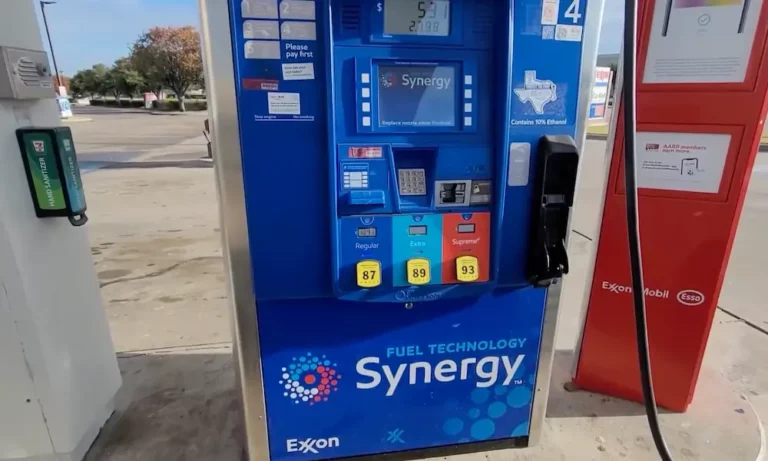
You pull up to the pump, credit card in hand, staring at a price difference that could buy you a coffee. Is Exxon gas actually worth it, or are you just paying for a fancy logo? Let’s cut through the marketing and look at what’s really in your tank.
What Makes Gasoline “Good” in the First Place
Not all gasoline is created equal, and that’s not just marketing hype.
The baseline for fuel quality in the U.S. is set by the EPA, which has required minimum detergent levels since 1995. But here’s the problem: modern engines evolved faster than those standards did. High-compression turbos, direct injection systems, and tight tolerances demand more protection than the EPA’s minimum provides.
That’s where Top Tier certification comes in. It’s a performance standard created by automakers—BMW, GM, Ford, Honda, Toyota, and others—who got tired of warranty claims from gunked-up engines. Top Tier fuel contains significantly higher detergent levels than the EPA requires.
Exxon is a licensed Top Tier retailer. So yes, right out of the gate, Exxon gas meets a high-quality standard that cheap, off-brand stations don’t.
The Top Tier Difference: It’s Bigger Than You Think
AAA conducted independent testing to see if Top Tier certification actually matters. Spoiler: it really does.
After just 4,000 miles, engines running on non-Top Tier gas had 19 times more carbon deposits than engines using Top Tier fuel. That’s not a typo. Nineteen times.
These deposits don’t just sit there looking ugly. They reduce fuel economy by 2% to 4%, increase emissions, and can cause rough idling or hard starts. Over time, you’re paying for that “cheap” gas twice—once at the pump, and again in lost efficiency.
Here’s the kicker: Top Tier gas costs an average of only three cents more per gallon. Yet consumers are six times more likely to choose a station based on price rather than quality. That’s penny-wise and pound-foolish.
Top Tier vs. Non-Top Tier: The Deposit Data
| Fuel Type | Deposits After 4,000 Miles | Multiplier |
|---|---|---|
| Top Tier Certified | 34 mg | 1x |
| EPA Minimum Only | 660 mg | 19x |
All Top Tier brands—Exxon, Shell, Chevron, even Costco—use the same base gasoline from shared terminals. The difference is the additive package each brand injects at the loading rack.
What’s Actually in Exxon’s “Synergy” Fuel
Exxon’s Synergy isn’t just a catchy name. It’s a 7-ingredient additive package that goes into every gallon.
Here’s what you’re getting:
Three different detergents keep both traditional port fuel injection systems and modern direct injection systems clean. One size doesn’t fit all when it comes to engine designs.
A friction modifier reduces wear in the upper cylinder, where motor oil has a hard time reaching. This is especially important in high-compression engines.
An anti-adhesion compound prevents detergent molecules from forming a sticky film on intake valves that can cause cold-start issues.
A corrosion inhibitor protects your fuel system from rust—your gas tank, fuel lines, and injectors will thank you.
A demulsifier keeps water separate from gasoline. Water in your fuel system is bad news, and this helps prevent it from dispersing.
A solvent fluid keeps all the additives properly mixed and prevents them from freezing in extreme cold.
Marker molecules are Exxon’s quality control. They can test fuel anywhere in the supply chain to verify the additive package is present in the correct concentration.
This isn’t just marketing fluff. These are real chemical compounds doing specific jobs.
Synergy Supreme+: Is Premium Actually Premium?
Exxon’s premium fuel, Synergy Supreme+, isn’t just higher octane. It contains an enhanced detergent package and an upgraded friction modifier.
Two specific claims deserve scrutiny:
“Reduces wear and tear by 30%” – This refers to the advanced friction modifier in the premium grade only. It’s based on industry-standard laboratory testing, not real-world driving. The test measures wear under controlled conditions. It’s a legitimate claim, but it’s comparing premium Exxon to EPA-minimum fuel, not to other premium brands.
“Keeps your engine 3X cleaner” – Read the fine print. This compares Synergy Supreme+ to Synergy regular, not to competitors. It confirms that Exxon reserves its highest detergent concentrations for its most expensive product.
These claims are technically accurate but narrower than they appear at first glance.
The GDI Engine Reality Check: What Fuel Can’t Fix
If you own a modern car, you probably have a GDI (Gasoline Direct Injection) engine. These are more efficient and powerful, but they have an Achilles’ heel: carbon buildup on intake valves.
Here’s why this matters for fuel quality discussions.
In older port fuel injection engines, gasoline sprays into the intake port and washes over the intake valves before entering the cylinder. The detergents in your fuel continuously clean these valves.
In GDI engines, fuel is injected directly into the combustion chamber. It bypasses the intake valves entirely.
This means intake valves in GDI engines only see air and oil vapors from the crankcase ventilation system. These vapors bake onto the hot valves, forming hard carbon deposits.
Here’s the brutal truth: no fuel additive can clean deposits on GDI intake valves because the fuel never touches them. Not Exxon. Not Shell. Not any brand, no matter what the marketing suggests.
This is a design flaw in the engine, not a fuel problem. Eventually, many GDI owners need professional walnut-shell blasting to remove these deposits.
PFI vs. GDI: Where Fuel Additives Actually Work
| Engine Type | Fuel Touches Intake Valves? | Can Fuel Additives Clean Valves? |
|---|---|---|
| PFI (Port Fuel Injection) | Yes | Yes |
| GDI (Direct Injection) | No | No |
But—and this is important—GDI engines still benefit enormously from high-quality fuel. The fuel injectors sit inside the combustion chamber, exposed to extreme heat and pressure. Without strong detergents, they develop carbon “coking” on the injector tips, which disrupts the fuel spray pattern and kills performance.
Exxon’s claims about cleaning GDI fuel injectors are accurate and valuable. Just don’t expect it to solve the intake valve carbon issue.
Exxon vs. The Competition: Where It Actually Stands
Exxon vs. Mobil
They’re the same company. The 1999 merger created ExxonMobil Corporation. Both brands use identical Synergy fuel technology. There’s zero quality difference.
Exxon vs. Shell V-Power and BP
All three are Top Tier certified. The battle comes down to proprietary additive packages, especially in premium grades.
Shell V-Power NiTRO+ makes similar friction-reduction claims. BP’s Invigorate has its own advanced cleaning formulation. No independent, third-party testing directly compares these specific blends.
Driver testimonials are all over the map. Some BMW owners swear by Exxon. Others report engine pinging. Some claim Shell runs smoother. The truth? Without controlled testing, it’s impossible to declare a winner.
What we can say: Exxon, Shell V-Power, and BP premium all represent the highest tier of available fuel quality.
Exxon vs. Costco
This is the real value question.
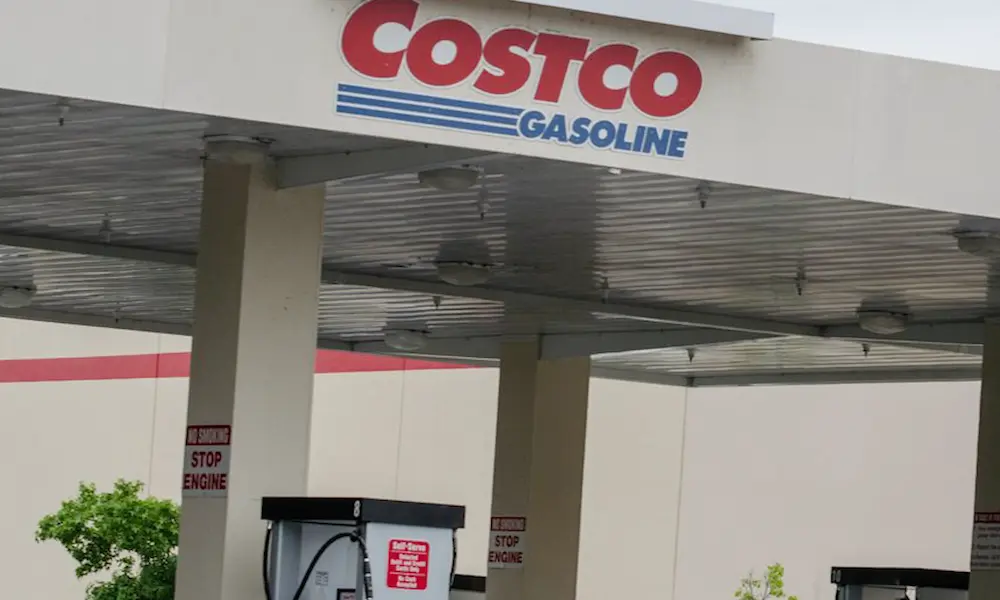
Costco’s Kirkland Signature gasoline is Top Tier certified. It meets the full standard that automakers require. You’re getting 19 times better deposit protection than non-Top Tier fuel.
Exxon’s Synergy Supreme+ goes beyond the Top Tier requirement with additional friction modifiers and higher detergent concentrations. These extras aren’t required for the certification itself.
For a daily driver running regular octane, Costco offers exceptional value. You’re getting all the protection your engine actually needs.
For a high-performance vehicle requiring premium, Exxon’s extra additives target the exact conditions those engines create. Whether that justifies the price difference depends on your vehicle and priorities.
Why Your Mileage Results Vary (Literally)
You’ll find wild stories online about fuel economy jumping or tanking after switching brands. Some drivers claim their MPG dropped 10% after using Exxon. Others report the opposite.
These dramatic swings aren’t caused by minor differences in Top Tier additive packages. The real culprit is usually station-level quality control.
A poorly maintained underground tank can contaminate fuel with water or rust. Low-volume stations sell older, less-potent fuel. A high-traffic Costco turns over inventory quickly, ensuring fresh fuel regardless of brand.
You might get “better” gas from a busy discount station than from a neglected premium-brand location.
Who Should Use Exxon Gas (And Who Shouldn’t Bother)
For Port Fuel Injected Engines
Using Exxon or any Top Tier brand is highly beneficial. The detergents continuously wash over intake valves, preventing deposit buildup and keeping the fuel system clean.
For GDI and Turbocharged Engines
Top Tier fuel is essential. The enhanced detergents protect high-pressure fuel injectors from carbon coking. Just understand that no fuel will clean GDI intake valves—that’s a separate maintenance issue.
The Premium Question
If your manufacturer requires 91+ octane: Yes, Synergy Supreme+ makes sense. The friction modifiers and enhanced detergents target exactly what high-compression engines need.
If your manufacturer recommends regular 87 octane: Don’t waste your money. Independent testing confirms that using higher octane in engines not designed for it yields no performance or efficiency gains. Stick with Exxon’s regular 87-octane to get full Top Tier protection without paying for octane you can’t use.
The Three-Tier Gasoline Quality Framework
Tier 1: Non-Top Tier Gas (Avoid)
Generic, off-brand stations meeting only EPA minimums. You’re looking at 19 times more deposits, reduced fuel economy, and potential long-term damage.
Tier 2: Top Tier Certified Brands (The Sweet Spot)
Exxon Regular, Shell Regular, Costco, BP Regular, and all other licensed Top Tier retailers. This is the baseline standard for any modern vehicle. It provides all necessary cleaning power for PFI valves and GDI injectors.
Tier 3: Advanced Premium Formulations (For Specific Needs)
Exxon Synergy Supreme+, Shell V-Power NiTRO+, and similar enhanced grades. These provide additional benefits—friction modifiers, higher detergent concentrations—on top of the Top Tier standard. Worth it for high-performance engines that require premium, questionable value for everything else.
The Bottom Line on Exxon Gas Quality
Is Exxon gas good? Yes, definitively. Its Top Tier certification is an objective, automaker-backed validation of quality.
Is it better than other Top Tier brands? The proprietary Synergy additive package provides measurable benefits, particularly in the premium grade. But the difference between Top Tier brands is smaller than the difference between Top Tier and non-Top Tier.
The smartest move isn’t necessarily choosing Exxon specifically. It’s choosing any Top Tier brand and avoiding the cheap, off-brand stations that’ll cost you more in lost efficiency than you’ll ever save at the pump.
Your engine doesn’t care about the logo on the sign. It cares about what’s in the additive package. Exxon delivers on that front, as do several other brands at various price points.
Choose based on your vehicle’s actual requirements, not marketing claims or brand loyalty. That’s how you get the best value from every gallon.