If you own a Toyota Tundra with a 5.7L V8 engine, you’ve probably heard whispers about the dreaded cam tower leak. This isn’t some rare problem that affects a few unlucky trucks—it’s a widespread issue that could hit your wallet hard if you’re not prepared.
What Is a Tundra Cam Tower Leak?
A tundra cam tower leak happens when oil seeps from where the camshaft housing meets the cylinder head. Think of it like a leaky roof—except this roof costs thousands to fix.
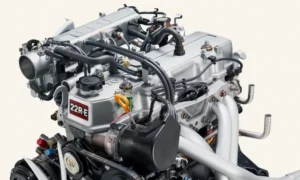
Toyota made a questionable design choice with their 3UR-FE 5.7L V8 engine. Instead of using traditional gaskets, they slapped on gray RTV sealant between the cam tower and cylinder head. This sealant breaks down over time, especially when your engine gets hot and cools down repeatedly.
The problem gets worse because your Tundra’s engine tilts slightly backward. Oil pools at the back of the cam towers where the seal matters most. It’s like water finding the lowest spot on your roof—gravity always wins.
Which Tundras Get Hit With This Problem?
The tundra cam tower leak affects a massive range of vehicles:
- 2007-2021 Toyota Tundra (5.7L V8)
- 2008-2021 Toyota Sequoia (5.7L V8)
- 2008-2021 Toyota Land Cruiser 200 Series
- 2008-2021 Lexus LX570
- 2010-2021 Lexus GX460
That’s nearly 15 years of trucks and SUVs. If you’re driving one of these, you’re in the potential blast zone.
Most tundra cam tower leaks show up between 70,000-100,000 miles. But here’s the kicker—some owners report problems as early as 8,000-10,000 miles. Factory contamination during assembly means your truck might’ve been doomed from day one.
How to Spot a Cam Tower Leak Early
Early detection saves money. Here’s what to watch for:
Your nose knows first. You’ll smell burning oil from the engine bay, especially when the engine’s hot. It’s that distinct “something’s cooking that shouldn’t be” smell.
Look for light smoke coming from under the hood. Don’t panic—it’s probably not a fire. The oil drips onto hot exhaust parts and burns off.
You won’t see puddles on your driveway initially. The oil burns before it hits the ground, which makes this leak sneaky.
Checking for Leaks Yourself
Want to play detective? You’ll need to get your hands dirty.
Remove the plastic splash shields behind your front tires. Get a flashlight and look up at the rear of the cam towers. The driver’s side is trickier to see because of lines and components in the way.
Look for these telltale signs:
- Oil residue on exhaust manifold heat shields
- Dark, oily buildup around cam tower bolts
- Yellow or discolored sealant (healthy sealant looks gray)
What Causes This Expensive Headache?
The root cause goes back to Toyota’s penny-pinching decision. They used gray RTV sealant instead of proper gaskets. This sealant deteriorates when oil contaminates it and when your engine heats up and cools down.
Factory contamination makes things worse. During assembly, oil residue can get on sealing surfaces. This compromises the seal before you even drive off the lot. It explains why some trucks develop tundra cam tower leaks at ridiculously low mileage.
The engine’s slight rear tilt creates a perfect storm. Oil naturally flows to the back where the sealing is most critical. It’s like having a weak spot exactly where pressure builds up most.
The Brutal Reality of Repair Costs
Fixing a tundra cam tower leak isn’t a quick Saturday morning job. This repair requires major engine surgery.
Here’s what mechanics have to do:
- Remove the intake manifold
- Take off the valve covers
- Remove the timing chain cover
- Extract the cam towers and clean all surfaces
- Replace the valley plate coolant exchanger (smart shops do this simultaneously)
- Reseal with proper Toyota FIPG sealant (black, not gray)
- Put everything back together with exact torque specs
Cost Breakdown
| Repair Location | Cost Range | Labor Hours |
|---|---|---|
| Independent Shop | $1,900-$2,800 | 14-16 hours |
| Toyota Dealership | $3,400-$6,000 | 14-16 hours |
Some dealerships remove the entire cab from your truck to access the engine easier. Yes, they literally separate the truck bed from the cab. This adds complexity and cost but gives techs better access.
Your Options When Facing a Cam Tower Leak
You don’t have to panic when you discover a tundra cam tower leak. You’ve got choices.
Option 1: Fix It Immediately
This makes sense if:
- Your truck’s still under warranty
- The leak is severe and getting worse
- You plan to keep the truck long-term
Make sure your shop uses proper Toyota FIPG sealant (the black stuff, not gray). Ask them to replace the valley plate coolant exchanger at the same time—you’re already paying for the labor.
Option 2: Monitor and Manage
For minor leaks, you can:
- Check oil level more frequently
- Watch for increased burning oil smell or smoke
- Add oil between changes as needed
- Most tundra cam tower leaks are minor and won’t destroy your engine immediately
Option 3: Preventive Action
If you’re having other major engine work done (timing chain, water pump), tackle the cam towers proactively. You’re already paying for engine disassembly—might as well fix everything while you’re in there.
Living with the Leak
Many Tundra owners choose to live with minor tundra cam tower leaks rather than shell out thousands for repairs. This isn’t necessarily wrong.
Keep extra oil in your truck. Check levels every 1,000 miles instead of waiting for oil changes. Most leaks are slow enough that you’ll add maybe a quart between changes.
The smell gets annoying, but it won’t hurt you. Just crack the windows if it bothers passengers.
Prevention and Long-Term Outlook
Once properly repaired with correct procedures and materials, tundra cam tower leaks typically don’t come back. The repair fixes Toyota’s original design flaw.
Regular oil changes with quality oil might help extend sealant life, though there’s no guarantee. The problem stems from a design issue, not maintenance neglect.
What About Toyota’s Response?
Toyota hasn’t issued a recall for tundra cam tower leaks, despite widespread reports and even a class action lawsuit. There’s also a Change.org petition asking for a recall, but Toyota maintains this is normal wear and tear.
Some owners have had success getting goodwill assistance from Toyota, especially if the leak appears at low mileage. It’s worth asking, but don’t count on it.
The Bottom Line
The tundra cam tower leak represents a significant design flaw that affects hundreds of thousands of vehicles. While frustrating and expensive, it’s not typically catastrophic if you stay on top of it.
If you’re shopping for a used Tundra, factor potential cam tower repairs into your negotiation. If you already own one, don’t lose sleep over it—just stay vigilant and plan accordingly.
This problem highlights why even reliable brands like Toyota can have expensive issues. The good news? Once fixed properly, it typically stays fixed. Your truck can still serve you well for many more miles, even with this annoying design flaw lurking in the background.
Remember to use a shop familiar with the 3UR-FE engine if you decide to repair. This isn’t a job for your corner mechanic who’s never seen one before. The complexity demands experience, or you might end up paying twice to get it right.