Trying to figure out which GM vehicles actually have Super Cruise? It’s not obvious. The feature spans four brands, dozens of trims, and two powertrain types — and the rules aren’t always consistent. This guide breaks it all down clearly, brand by brand, so you know exactly what to look for before you buy.
What Is Super Cruise, Exactly?
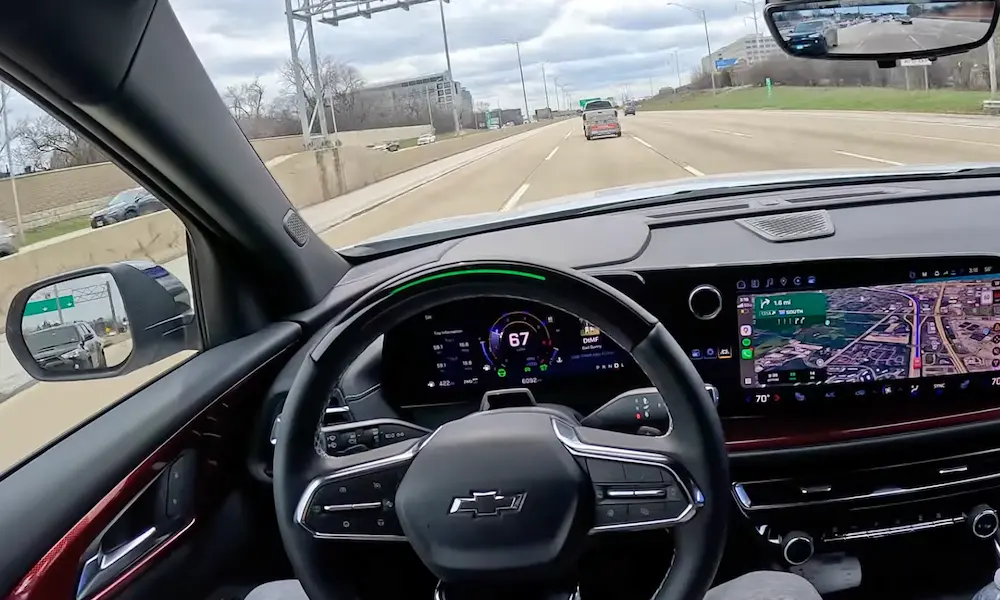
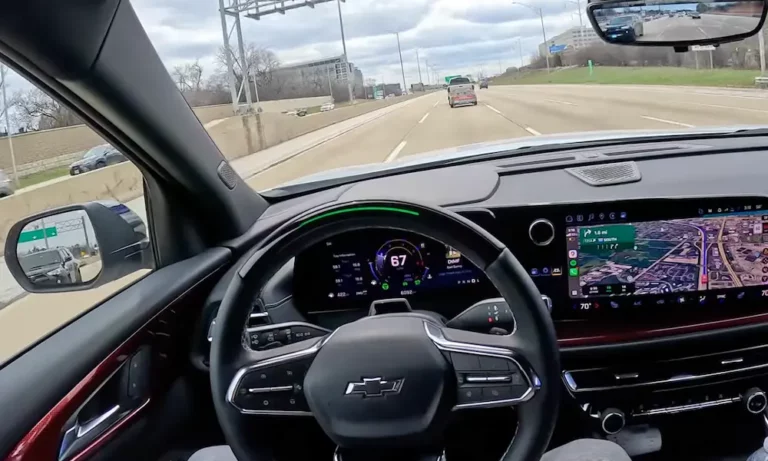
Super Cruise is GM’s hands-free highway driving system — the first of its kind when it launched on the 2018 Cadillac CT6. It’s a Level 2 driver assistance system, which means you can take your hands off the wheel on compatible roads. But your eyes still need to stay on the road ahead.
It works using a combination of:
- Pre-mapped LiDAR road data covering 750,000 miles of compatible roads
- High-precision GPS that pins your location to within inches
- An infrared driver attention camera mounted on the steering column
That last one is key. The camera watches your eyes, even in the dark, even with sunglasses on. Look away too long, and it escalates through a warning sequence — flashing lights, seat vibration, then a voice command. Ignore all of that, and the car safely pulls itself to a stop and calls OnStar emergency services.
As of 2026, GM customers have driven over one billion hands-free miles using Super Cruise. That’s not a small experiment anymore.
How the Road Network Works
Super Cruise doesn’t work everywhere. It only activates on roads that GM has pre-mapped with LiDAR vehicles.
When the system launched, that network covered about 130,000 miles of divided interstates. It’s now finalizing an expansion to 750,000 miles, including undivided state highways and rural routes — which turns Super Cruise from a road-trip feature into a daily commute tool for many drivers.
One important catch: older vehicles with legacy hardware can’t access the expanded network. The Cadillac CT6, early XT6 models, and the Chevrolet Bolt EUV are permanently limited to the original interstate-only network. Their onboard computers can’t process the newer map database.
What Cars Have Super Cruise: Cadillac
Cadillac is where Super Cruise started, and it’s still where the technology goes deepest. The brand’s entire EV lineup now comes standard with it.
| Cadillac Model | Model Years | Super Cruise Availability | Powertrain |
|---|---|---|---|
| CELESTIQ | 2024–2026 | Standard on all builds | Electric |
| Escalade IQ / IQL | 2025–2026 | Standard on all trims | Electric |
| Escalade / ESV | 2021–2026 | Standard on Premium Luxury, Sport, Platinum, V-Series | Gas |
| LYRIQ / LYRIQ-V | 2023–2026 | Standard across all 2026 trims | Electric |
| VISTIQ | 2026 | Standard across all trims | Electric |
| OPTIQ / OPTIQ-V | 2025–2026 | Standard across all trims | Electric |
| XT6 | 2022–2025 | Optional on Premium Luxury, Sport | Gas |
| XT5 | 2025–2026 | Optional on Premium Luxury, Sport | Gas |
| XT4 | 2025–2026 | Optional on Premium Luxury, Sport | Gas |
| CT5 / CT5-V / Blackwing | 2021, 2023–2026 | Optional on Premium Luxury, Sport, V-Series | Gas |
| CT4 / CT4-V | 2021, 2023–2026 | Optional on Premium Luxury, Sport, V-Series | Gas |
The Cadillac CELESTIQ sits at the top — a hand-built electric sedan starting above $361,000 with a 55-inch continuous LED display and 655 estimated horsepower. Super Cruise is standard on every single one.
At the more accessible end, the OPTIQ compact crossover starts at $50,900 and includes Super Cruise as standard across all 2026 trims. That’s a meaningful shift — hands-free driving is no longer just for six-figure luxury SUVs.
The XT4 getting Super Cruise in 2025 is another sign that Cadillac is pushing this tech further down into its lineup, not keeping it exclusive.
What Cars Have Super Cruise: Chevrolet
Chevrolet brings Super Cruise to the mass market — particularly through its growing EV lineup.
| Chevrolet Model | Model Years | Super Cruise Availability | Powertrain |
|---|---|---|---|
| Silverado EV | 2024–2026 | Standard on Trail Boss; Optional on LT, Custom | Electric |
| Silverado 1500 | 2022–2026 | Optional on High Country only | Gas |
| Blazer EV | 2024–2026 | Standard on SS; Optional on LT, RS | Electric |
| Equinox EV | 2024–2026 | Optional on LT, RS | Electric |
| Tahoe | 2023–2026 | Optional on LT, RST, Premier, High Country | Gas |
| Suburban | 2023–2026 | Optional on LT, RST, Premier, High Country | Gas |
| Traverse | 2024–2026 | Standard on RS, High Country; Optional on LT, Z71 | Gas |
| Bolt EUV | 2022–2023 | Optional on Premier (legacy hardware) | Electric |
The Chevrolet Equinox EV is probably the most interesting entry here. It starts under $30,000 after federal incentives, offers an estimated 319 miles of range, and makes Super Cruise available on the LT and RS trims through the Active Safety Package 3. That’s flagship autonomy at a genuinely mainstream price.
The Blazer EV SS flips the script entirely — 615 horsepower, 0-60 in 3.4 seconds, and Super Cruise is standard. It’s a strange but compelling combination.
On the truck side, the gas-powered Silverado 1500 restricts Super Cruise to the High Country trim only. The Silverado EV is more flexible, offering it across Custom, LT, and Trail Boss trims.
GM has also confirmed a Super Cruise-equipped next-gen Bolt EV for 2027 — set to be the most affordable way to access hands-free driving in the US.
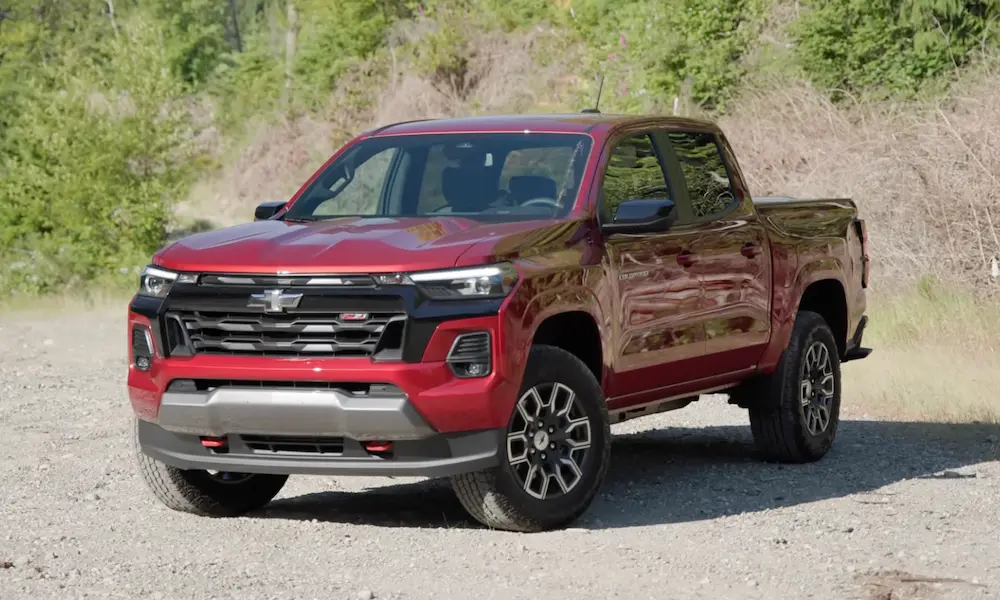
Worth noting: the standard Equinox, Trax, Trailblazer, Colorado, and Silverado Heavy Duty don’t currently offer Super Cruise.
What Cars Have Super Cruise: GMC
GMC concentrates Super Cruise in its premium tiers — especially Denali and AT4 trims.
| GMC Model | Model Years | Super Cruise Availability | Powertrain |
|---|---|---|---|
| HUMMER EV Pickup | 2022–2026 | Standard on 2x, 3x | Electric |
| HUMMER EV SUV | 2024–2026 | Standard on 2x, 3x | Electric |
| Sierra EV | 2024–2026 | Standard on Denali, AT4, Elevation | Electric |
| Sierra 1500 | 2022–2026 | Standard on Denali Ultimate; Optional on Denali | Gas |
| Sierra HD | 2024–2026 | Optional on Denali Ultimate | Gas |
| Yukon / Yukon XL | 2023–2026 | Standard on Denali Ultimate, AT4 Ultimate; Optional on Denali, AT4, Elevation | Gas |
| Acadia | 2024–2026 | Standard on Denali Ultimate; Optional on Denali, AT4, Elevation | Gas |
| Canyon | 2024–2026 | Optional on Denali, AT4 | Gas |
The HUMMER EV is worth a special mention. The thing weighs over 9,000 pounds. It can also drive diagonally. And yes, it has Super Cruise. The fact that GM’s braking and mass-management algorithms handle it confidently says a lot about how mature this technology has become.
GMC uses Super Cruise to justify the premium pricing on its “Ultimate” trims. Making it standard on the Sierra Denali Ultimate and Yukon Denali Ultimate puts a clear gap between those trims and everything below them.
The Canyon offering Super Cruise on Denali and AT4 trims is a nice surprise — you get hands-free driving in a mid-size truck package.
What Cars Have Super Cruise: Buick
Buick is the newest brand to join the Super Cruise ecosystem, starting with the redesigned 2025 Enclave.
| Buick Model | Model Years | Super Cruise Availability | Powertrain |
|---|---|---|---|
| Enclave | 2025–2026 | Optional on Preferred, Sport Touring, Avenir | Gas |
| Envision | 2025–2026 | Optional on Sport Touring, Avenir | Gas |
| Envista | 2025–2026 | Optional on Sport Touring, Avenir | Gas |
| Encore GX | 2025–2026 | Optional on Sport Touring, Avenir | Gas |
What stands out here is Buick’s approach to availability. Unlike GMC, which keeps Super Cruise locked to premium trims, Buick offers it on the base Preferred trim of the Enclave. That’s a deliberate choice to put the technology in front of practical, budget-conscious families — not just luxury buyers.
The Envista is particularly striking. With a starting price of $23,800, it’s currently the most affordable GM vehicle where you can option Super Cruise — at least until the next-gen Bolt EV arrives.
Advanced Features Worth Knowing About
Super Cruise isn’t just adaptive cruise control with lane centering. Depending on the vehicle and trim, it can do considerably more.
Automatic Lane Changes: On newer GM electrical architectures, the system will change lanes on its own when it encounters slower traffic. It signals, merges, passes, and returns — with no input from you. You can turn this off in settings if you prefer to stay in control of lateral moves.
Turn Signal Activated Lane Changes: Tap the stalk to request a lane change. The system checks for gaps and executes it when safe.
Hands-Free Trailering: GM is the first automaker to offer hands-free driving while towing. When a trailer is connected, the system automatically adjusts its following distance to account for the extra weight. Automatic lane changes disable while towing — which makes sense.
Google Maps Integration: When you enter a destination, Google Maps routes you along Super Cruise-compatible highways and tells you exactly how many minutes of the drive you can do hands-free.
Hands-On Steering Assist: On roads with clear lane markings that aren’t in the Super Cruise map yet, the system still provides precise lane-centering assistance — but requires your hands on the wheel. A white steering wheel icon appears instead of the green Super Cruise icon.
What Super Cruise Costs After the Trial
Every new Super Cruise vehicle comes with a three-year complimentary connectivity trial. After that, you need a paid OnStar plan to keep the hands-free features active. The hardware stays in the car — but the software functionality gates behind a subscription.
Here’s the current pricing structure:
- Standalone Super Cruise plan: $39.99/month
- OnStar One (bundled): $49.99–$79.99/month, depending on the vehicle tier
- Annual billing discounts are available and worth asking about
Some drivers report negotiating retention deals closer to $80–$100 per year by calling customer service directly when their trial ends. It’s worth a try.
If you let the subscription lapse entirely, the car reverts to standard adaptive cruise control. The cameras, radars, and sensors stay functional — just the hands-free software turns off.
How Super Cruise Compares to Tesla and Ford
Versus Tesla Autopilot: Tesla uses a pure camera-based “vision” approach with no pre-mapped roads. It can attempt to engage on almost any road, but it relies entirely on real-time AI interpretation of painted lines. Super Cruise pre-maps roads with LiDAR, which makes it more predictable and resistant to phantom braking on worn pavement — but it won’t activate at all on unmapped roads. The trade-off is geographic flexibility versus structured reliability.
Versus Ford BlueCruise: This is a closer comparison — BlueCruise also uses LiDAR-mapped roads and an infrared driver attention camera. The key difference is scale. GM’s 750,000-mile network is roughly four times larger than Ford’s current compatible road network.
What’s Coming Next
GM has announced plans to launch a true Level 3 “eyes-off” driving capability in 2028, starting with the Cadillac Escalade IQ. That’s the step where legal responsibility shifts from you to the vehicle — where you can legally watch a movie while the car drives itself on compatible roads.
Getting there requires one thing above everything else: data. Every Super Cruise mile driven feeds anonymized real-world data back to GM’s training systems. That billion-mile milestone isn’t just a marketing number — it’s the foundation of what comes next.
The next-gen Bolt EV in 2027 will bring Super Cruise to its most affordable price point yet. And with Super Cruise now available in everything from a $23,800 Buick Envista to a $361,000+ Cadillac CELESTIQ, the technology’s spread across GM’s lineup is nearly complete.