You just bought a new car and the dealer mentions a bumper-to-bumper warranty. Sounds great, right? But what does it actually cover? And more importantly, what sneaky exclusions could cost you later? This guide breaks it all down — covered systems, common exclusions, and the warranty traps you need to avoid.
What Is a Bumper-to-Bumper Warranty?
A bumper-to-bumper warranty is the broadest factory protection that comes with a new vehicle. It kicks in the moment you drive off the lot — your “in-service date” — and covers nearly every factory-installed component that fails due to a defect in materials or workmanship.
Here’s the thing though: despite the name, it doesn’t literally cover every single part between the front and rear bumpers. The bumper-to-bumper warranty works as an exclusionary contract. That means everything is covered unless it appears on a specific list of excluded items.
This structure is actually great for consumers. If a failed part isn’t explicitly excluded in your warranty paperwork, the manufacturer must pay for the repair — parts and labor included.
What Does a Bumper-to-Bumper Warranty Cover?
Here’s a breakdown of the major systems protected under standard bumper-to-bumper coverage.
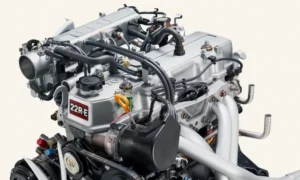
Engine and Transmission
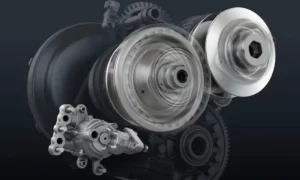
Yes, these heavy mechanical components fall under bumper-to-bumper coverage during its active term — even though the vehicle also has a separate powertrain warranty. Covered components include:
- Engine block and cylinder heads
- Internal lubricated engine parts
- Transmission systems
- Drive axles and transfer case (for AWD/4WD vehicles)
If your transmission dies at 20,000 miles, that repair goes straight to the bumper-to-bumper warranty — zero out-of-pocket cost for you.
Infotainment, Navigation, and Electronics
This is where the bumper-to-bumper warranty earns its keep in the modern car market. Your vehicle’s touch screen, navigation module, Bluetooth interface, and multimedia head unit are all covered. These components fail more often than people think, and they’re brutally expensive to replace.
A single factory navigation screen replacement can run you $1,500 or more at a dealership. Under bumper-to-bumper coverage? That bill disappears entirely.
Advanced Driver Assistance Systems (ADAS)
Modern cars are packed with safety sensors — backup cameras, blind-spot monitors, lane departure cameras, parking sensors, and adaptive cruise control radar. When these fail, they don’t just unplug and swap out easily. They need precision calibration at the dealership.
Bumper-to-bumper coverage absorbs both the replacement parts and the specialized labor costs for recalibrating these systems into the vehicle’s central computer.
Climate Control and HVAC
Your air conditioning compressor, heater core, condenser, evaporator, and cabin blower motors are all fully covered. If an AC compressor fails prematurely, the warranty covers the new part, the installation labor, and the refrigerant recharge — as long as the recharge is directly tied to fixing the defective component.
Steering, Suspension, and Braking Electronics
The mechanical and electronic infrastructure of these systems is fully protected. This includes:
- Power steering pump and electronic steering racks
- Control arms, ball joints, coil springs, and shock absorbers
- ABS module, wheel speed sensors, and brake master cylinder
The ABS system that prevents your wheels from locking during emergency stops? Covered. If that module fails, the manufacturer replaces it for free.
Convenience Features and Interior Components
Power windows, door lock actuators, power mirrors, heated seats, sunroof motors, and the wiring harnesses connecting all of them — it’s all covered. Electrical shorts buried inside door panels require hours of labor to diagnose and fix. The bumper-to-bumper warranty handles that bill without hesitation.
What Does a Bumper-to-Bumper Warranty NOT Cover?
Understanding the exclusions is just as important as knowing what’s covered. Three main categories get excluded.
Wear-and-Tear Items
These parts are designed to wear out through normal driving. Expect zero warranty coverage on:
- Brake pads, shoes, and rotors — friction wears them down; that’s not a defect
- Clutch linings (manual transmission vehicles)
- Tires — though tires often carry a separate manufacturer warranty from the tire brand itself
- Windshield wiper blades
- Incandescent headlight and taillight bulbs
- Standard 12-volt battery — though this may carry its own prorated coverage
Note: Sealed LED headlamp assemblies might be covered if the entire unit fails due to an electronic defect rather than a simple bulb burnout.
Routine Maintenance
The manufacturer won’t pay for keeping your car running — that’s your job. Excluded maintenance includes:
- Oil changes
- Transmission fluid flushes
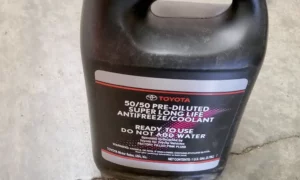
- Coolant replacements
- Air, fuel, and cabin air filter swaps
- Wheel alignments and tire balancing (with rare exceptions in the first 12 months)
Some automakers cover a single wheel alignment within the first 12 months or 12,000 miles if misalignment suggests a factory defect. Beyond that window? It’s your expense.
Cosmetic and Environmental Damage
Here’s the irony: the actual bumpers? Not covered by bumper-to-bumper. Neither are body panels, windshield glass, weatherstripping, or upholstery. Unless paint spontaneously peels from a factory application defect, chips and fade from road exposure are your problem.
Environmental damage from floods, hail, lightning, salt air, or rodents chewing through soy-based wiring harnesses is also excluded. Your auto insurance policy handles those situations — not the warranty.
| Component Category | Coverage Status | Reason |
|---|---|---|
| Engine & Transmission | ✅ Covered | Factory defect protection on primary systems |
| Infotainment & Navigation | ✅ Covered | Expensive electronics prone to manufacturing faults |
| ADAS Safety Sensors | ✅ Covered | High-cost calibration and replacement labor |
| Climate Control Compressor | ✅ Covered | Mechanical factory component |
| Brake Pads & Rotors | ❌ Excluded | Consumable friction materials |
| Tires & Wiper Blades | ❌ Excluded | High-friction wear items |
| Oil Changes & Fluid Services | ❌ Excluded | Standard owner maintenance responsibility |
| Bumpers, Body Panels & Glass | ❌ Excluded | Cosmetic damage and road debris exposure |
| Rodent/Environmental Damage | ❌ Excluded | External cause, not a manufacturing defect |
How Long Does a Bumper-to-Bumper Warranty Last?
Coverage ends the moment you hit whichever limit comes first — time or mileage. For a high-mileage commuter, a 3-year warranty could expire in 18 months if the mileage limit hits first.
Here’s how major manufacturers stack up:
| Manufacturer | Bumper-to-Bumper | Powertrain |
|---|---|---|
| Hyundai / Kia / Genesis | 5 years / 60,000 miles | 10 years / 100,000 miles |
| Mitsubishi | 5 years / 60,000 miles | 10 years / 100,000 miles |
| Jaguar | 5 years / 60,000 miles | 5 years / 60,000 miles |
| Lexus / Cadillac / Acura | 4 years / 50,000 miles | 6 years / 70,000 miles |
| Volkswagen | 4 years / 50,000 miles | 4 years / 50,000 miles |
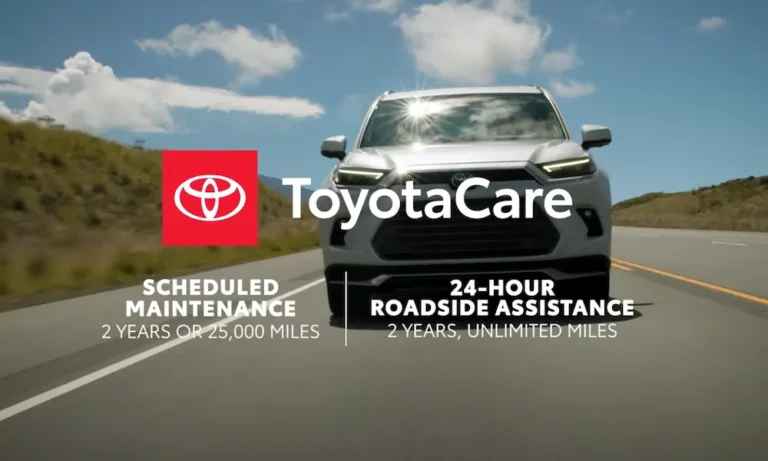
| Toyota / Honda / Nissan | 3 years / 36,000 miles | 5 years / 60,000 miles |
| Ford / Chevrolet / Dodge | 3 years / 36,000 miles | 5 years / 60,000 miles |
The industry standard sits at 3 years or 36,000 miles, but Hyundai, Kia, and Genesis lead with a generous 5-year bumper-to-bumper coverage — giving you two extra years of protection over Toyota or Ford.
Once the bumper-to-bumper expires, only the powertrain warranty remains active. That means if your engine fails at 50,000 miles, you’re covered. But if your navigation screen dies at the same mileage? You’re paying out of pocket.
Bumper-to-Bumper vs. Powertrain Warranty: The Key Difference
These two warranties overlap during the bumper-to-bumper period, but they’re fundamentally different structures.
A bumper-to-bumper warranty is exclusionary — everything’s covered except the explicit list of exclusions. A powertrain warranty is inclusionary — only the parts specifically listed in the contract are covered.
Bumper-to-bumper warranties protect electronics, HVAC, steering, and suspension. Once it expires, the powertrain warranty covers the engine, transmission, axles, and transfer case — but nothing else. A broken sunroof motor after the bumper-to-bumper expires is entirely your financial responsibility.
EV and Hybrid Battery Warranties
If you drive an electric or hybrid vehicle, the bumper-to-bumper warranty still covers the same interior electronics, HVAC, and suspension components. But the high-voltage battery pack is a separate animal entirely.
Federal mandates require EV and hybrid battery coverage for a minimum of 8 years or 100,000 miles. Most manufacturers also include a capacity retention guarantee — if the battery degrades below 70% of its original capacity during the warranty period, the manufacturer must repair or replace it.
That said, EV battery warranties don’t cover physical damage from road debris impacts, severe flooding, or the use of non-approved charging equipment. The bumper-to-bumper warranty handles the EV’s infotainment and convenience features. The battery warranty ensures the car can still drive.
The Federal Emissions Warranty You Probably Don’t Know About
Here’s a layer of protection most car owners overlook entirely. Under the Clean Air Act, all vehicles sold in the U.S. carry federally mandated emissions warranties regardless of what the manufacturer’s bumper-to-bumper warranty says.
The basic emissions warranty covers general emissions components for 2 years or 24,000 miles. But three major components get extended coverage for 8 years or 80,000 miles:
- The catalytic converter
- The electronic engine control module (your car’s main computer)
- The onboard diagnostic system (the system that triggers your check engine light)
If you live in a state following California’s emissions standards, protections extend even further — up to 15 years or 150,000 miles for certain Partial Zero Emission Vehicles. This means your engine computer could be covered well after your bumper-to-bumper warranty expired.
Is a Bumper-to-Bumper Warranty Transferable?
Yes — factory warranties are tied to the Vehicle Identification Number, not the original owner. When you sell the car privately or trade it in before the warranty expires, the remaining coverage transfers automatically to the new owner in most cases. No paperwork, no fees.
This transferability adds real dollar value when selling. A used car still under bumper-to-bumper coverage sells faster and commands a higher price because the buyer carries less financial risk.
But watch out for these important exceptions:
- Hyundai, Kia, and Mitsubishi: The 5-year bumper-to-bumper transfers fully. The 10-year powertrain warranty drops down to 5 years for secondary owners — unless sold through a Certified Pre-Owned program or transferred to an immediate family member.
- GM Anti-Flip Clause: On certain limited-production models like the GMC Hummer EV, selling within the first 6 months of ownership voids the entire warranty for the next buyer.
- BMW CPO Transfer: Transferring a BMW Certified Pre-Owned warranty requires formal documentation and a $200 administrative fee.
What Voids a Bumper-to-Bumper Warranty?
Manufacturers can deny claims — or void coverage entirely — if you violate the warranty’s terms. These are the big ones.
Salvage or Rebuilt Title
A salvage title is the fastest path to zero warranty coverage. If an insurance company declares your vehicle a total loss, the payout is treated as a full buyout of the vehicle’s value — warranty included. Manufacturers won’t honor claims on a rebuilt vehicle because they can’t vouch for the quality of the repair work. Always run a vehicle history report before buying used.
Odometer Tampering
Warranty coverage is mathematically tied to mileage limits. If a dealership discovers the odometer was rolled back or disconnected, coverage is voided immediately. Without a verifiable mileage record, the manufacturer can’t confirm the vehicle is still within its coverage window.
Neglected Maintenance
Skip your oil changes, and the manufacturer will skip your repair bill. If sludge buildup from neglected oil changes destroys your engine, that’s a denied claim. Use fluids that meet manufacturer specifications and keep dated service records — whether you go to a dealership, independent shop, or do it yourself.
Misuse and Abuse
Modern vehicles store internal data. Technicians can pull records showing vehicle speed, engine RPM, and location at the time of failure. If the data reveals track racing, severe overloading beyond tow or payload ratings, or aggressive off-road use, the claim gets denied. Using a personal vehicle as a high-frequency rideshare or delivery car can also trigger commercial-use exclusions.
Aftermarket Modifications
An aftermarket part doesn’t automatically void your entire warranty. But if a dealer can prove that the modification directly caused the failure of a covered component, that specific claim gets rejected. Install a suspension lift kit and snap a factory axle? Denied — the modified geometry created the stress. But that same lift kit won’t affect your warranty claim for a broken power window motor, since the two systems are completely unrelated.
Extended Bumper-to-Bumper Warranties: Are They Worth It?
Once the factory warranty expires, you can extend coverage through a Vehicle Service Contract — sold by either the manufacturer or third-party providers. High-tier extended contracts mirror the original exclusionary structure, covering electronics, HVAC, suspension, and mechanical components while excluding maintenance and wear items.
Costs typically range from $500 to $1,500 per year depending on the vehicle’s make, age, and mileage. Extended coverage can push bumper-to-bumper protection out to 10 or even 15 years and up to 250,000 miles through aggressive third-party underwriters.
Most extended contracts also bundle useful perks:
- Roadside assistance
- Rental car reimbursement during covered repairs
- Travel interruption coverage for breakdowns away from home
One thing to know upfront: If a diagnostic reveals the failure was caused by an excluded item — an aftermarket part, neglect, or normal wear — you’ll still pay the dealership’s diagnostic labor fee out of pocket, even if the warranty denies the claim. Confirm how your provider handles diagnostic fees before you authorize any teardown work.
For drivers keeping a vehicle well past its original warranty window, extended coverage delivers real financial stability. For shorter ownership cycles, the math might not work as well.
Understanding what does a bumper-to-bumper warranty cover isn’t just useful trivia — it’s how you protect yourself from unexpected repair bills, make smarter used car purchases, and keep your warranty valid throughout the coverage period. Keep your maintenance records clean, drive within normal parameters, and know exactly what’s on your exclusion list. That’s how you get every dollar of value out of this coverage.