If you’re eyeing a used Toyota Camry, RAV4, or Scion from the mid-2000s, you’ll want to read this first. The 2AZ-FE engine has some serious quirks that can turn your budget-friendly purchase into a money pit. Let’s break down what actually goes wrong and how to spot trouble before you’re stuck with a $4,000 repair bill.
What Makes the 2AZ-FE Engine So Controversial?
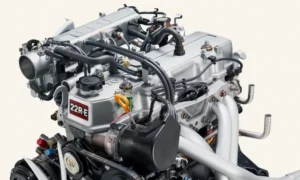
The 2AZ-FE is a 2.4-liter four-cylinder engine Toyota built from 2002 to 2015. It powered millions of vehicles, from the Camry to the RAV4, and even hung around in the Scion xB until 2015.
Here’s the thing: this engine has two completely different personalities depending on when it was built. Early versions (2002-2006) have structural issues. Later ones (2007-2011) burn oil like crazy. It’s like Toyota fixed one problem and created another.
The engine uses an all-aluminum block with variable valve timing on the intake side. It makes around 160-170 horsepower, which isn’t impressive but gets the job done. What doesn’t get the job done? The thread design in early blocks and the piston rings in later ones.
The Head Bolt Thread Disaster (2002-2006 Models)
If there’s one thing that’ll kill an early 2AZ-FE, it’s stripped head bolt threads.
How the Threads Actually Fail
The problem’s pretty straightforward: aluminum expands way more than steel when it heats up. The head bolts are steel, but they’re screwed into aluminum threads in the block. Every time your engine gets hot, the aluminum stretches more than the bolts.
Over time, those threads just give up. They strip right out of the block, usually at the back near cylinders two and three. When that happens, the head bolts can’t hold the cylinder head tight anymore.
What You’ll Actually Notice
Don’t expect a check engine light to save you. Here’s what really happens:
- Coolant mysteriously disappears
- Pink crusty stuff appears on the firewall side of the engine
- The engine runs hot for no obvious reason
- You might not see any external leaks at first
The sneaky part? Mechanics often think it’s just a blown head gasket. They’ll replace the gasket, torque down the bolts, and send you on your way. Two weeks later, you’re back with the same problem because those threads are toast.
The Real Fix (Not the Cheap One)
Toyota put out Technical Service Bulletin T-SB-0015-11 acknowledging this mess. Their fix involves Time-Sert inserts.
But here’s what the pros actually use: the NS300L insert system. These inserts go way deeper into the block, grabbing fresh aluminum that hasn’t been stressed. It’s the only repair that actually holds up long-term.
Expect to pay $2,000-$3,000 for a proper NS300L repair. If someone quotes you $800 for a “head gasket job” on a 2004 Camry with coolant loss, run away. They don’t know what they’re dealing with.
The Oil Burning Nightmare (2007-2011 Models)
Just when you thought Toyota figured things out, the 2007 redesign brought a whole new headache.
Why These Engines Chug Oil
Toyota wanted better fuel economy to meet new regulations. Their solution? Low-tension piston rings that create less friction against the cylinder walls.
Sounds good on paper. In practice, it’s a disaster.
The oil control rings can’t handle their job with the new low-tension design. The oil return holes behind the rings are too small. Oil gets stuck in the piston grooves, bakes into carbon sludge from the heat, and clogs everything up.
Once those holes are blocked, the rings seize in their grooves. Now oil just flows past them straight into the combustion chamber where it burns. You’ll go through a quart every 1,000 miles or less.
Which Vehicles Got Screwed
Pretty much everything with a 2AZ-FE from 2007-2011:
| Model | Affected Years |
|---|---|
| Toyota Camry | 2007-2009 |
| Toyota RAV4 | 2006-2008 |
| Scion tC | 2007-2010 |
| Scion xB | 2008-2015 |
| Toyota Matrix | 2009-2013 |
| Toyota Corolla | 2009-2011 |
Notice the Scion xB goes all the way to 2015? Yeah, Toyota kept using this problematic engine in that vehicle long after they’d moved everything else to the newer 2AR-FE.
The Warranty Extension You Should Know About
Toyota eventually got hit with lawsuits and created the ZE7 Warranty Enhancement Program. It extended coverage to 10 years or 150,000 miles for oil consumption issues.
Here’s the catch: you had to fail their consumption test first. They’d change your oil, seal everything with tamper-proof tape, and send you away. Drive 1,200 miles and come back. If you burned more than a quart, they’d fix it.
One quart in 1,200 miles. That’s the threshold. Most manufacturers consider a quart in 3,000 miles excessive, but Toyota set their bar nice and high.
If you qualified, you got a complete piston replacement with updated rings. That’s 15+ hours of labor. Out of warranty, you’re looking at $3,000-$5,000 at a dealer.
The primary coverage expired in October 2016 for most vehicles, so this program won’t help you now unless you’re dealing with a really late-model xB.
VVT-i Rattle: The “Death Rattle” That Won’t Kill You (Usually)
Here’s a problem that sounds way worse than it actually is.
What’s Making That Horrible Noise
Start your 2009 or newer Toyota on a cold morning and you might hear a loud rattling for a second or two. Sounds like the engine’s about to grenade. Then it goes away.
That’s the VVT-i gear on the intake camshaft. When the engine’s off, a little pin is supposed to lock the gear in place. Over time, that pin wears out or gets gummed up. The gear also loses oil overnight.
When you start up, the dry, unlocked gear rattles around until oil pressure builds. It’s annoying and embarrassing, but it won’t strand you tomorrow.
Should You Actually Fix It
TSB T-SB-0041-13 covers this. The fix is replacing the intake cam gear. Parts and labor run about $400-$600.
If it’s just a quick rattle on startup that goes away, you can live with it. If it’s getting longer or louder, fix it before the gear actually fails and your timing jumps.
Other Stuff That’ll Break on You
Water Pump Failures
The 2AZ-FE eats water pumps. You’ll see pink crusty residue on the hood or hear grinding from the serpentserpent belt area.
This matters more on 2002-2006 models because any overheating event can trigger the head bolt thread failure. A $300 water pump replacement beats a $3,000 thread repair.
Balance Shaft Problems
The balance shaft system uses plastic gears. Eventually they get brittle and shed teeth. You’ll hear knocking from the bottom of the engine.
Many people just delete the entire balance shaft assembly. It increases vibration slightly but eliminates a failure point.
Intake Manifold Rattle
A plastic baffle inside the intake manifold vibrates loose and sounds like something terrible. It’s actually nothing. You can pin it in place with a screw through the manifold if it bugs you.
2AZ-FE vs. 2AR-FE: Know the Difference
In 2009-2010, Toyota started switching to the 2AR-FE, a 2.5-liter engine that fixed most of the 2AZ-FE’s problems.
Key differences:
- 2AR-FE has dual VVT-i (intake and exhaust)
- Updated piston and ring design that doesn’t burn oil
- Roller rocker arms instead of bucket tappets
- Way more reliable overall
The 2AR might still get the cold start rattle, but it won’t strip threads or consume oil like the 2AZ.
If you’re shopping for a used RAV4, a 2009 or newer model has the 2AR. For the Camry, 2010+ has the better engine. The Scion xB is the oddball that kept the 2AZ through 2015.
Which Years Should You Actually Avoid?
Let’s get practical about this.
Hard Pass
2007-2009 Camry and 2006-2008 RAV4 unless you have documentation of piston replacement under warranty. The repair costs more than these vehicles are worth now.
Any 2002-2006 model without proof of NS300L thread repair or a significant discount that leaves room for a $2,500 repair.
Proceed with Caution
2002-2006 models can be fine budget transportation if the price reflects potential issues. Keep $2,000 in reserve for thread repair.
2010-2011 models might still have oil consumption issues even though they’re “later” production. Check service records carefully.
Actually Decent Buys
2010+ Camry or 2009+ RAV4 with the 2AR-FE engine. These are solid, reliable vehicles.
Any 2AZ-FE with documented piston replacement under the ZE7 program. You’re getting essentially a rebuilt engine.
How to Keep Your 2AZ-FE Alive
If you already own one of these engines, here’s how to avoid disaster.
Oil is Your Religion Now
Switch to 5W-30 full synthetic even though Toyota recommends 0W-20. The thicker oil helps maintain pressure and reduces consumption.
Change it every 3,000 miles. Yeah, that’s old-school, but these engines build carbon fast. Fresh oil removes contaminants before they cook into sludge.
Check your oil level every other fill-up. If you’re burning oil, catch it before the engine runs dry.
Keep It Cool
For 2002-2006 models especially, overheating is the kiss of death. Replace the radiator cap, thermostat, and coolant on schedule. Fix any cooling system issues immediately.
A single overheating event can strip those head bolt threads. Prevention is way cheaper than repair.
Watch for Warning Signs
Coolant disappearing without visible leaks? Get it checked now, not next month.
Oil level dropping between changes? Start tracking consumption with a notebook. If it’s more than a quart in 3,000 miles, you’ve got a problem.
Loud rattles on cold starts getting worse? Replace that VVT gear before it fails completely.
The Bottom Line on 2AZ-FE Problems
The 2AZ-FE isn’t a universally terrible engine, but it’s got specific failure modes you need to understand. Early ones strip threads. Later ones burn oil. Neither problem is cheap to fix.
If you’re buying, know exactly which year you’re looking at and what that means for reliability. A 2005 Camry and a 2008 Camry have completely different risk profiles even though they look similar.
If you own one, stay on top of maintenance and watch for the warning signs. Caught early, most of these issues are manageable. Ignored, they’ll total your car.
The good news? Toyota learned from this mess. The 2AR-FE that replaced it is genuinely reliable. Sometimes you just need to know which engine you’re actually dealing with.