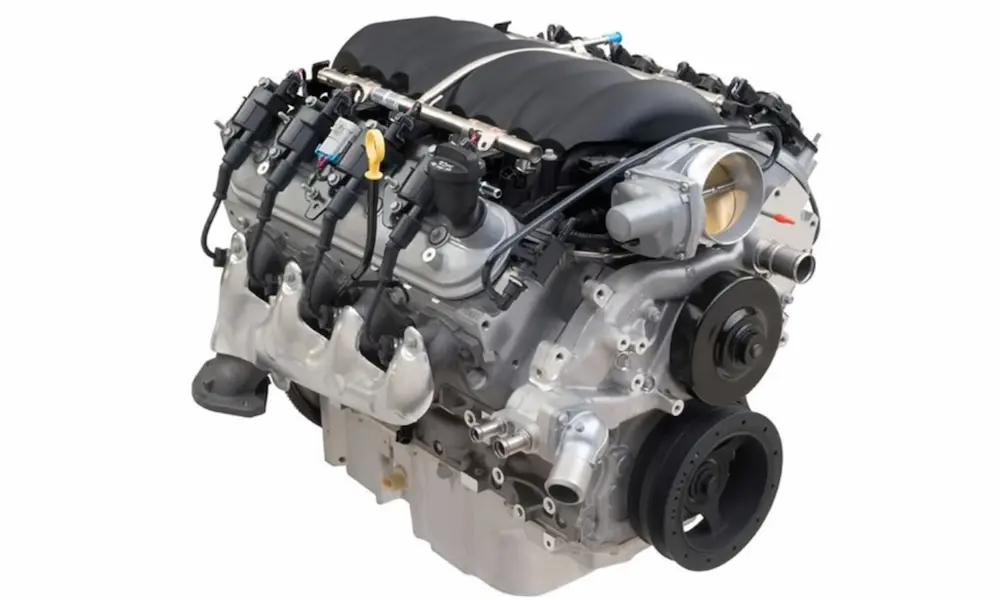
Looking for the complete lowdown on the iconic Chevrolet ZZ4 crate engine? Whether you’re planning a restoration project or just curious about this legendary small-block, you’re in the right place. I’ll break down all the essential ZZ4 crate engine specs and explain what made this powerplant so special during its impressive 18-year production run.
What Is the ZZ4 Crate Engine?
The ZZ4 is a 350 cubic inch (5.7L) small-block V8 crate engine produced by General Motors Performance Parts from 1996 to 2014. It earned legendary status among hot rodders, muscle car enthusiasts, and restoration builders by combining reliable performance with modern technology while maintaining that classic small-block character.
What made the ZZ4 special was its ready-to-install nature – you could order it directly from GM, bolt it into your project, and enjoy significant performance improvements over standard 350 engines without sacrificing reliability.
ZZ4 Crate Engine Performance Specs
Let’s get right to the numbers that matter most:
| Performance Metric | ZZ4 Specification |
|---|---|
| Horsepower | 355 HP @ 5,250 RPM |
| Torque | 405 lb-ft @ 3,500 RPM |
| Maximum Engine Speed | 5,800 RPM |
| Firing Order | 1-8-4-3-6-5-7-2 |
| Compression Ratio | 10.0:1 |
In real-world dyno testing, the ZZ4 typically produced about 248 rear-wheel horsepower and 309 lb-ft of torque. When accounting for drivetrain losses, that’s approximately 310 crank horsepower and 386 lb-ft of torque – pretty close to GM’s claims, showing the engine’s honest performance credentials.
Core Engine Specifications
The ZZ4 wasn’t just about raw power numbers. Here’s what made up the heart of this popular small-block:
Basic Configuration
- Displacement: 350 cubic inches (5.7 liters)
- Bore x Stroke: 4.00 inches x 3.48 inches
- Block: Cast iron with four-bolt intermediate main caps
- Rear Main Seal: One-piece design
- Flywheel Bolt Pattern: 3.00-inch diameter (post-1986 specification)
Cylinder Heads
The ZZ4’s aluminum heads were a major upgrade over standard small-block heads:
- Material: Cast aluminum
- Valve Angle: 23 degrees
- Chamber Volume: 58cc
- Intake Valve Diameter: 1.94 inches
- Exhaust Valve Diameter: 1.50 inches
- Design: Based on L98 Corvette heads for improved airflow
These cylinder heads were one of the biggest reasons for the ZZ4’s performance advantage. They flowed significantly better than standard iron heads while reducing overall engine weight.
Rotating Assembly and Internals
The quality of internal components is what gives an engine its durability and performance potential. The ZZ4 didn’t disappoint:
Rotating Assembly
- Crankshaft: 1053 forged steel with one-piece rear main seal
- Connecting Rods: Forged powdered metal with 3/8-inch bolts
- Pistons: High-silicon aluminum (hypereutectic)
- Piston Rings: Moly-coated cast iron
Camshaft and Valvetrain
- Camshaft Type: Hydraulic roller tappet
- Lift: 0.474 inches intake / 0.510 inches exhaust
- Duration: 208° intake / 221° exhaust @ 0.050-inch tappet lift
- Centerline: 108° ATDC intake / 116° BTDC exhaust
- Rocker Arm Ratio: 1.5:1
The hydraulic roller camshaft was a significant upgrade over flat-tappet designs, offering improved durability and performance. This cam provided an excellent balance of low-end torque and high-RPM power, making the ZZ4 versatile for street applications.
Engine Systems Specifications
Beyond the core engine components, the ZZ4’s supporting systems were carefully engineered to ensure reliability and optimal performance:
Timing System
- Timing Chain: 8mm single roller design
- Spark Timing: 32° maximum @ 4,000 RPM
- Initial Timing: 10° BTDC @ 650 RPM (with vacuum advance disconnected)
Lubrication System
- Oil Pan: 4-quart capacity
- Oil Pressure: 40 psi @ 2,000 RPM
- Recommended Oil: 10W-30 synthetic (after break-in)
- Oil Filter: AC Delco PF25 (Premium: UPF25)
Ignition System
- Distributor: HEI (High Energy Ignition) part number 93440806
- Distributor Gear: Hardened (melonized) for steel camshaft compatibility
- Spark Plugs: AC Delco MR43LTS
- Spark Plug Gap: 0.040 inches
- Coil: Integrated HEI coil system
Fuel System
- Fuel Requirement: Premium unleaded 92 octane (R+M/2)
- Fuel Pump: Not included (mechanical fuel pump boss with block-off plate)
- Recommended Carburetor: 750-770 CFM four-barrel Holley
Cooling System
- Water Pump: Long-style cast iron (part number 88894341)
- Thermostat: 180°F
- Intake Manifold: Dual-plane aluminum (part number 10185063)
Weight and Dimensions
Weight is an important consideration for any engine swap or build:
- Short Block Weight: 233 lbs
- Complete Engine Weight: Approximately 500-550 lbs (fully assembled with all accessories)
This weight was competitive with other small-block V8s of the era, making the ZZ4 suitable for a wide range of applications without requiring significant chassis modifications.
Torque Specifications
For those planning to work on a ZZ4, these factory torque specs are crucial:
Major Components
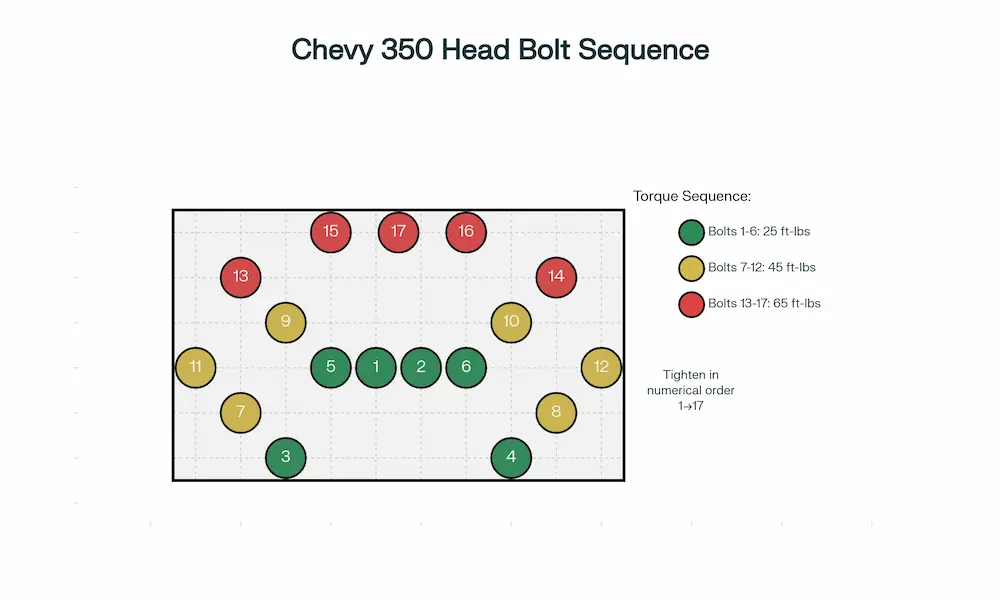
- Cylinder Head Bolts: 65 ft-lbs / 88 N·m
- Main Bearing Cap Bolts: Inner: 70 ft-lbs / 95 N·m; Outer: 65 ft-lbs / 88 N·m
- Connecting Rod Nuts: 20 ft-lbs + 55° (0.006″ bolt stretch preferred)
- Flywheel Bolts: 65-70 ft-lbs / 88-95 N·m
- Crankshaft Balancer Bolt: 63 ft-lbs / 85 N·m
Engine Assembly
- Intake Manifold Bolts: 11 ft-lbs / 15 N·m (final pass)
- Oil Pan Corner Bolts: 15 ft-lbs / 20 N·m
- Oil Pan Side Rail Bolts: 97 in-lbs / 11 N·m
- Water Pump Bolts: 30 ft-lbs / 40 N·m
- Spark Plugs: 15 ft-lbs / 20 N·m (tapered seat)
Following these specifications is essential for proper engine assembly and longevity.
Vehicle Compatibility and Applications
The ZZ4 was designed to be versatile, fitting a wide range of classic GM vehicles. Here’s where it was commonly used:
Recommended Applications
- Classic Chevrolet Muscle Cars: Camaro, Chevelle, Nova, Corvette
- Hot Rods and Street Rods: Universal small-block applications
- Truck Applications: Compatible with 1958-1985 small-block mounting
- Marine Applications: With appropriate marinization
Installation Considerations
One important note: the ZZ4 uses the modern 3.00-inch flywheel bolt pattern (post-1986), which differs from the 3.58-inch pattern used in 1958-1985 small-blocks. This requires specific flywheels or flexplates designed for the one-piece rear main seal configuration.
If you’re installing a ZZ4 in an older vehicle, you’ll need to ensure compatibility with:
- Flywheel/flexplate
- Transmission bellhousing
- Motor mounts
- Exhaust headers
- Accessory drive components
The ZZ4’s Technical Innovations
What made the ZZ4 stand out from standard 350 engines? Several key technological advantages:
Advanced Features for Its Era
- Aluminum Cylinder Heads: Reduced weight and improved heat dissipation compared to iron heads
- Hydraulic Roller Camshaft: Enhanced durability over flat-tappet designs with better valve control
- Forged Steel Crankshaft: Superior strength for high-performance applications
- Modern Piston Technology: Hypereutectic aluminum pistons for reliability and reduced friction
- Improved Head Design: Based on proven L98 Corvette technology with better flow characteristics
These features combined to create an engine that delivered significantly more power than a standard 350 small-block while maintaining excellent street manners and reliability.
Production History and Current Status
The ZZ4 had an impressive production run that demonstrated its popularity and success:
Development Timeline
The ZZ4 was part of GM’s ZZ-series family that began with the ZZZ engine in 1989. The series evolved through ZZ1, ZZ2, ZZ3, and finally the ZZ4, which became the longest-running and most successful variant in the lineup.
Discontinuation
The ZZ4 crate engine was discontinued in 2014 after an 18-year production run. GM replaced it with the ZZ6 engine, which produces 405 horsepower and later variants with fuel injection producing up to 420 horsepower.
Pricing History
During its production run, the ZZ4 typically sold for:
- $2,500-$2,600 new in the early 2000s
- Approximately $5,000-$5,200 by the time of discontinuation
Current market pricing for used ZZ4 engines varies significantly based on condition and mileage.
Break-In and Maintenance Procedures
For those lucky enough to have a ZZ4 or considering purchasing one, proper break-in and maintenance are crucial:
Break-In Procedure
The ZZ4 required specific break-in procedures:
- Initial oil priming before first start
- Gradual load introduction over the first 30 miles
- Varying RPM during break-in to properly seat rings
- Avoiding extended idling during the first few hours of operation
Maintenance Recommendations
- Oil Changes: First change at 500 miles, second at 1,500 miles, then every 3,000-5,000 miles
- Oil Type: Conventional 10W-30 during break-in, synthetic after the second oil change
- Valve Adjustment: Periodic inspection of hydraulic lifter preload
- Carburetor Tuning: Regular inspection and adjustment for optimal performance
- Ignition System: Check and replace spark plugs as needed (typically every 30,000 miles)
ZZ4 Compared to Modern Alternatives
How does the ZZ4 stack up against newer crate engines? While technology has advanced significantly:
The ZZ4 was often called “the 21st century 350” in reference to its improvements over standard small-blocks. Later, when the LS-series engines became dominant, the comparison flipped – with the LS3 producing 430 horsepower for a similar price point. However, the ZZ4’s traditional small-block architecture makes it ideal for classic car applications where maintaining period-correct appearance and simplicity is important.
For many builders, the ZZ4 still represents an ideal compromise – more power than a stock 350, but with traditional small-block styling and simpler maintenance requirements than modern LS engines.
The ZZ4 Legacy
Despite being discontinued, the ZZ4 established itself as a benchmark for factory high-performance engines. It offered enthusiasts a reliable, warrantied powerplant that delivered genuine performance gains over stock engines without requiring extensive modifications.
While no longer in production, the ZZ4’s influence on the crate engine market and its popularity among restoration builders ensures its legacy as one of the most significant small-block V8 engines of the modern era. For many Chevrolet enthusiasts, it remains the ideal blend of classic small-block character with modern performance enhancements.
Whether you’re restoring a classic Chevy, building a street rod, or just appreciating American V8 history, the ZZ4 crate engine stands as a high-water mark in GM’s performance engine lineup.