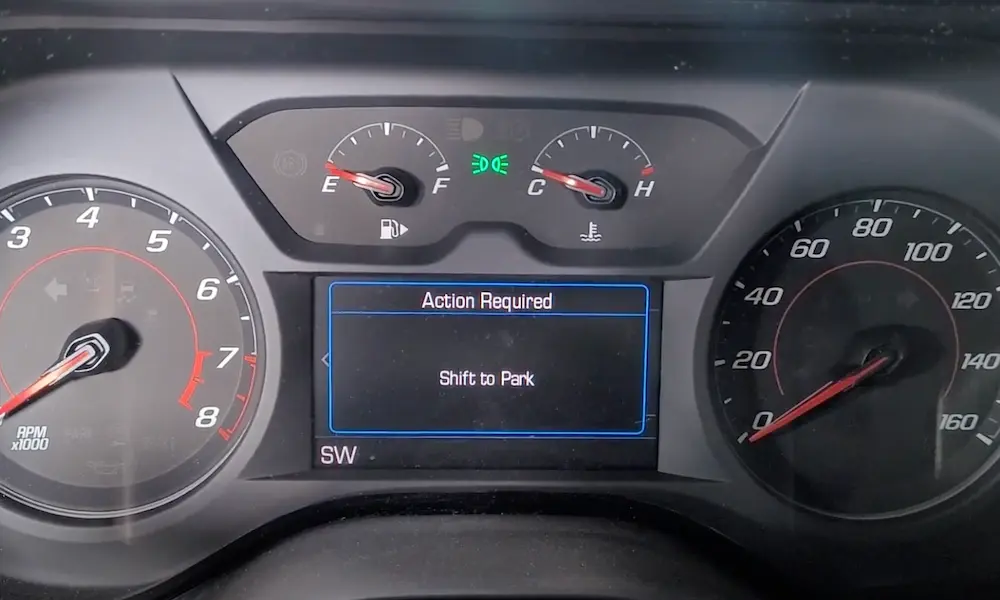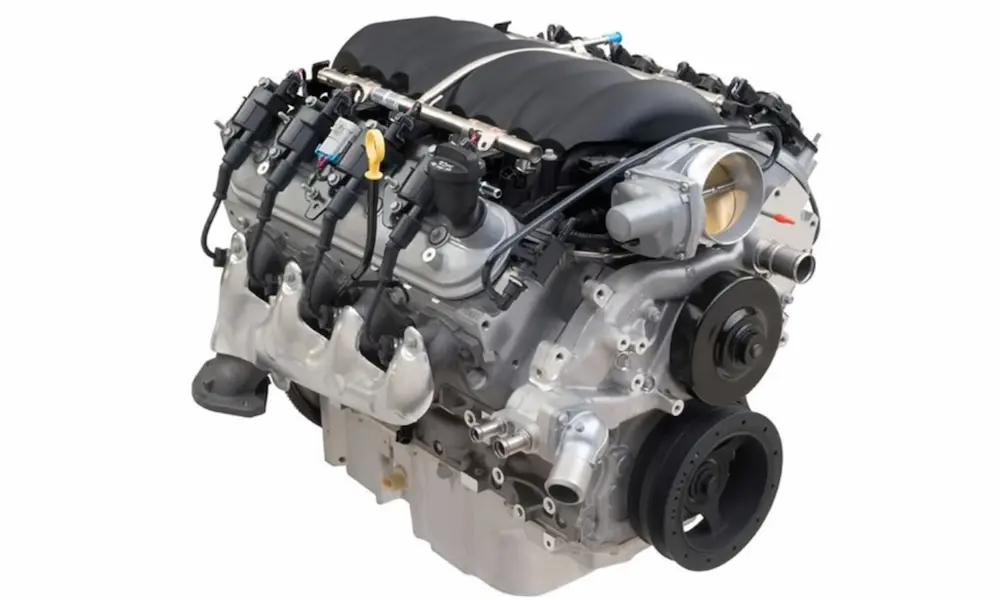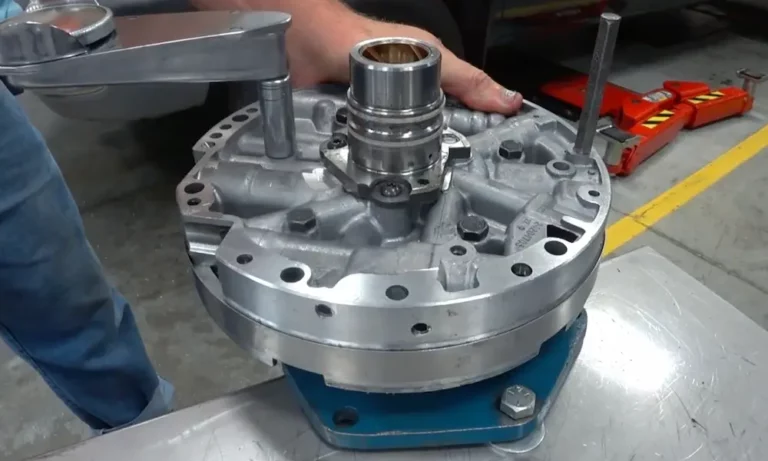
If your 4L60E is slipping, losing gears, or you’re pushing more power than the factory ever planned for, you’re in the right place. This guide covers every upgrade worth doing — from cheap fixes to full race builds — so you can stop guessing and start building.
What Is the 4L60E and Why Does It Need Upgrading?
The 4L60E is GM’s four-speed overdrive automatic, used in everything from the Chevy Silverado and Tahoe to the Corvette and Camaro. It evolved from the 700R4, and the “E” means it ditched the old throttle cable for electronic solenoids controlled by your PCM.
That’s the good news. The bad news? The factory unit tops out around 360 lb-ft of torque, which sounds decent until you drop an LS engine in it and start making real power.
Here’s a quick look at how the 4L60E compares to its predecessor:
| Feature | 700R4 / 4L60 | 4L60E |
|---|---|---|
| Control Mechanism | Hydraulic / TV Cable | Electronic / Solenoid |
| Shift Timing | Governor-based | PCM-based |
| Gear Ratios | 3.06, 1.63, 1.00, 0.70 | 3.06, 1.63, 1.00, 0.70 |
| Bellhousing | Integrated | Removable (most units) |
The architecture is solid. The factory parts? Not always.
The Most Common 4L60E Failure Points You Need to Know
Before you start buying parts, know what breaks first. Most 4L60E failures aren’t random — they follow a predictable pattern.
The 3-4 Clutch Pack Burns Up First
This is the 4L60E’s most notorious weak spot. The factory uses six friction plates and five steel plates crammed into a tight input drum. Under hard towing or high-torque loads, those thin plates can’t shed heat fast enough. The friction material delaminates, the steel plates “cone,” and you lose third and fourth gear.
Worn 3-4 piston seals make it worse — apply pressure bleeds past the piston instead of clamping the clutches. The result is a nasty “flare” on the 2-3 shift that most people ignore until the damage is done.
The Sun Shell Cracks and Kills Reverse
The factory sun shell is stamped steel, and it fractures at the hub where it meets the sun gear. Lose your sun shell and you lose second, fourth, and reverse all at once — leaving you with only first and third. High-RPM downshifts and heavy launch loads accelerate this failure dramatically.
The Valve Body Wears Out Over Time
The aluminum valve body bores wear from constant steel valve movement. The TCC regulator valve bore is especially vulnerable. As it wears, you get DTC P1870 or P0894, erratic shifts, and a converter that shudders instead of locking clean.
Here’s a quick symptom-to-cause reference:
| Symptom | Probable Cause | Fix |
|---|---|---|
| No 3rd or 4th Gear | 3-4 Clutch Burnout | More clutch plates, high-energy frictions |
| No 2nd, 4th, or Reverse | Broken Sun Shell | Upgrade to “The Beast” or SmartShell |
| Harsh 1-2 Shift | Cracked 1-2 Accumulator Piston | Replace plastic piston with aluminum |
| TCC Shudder / Code P1870 | Worn TCC Regulator Bore | Ream bore, install oversized Sonnax valve |
| Slow Reverse Engagement | Low Line Pressure / Worn Boost Valve | Install 0.500″ boost valve |
4L60E Transmission Upgrades: Clutch Pack and Friction Material
This is where most performance builds start, and for good reason.
Increase the 3-4 Clutch Count
Moving from six plates to eight high-energy carbon composite frictions is the single most impactful internal upgrade you can make. Brands like Raybestos GPZ and Alto Red Eagle offer higher frictional coefficients than OEM frictions — meaning they grip harder with less hydraulic pressure and handle heat without glazing.
Nine-plate stacks exist for racing builds, but the thinner steels required actually reduce heat absorption. Eight plates with quality frictions is the sweet spot for most street and strip builds.
Upgrade the 2-4 Band and Servo
The 2-4 band handles second and fourth gear clamping. The factory band is narrow and gets overwhelmed quickly. An Alto Red Eagle wide band adds roughly 20% more surface area for a stronger grip.
Pair it with the right servo:
- Corvette servo — The best entry-level upgrade. More apply area than the stock truck servo, much firmer 1-2 shift
- Billet Super Servo — Adds 18–40% more apply area over the Corvette unit. Required for builds over 450 hp
Reinforce the Input Drum
Under high line pressure, the aluminum input drum flexes and causes uneven clutch apply. A reinforcement sleeve pressed onto the drum hub stops it from splitting. The Sonnax Smart-Tech Input Housing takes it further — it replaces the factory backing plate with a heavy-duty bolt-on unit that completely eliminates flex and allows a thicker backing plate behind the 3-4 pack.
Hard Part Upgrades: Where the Real Strength Comes From
Frictional upgrades only go so far. Past 450–500 hp, the structural parts start to give out.
Replace the Sun Shell — No Exceptions
This is the most important hard part upgrade in any 4L60E build. The aftermarket “Beast” sun shell features a thicker, heat-treated hub that won’t fracture like the factory unit. The Sonnax SmartShell goes even further — it swaps the friction-producing thrust washer for a Torrington bearing, cutting parasitic drag and heat while providing a bombproof foundation for high-RPM builds.
Upgrade the Planetary Gearsets
The stock 4L60E runs four-pinion planetary gearsets. The 4L65E and 4L70E use five-pinion planets, which spread torque across more contact area — roughly 20% more strength. These carriers drop right into a 4L60E case. For most street builds under 600 hp, quality four-pinion planets hold up fine. For drag racing or heavy trucks, go five-pinion.
Go 300M Steel on the Shafts
In high-traction environments — slicks, AWD launches, heavy 4WD — the stock input and output shafts can twist or snap cleanly. 300M high-strength alloy steel shafts are vacuum-melted and shot-peened to eliminate surface stress risers. They’re mandatory for any build targeting 600 hp or more.
| Component | Stock Material | Performance Upgrade |
|---|---|---|
| Input Shaft | Standard Steel | 300M Billet Steel |
| Output Shaft | Standard Steel | 300M Billet Steel |
| Sun Shell | Stamped Steel | Hardened Billet / “The Beast” |
| Planetary Carriers | 4-Pinion Iron | 5-Pinion Hardened |
Hydraulic Upgrades: Line Pressure and Valve Body Work
Strong parts mean nothing if your hydraulics can’t apply them properly.
Install an Oversized Boost Valve
Line pressure is what clamps your clutches. A TransGo or Sonnax 0.500″ boost valve raises available line pressure to ensure the clutches stay clamped during wide-open throttle. Target max line pressure for a performance build is 210–225 PSI at WOT. Go too low and clutches burn. Go too high and you’re cracking drums or deforming pistons.
Use a Quality Shift Kit
A TransGo HD2 or Sonnax Performance Pack does more than firm up shifts. These kits:
- Replace accumulator springs with firmer, calibrated units for crisp, controlled engagement
- Enlarge separator plate orifices for faster fluid delivery to second and third gear circuits
- Swap steel checkballs for Torlon plastic to stop the balls from wearing through separator plate holes over time
Fix the TCC System the Right Way
The factory PWM torque converter clutch system allows 20–40 RPM of continuous slip to dampen vibrations. That slip generates heat. Many builders block the TCC regulator valve to get a clean on/off lockup, but full line pressure apply can crack the TCC piston. The smarter move is the Sonnax TCC Pressure Limiter — it eliminates PWM slip but caps apply pressure around 100 PSI, protecting the piston without the harsh lockup slam.
Thermal Management: Keeping Your 4L60E Alive Under Load
Heat cuts transmission life in half for every significant temperature rise above the optimal operating range. This isn’t optional — it’s survival.
Add an External Transmission Cooler
The factory cooler routed through the radiator isn’t enough for performance or towing. Your options:
- Tube and fin coolers — Cheap but inefficient. Skip them for serious builds
- Stacked plate coolers — The Tru-Cool 40k or B&M Hi-Tek provide massive heat rejection. These are what performance builders actually use
- Thermostatic bypass — Lets fluid warm up to operating temperature before hitting the cooler. Cold fluid shifts poorly and wastes efficiency
Swap the Pan for Cast Aluminum
A deep cast-aluminum transmission pan does three things at once. It dissipates heat faster than stamped steel, adds 2–4 quarts of fluid capacity to slow temperature rise, and braces the transmission case against torque flex under LS power. Pair it with high-quality synthetic ATF to maintain protection when temps climb.
Picking the Right Torque Converter for Your 4L60E Build
The converter is the link between your engine and your transmission. Get the stall speed wrong and the whole build underperforms.
Match Stall Speed to Your Cam
- Towing / Daily driver: 1,800–2,200 RPM stall. Keeps low-end torque intact and runs cool
- Performance street: 2,400–2,800 RPM. Gets you into the power band quicker without punishing heat
- Strip / Race: 3,200–4,000+ RPM. Launches hard but generates serious heat — auxiliary cooling is non-negotiable
Features That Actually Matter
Don’t cheap out on the converter itself. Look for:
- Furnace-brazed fins — Stops internal fins from bending under high fluid pressure
- Anti-ballooning plates — Prevents housing expansion that damages engine thrust bearings
- Billet cover and clutches — Handles the higher apply pressures from your upgraded hydraulic system
Electronic Tuning: The 4L60E Won’t Perform Without It
Even the best mechanical build fails if the PCM is fighting you.
HP Tuners for Factory GM PCMs
HP Tuners lets you modify:
- Line pressure tables — Match clamping force to actual engine torque output
- Shift timing and speed — Keep the engine in its peak power band through every gear
- Torque management — The factory pulls ignition timing during shifts to protect the transmission. Don’t delete it entirely; reducing it by 50% gives you a more aggressive feel without destroying rotating assembly life
Standalone TCUs for LS Swaps
Running the 4L60E in an older vehicle or non-GM platform? You’ll need a standalone TCU.
- HGM CompuShift — Bluetooth integration, tune from your phone, well-respected for easy install
- US Shift Quick 4 — Multiple switchable shift maps for street and track modes, known for precision
Pre-Built Options: Performance 4L60E Units Worth Buying
If you’d rather buy a finished unit than build one, these suppliers lead the market.
- Monster Transmission SportMonster / TrackMonster — Five-pinion planets and “The Beast” sun shell standard on performance tiers
- PerformaBuilt Level 2 Pro Race — Rated to 700 hp, proprietary valve body mods, baked enamel finish for thermal management
- Gearstar — Custom high-end builds dyno-tested with the torque converter as a matched package
Choosing Your Upgrade Path Based on Power Level
Not every 4L60E needs a full race build. Match your upgrades to your actual power goals:
Under 500 hp — Street Build:
- 8-plate 3-4 clutch pack with Alto Red Eagle or Raybestos GPZ frictions
- “The Beast” sun shell
- Corvette servo + wide band
- Boost valve + shift kit
- Stacked plate cooler + deep aluminum pan
500–700 hp — Performance Build:
Everything above, plus:
- Five-pinion planetary gearsets
- Sonnax Smart-Tech input housing
- Billet TCC modification or Sonnax TCC Pressure Limiter
- HP Tuners calibration or standalone TCU
- Custom matched torque converter
700+ hp — Race Build:
Everything above, plus:
- 300M billet input and output shafts
- Sonnax SmartShell
- Super Servo
- Full valve body remanufacture with oversized bore sleeves
- High-capacity auxiliary cooler with thermostatic bypass
The 4L60E has real factory limitations — but it also has one of the deepest aftermarket support ecosystems of any automatic transmission ever built. With the right combination of clutch upgrades, structural hard parts, hydraulic tuning, and proper cooling, this transmission handles serious power and keeps delivering it for a long time. Pick your power level, build to match it, and stop burning up clutches.