Trying to figure out which 6.7 Cummins year actually makes the most power? Or maybe you’re shopping used trucks and need to know exactly what you’re getting under the hood. Either way, you’re in the right place. This guide breaks down every generation of 6.7 Cummins hp and torque numbers, what changed, and why it matters for your wallet and your trailer.
Why the 6.7 Cummins Became a Diesel Legend
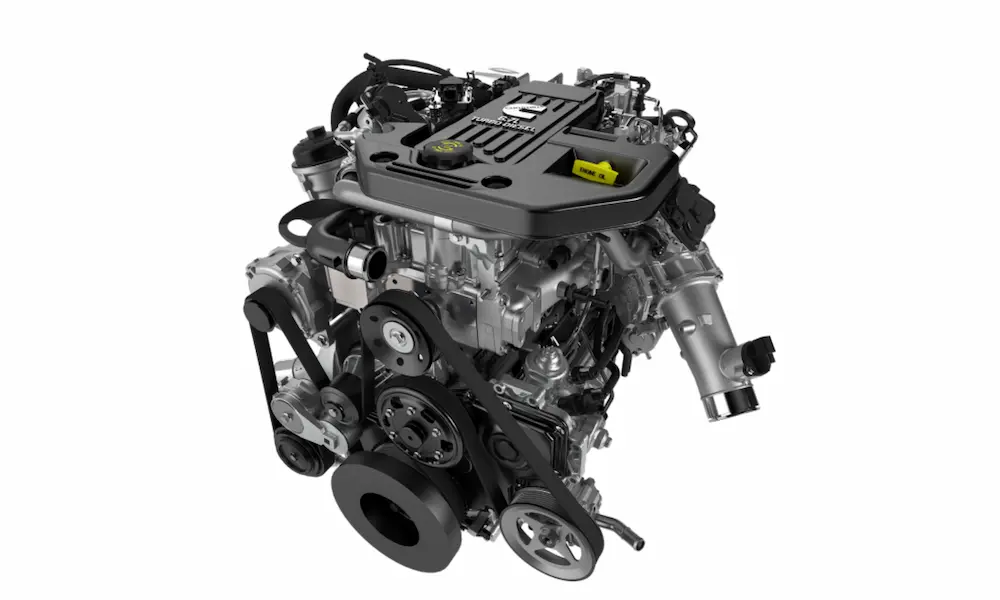
The 6.7-liter Cummins didn’t start as a performance engine. It launched in mid-2007 as a clean-sheet design built purely to satisfy strict new EPA emissions rules. The old 5.9-liter platform simply couldn’t handle the new exhaust hardware without falling apart thermally.
What started at 350 hp and 650 lb-ft of torque has grown into something remarkable. The 2025 High Output version now pushes 430 hp and 1,075 lb-ft of torque. That’s not just impressive — it’s the most torque ever offered in a factory consumer pickup truck.
Here’s the complete picture of every generation.
6.7 Cummins HP and Torque by Year: Full Breakdown
| Generation | Model Years | Peak HP | Peak Torque (lb-ft) | Key Change |
|---|---|---|---|---|
| First Gen | 2007.5–2010 | 350 | 610–650 | VGT turbo, DPF introduced |
| Second Gen | 2011–2012 | 350 | 800 | Tuning focused purely on torque |
| Third Gen | 2013–2018 | 385 | 850–930 | SCR added, Aisin transmission unlocked HO |
| Fourth Gen | 2019–2020 | 400 | 1,000 | CGI block, first to crack 1,000 lb-ft |
| Fifth Gen | 2021–2024 | 420 | 1,075 | CP3 pump returns, glow plugs added |
| Sixth Gen | 2025–2026 | 430 | 1,075 | 8-speed ZF trans, 32,000 PSI fuel pressure |
First Generation (2007.5–2010): Built for Compliance, Not Glory
The first 6.7 Cummins delivered 350 hp and 650 lb-ft of torque with an automatic transmission. Pair it with the manual gearbox and torque dropped to 610 lb-ft — the clutch couldn’t handle more.
Three big technologies debuted here:
- Variable geometry turbocharger (VGT): The Holset HE351VE adjusts internally to eliminate lag at low RPM and act as an exhaust brake under load
- Diesel particulate filter (DPF): Physically traps soot before it exits the exhaust
- Exhaust gas recirculation (EGR): Lowers combustion temps to cut nitrogen oxide emissions
Early 2007.5 and 2008 models had real teething problems. Injector failures, valve seat wear, and DPF clogging were common complaints. If you’re buying one of these used, go in with eyes wide open.
Second Generation (2011–2012): Torque Takes Priority
Cummins made a smart call here. Instead of chasing horsepower, engineers focused on what actually pulls trailers — torque. Horsepower stayed flat at 350, but torque jumped 23% to 800 lb-ft.
No new hardware caused this. Better fuel calibration and smarter electronic tuning did all the work. These two model years are genuinely prized on the used market because they make massive low-end pull without the complexity of diesel exhaust fluid systems introduced later.
If you haul horses, heavy equipment, or a 5th wheel regularly, a 2011 or 2012 deserves serious consideration.
Third Generation (2013–2018): Selective Catalytic Reduction Changes Everything
This is the generation where 6.7 Cummins hp and torque numbers started getting serious. Selective catalytic reduction (SCR) arrived, treating nitrogen oxides in the exhaust pipe rather than inside the combustion chamber. That freed engineers to optimize combustion for power instead of detuning it for temperature control.
The results:
- Standard Output: 385 hp / 850 lb-ft
- High Output: up to 930 lb-ft (with Aisin AS69RC transmission)
The commercial-grade Aisin AS69RC transmission became mandatory to access High Output calibration. Its 12.2-inch torque converter could handle what the Chrysler 68RFE simply couldn’t.
One downside: you now need to keep diesel exhaust fluid (DEF) topped up. Run out and the truck will derate power until you refill it.
Fourth Generation (2019–2020): Breaking the 1,000 lb-ft Barrier
Ram redesigned its heavy-duty trucks in 2019, and Cummins matched it with the most significant internal overhaul the 6.7 ever received.
The biggest change? A switch from gray cast iron to a Compacted Graphite Iron (CGI) block. CGI features an interconnected graphite structure that’s dramatically stronger than standard gray iron. Engineers thinned the block walls, shed roughly 60 pounds, and ended up with a block that handles more cylinder pressure than ever before.
The outcome: 400 hp and 1,000 lb-ft of torque — the first factory consumer pickup truck in US history to crack four digits on torque. That’s not marketing. That’s a genuine engineering milestone.
Fifth Generation (2021–2024): Reliability Gets Locked In
With the structural foundation sorted, this generation focused on dependability. Two key changes stand out:
1. The CP3 fuel pump returned. The previous CP4 high-pressure pump proved catastrophic when exposed to low-lubricity fuel, which is unfortunately common in some US regions. The CP3 pump is famously tough. Its return was widely celebrated in the diesel community.
2. Individual cylinder glow plugs replaced the flat intake grid heater. Cold-weather starts became noticeably more reliable, especially in northern states where temperatures drop well below zero.
Peak output: 420 hp and 1,075 lb-ft of torque on High Output trim. Standard Output stayed at 370 hp and 850 lb-ft.
Sixth Generation (2025–2026): One Engine, Maximum Power
For 2025, Ram made a bold move — they dropped the Standard Output entirely. The High Output 6.7 Cummins is now the only diesel option in the heavy-duty lineup.
Numbers: 430 hp and 1,075 lb-ft of torque.
The engineering behind the extra horsepower:
- 32,000 PSI fuel injection pressure — 3,000 PSI more than previous generations, producing near-perfect fuel atomization
- New aluminum intake manifold for improved airflow
- ZF 8AP1075 TorqueFlite HD 8-speed automatic transmission as standard equipment
That 8-speed transmission matters more than people realize. It keeps the engine sitting right in its peak torque band around 1,800 RPM at all times. On a steep grade with a loaded trailer, you stop feeling the engine hunt for gears. The 2025 Ram 3500 now tows up to 37,090 pounds in gooseneck configuration.
The Inline-Six Advantage: Why These Torque Numbers Work
You might wonder why the Cummins makes so much usable torque while competitors chase horsepower with V8s. The answer lives in basic physics.
The 6.7-liter engine runs a 4.88-inch piston stroke — significantly longer than most V8 diesels. A longer stroke puts the connecting rod journal further from the crankshaft centerline. When combustion pressure pushes the piston down, it applies force through a longer lever arm. More leverage equals more torque.
The payoff: the 6.7 Cummins hits peak torque at just 1,800 RPM — barely off idle. That low operating speed dramatically reduces internal friction, heat, and wear cycles. Fleet operators routinely see 300,000 to 500,000 miles of service life as a result.
Cummins vs. the Competition
| Spec | Ram 6.7L Cummins | GM 6.6L Duramax (L5P) | Ford 6.7L Power Stroke |
|---|---|---|---|
| Architecture | Inline-Six | V8 | V8 |
| Peak HP | 430 | 470 | 500 |
| Peak Torque | 1,075 lb-ft | 975 lb-ft | 1,200 lb-ft |
| Torque Peak RPM | ~1,800 | ~1,600 | ~1,600 |
| Max Tow Capacity | ~37,090 lbs | ~36,000 lbs | ~40,000 lbs |
The Duramax and Power Stroke both produce more horsepower. Empty-truck acceleration goes to Ford and GM.
But when you hook up a 30,000-pound trailer and start climbing a grade, the Cummins’ off-idle torque surge matters far more than peak horsepower. The engine pulls smoothly without hunting through gears, thermal stress stays manageable, and the drivetrain works less hard per mile. For dedicated heavy haulers, that’s the argument that wins.
Critical Maintenance: What Actually Keeps These Numbers Up
High output means nothing if the engine runs poorly at 150,000 miles. Two maintenance items matter more than anything else.
The Crankcase Ventilation (CCV) Filter
The CCV filter sits atop the engine beneath the valve cover. It separates oil mist from blowby gases and routes clean air back into the intake. When it clogs, crankcase pressure spikes and forces oil past turbo seals and gaskets.
| Usage Profile | Replacement Interval | Warning Signs |
|---|---|---|
| Normal highway driving | Every 67,500–75,000 miles | “Perform Service” dashboard message |
| Heavy continuous towing | Every 30,000–40,000 miles | Oily film around turbo inlet |
| Prolonged idling/jobsite use | Every 30,000–40,000 miles | Unexplained oil consumption |
| High dust environments | Every 30,000–40,000 miles | Oil seeping around valve cover |
Don’t skip this one. A $40 filter protects a $10,000+ turbocharger.
Fuel Filter Service
At 32,000 PSI injection pressure, contaminated fuel destroys injectors fast. The 6.7 Cummins uses a dual-filter system — one frame-mounted water separator and one engine-block filter for fine particulate removal. When the dashboard shows “Service Fuel Filter,” change it promptly. Ignore it long enough and the ECM forces limp mode to protect the injection pump.
Aftermarket Tuning: What’s Realistic
The factory Cummins leaves significant power untapped to stay emissions-compliant. The aftermarket reflects that reality.
| Tune Profile | Typical HP Gain | Typical Torque Gain | Best Use |
|---|---|---|---|
| Heavy Tow | +20 hp | +36 lb-ft | Heavy trailers, manages exhaust temps, stock trans safe |
| Street/Daily | +80 hp | +144 lb-ft | Responsive daily driving, light towing under 8,000 lbs |
| Sport/Extreme | +100–130 hp | +180–200 lb-ft | Maximum acceleration, NOT for heavy towing |
A sport tune on a tow rig will cook your transmission clutch packs. If you want to push power significantly, budget for a Stage 2 transmission build alongside the tune. Skipping that step is expensive — usually thousands in transmission repairs.
A cold air intake adds modest gains on its own (5–10 hp), but it meaningfully reduces turbo spool time, cuts intake temps, and improves fuel economy by 1–2 MPG. It’s a solid first step before any tuning.
FAQs
How does the 6.7 Cummins hold its value compared to competitors?
Very well. The inline-six architecture and 300,000–500,000 mile service life reputation keep Ram diesel trucks commanding strong premiums in the used market — often more than comparable gas trucks and several diesel competitors.
Why do chassis cab versions make less power than consumer pickups?
Chassis cabs spend more time at sustained maximum weight. The factory dials back output — a 2019 chassis cab rates at 360 hp and 800 lb-ft versus 400 hp and 1,000 lb-ft in consumer trucks — to manage heat buildup and protect the entire drivetrain during prolonged heavy work.
Does the 6.7 Cummins appear in non-truck applications?
Yes. The 6.7-liter platform runs in marine, agricultural, and industrial equipment. In underground mining applications it’s detuned to as low as 175 hp to minimize exhaust heat and emissions in confined spaces.
Which early model years should used buyers avoid?
The 2007.5 and 2008 model years had notable issues — injector failures, valve seat problems, DPF clogging, and variable geometry turbo actuator failures from soot buildup. They’re not impossible to own, but budget for potential repairs and inspect them carefully before buying.
What transmission do I need for the High Output Cummins?
From 2013 to 2024, the Aisin AS69RC was mandatory for High Output calibration. From 2025 onward, the new ZF 8-speed TorqueFlite HD handles it standard across the board.