Is your Acura MDX alarm constantly waking up the neighborhood? You’re trying to enjoy your luxury SUV, not become the local noise nuisance. Random alarm triggers aren’t just annoying—they drain your battery and might indicate deeper issues with your vehicle.
Common Causes of Random Acura MDX Alarm Activation
When your MDX alarm blares without reason, several culprits could be responsible. Let’s tackle the most common issues first.
Faulty Hood Latch Sensor
The hood latch sensor is often the primary troublemaker. This small component detects whether your hood is properly closed, and when it fails, your alarm thinks someone’s tampering with your engine.
Hood sensors in MDX models (especially 2014-2020) are prone to contamination from road debris and moisture. Over time, corrosion forms on the contacts, sending false “open” signals to your alarm system.
To check if this is your problem:
- Pop your hood and locate the sensor near the latch mechanism
- Look for visible corrosion or damage
- Clean the contacts with electrical contact cleaner
- If problems persist, you’ll likely need a replacement sensor (part #74120-TZ5-A03)
Many MDX owners have confirmed that replacing this single part—costing between $80-300 with labor—solved their persistent alarm issues.
Malfunctioning Door or Trunk Switches
Each door and your trunk contains a switch that tells your vehicle when they’re open or closed. When these switches fail, your car thinks a door is ajar even when everything’s firmly shut.
Test your door switches by:
- Opening and closing each door while watching your dome light
- If the light doesn’t respond correctly, that door’s switch may be faulty
- Apply some dielectric grease to clean and lubricate the contacts
Door switch problems typically happen after years of use or in vehicles regularly exposed to dusty conditions.
Keyless Control Module Issues
Your MDX’s keyless access system relies on a sophisticated control module that manages communication between your key fob and the vehicle. Internal failures here can trigger random alarms.
Signs of a keyless control module problem include:
- Multiple electrical glitches beyond just the alarm
- Key fob works intermittently
- Door locks activate randomly
Unfortunately, fixing this requires dealer-level diagnostics using Honda HDS tools to retrieve security trigger histories. Replacement modules cost around $1,000 plus labor because they must be properly programmed to your vehicle’s immobilizer system.
Battery and Electrical System Problems
Your alarm system is highly sensitive to electrical fluctuations. When voltage drops or spikes, false alarms often follow.
Low Battery Voltage
A weakening battery (reading below 12.4V) can’t maintain the stable power your alarm system needs. This commonly happens in MDXs that:
- Are driven infrequently
- Are older than 3-4 years
- Experience extreme temperatures
Check your battery with a multimeter and consider replacement if it’s weak. Remember to also test your alternator’s output (should be 13.8-14.2V while running) since charging problems can mimic battery issues.
Parasitic Draws
Some MDX components can drain excessive power when the vehicle is off. The Hands-Free Link unit is a known culprit, drawing up to 250mA when it should only use about 50mA.
To check for parasitic draw:
- Let your vehicle sit undisturbed for 10+ minutes
- Use an ammeter between the battery negative terminal and cable
- Reading should be under 50mA
- Higher readings indicate something’s staying active when it shouldn’t be
Key Fob Battery Issues
That small CR2032 battery in your key fob can cause big problems when it’s dying. A weak fob battery sends inconsistent signals that confuse your alarm system.
Replace your key fob battery annually as preventative maintenance—they’re inexpensive and easy to change yourself.
Environmental Factors Triggering Your Alarm
Sometimes the problem isn’t a malfunction but rather environmental conditions tricking your sensors.
Vibration and Weather Sensitivity
Heavy storms, high winds, or even trucks passing by can vibrate your MDX enough to trigger sensitive alarm sensors. This is particularly common with aging vehicles where components have loosened over time.
The hood sensor is especially vulnerable to environmental factors, as slight hood movement during windy conditions can register as tampering attempts.
Temperature Extremes
Both extreme cold and heat can affect your MDX’s electronics. Cold weather makes batteries less efficient, while heat can cause expansion and contraction of components that disrupt electrical connections.
Parking in a garage whenever possible shields your vehicle from these temperature fluctuations.
Important Recalls and Technical Service Bulletins
Acura has acknowledged some alarm-related issues through official channels. Check if these apply to your MDX:
Hood Latch Recall (2021)
This recall affected 2016-2019 MDX models and involved replacing hood latches with redesigned parts to prevent premature wear that could trigger alarms.
Tailgate Light Harness Recall
For 2014-2020 MDXs, moisture-related electrical faults in the tailgate wiring can cause various issues, including alarm malfunctions. Check the Acura recall website with your VIN to see if your vehicle qualifies for this repair.
Quick Fixes vs. Permanent Solutions
When your alarm won’t stop, you need both immediate relief and a long-term plan.
Temporary Relief Measures
To immediately silence an active alarm:
- Use your key fob to lock and unlock the vehicle
- Start the engine (this usually resets the alarm system)
- If all else fails, pull fuse #11 (15A horn fuse) from the engine compartment fuse box
For overnight peace:
- Disconnect the negative battery terminal (this resets all systems but also erases radio presets and some adaptive learning)
- Use the physical key to lock doors without arming the alarm (insert key and turn clockwise twice)
DIY Diagnostic Table
| Component | DIY Test | Replacement Cost | Difficulty |
|---|---|---|---|
| Hood sensor | Visual inspection; test continuity | $80-300 | Moderate |
| Door switches | Test with dome light response | $60-150 per door | Easy-Moderate |
| Battery | Voltage test (should be >12.4V) | $150-250 | Easy |
| Key fob battery | Replace with new CR2032 | $5 | Very Easy |
| Keyless module | Not DIY testable | $1,000+ | Dealer only |
Long-term Solutions
For permanent fixes:
- Follow a systematic approach—start with the most common causes (hood sensor, battery issues)
- Document when alarms occur to identify patterns
- For persistent issues, have a dealer scan your security system with professional tools
- Only use OEM replacement parts for security components
Preventative Maintenance to Avoid Future Alarms
An ounce of prevention is worth a pound of cure—especially when it comes to car alarms.
Regular Electrical System Checks
Once yearly:
- Test battery voltage and condition
- Clean battery terminals and connections
- Check alternator output
- Inspect and clean hood latch and sensor contacts
Software Updates
Acura periodically releases software updates for vehicle control modules. These updates can resolve known bugs affecting alarm system behavior.
Ask your dealer at each service interval if any control module updates are available for your MDX.
Keep Your Acura Connected
For newer MDXs with AcuraLink:
- Ensure your software is current
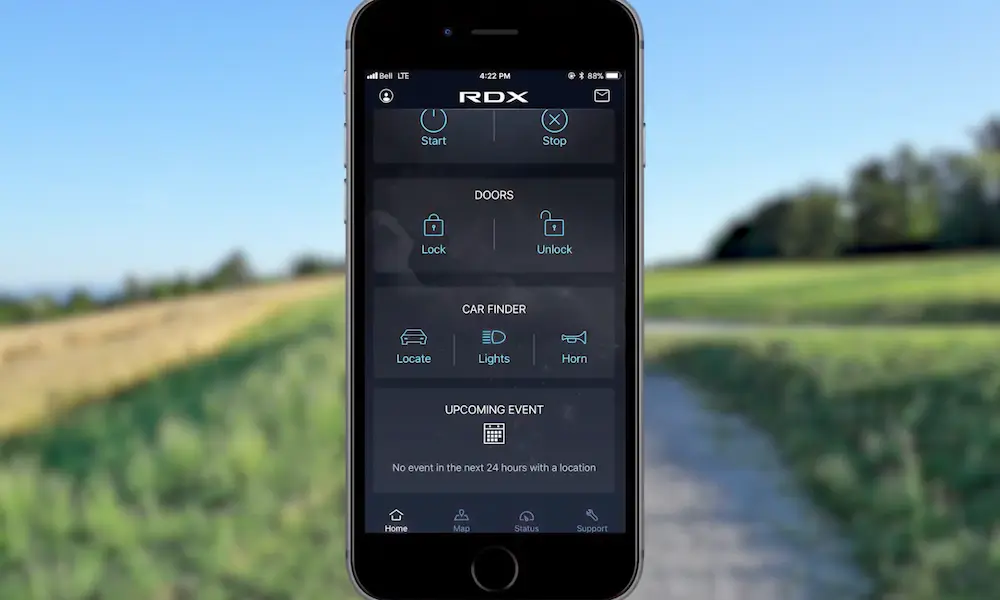
- Use the mobile app to monitor vehicle status
- Some alarm triggers can be diagnosed and even reset remotely
When Nothing Else Works: System Reset Procedures
If you’ve tried everything and your alarm still misbehaves, these reset procedures often work as a last resort.
Complete Electronic Reset
- Disconnect the negative battery terminal
- Press and hold the brake pedal for 30 seconds (discharges capacitors)
- Wait 15 minutes
- Reconnect the battery
- Perform the idle relearn procedure:
- Start the engine
- Let idle for 10 minutes with all accessories off
- Drive normally for several short trips
This process resets all electronic modules to factory defaults and often resolves persistent electrical gremlins.
Professional Diagnostic Approach
When all else fails, professional diagnostics are worth the cost:
- Dealerships have access to Acura-specific diagnostic equipment
- They can retrieve alarm trigger histories not accessible with generic scan tools
- Factory-trained technicians recognize patterns in MDX alarm problems
- Complex issues like keyless control module failures require dealer-level programming
By addressing your MDX alarm issues systematically—starting with the most common causes before moving to complex solutions—you’ll silence that annoying alarm for good and restore peace to your driveway and neighborhood.
Remember that random alarm activation is rarely normal and almost always indicates an underlying issue that should be addressed before it leads to more significant problems or compromises your vehicle’s security.