Is your Acura MDX refusing to start? That frustrating moment when you turn the key (or press the button) and nothing happens is something no driver wants to experience. Whether you’re late for work or stuck in a parking lot with groceries melting in the trunk, a non-starting MDX needs quick attention. The good news? Many common starting issues have straightforward solutions you can tackle yourself.
Dead or Weak Battery: The Number One Culprit
When your MDX won’t start, the battery is usually the first suspect. It’s the most common cause of starting problems in Acura vehicles.
Signs Your Battery Is the Problem
- The engine turns over slowly or doesn’t turn at all
- Dashboard lights flicker or dim when trying to start
- You hear a clicking sound when turning the key
- Electronics work (lights, radio) but the engine won’t crank
A healthy battery should read about 12.6 volts when the engine is off and around 14 volts when running. If your battery is older than 3-5 years, it’s likely reaching the end of its lifespan.
Quick Battery Fixes
- Check the battery terminals for corrosion (white or greenish powder). Clean them with a mixture of baking soda and water if corrosion is present.
- Make sure connections are tight. Loose terminals are a common and easily fixable issue.
- If you have a multimeter, check the battery voltage. Readings below 12.4V indicate a charge is needed.
Battery problems are so common that RepairPal confirms it’s the first thing to check when an MDX won’t start.
Starter Motor Failures
If your battery checks out fine but your MDX still won’t start, the starter motor might be your problem.
How to Tell If It’s Your Starter
- You hear a single click (not multiple clicks) when turning the key
- Grinding noises occur when attempting to start
- Dashboard lights work normally, but there’s no engine cranking
Starter issues are particularly common in older MDX models. A failing starter solenoid often makes a single, solid click sound rather than the rapid clicking associated with battery issues.
According to YouTube diagnostic videos, rebuilt aftermarket starters for Acura vehicles often fail prematurely. If replacement is needed, consider spending a bit more for an OEM part from Acura or a high-quality remanufactured unit.
Immobilizer System Going Haywire
The MDX’s anti-theft immobilizer system can sometimes prevent your vehicle from starting even when nothing is actually wrong.
Immobilizer Warning Signs
- A green key-shaped light flashes on your dashboard
- The engine cranks normally but won’t start or keep running
- Starting problems come and go intermittently
The immobilizer system is designed to prevent theft by disabling the fuel system when it doesn’t recognize your key. However, several things can confuse this system.
Fixing Immobilizer Issues
- Remove any decorative key rings or objects near the ignition switch
- Check for corroded wiring connections, especially behind the left kick panel
- Try your spare key (if you have one)
- Replace the battery in your key fob
An especially helpful troubleshooting video shows that corroded wiring connections in the steering column are a common cause of intermittent immobilizer problems.
PGM-FI Main Relay Problems
The PGM-FI (Programmed Fuel Injection) main relay controls your MDX’s fuel pump and is a known weak point in Honda/Acura vehicles.
Signs of a Faulty Fuel Pump Relay
- Intermittent no-start conditions
- Engine starts but then stalls immediately
- No humming sound from the fuel pump when you turn the key to ON
Located under the dashboard, this relay often develops cracked solder joints over time due to heat cycling. According to expert repair videos, the relay can sometimes be repaired by resoldering the connections rather than replacing the entire unit.
Fuel Pump Issues
Your MDX needs fuel to start, and a failing fuel pump can prevent that from happening.
Fuel Pump Warning Signs
- Engine hesitates or stalls while driving
- Difficulty starting after the vehicle sits for a while
- Check engine light is illuminated
Important safety note: Certain 2016-2020 MDX models are subject to a fuel pump recall due to defective Denso pumps. Information from NHTSA confirms this is a serious safety issue that can cause stalling while driving. If your MDX falls within this range, contact your Acura dealer immediately.
Alternator Failure
While the alternator doesn’t directly prevent starting, a bad alternator can drain your battery, creating starting problems.
Alternator Warning Signs
- Battery repeatedly dies even after recharging
- Headlights dim when engine is idling
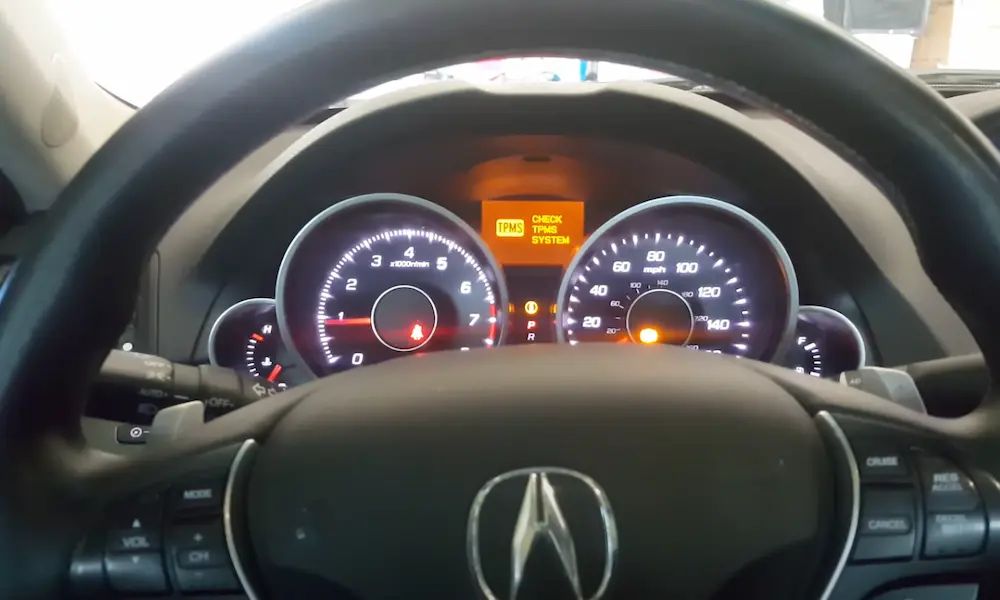
- “Check Charging System” message appears on dashboard
- Burning rubber smell from engine compartment
A properly functioning alternator should produce about 14 volts when the engine is running. Acura owners report that alternator failures often show warning signs before complete failure.
Push-Button Start Complications
For newer MDX models with push-button start, several unique issues can prevent starting.
Hard Brake Pedal Issues
One peculiar problem with push-button start MDXs is that a hard brake pedal can prevent the vehicle from starting. The start button requires you to depress the brake pedal, but if the pedal is stiff or doesn’t move properly, the system won’t recognize it.
Potential Causes
- Loss of vacuum in the brake booster
- Faulty brake pedal position switch
- Physical obstruction preventing normal brake pedal movement
MDX owner forums confirm this unusual but not uncommon issue. The fix typically involves checking the vacuum system and ensuring the brake pedal switch is functioning properly.
Diagnostic Sequence for MDX Starting Issues
When your Acura MDX won’t start, follow this step-by-step process to identify the most likely cause:
- Check the battery first
- Inspect terminals for corrosion
- Test voltage with a multimeter
- Try jump-starting the vehicle
- Listen for the fuel pump
When you turn the key to the ON position (before cranking), listen for a brief humming sound from the rear of the vehicle. This indicates the fuel pump is priming. No sound could mean a fuel pump or relay problem. - Watch for immobilizer light
If the green key light flashes on the dashboard, your immobilizer system is preventing the vehicle from starting. - Analyze starting sounds
- Multiple rapid clicks: likely battery issue
- Single solid click: likely starter issue
- Normal cranking but no start: likely fuel or ignition issue
- No sound at all: could be battery, immobilizer, or electrical issue
- Check for error codes
If possible, use an OBD-II scanner to check for diagnostic trouble codes. These can provide valuable clues to the underlying issue.
| Starting Symptom | Most Likely Cause | Secondary Possibilities |
|---|---|---|
| No lights, no sounds | Dead battery | Main fuse, electrical failure |
| Lights work, clicking sound | Weak battery | Bad starter solenoid |
| Single click only | Starter failure | Solenoid issue |
| Engine cranks but won’t start | Fuel delivery issue | Immobilizer, spark problem |
| Intermittent starting problems | Loose connections | Immobilizer, fuel pump relay |
Preventing Future Starting Issues
Once you’ve fixed your MDX’s starting problem, take these steps to reduce the chances of future issues:
- Battery maintenance
- Keep terminals clean and tight
- Have your charging system tested annually
- Consider a battery tender for vehicles that sit for extended periods
- Regular fuel system maintenance
- Replace fuel filters according to maintenance schedule
- Use quality fuel and occasional fuel system cleaners
- Address check engine lights promptly
- Key fob care
- Replace key fob batteries annually
- Store spare key in a safe place
- Keep keys away from liquids and extreme temperatures
- Electrical system care
- Don’t leave accessories running with the engine off
- Address unusual electrical symptoms quickly
- Ensure all recalls and technical service bulletins are addressed
Starting problems with your Acura MDX can be frustrating, but with this systematic approach, you can identify the cause and either fix it yourself or provide your mechanic with valuable diagnostic information. Remember that intermittent issues often have simple causes like loose connections or corroded wires, so a thorough visual inspection is always worth your time.