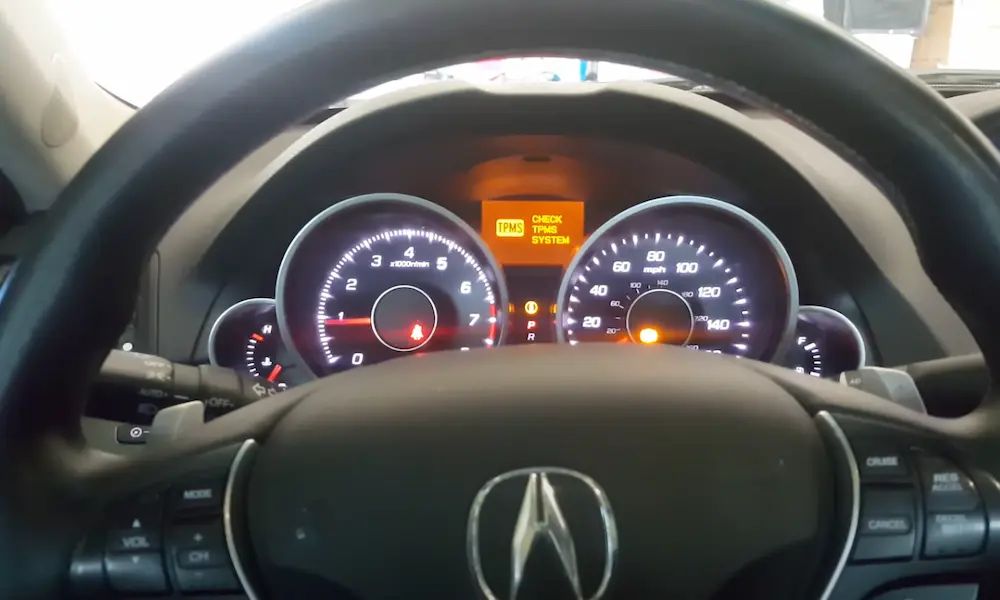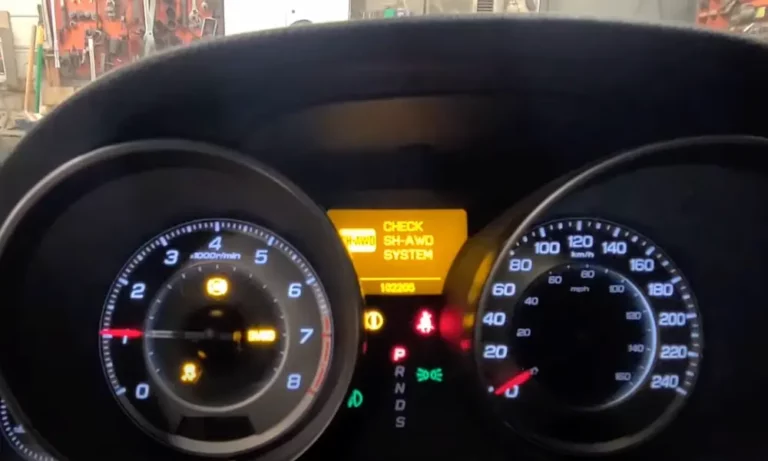
When that SH-AWD warning light pops up on your Acura RDX dashboard, it’s easy to feel a pang of worry. Your sophisticated Super Handling All-Wheel Drive system is telling you something’s wrong, but what exactly does it mean? The good news is that while this warning shouldn’t be ignored, it’s often fixable without breaking the bank. Let’s dive into what causes this warning light and how you can address it properly.
What Is the SH-AWD System in Your Acura RDX?
The SH-AWD system in your Acura RDX isn’t just your average all-wheel drive setup. It’s a cutting-edge torque-vectoring system that intelligently distributes power to each wheel based on your driving conditions.
Unlike basic AWD systems, the SH-AWD can send varying amounts of torque to individual wheels, giving you better cornering ability and traction in challenging conditions. This system works through a network of sensors, electronic control units, and hydraulic components all working together to improve your driving experience.
When the SH-AWD light comes on, your vehicle automatically switches to front-wheel drive mode as a safety measure. You’ll still be able to drive, but you’ll lose the enhanced stability and traction benefits that make your RDX special.
Common Causes of the SH-AWD Warning Light
Rear Differential Solenoid Valve Failure
If you drive a 2019-2020 Acura RDX, the most likely culprit behind your SH-AWD light is failing rear differential solenoid valves. This is such a common issue that Acura has released Service Bulletin 20-032 specifically addressing it.
These solenoid valves develop internal corrosion over time, triggering specific diagnostic codes (typically C1843-62 and C1844-62) that relate to differential fluid pressure problems. When this happens, you’ll see the SH-AWD light, but you probably won’t notice any unusual noises or vibrations.
The fix: Both left and right rear differential solenoid valves need to be replaced with updated parts. This repair generally costs between $300-$500 and takes about half an hour for a mechanic to complete.
Wheel Speed Sensor Problems
Another frequent trigger for the SH-AWD warning light is a faulty wheel speed sensor. Since your SH-AWD system relies on accurate wheel speed data to determine how to distribute torque, even one bad sensor can throw off the whole system.
If a wheel speed sensor is the problem, you’ll likely see multiple warning lights on your dashboard – not just the SH-AWD light, but also ABS and VSA (Vehicle Stability Assist) warnings.
The fix: A diagnostic scan will pinpoint which sensor has failed. Replacing a wheel speed sensor typically costs around $248 including labor. The right front wheel speed sensor is particularly prone to damage from tire rubbing or corrosion.
Differential Fluid Issues
Just like your engine needs clean oil, your SH-AWD system needs the right amount of clean differential fluid to work properly. The rear differential in your Acura RDX uses a specific fluid called Acura All-Wheel Drive Fluid (DPSF).
If this fluid gets low or contaminated, it can cause your SH-AWD light to come on. You might also notice strange noises coming from the differential area or reduced fuel economy.
The fix: Check and replace the differential fluid if it’s low or dirty. The 2020 Acura RDX requires 1.76 quarts of DPSF fluid. This maintenance typically costs $79-$93 and should be done every 30,000-40,000 miles according to Acura’s maintenance schedule.
Electrical and Battery Issues
Your SH-AWD system depends on proper electrical power to function correctly. A weak battery or electrical problems can cause the system to malfunction, triggering the warning light.
Signs of electrical issues include dim headlights, multiple warning lights appearing at once, or SH-AWD warnings that come and go intermittently. Sometimes, the system may reset after a battery replacement.
The fix: Have your battery voltage and charging system tested. If tests show inadequate power, replacing the battery (which costs between $79-$496 depending on the specific battery) might solve your SH-AWD light problem.
Fuse Problems
Sometimes the simplest explanations are the correct ones. A blown fuse related to the ABS/VSA system or AWD components can trigger the SH-AWD warning light.
The fix: Check fuses #4 (ABS/VSA – 7.5A) and other AWD-related fuses using the fuse diagram in your owner’s manual. You can find fuse boxes in the engine compartment (driver’s side), interior (driver’s lower left side), and a secondary under-hood location (next to battery). Replacing a blown fuse is an inexpensive fix that might solve your problem.
How to Diagnose SH-AWD Warning Light Issues
Basic Diagnostic Steps
- Check for other warning lights: If ABS or VSA lights are also on, the problem may be related to wheel speed sensors.
- Inspect differential fluid: Low or dirty fluid is an easy fix and should be checked first.
- Check your vehicle’s maintenance history: If your RDX is due for regular maintenance, addressing these items might solve the problem.
- Look for service bulletins: If you have a 2019-2020 RDX, check if your vehicle is covered under Service Bulletin 20-032 for solenoid valve issues.
Professional Diagnostic Scanning
While some basic OBD-II scanners can retrieve general codes, properly diagnosing SH-AWD system issues often requires Honda/Acura-specific diagnostic equipment (i-HDS). Many independent shops lack this specialized equipment, which is why dealer diagnosis might be necessary for complex issues.
Key diagnostic trouble codes to watch for include:
- C1843-62: Left rear differential fluid pressure deviation
- C1844-62: Right rear differential fluid pressure deviation
- C1851-87: Rear differential pump motor issues
- C1855-92: Rear differential pump motor problems
- C1858-73: Differential fluid pressure deviation high
Service Bulletins You Should Know About
Acura has issued several service bulletins addressing common SH-AWD problems:
Service Bulletin 20-032 (Version 2) – This is the most significant bulletin affecting 2019-2020 RDX models with AWD, addressing the solenoid valve corrosion issues mentioned earlier.
Service Bulletin 15-012 – This covers 2013-2014 RDX models with excessive oil pressure in the EDPS solenoid.
These bulletins are important because they indicate that certain SH-AWD problems are manufacturing defects rather than wear-related failures. This means repairs might be eligible for warranty coverage even on older vehicles.
Is It Safe to Drive with the SH-AWD Light On?
You can continue driving with the SH-AWD warning light on, as your vehicle will operate in front-wheel drive mode with VSA (Vehicle Stability Assist) still functional. However, you should be aware that you’re losing the enhanced traction and stability benefits of the all-wheel drive system.
Be especially careful in adverse weather conditions like rain, snow, or ice, as your vehicle’s traction capabilities are significantly reduced without AWD functionality. You should also expect reduced performance in situations requiring maximum traction, such as steep inclines or emergency maneuvers.
While it’s generally safe for short-term driving, you should address the issue promptly to restore your vehicle’s full capabilities and prevent potential damage to other drivetrain components.
Preventing SH-AWD Problems Through Maintenance
Regular Fluid Changes
The most important preventive maintenance for your SH-AWD system is regular differential fluid changes. SH-AWD models typically require more frequent fluid changes than 2WD vehicles. Follow Acura’s recommended maintenance schedule for your specific model year.
Proper Tire Maintenance
Ensure all tires are properly inflated, matched in size and tread depth, and properly aligned. Mismatched tires can cause false SH-AWD system alerts because the system detects differences in wheel speeds that it interprets as traction problems.
Battery and Electrical System Care
Maintain your battery and charging system in good condition, as electrical issues can trigger false SH-AWD warnings. Consider having your battery tested annually, especially before winter months when electrical demands on your vehicle increase.
Cost Breakdown: What to Expect for Repairs
Repair costs for SH-AWD issues vary significantly based on the root cause:
| Issue | Estimated Cost Range | Repair Time |
|---|---|---|
| Fuse replacement | $5-$20 | 15-30 minutes |
| Differential fluid change | $79-$93 | 30-60 minutes |
| Wheel speed sensor replacement | $200-$400 per sensor | 1-2 hours |
| Solenoid valve replacement | $300-$500 | 30-60 minutes |
| Major component failures (pump, ECU) | $1,300-$2,000+ | 4-8 hours |
DIY vs. Professional Repairs
What You Can Handle Yourself
If you’re comfortable with basic vehicle maintenance, you can check and possibly address:
- Fuse replacements
- Checking differential fluid levels
- Basic diagnostic code reading with an OBD-II scanner
When to Seek Professional Help
You should visit a professional mechanic or dealership when:
- Multiple warning lights are illuminated
- The issue persists after checking basic items
- You need specialized diagnostic equipment
- The repair involves internal differential components
- Your vehicle is potentially covered by a service bulletin
The dealership service department has advantages for SH-AWD issues since they have access to the proprietary i-HDS diagnostic system and technical service bulletins that independent shops might not have.
Understanding Your SH-AWD System’s Value
While dealing with an SH-AWD warning light can be frustrating, it’s worth remembering the value this system adds to your Acura RDX. The enhanced handling, stability, and all-weather capability are significant benefits that set your vehicle apart from basic front-wheel drive crossovers.
Most SH-AWD issues are well-documented with established repair procedures. Prompt diagnosis and repair will restore your vehicle’s full capabilities and ensure optimal safety and performance in all driving conditions.
Taking care of your SH-AWD system through regular maintenance can help you avoid unexpected issues and extend the life of this sophisticated system, keeping your Acura RDX performing at its best for years to come.