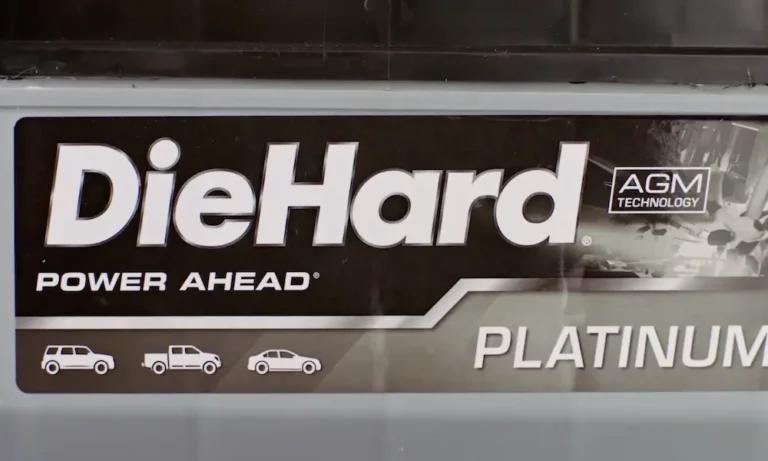
Are you wondering if DieHard batteries are worth your money? Once a legendary name in automotive power, DieHard has undergone significant changes in recent years. Before you spend your hard-earned cash on a battery that needs to start your car reliably every day, let’s take a deep dive into what today’s DieHard batteries really offer.
The Evolution of DieHard Batteries
DieHard’s story begins in 1967 when Sears developed the brand as a premium automotive battery solution. For decades, these batteries built a reputation for reliability and longevity. However, significant changes occurred when the brand changed hands.
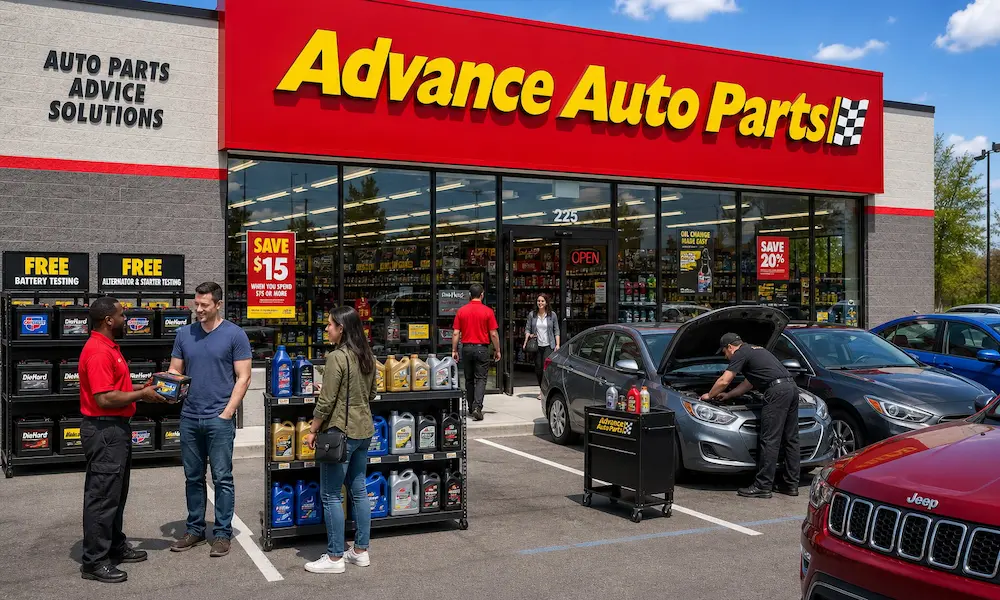
Today, Advance Auto Parts owns the DieHard brand, with manufacturing handled by Clarios LLC (formerly Johnson Controls). This transition marks a pivotal moment in the brand’s history, with some models reportedly being produced in China, which has raised questions about quality control.
The current DieHard lineup features four main tiers:
- Platinum AGM (premium tier)
- Gold AGM (mid-range option)
- Silver (standard lead-acid)
- Red (basic lead-acid)
Pricing typically ranges from $60-120 for basic models to $200-300 for the premium Platinum AGM batteries.
Performance Metrics: How DieHard Actually Performs
When it comes to battery performance, the numbers tell an interesting story about today’s DieHard products.
Cold Cranking Performance
Cold cranking ability—once DieHard’s claim to fame—has become problematic according to numerous user reports. Many customers have reported starting difficulties in cold weather, even with high-CCA rated models.
In a long-term test, a DieHard Gold battery showed degradation from 100% to 81% health within just one year—significantly faster than expected for a premium battery.
Power Output Reality
Independent testing reveals some concerning trends. In a comparative YouTube test between DieHard Platinum and competing batteries, the DieHard delivered only about 87% of its advertised power output. Meanwhile, competitors like Odyssey delivered 109% of their rated capacity.
Even more concerning, after minimal use, the DieHard’s performance degraded significantly, while competing models maintained consistent output.
Voltage Retention Issues
Many users have documented DieHard batteries dropping from 12.4V to dangerously low levels overnight, indicating internal cell damage. This rapid discharge pattern appears frequently in customer complaints, suggesting it’s not just isolated incidents.
Customer Satisfaction: What Real Users Say
The true measure of any product is customer satisfaction, and DieHard’s ratings tell a compelling story.
Review Ratings
DieHard’s current customer satisfaction rating is concerning. According to PissedConsumer.com, DieHard batteries rate just 1.6 out of 5 stars based on verified reviews, with over half of customers giving 1-star ratings.
The most common complaints include:
- Premature failure within 6-18 months
- Warranty claim difficulties
- Rapid performance degradation
- Poor customer service
The Pattern of Failures
Multiple customers report identical failure patterns: batteries that initially test good but quickly develop internal shorts or capacity loss. One user experienced two consecutive DieHard Platinum AGM batteries failing within weeks, both developing the same internal short despite being new replacements.
Manufacturing Quality: What’s Changed?
The transition from Sears’ original suppliers to the current manufacturing arrangement appears to have coincided with quality concerns.
Quality Control Issues
Some customers report receiving new batteries with a state of health at only 80% or less—insufficient to properly start many modern vehicles. This suggests potential quality control issues during manufacturing or storage.
The emergence of Chinese production for some DieHard models has raised additional questions about quality consistency compared to domestic production.
AGM Technology Implementation
While Absorbed Glass Mat (AGM) technology should theoretically offer superior performance over standard lead-acid batteries, DieHard’s implementation appears problematic. Users frequently report AGM models failing faster than cheaper conventional batteries—contradicting the technology’s durability promises.
How DieHard Compares to Competitors
To understand DieHard’s position in today’s market, let’s compare it directly to leading alternatives:
| Brand | Price Range | Avg. Customer Rating | Typical Lifespan | Cold Weather Performance |
|---|---|---|---|---|
| DieHard Platinum | $200-300 | 1.6/5 | 1-3 years | Fair to Poor |
| Optima RedTop | $220-320 | 4.2/5 | 4-6 years | Excellent |
| Odyssey Extreme | $250-350 | 4.5/5 | 4-8 years | Excellent |
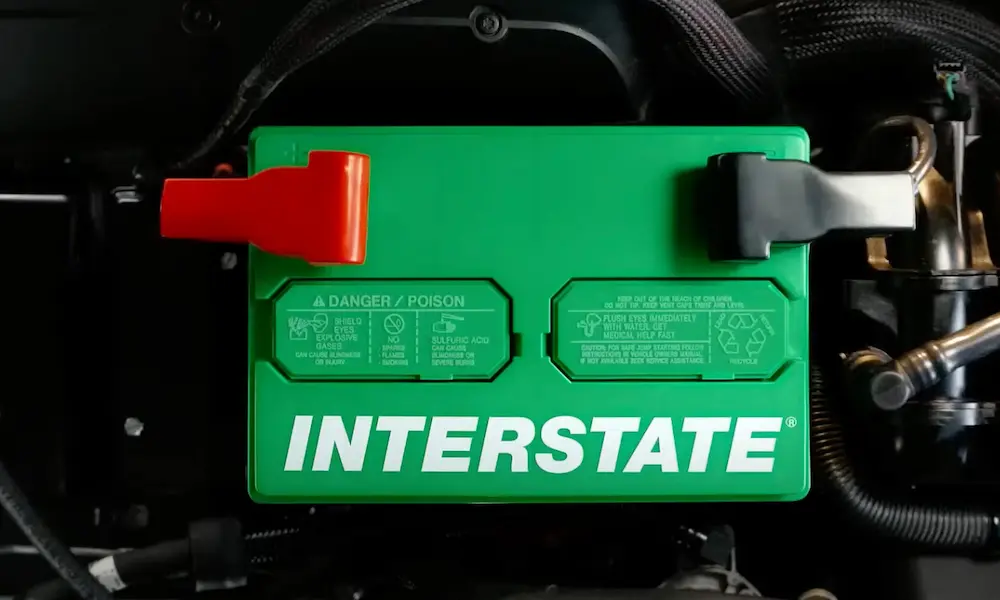
| Interstate | $150-250 | 4.0/5 | 3-5 years | Very Good |
| EverStart Maxx | $90-150 | 3.8/5 | 2-4 years | Good |
Industry comparisons consistently favor alternatives:
- Optima RedTop: Features a superior spiral-cell design with 15x the vibration resistance and 3x the service life of conventional batteries
- Odyssey Extreme: Uses 99% pure lead plates providing twice the power and three times the lifespan of conventional designs
- EverStart Maxx: Walmart’s budget option often outperforms DieHard in hot climate testing
- Interstate Batteries: Offers better warranty support and more consistent quality
Warranty Issues and Customer Service
DieHard’s warranty terms appear generous at first glance—offering 3-4 years of coverage. However, the implementation tells a different story.
Warranty Enforcement Problems
A common frustration among customers involves Advance Auto Parts’ strict receipt requirements, which prevent many legitimate warranty claims. Even when batteries have clear manufacturing dates within the warranty period, customers without original receipts are often denied service.
Service Network Challenges
The transition to Advance Auto Parts distribution has created service problems according to many customers. Store employees sometimes lack proper battery testing equipment or training, leading to disputes over warranty claims. Testing inconsistencies between locations can result in customers being denied legitimate warranty replacements.
Is a DieHard Battery Right for Your Vehicle?
Let’s break down who might still benefit from DieHard batteries and who should look elsewhere:
When DieHard Might Work for You
- You have an older vehicle with minimal electronic systems
- You drive regularly in moderate climates
- You have an Advance Auto Parts nearby for potential warranty service
- You plan to replace your battery every 1-2 years regardless
When to Consider Alternatives
- You live in areas with temperature extremes (hot or cold)
- Your vehicle has sophisticated electronics that require stable power
- You prioritize long-term reliability over initial cost
- You want more dependable warranty service
Best Alternatives to DieHard Batteries
If you’re looking for better options than current DieHard offerings, consider these alternatives based on your specific needs:
For Budget-Conscious Drivers
EverStart Maxx from Walmart offers superior value with 3-year warranties and consistent performance at lower prices than DieHard’s mid-range models. Many users report 3-4 years of reliable service.
For Maximum Performance and Reliability
Optima RedTop or YellowTop batteries provide genuine premium performance with superior technology and reliable warranty support. Their unique spiral cell design offers exceptional vibration resistance and longer life.
Odyssey Extreme batteries offer perhaps the highest performance for demanding applications, with exceptional cold-cranking power and cycle life that significantly outperforms DieHard Platinum.
For Mainstream Applications
Interstate Batteries maintain consistent quality with better service network support and more reasonable warranty policies. Their professional-grade options offer a good middle ground between budget and premium options.
The Technical Breakdown of DieHard Models
Looking at the technical specifications reveals interesting patterns across DieHard’s lineup:
DieHard Platinum AGM
- CCA Rating: 760-850 (model dependent)
- Reserve Capacity: 100-120 minutes
- Warranty: 4 years
- Common Issues: Internal shorts, rapid capacity loss
DieHard Gold AGM
- CCA Rating: 650-750 (model dependent)
- Reserve Capacity: 85-100 minutes
- Warranty: 3 years
- Common Issues: Voltage retention problems, premature failure
DieHard Silver (Standard)
- CCA Rating: 550-650 (model dependent)
- Reserve Capacity: 70-90 minutes
- Warranty: 2 years
- Common Issues: Short lifespan, inconsistent manufacturing
The Long-Term Reliability Factor
The historical performance versus current quality of DieHard batteries shows a stark contrast. Legacy DieHard batteries from the Sears era often lasted 5-8 years with reliable performance. Current models rarely exceed 18-24 months before significant degradation, representing a dramatic decline in durability.
Seasonal performance issues have become prevalent, with batteries failing specifically during temperature extremes when reliable starting is most critical.
What Automotive Experts Say
Automotive professionals have increasingly shifted away from recommending DieHard batteries. Pro Tool Reviews, a respected automotive testing organization, acknowledges DieHard’s historical strength but notes current quality concerns, ranking them below Optima, Odyssey, and other premium brands.
Consumer Reports’ methodology, which involves thousands of charge-discharge cycles at extreme temperatures, consistently shows DieHard models underperforming relative to their pricing and marketing claims.
Making Your Battery Last Longer
Regardless of which battery you choose, these practices will help maximize its lifespan:
- Keep connections clean and tight – Corrosion can prevent proper charging
- Drive regularly – Short trips don’t fully recharge your battery
- Minimize power draws when the engine is off – Lights, accessories, etc.
- Consider a trickle charger for vehicles used infrequently
- Check voltage periodically – A healthy battery should read 12.6V when fully charged
The Bottom Line on DieHard Batteries
DieHard batteries no longer justify their premium pricing or historical reputation. The combination of premature failure rates, warranty claim difficulties, inconsistent manufacturing quality, and poor customer service makes them a poor choice compared to alternatives.
For most drivers, brands like Optima, Odyssey, Interstate, or even budget options like EverStart will likely provide better performance, longevity, and overall value. Until significant improvements in manufacturing, quality control, and customer service occur, your hard-earned money is probably better spent elsewhere.
The dramatic fall from grace of this once-legendary brand serves as a reminder that even the most established names can change—and that today’s automotive consumer needs to look beyond brand recognition when making important maintenance decisions.