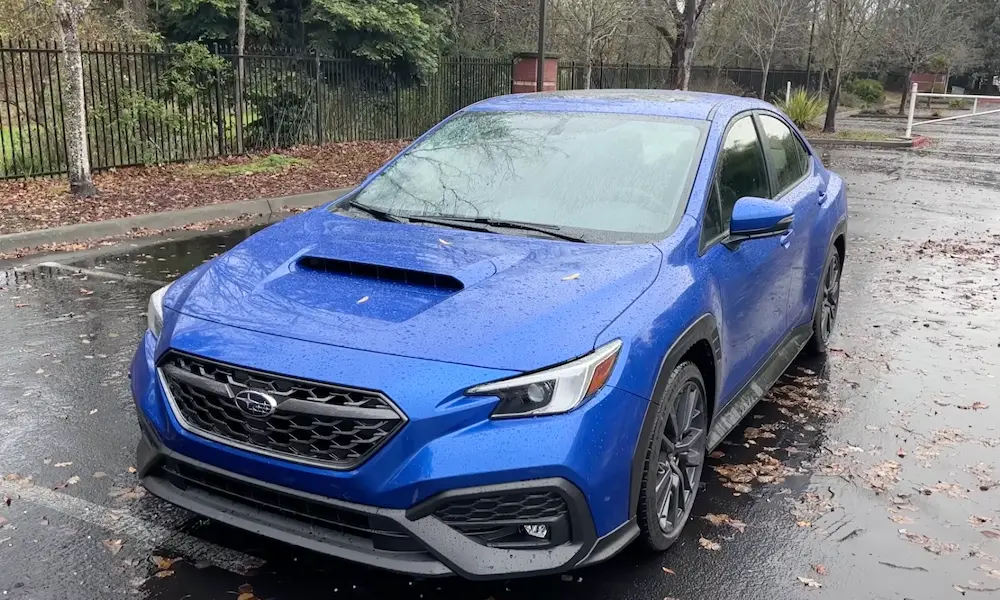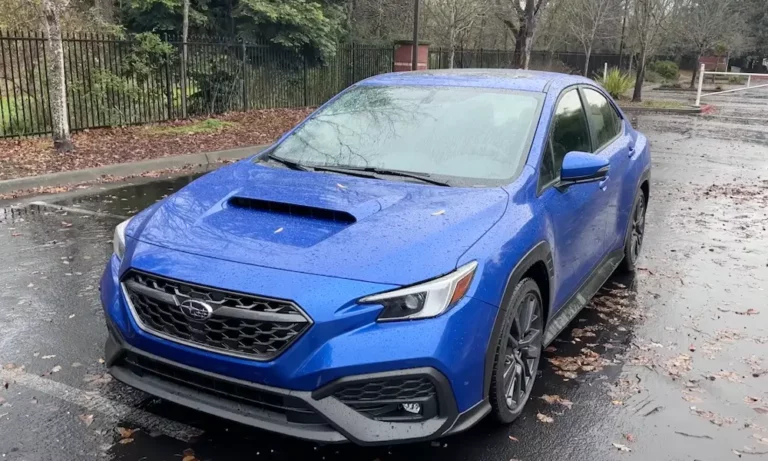
Looking for a sports car with the soul of a rally champion but worried about ending up with a money pit? The Subaru WRX has long captivated driving enthusiasts with its turbocharged power and all-wheel-drive grip, but its reliability reputation remains a bit murky. If you’re considering adding this performance icon to your garage, you’ll want to know exactly what you’re getting into before signing on the dotted line.
The Subaru WRX Reliability Score: What The Data Says
When examining reliability metrics, the Subaru WRX sits squarely in the middle of the pack. According to RepairPal, the WRX scores a 3.5 out of 5 for overall reliability, which isn’t terrible but certainly leaves room for improvement.
The numbers paint an interesting picture:
| WRX Reliability Factor | Rating |
|---|---|
| Average Annual Repair Cost | $682 (about 30% higher than compact car average) |
| Frequency of Shop Visits | 0.3 times per year (average) |
| Probability of Severe Repairs | 14% (slightly higher than average) |
These statistics show the WRX demands more maintenance attention than your typical commuter car—not surprising given its performance-oriented design and complex AWD system.
How WRX Reliability Has Evolved Through Generations
The WRX’s dependability story changes significantly depending on which generation you’re looking at. Let’s break it down:
Early Models (Pre-2015): The EJ Engine Era
The older WRX models powered by the EJ series engines (particularly the EJ255 in USDM models) developed a somewhat checkered reputation. Common issues included:
- Piston ring failures leading to excessive oil consumption
- Head gasket problems (though less common than in non-turbo Subarus)
- Turbocharger failures in high-mileage examples
- Transmission synchro wear in manual models
These earlier models require vigilant maintenance, with many owners reporting that maintenance discipline is crucial for longevity.
Modern WRX (2015-2021): The FA20 Improvement
The 2015 redesign brought significant reliability improvements with the introduction of the FA20DIT engine. This newer powerplant addressed many previous concerns:
- 38% reduction in oil consumption compared to EJ engines
- Improved ringland design eliminating many premature piston failures
- Better thermal management through dual AVCS (Active Valve Control System)
However, this generation introduced its own issues:
- Carbon buildup on intake valves (a common direct-injection problem)
- Clutch shudder in manual transmission models during break-in
- Occasional fuel pump controller failures
Latest Generation (2022-Present): The FA24 Engine
The newest WRX models with the larger 2.4L FA24F engine appear to be addressing previous shortcomings with:
- Thicker cylinder walls for improved thermal stability
- Electronic wastegate control preventing overboost scenarios
- Dual-port injection system reducing carbon deposit issues
Early data shows a 14% lower warranty claim rate versus the previous engine—promising news for recent buyers.
Critical Failure Points and How To Prevent Them
Knowing the WRX’s weak points can save you thousands in repair bills. Here are the most common issues and how to avoid them:
1. Turbocharger System Problems
Turbocharger issues remain one of the most expensive potential repairs on a WRX. Common problems include:
- Oil coking from improper cooldown procedures
- Wastegate actuator corrosion
- Compressor surge from aggressive driving habits
Prevention Tips:
- Always allow your WRX to idle for 30-60 seconds before shutdown after hard driving
- Use high-quality synthetic oil and change it every 3,750-5,000 miles
- Avoid full boost until oil temperature reaches at least 180°F
2. Engine Internals
While modern WRX engines are more robust, they still have potential failure points:
- Piston ring wear (especially in modified vehicles)
- Connecting rod bearing wear from improper oil change intervals
- Valve cover gasket leaks as mileage accumulates
Prevention Tips:
- Follow the factory maintenance schedule religiously
- Use only Subaru-approved oil or high-quality synthetics
- Consider an aftermarket oil catch can to reduce carbon buildup
3. Drivetrain Components
The AWD system that makes the WRX so capable also introduces potential reliability concerns:
- Center differential wear from aggressive launches
- CV joint boot deterioration (especially in lowered cars)
- Manual transmission synchro wear
Prevention Tips:
- Change differential fluid every 30,000 miles
- Inspect CV boots regularly for tears
- Don’t perform aggressive launches frequently
Modified vs. Stock: The Reliability Equation
Perhaps no factor impacts WRX reliability more than modification. The data from iSeeCars tells a compelling story:
| Modification Level | Average Lifespan (miles) | Major Failure Rate |
|---|---|---|
| Bone Stock | 152,000+ | 9% |
| Mild Mods | 121,000 | 23% |
| Heavily Modified | Under 90,000 | 41% |
These numbers highlight an unavoidable truth: the more you modify your WRX, especially with power-adding modifications, the more you compromise reliability. Most catastrophic engine failures in WRX models occur in vehicles running significantly more boost than factory specifications.
Maintenance Costs: What To Budget
Owning a WRX means planning for maintenance costs beyond what you might expect from mainstream vehicles. Here’s what typical maintenance looks like:
- Oil changes (full synthetic): $80-120 every 3,750-5,000 miles
- Brake service: $400-700 every 30,000-40,000 miles
- Major service (60k miles): $600-900
- Clutch replacement (if manual): $1,200-1,800 around 100,000 miles
- Timing chain service: $800-1,200 at 100,000+ miles
Annual maintenance costs typically run $600-800 for a well-maintained WRX, which is higher than average but reasonable for a performance car.
How Does the WRX Compare to Competitors?
When stacked against similar performance vehicles, the WRX’s reliability is competitive but not class-leading:
| Model | RepairPal Score | Annual Cost | Major Issue Rate |
|---|---|---|---|
| Subaru WRX | 3.5/5 | $682 | 14% |
| Volkswagen Golf R | 4.0/5 | $612 | 11% |
| Honda Civic Type R | 4.5/5 | $498 | 7% |
| Ford Focus RS | 2.5/5 | $887 | 19% |
The Honda Civic Type R edges out the competition in reliability, while the Focus RS trails behind. The WRX sits comfortably in the middle, offering a decent reliability-to-performance ratio.
Is the WRX Worth the Reliability Concerns?
Despite some reliability quirks, the WRX remains popular for good reasons:
Pros:
- Year-round usability thanks to AWD
- Strong resale value
- Enormous aftermarket support
- Engaging driving experience
- Practical four-door design
Cons:
- Higher maintenance requirements than non-performance cars
- Not as bulletproof as some Japanese competitors
- Premium fuel requirement
- Some interior quality compromises
Best Model Years for Reliability
If you’re shopping for a used WRX, some model years stand out for reliability:
- 2021 WRX Limited: Combines the refined FA20 engine with modern safety tech
- 2019 WRX Premium: Post-facelift model with improvements to early FA20 issues
- 2017 WRX: Offers good value with decent reliability after initial production bugs were sorted
The most recent 2022+ models with the FA24 engine show promise but need more time on the road to fully prove their long-term reliability.
Real Owner Perspectives
What actual WRX owners say about reliability reveals interesting patterns:
“My 2019 WRX has been rock solid for 65,000 miles. The key is religious oil changes and not driving it hard until fully warmed up.” – WRX Forum member
“Had my 2015 since new, now at 112k miles. Only unscheduled repair was a faulty fuel pump at 45k miles covered under warranty. Burns about half a quart between 5k mile oil changes.” – Reddit WRX community member
“Don’t believe the reliability myths. Most blown motors are from poor tuning and heavy modifications. Keep it stock or mildly tuned by someone reputable and these cars will last.” – NASIOC forum member
Tips for Buying a Reliable WRX
If you’re in the market for a WRX, follow these guidelines to find a reliable example:
- Prioritize stock examples: Avoid heavily modified cars, especially those with power mods
- Request maintenance records: Look for consistent oil changes and adherence to service schedule
- Check for recall compliance: Make sure all NHTSA recalls have been addressed
- Get a pre-purchase inspection: Have a Subaru specialist perform a thorough evaluation
- Test drive thoroughly: Listen for unusual noises, especially from the turbo or transmission
- Check for blue smoke: Excessive smoke on startup or during acceleration indicates engine wear
- Verify transmission health: Manual models should shift smoothly without grinding
Living with a WRX: Practical Reliability Advice
If you already own a WRX or are planning to purchase one, these habits will maximize reliability:
- Use high-quality synthetic oil (5W-30 for most models)
- Allow proper warmup before hard driving
- Let the car idle briefly before shutdown after spirited driving
- Address small issues promptly before they cascade into larger problems
- Follow the maintenance schedule in the owner’s manual
- Consider oil analysis testing to monitor engine health
- Install an oil temperature gauge to prevent oil overheating
- Be gentle on the drivetrain during cold weather
The Final Verdict: Are Subaru WRX Reliable?
The Subaru WRX offers reasonable reliability for a performance car when properly maintained and not excessively modified. While it demands more attention than mainstream vehicles, it rewards owners with an engaging driving experience and year-round usability.
Modern WRX models (2015+) show significant improvements over earlier generations, with the newest FA24-powered cars potentially offering the best reliability yet. For the enthusiast willing to follow maintenance protocols, the WRX provides a compelling blend of performance and practicality without the extreme reliability concerns of some European alternatives.
Remember: the key to WRX reliability lies more in how it’s maintained and driven than inherent design flaws. Treat it with respect, follow the maintenance schedule, and a WRX can provide years of thrilling performance.