Shopping for a used BMW X3 is a minefield. Some years are goldmines. Others are money pits with leather seats. This guide cuts through the noise and tells you exactly which years to buy — and which to run from. Stick around, because the difference between the right year and the wrong one could cost you thousands.
What Makes One BMW X3 Year Better Than Another?
Not all X3s are created equal. BMW has built four distinct generations of this SUV since 2004, and each one has its own quirks, strengths, and deal-breakers.
The best year for BMW X3 depends on what you’re after:
- Maximum reliability without surprise repair bills
- Best value for a used buy under $20,000
- Top performance with the right engine
- Cutting-edge tech and safety features
Here’s a quick snapshot before we dig deeper:
| Buyer Type | Best Year | Generation | Why |
|---|---|---|---|
| Best overall | 2021 | G01 | Peak reliability, full features, pre-shortage |
| Best budget buy | 2016 | F25 | Fixed engine issues, high reliability scores |
| Best driver’s car | 2006 | E83 | Simple, bulletproof M54 engine |
| Worst year | 2013 | F25 | Timing chain disaster waiting to happen |
First Generation (2004–2010): The Austrian-Built Original
BMW built the first-generation E83 X3 in Graz, Austria, through a partnership with Magna Steyr. That manufacturing setup gave these early models a distinctly solid, no-nonsense build quality.
Why the 2006 X3 Stands Out
The 2006 model year is the sweet spot of the E83 generation. Here’s why it earns its reputation:
- It uses the M54 naturally aspirated inline-six — widely considered one of the most durable BMW engines ever made
- No turbochargers mean fewer failure points
- xDrive all-wheel drive became standard that year
- It benefited from all the early refinements without the later complications
The 2004 and 2005 models are decent, but the 2006 hits that sweet spot: refined enough to be reliable, simple enough to avoid the electrical gremlins that crept in later.
The 2007–2010 Facelift: Better Looks, More Problems
BMW gave the E83 a facelift in 2007 and swapped in the N52 engine — a magnesium-aluminum composite block that made more power. Sounds great. The catch? It introduced:
- An electric water pump that fails over time
- More complex variable valve timing that degrades with age
- Oil leaks from the valve cover gasket and oil filter housing
- Sunroof and window regulator gremlins
The 2007–2010 X3 still drives well, but it demands more upkeep than the pre-facelift cars.
First Generation Engine Specs:
| Model Year | Trim | Engine | Horsepower | Transmission |
|---|---|---|---|---|
| 2004–2006 | 2.5i | 2.5L NA I6 | 189 hp | 6-speed manual / 5-speed auto |
| 2004–2006 | 3.0i | 3.0L NA I6 | 225 hp | 6-speed manual / 5-speed auto |
| 2007–2010 | xDrive30i | 3.0L NA I6 | 260 hp | 6-speed manual / 6-speed auto |
KBB owners give the 2004–2010 models 4.2 out of 5 stars, with 79% recommending it. That’s a strong vote of confidence for a 20-year-old SUV.
Second Generation (2011–2017): American-Made, Turbo-Powered
BMW moved X3 production to its Spartanburg, South Carolina facility for the F25 generation. The plant shift reflected how important the US market had become. The new X3 was bigger, more tech-forward, and turbocharged.
It was also home to the worst reliability failure in the X3’s history.
The N20 Timing Chain Disaster: Avoid 2013–2014
This is the part you need to read carefully. BMW introduced the N20 turbocharged four-cylinder engine in 2012. Early versions (especially 2013–2014) used plastic timing chain guides that wore out prematurely.
When those guides failed, the timing chain could snap — causing catastrophic engine failure. We’re talking full engine rebuild territory. This problem was so widespread it triggered class-action lawsuits and extended warranties.
Avoid 2013 and 2014 BMW X3 models unless you can verify the timing chain has been replaced.
Why the 2016 X3 is the Best F25 Buy
By 2016, BMW had revised the timing chain components, slashing the failure rate dramatically. The 2016 model also scored the highest JD Power quality rating of any F25 — 86 out of 100.
Standard features that year included:
- Enhanced USB and Bluetooth connectivity
- Harman Kardon surround sound on higher trims
- Updated styling that matched the contemporary X5
- Corrected engine hardware that actually lasts
KBB consumer reviews back this up — owners consistently praise the 2016 for its reliability and daily usability.
Don’t Buy the 2017 X3
The 2017 was supposed to be the most mature F25, but it has a serious problem: brake failures. Consumer Reports flagged the 2017 model’s braking system with a poor reliability rating, citing power brake assist failures that stretched stopping distances. Climate system malfunctions were another common complaint. Avoid it.
Second Generation Engine Specs:
| Model Year | Trim | Engine | Horsepower | Combined MPG |
|---|---|---|---|---|
| 2011–2012 | xDrive28i | 3.0L NA I6 | 240 hp | 21 |
| 2013–2017 | xDrive28i | 2.0L Turbo I4 | 240 hp | 24 |
| 2011–2017 | xDrive35i | 3.0L Turbo I6 | 300 hp | 21 |
| 2015–2017 | xDrive28d | 2.0L Turbo Diesel I4 | 180 hp | 30 |
Third Generation (2018–2024): The X3 Grows Up
The G01 generation arrived for 2018 and fixed most of what the F25 got wrong. It’s built on a lighter platform and powered by the new B-series engines — a genuine leap forward in reliability and performance.
The B48 and B58 Engines: Finally Getting It Right
The G01 offers two core powertrains:
- B48 four-cylinder in the xDrive30i — smooth, efficient, and far more reliable than the N20 it replaced
- B58 six-cylinder in the M40i — widely praised as one of the best engines currently in production
The B58 doesn’t have the oil leak problems that haunted earlier BMW turbocharged sixes. It makes 382 horsepower, pulls hard from low RPM, and hits 60 mph in 4.4 seconds.
The 2018 and 2019 models did have some early bugs — rear driveshaft vibrations at highway speeds and iDrive 6.0 software glitches. They’re not bad cars, but waiting a year or two made a real difference.
2021: The Best Year for BMW X3, Full Stop
The 2021 BMW X3 is the definitive best year for most US buyers. Multiple factors converged that year to create a near-perfect package:
What makes 2021 special:
- Active Driving Assistant became standard across all trims — bringing blind-spot monitoring and lane-departure warning to every buyer
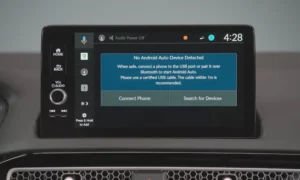
- Android Auto finally became standard
- Larger infotainment screen with iDrive 7.0
- One-year SiriusXM 360L subscription included
- Produced before the semiconductor shortage hit in 2022–2023
That last point matters more than it sounds. The 2022 and 2023 models were sold with missing features — no passenger lumbar support, no digital key, no hands-free liftgate — because BMW couldn’t source the parts. The 2021 came fully loaded, as designed.
JD Power gave the 2021 X3 a score of 80 out of 100, and Edmunds reviewers consistently highlight its worry-free daily performance.
2021 xDrive30i vs. M40i at a Glance:
| Feature | xDrive30i | M40i |
|---|---|---|
| Engine | 2.0L Turbo I4 | 3.0L Turbo I6 |
| Horsepower | 248 hp | 382 hp |
| 0–60 mph | 6.0 sec | 4.4 sec |
| Standard wheels | 18-inch alloy | 19-inch alloy |
| EPA MPG (city/hwy) | 23/29 | 21/27 |
2022–2024: Great Cars, But With Trade-Offs
The 2022 facelift brought sharper styling, a new 12.3-inch touchscreen, and a 48-volt mild-hybrid system for the M40i that smooths out the stop-start function. These are genuinely better cars in many technical respects.
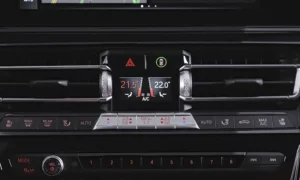
The downside? BMW replaced physical buttons with touchscreen sub-menus for climate and seat controls. If you want to adjust the temperature without navigating three menus, it gets old fast.
The 2022 models also faced a fuel rail recall for cracking under pressure — worth verifying any specific VIN before buying.
Fourth Generation (2025–Present): The Future, With First-Year Risks
The all-new G45 arrived for 2025 with BMW’s latest Curved Display and Operating System 9. It’s the most powerful and efficient X3 ever. The M50 xDrive makes 393 horsepower and 428 lb-ft of torque.
But here’s the honest take: don’t buy a first-year model of any redesigned car, and the 2025 X3 is already proving why.
Early G45 Recalls Are Piling Up
The 2025 and 2026 models have already triggered multiple safety recalls:
- 37,000 vehicles recalled for a software issue causing the steering wheel to rotate unexpectedly while stationary
- A separate recall for damaged front brake discs possibly harmed during transport
- Confirmed issues with a rear brake hose crimping defect that could cause brake fluid leaks
These aren’t minor inconveniences. A rear brake fluid leak is a serious safety concern. The platform needs time to settle.
Early reviews also criticize OS 9 as “complicated, confusing, and constantly frustrating” — an interface that buries basic controls deep in touchscreen menus.
Reliability Red Flags to Know Before You Buy
Regardless of which year you’re considering, certain problems show up repeatedly across BMW X3 generations.
Cooling System: The Universal Weakness
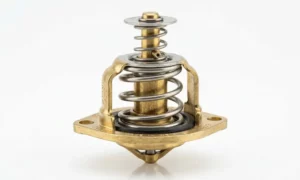
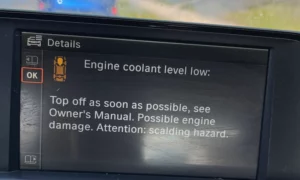
BMW uses plastic extensively in its cooling systems — water pump impellers, expansion tanks, coolant hoses. These components get brittle and start failing between 75,000 and 100,000 miles. If you’re buying a higher-mileage X3, budget for a proactive cooling system overhaul. Ignore it and you’re looking at a warped cylinder head.
Oil Leaks: An Expensive Slow Drip
Rubber and plastic gaskets on the valve cover, oil filter housing, and oil pan all degrade from years of heat cycling. The first sign is usually a burning oil smell in the cabin — oil dripping onto the exhaust. Left alone, it eats sensors, belts, and eventually the engine itself.
Electrical Gremlins on Newer Models
Modern G01 and G45 owners report battery drains that are hard to trace, malfunctioning driver-assist features, and blank infotainment screens. Many issues are fixed through software updates, but some require hardware replacements.
Common Problems by Generation:
| Issue | Symptoms | Affected Years | Cause |
|---|---|---|---|
| Timing chain failure | Rattle, power loss, stall | 2012–2015 (F25) | Plastic guide degradation |
| Cooling system failure | Overheating, sweet smell | All generations | Plastic component brittleness |
| Brake system failure | Extended stopping distance | 2017 (F25), 2023–2025 | Software bugs or crimping defects |
| Electrical issues | Battery drain, screen failure | 2018–present | Module faults or software glitches |
| PCV heater fire risk | Smoke, fire (even engine off) | 2007–2013 | Electrical short circuit |
Safety Ratings: How Each Generation Compares
IIHS Crash Test Performance
The second-generation X3 earned IIHS Top Safety Pick in 2011 — solid for its time. But the 2021 X3 is where safety performance really peaked, earning “Good” in every crashworthiness category including the tough small overlap front test on both driver and passenger sides.
Headlights Matter More Than You Think
This is one detail buyers often skip. The 2017 X3 received “Poor” and “Marginal” IIHS headlight ratings — too much glare, not enough distance illumination. Fast forward to 2022 and the X3 earned a “Good” headlight rating across all trims. If you drive at night, this matters.
Recall History: Check Before You Buy
Always verify the VIN of any used X3 against the NHTSA database before signing anything. Some recalls carry serious consequences.
Key Recalls to Know:
| Component | Issue | Years Affected | Risk |
|---|---|---|---|
| Starter motor | Overheating, potential fire | 2021–2024 | Fire hazard — park outside until fixed |
| Steering software | Wheel rotates unexpectedly | 2025–2026 | Crash risk |
| Rear brake hose | Improper crimping | 2025 | Brake fluid leak |
| PCV heater | Electrical short | 2007–2013 | Fire risk even with engine off |
| Child seat anchors | LATCH bar damage | 2011–2017 | Unsecured child seat in crash |
The starter motor recall affecting 2021–2024 models is the most urgent active concern. BMW advises parking outside until the starter is replaced. Check your VIN before assuming the recall work has been done.
What It Actually Costs to Own a BMW X3
Owning a BMW X3 after the warranty expires isn’t cheap. Here’s what US buyers typically face:
- Annual routine service: $750–$1,200 after the 3-year/36,000-mile complimentary period ends
- Run-flat tires: More expensive than standard tires, can’t be repaired if sidewall damage occurs — common on most X3 models since 2011
- Resale value: JD Power gives the X3 an “Average” resale rating around 74 out of 100, though M40i variants with the B58 engine hold value better due to enthusiast demand
- Dealer experience: BMW scores around 80–81 out of 100 for dealership satisfaction — pricey, but generally professional
The Final Verdict: Best Year for BMW X3
Here’s where everything lands for US buyers in 2024:
Buy the 2021 BMW X3 if you want the best overall package. It hits the sweet spot between mature engineering, complete features, and pre-shortage build quality. The B48 and B58 engines are proven reliable. Android Auto is standard. Safety features come as standard equipment. And it doesn’t have the button-less interface frustrations of the 2025 redesign.
Buy the 2016 BMW X3 if your budget tops out around $20,000. BMW fixed the timing chain nightmare by that year, and it earned its highest reliability scores of the F25 generation. It’s not glamorous, but it’s dependable.
Buy the 2006 BMW X3 if you love wrenching on your own cars and want a mechanically pure driving experience. The M54 engine is legendary for a reason. Just don’t expect a modern infotainment system.
Skip 2013, 2014, and 2017. The first two have the timing chain problem lurking. The 2017 has the brake assist failures. None of them are worth the risk when better years exist at similar price points.
The best year for BMW X3 doesn’t have to be a mystery. Pick the right year, verify the recall status, and get a pre-purchase inspection — and you’ll land one of the best compact luxury SUVs on the market.