Picking the right Hyundai Sonata model year can save you thousands — or cost you just as much if you choose wrong. Some years are genuinely excellent. Others? Pure headaches. This guide breaks down every generation so you can buy with confidence.
Why the Model Year Matters More Than the Badge
Not all Sonatas are created equal. The same nameplate spans eight generations, three engine families, and one massive theft crisis. Buying the wrong year means dealing with engine seizures, skyrocketing insurance premiums, or a car that thieves can steal with a USB cable.
The best year for Hyundai Sonata really comes down to three factors:
- Engine reliability — Did that year’s engine have known manufacturing defects?
- Security — Does it have a factory engine immobilizer?
- Value for money — What do you actually get for your budget?
Get those three right, and you’ve found your Sonata.
Hyundai Sonata Through the Generations: A Quick Map
Before diving into specific years, here’s a snapshot of all eight generations. It helps you spot which eras to target — and which to skip entirely.
| Generation | Years | Key Highlight | Reliability Verdict |
|---|---|---|---|
| 1st (Y1) | 1985–1988 | RWD, Mitsubishi engine | Historical only |
| 2nd (Y2) | 1988–1993 | Front-wheel drive debut | Historical only |
| 3rd (Y3) | 1993–1998 | Expanded wheelbase | Historical only |
| 4th (EF) | 1998–2005 | Quality perception shift | ✅ 2005 is solid |
| 5th (NF) | 2006–2010 | First Hyundai-built engine | ✅ 2009 is the pick |
| 6th (YF) | 2011–2014 | Bold design, engine disaster | ❌ Avoid entirely |
| 7th (LF) | 2015–2019 | Refined, dependable | ✅ 2019 is the sweet spot |
| 8th (DN8) | 2020–present | Full tech reset, AWD arrives | ✅ 2024 is best in class |
The Best Year for Hyundai Sonata by Budget
Best Budget Pick: 2009 Hyundai Sonata
The 2009 Sonata is the hidden gem of the entire lineup. It’s the most refined version of the fifth generation before Hyundai overcomplicated things with turbochargers and direct injection. The mid-cycle refresh gave it soft-touch interior materials and a cleaner dashboard, making it feel noticeably more modern than the 2006–2008 models.
The engine lineup is the real story here:
| Engine | Power | Fuel Economy (City/Hwy) | Transmission |
|---|---|---|---|
| 2.4L Theta II I4 | 175 hp | 22 / 32 MPG | 5-speed Auto |
| 3.3L Lambda V6 | 249 hp | 19 / 29 MPG | 5-speed Shiftronic Auto |
The 3.3-liter V6 especially stands out. It’s one of the most durable engines Hyundai has ever built — no turbo to fail, no high-pressure fuel system to clog. These engines routinely hit 200,000 miles when properly maintained.
The 2009 also came standard with electronic stability control, traction control, and six airbags. It’s not loaded with tech, but everything it has works reliably.
Who it’s for: Buyers on a tight budget who want a dependable daily driver with zero drama.
Best Value-Balanced Pick: 2019 Hyundai Sonata
The 2019 Sonata hits the sweet spot between modern features and proven reliability. It’s the highest-rated year in the seventh generation, and it earned the title of most dependable midsize car in J.D. Power’s 2022 Vehicle Dependability Study. That study specifically evaluated 2019 models after three years of real-world ownership. That’s a meaningful result, not a press release claim.
Standard features on the 2019 include:
- 7-inch touchscreen with Apple CarPlay and Android Auto
- Blind-spot monitoring and rear cross-traffic alert
- IIHS Top Safety Pick+ rating
- 2.4-liter GDI engine producing 185 horsepower
- Optional 2.0-liter turbo with 245 horsepower
One important warning: the 2019 still falls within the years affected by the Kia Challenge theft epidemic. If you’re buying a 2019, prioritize the Limited or Sport 2.0T trims with push-button start. Those trims use a different ignition system that wasn’t vulnerable to the widely publicized theft method. A standard key-start 2019 is a much riskier choice in urban areas.
Also keep oil changes on a tight schedule. The Theta II engine family, while more reliable than the 2011–2014 versions, still has a tendency to burn oil as it ages. Let the oil drop too low, and the timing chain tensioner can fail — leading to expensive internal damage.
Who it’s for: Used car buyers who want smartphone integration, solid safety tech, and a proven reliability record without new car prices.
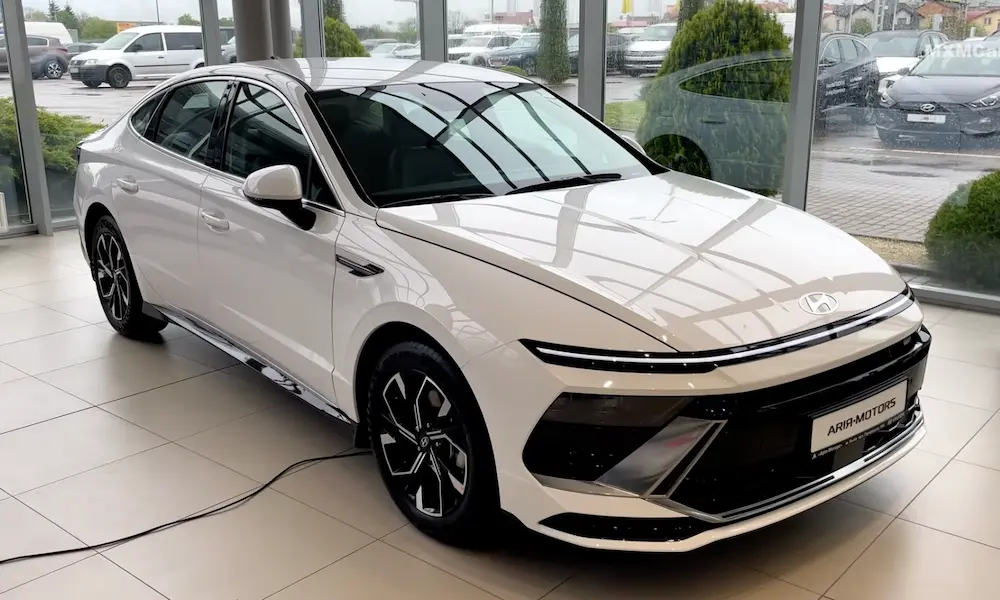
Best All-Around Pick: 2024 Hyundai Sonata
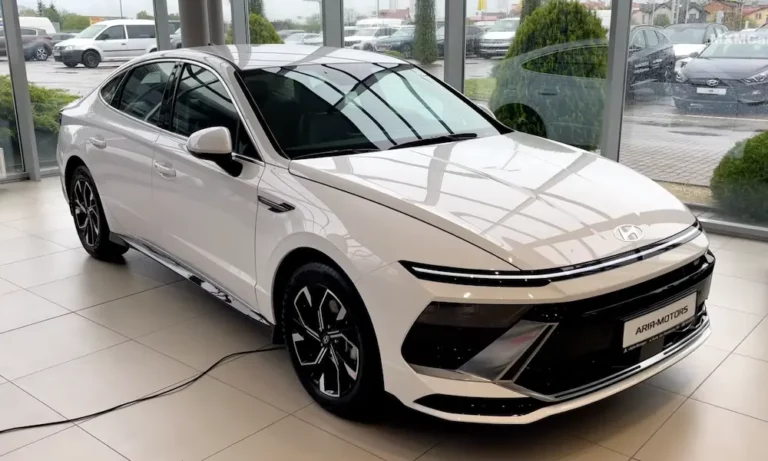
The 2024 model is the most complete Hyundai Sonata ever built. It’s not just an update — it’s essentially a new car within the eighth generation. Here’s what changed:
- All-wheel drive arrived for the first time via the HTRAC AWD system, closing the biggest competitive gap the Sonata had against rivals like the Toyota Camry and Subaru Legacy
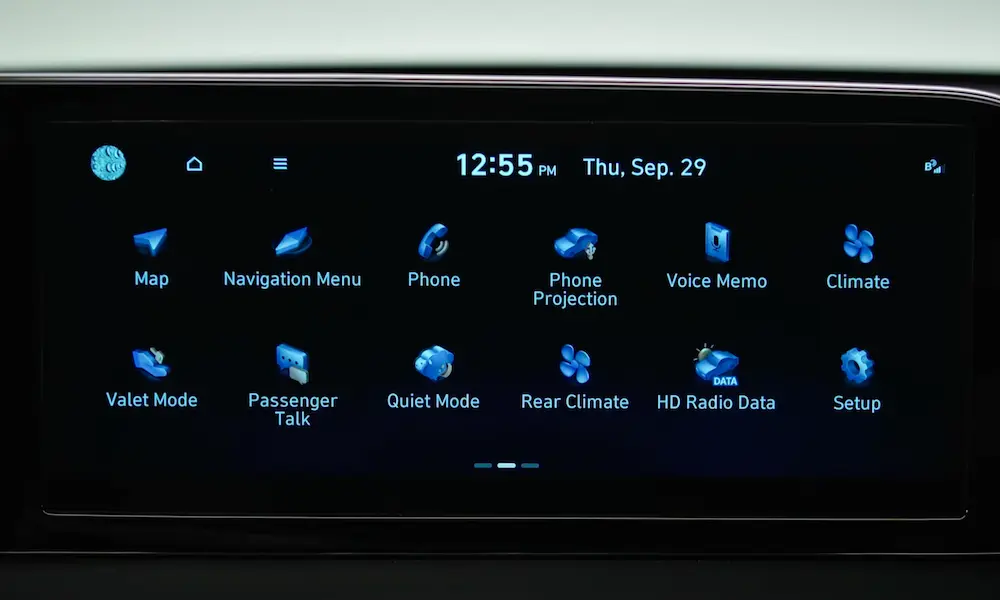
- Dual 12.3-inch curved display replaces the separate screens of earlier 2020–2023 models
- Wireless Apple CarPlay and Android Auto become standard
- The Smartstream engine family eliminates the carbon buildup issues of older GDI-only engines
- Engine immobilizers come standard on every single trim — no exceptions
The 2024 N Line also deserves a mention. Its 2.5-liter turbocharged engine produces 290 horsepower through an eight-speed wet dual-clutch transmission, making it one of the fastest front-wheel-drive sedans available at this price point. The 2024 update improved its cooling systems and shifting logic, so it’s more capable during spirited driving than the 2021 debut version.
For the safety-focused buyer, the 2024 adds features like Blind-Spot View Monitor (live video in your gauge cluster when you signal) and Remote Smart Parking Assist via key fob. The full SmartSense suite — adaptive cruise, lane-keeping, automatic emergency braking with pedestrian detection — comes standard across all trims.
Who it’s for: New or near-new buyers who want the best technology, all-weather capability, and full security without compromise.
The Years You Should Absolutely Avoid
2011–2014: The Engine Debris Problem
This is the most dangerous era in Sonata history. During manufacturing at Hyundai’s Alabama plant, metallic debris from the machining process wasn’t fully cleared from the crankshaft oil passages. That debris circulated through the engine, restricted oil flow to connecting rod bearings, and eventually caused catastrophic failure — often a sudden engine seizure while driving at speed.
Hyundai issued a lifetime warranty extension on the short block for affected owners and settled a class-action lawsuit, but the 2011–2014 models still sit at the top of every “avoid” list for good reason. The warranty coverage requires documented maintenance history. Miss an oil change record, and you may be on your own for a $4,000 engine replacement.
Additional issues in these years include steering column noise and an audio system bug that required a battery reset to fix. None of these are dealbreakers individually, but paired with the engine risk, these years simply aren’t worth the gamble.
2015–2017: Carryover Concerns
The seventh generation launched in 2015 with better build quality than its predecessor, but some engine-related carryover issues persisted in these early years. They’re not as risky as 2011–2014, but they’re also not the refined product that the 2018–2019 models became. If you’re shopping this generation, skip straight to 2018 or 2019.
The Theft Issue: What Every Sonata Buyer Must Know
Here’s something many buyers don’t realize until after they’ve signed the paperwork: most Sonatas from 2011–2022 with traditional key-start ignitions were sold without engine immobilizers. That’s standard equipment on almost every other car from that era.
A social media trend called the “Kia Challenge” showed how easily these ignitions could be bypassed with a USB cable. Theft rates in major cities skyrocketed. Some insurance companies restricted coverage for these models entirely.
Hyundai released a free anti-theft software upgrade that extends alarm duration and adds ignition restrictions. It helps. But reports from urban areas show that thieves still target these cars — they smash the window before realizing the patch is installed, leaving you with a broken window and a damaged steering column even if the car doesn’t move.
The clean solution: buy a 2020 or newer, which has a factory immobilizer on every trim. If you want a 2015–2019, stick with push-button start trims only.
What It Actually Costs to Own a Sonata
The Sonata’s ownership costs are genuinely impressive across all generations. RepairPal puts the average annual repair cost at $458 — well below the $526 midsize segment average. Unscheduled shop visits average just 0.3 per year.
The bigger financial factor is depreciation. A new Sonata loses roughly 42–45% of its value over five years. That sounds painful if you’re the first owner. For used buyers, it’s an opportunity.
Buying a two-year-old Sonata can save you around $12,336 versus buying new while still retaining most of the car’s useful life. The 2023 model year currently offers the best used car value — significant discount from new, 83% of predicted lifespan remaining, full eighth-generation tech, and factory immobilizer standard.
Maintenance Schedule to Hit 200,000 Miles
Whichever year you choose, these intervals keep your Sonata alive and well:
| Interval | Service |
|---|---|
| Every 5,000 miles | Oil and filter change |
| Every 7,500 miles | Tire rotation and brake inspection |
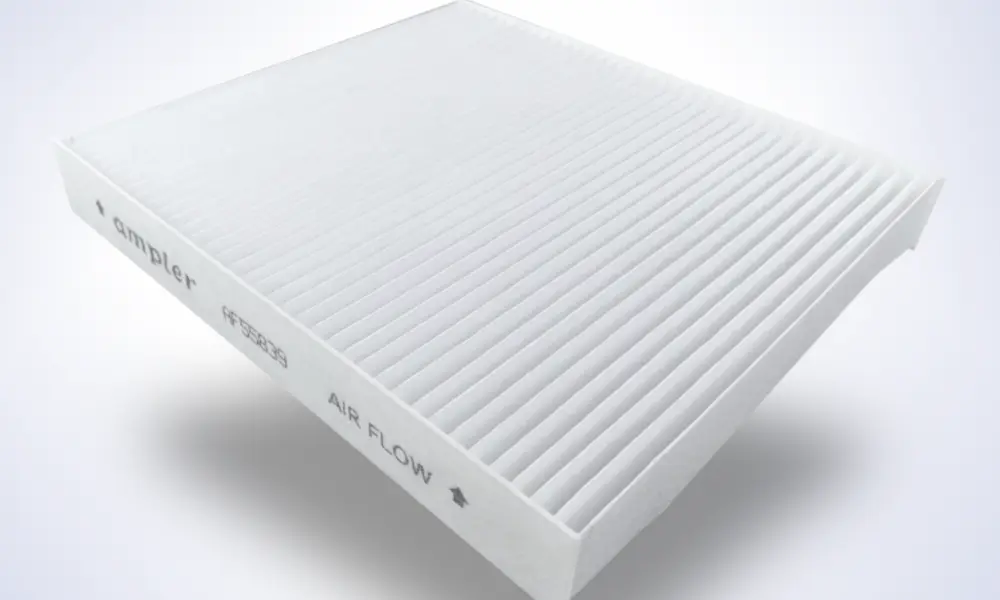
| Every 15,000 miles | Cabin air filter replacement |
| Every 30,000 miles | Brake fluid flush, engine air filter |
| Every 60,000 miles | Transmission fluid inspection |
| Every 100,000 miles | Coolant flush and spark plugs |
For 2018–2019 models purchased as Certified Pre-Owned, Hyundai’s 10-year/100,000-mile powertrain warranty may still be active. Keep every maintenance receipt. Missing records can void that coverage.
Hybrid and Performance: Two Sonatas Worth Knowing
If fuel economy is your priority, the 2020–2024 Sonata Hybrid hits up to 52 MPG combined and features a solar roof that adds a small amount of charge daily. It’s a genuine class leader — much more refined than the choppy 2011 hybrid debut.
If you want performance, the N Line (introduced in 2021, refined for 2024) is the pick. It’s not just a styling package. It gets larger brakes, stiffer suspension, bolstered sport seats, and that 290-horsepower turbocharged engine through a proper dual-clutch transmission. It genuinely competes with entry-level sport sedans at a fraction of the price.
The Final Verdict: Best Year for Hyundai Sonata
Three years stand above the rest:
2009 — Best for budget buyers who want simplicity and durability. The V6 especially is nearly bulletproof.
2019 (push-button start trims only) — Best for used car buyers who want modern features and J.D. Power-certified dependability.
2024 — Best for anyone buying new or near-new. AWD, full immobilizer coverage, top-tier tech, and Hyundai’s most refined powertrain yet.
Whatever you choose, stay on top of oil changes and keep your maintenance records. The Sonata has 200,000-mile potential in the right years. Don’t throw that away with neglect.