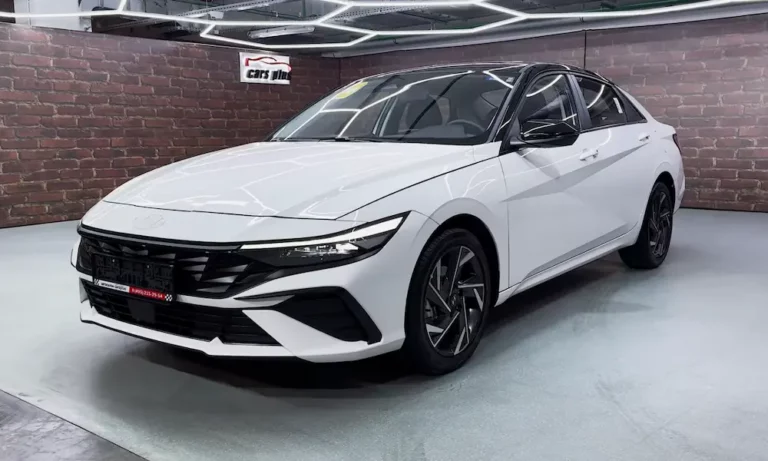
Picking the right Elantra year can save you thousands — or cost you an engine. This guide breaks down every generation, flags the years to avoid, and tells you exactly which model gives you the most for your money. Stick around, because the answer might surprise you.
Why the Hyundai Elantra Has Such a Wild Reliability History
The Elantra isn’t your average compact sedan with a boring, predictable track record. Some years are genuinely excellent. Others have catastrophic engine failures that’ll drain your wallet faster than a broken transmission.
The difference between a great Elantra and a terrible one often comes down to just one or two model years. So let’s get into it.
Generation-by-Generation Breakdown: What You Need to Know
Third Generation (2001–2006): The Quiet Overachiever
These cars don’t get enough credit. Hyundai loaded them with standard features — air conditioning, power steering, multiple airbags — that competitors charged extra for.
The 2006 Elantra is a standout for budget buyers. It scores 7.8/10 for reliability and has a high rate of repeat buyers. No complex electronics to fail. No turbos to rebuild. Just a simple, durable car.
If you’re shopping under $5,000, the 2006 is your best bet in this era.
Fourth Generation (2007–2010): One Great Year, Two Terrible Ones
The 2008 Elantra is one of the best versions of the car ever made. It scored 87 out of 100 from J.D. Power for quality and reliability. Owners regularly drove these past 100,000 miles without major issues. It was also one of the first Elantras to come with electronic stability control as standard equipment.
Then things went sideways.
The 2009 and 2010 models are worth skipping entirely. Here’s what went wrong:
- 2009: Front suspension failures at around 37,000 miles, with repair costs hitting $3,000
- 2009/2010: Electronic Power Steering (EPS) warning lights triggering without warning, sometimes cutting steering assist mid-drive
- 2010: Transmission slipping and jerking at low speeds, leading to total failure in some cases
| Model Year | Reliability Score | Major Issues | Verdict |
|---|---|---|---|
| 2007 | High | Minimal reports | Buy |
| 2008 | 87/100 J.D. Power | Minor electrical | Best of gen |
| 2009 | Below average | Front suspension failure ($3,000) | Avoid |
| 2010 | Poor | Slipping transmission, EPS faults | Avoid |
The jump from 2008 to 2009 is a perfect example of how quickly things can go wrong when component sourcing changes — even within the same generation.
Fifth Generation (2011–2016): The Nu Engine Disaster (And Its Recovery)
This is where the Elantra’s history gets complicated. The “Fluidic Sculpture” redesign looked fantastic. The new 1.8-liter Nu engine promised better efficiency. But the early years were a mess.
The 2012 and 2013 Elantras are the worst in the model’s history. Full stop.
The Nu engine had a manufacturing defect that caused piston slap — a condition where the piston doesn’t fit snugly in the cylinder. Cold starts create a loud metallic tapping. Over time, the cylinder walls wear down. Oil consumption increases. And in the worst cases, the connecting rod fractures and punches a hole through the engine block. Engine replacements ran $3,000–$5,000.
This wasn’t a minor inconvenience. It led to a class-action lawsuit and a settlement that extended engine warranties to 15 years or 150,000 miles — but only if owners completed a specific knock sensor software update.
The 2016 Elantra is a completely different story. By the final year of this generation, Hyundai had fixed the manufacturing tolerances. The 2016 earned a perfect 5/5 reliability rating from Consumer Reports and an 85/100 from J.D. Power.
| Model Year | Engine Risk | Transmission | Verdict |
|---|---|---|---|
| 2011 | High — piston slap | Average | Avoid |
| 2012 | Very high — engine failure | Average | Avoid |
| 2013 | Very high — stalling | Poor shifting | Avoid |
| 2014 | Moderate | Stable | Acceptable |
| 2015 | Low | Stable | Recommended |
| 2016 | Very low | Excellent | Best of gen |
The lesson here? Always buy the last year of a generation, not the first.
Sixth Generation (2017–2020): Great Reliability, Big Security Problem
Hyundai cleaned up its act with the sixth-gen Elantra. The 2018, 2019, and 2020 models all earn strong marks from reliability sources. The 2019 was the first Elantra to earn Consumer Reports’ “Recommended” badge, scoring high across its engine, transmission, and electronics.
The 2020 standardized the Hyundai SmartSense safety suite — forward-collision warning, lane-keeping assist, and automatic emergency braking — across the lineup. It also switched to a continuously variable transmission (IVT) that pushed highway fuel economy to 41 mpg.
But the 2017 model had first-year problems. Engine misfires, total power loss on highways, and dual-clutch transmission hesitation in stop-and-go traffic made it a frustrating ownership experience.
The theft crisis that nobody talks about enough:
Models from 2011–2022 with traditional key ignitions lack engine immobilizers. This gap fueled a social-media-driven theft epidemic that hit urban areas hard. Insurance premiums spiked. Some owners couldn’t get coverage at all.
Hyundai responded with a free software update and steering wheel locks, and thefts have since dropped significantly. But the reputational impact lingers with insurers.
Your workarounds if you’re buying a 2011–2022 Elantra:
- Buy a “Limited” trim or any model with push-button start — those had factory immobilizers
- Confirm the anti-theft software update has been applied
- Check with your insurer first before committing to the purchase
| Model Year | Safety Tech | Insurance Risk | Average Used Price |
|---|---|---|---|
| 2017 | Basic | High | ~$9,403 |
| 2018 | SmartSense available | High | ~$10,616 |
| 2019 | SmartSense expanded | High | ~$11,678 |
| 2020 | Full SmartSense standard | Moderate | ~$12,794 |
Seventh Generation (2021–Present): The Best Elantra Ever Made
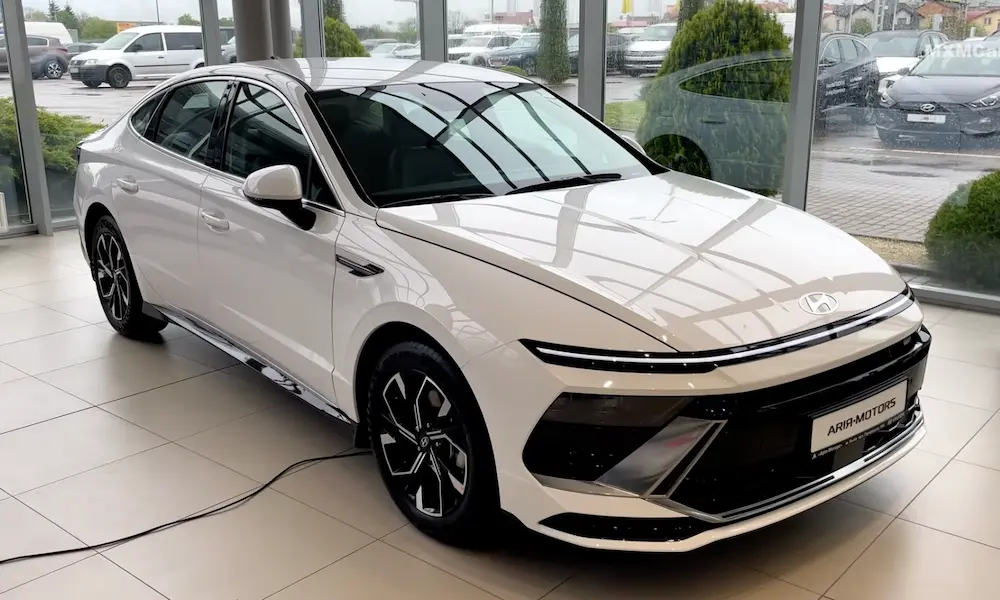
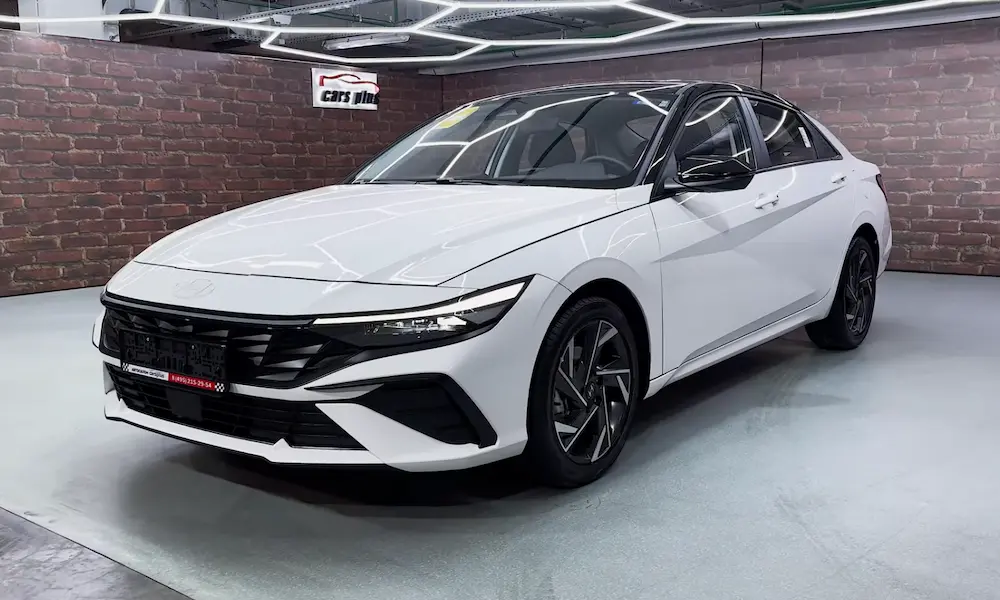
The 2021 redesign is the biggest leap the Elantra has ever made. Hyundai built it on a new platform with a longer wheelbase, more rear legroom, and a cabin that genuinely feels like it belongs in a larger car.
Highlights of the seventh generation:
- Elantra Hybrid: 50–54 mpg, putting it in Prius territory
- Elantra N: 276 horsepower, 0–60 in 5.5 seconds, track-tuned suspension
- Digital Key: Unlock and start with your phone
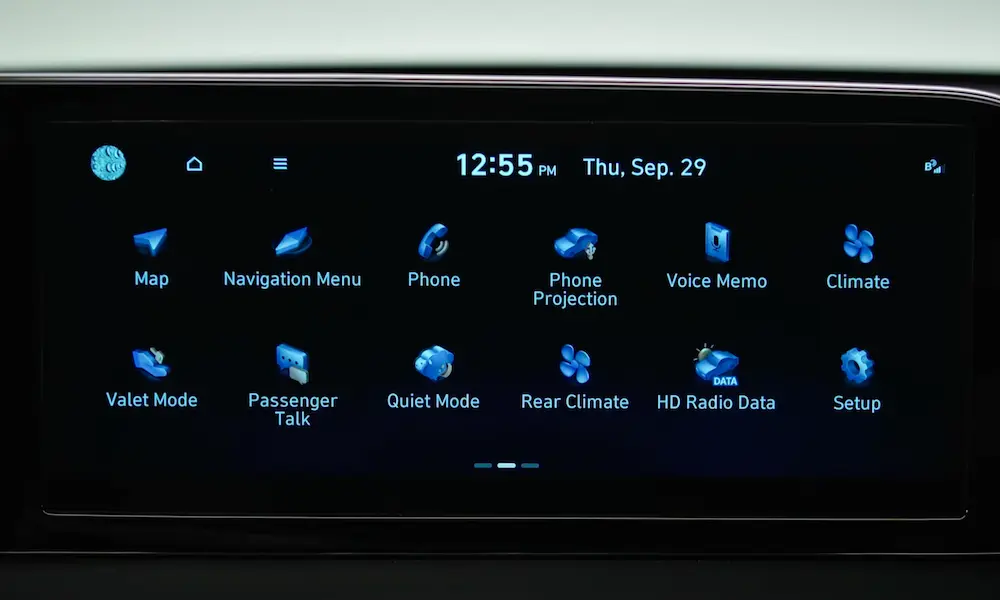
- Dual 10.25-inch screens: One for instruments, one for infotainment
- Wireless CarPlay: No cable required
Safety is where the current generation really shines. The 2024 Elantra earned the IIHS Top Safety Pick+ — the top designation in the industry — including updated side crash tests and nighttime pedestrian detection scores.
The 2021 also earned 5-star ratings from NHTSA in both frontal and side crash tests.
All 2021+ models come with engine immobilizers as standard equipment. The theft problem is effectively solved for this generation.
| Feature | 2016 | 2020 | 2024 |
|---|---|---|---|
| Infotainment | 5-inch basic | 7-inch with CarPlay | 10.25-inch digital |
| Safety | Good IIHS, no active assist | Full SmartSense | IIHS Top Safety Pick+ |
| Hybrid option | No | No | Yes (50–54 mpg) |
| Immobilizer | No | No (update available) | Yes — standard |
What Does It Actually Cost to Own an Elantra?
The numbers here are pretty encouraging. Elantra owners average just $452 per year in repair costs, compared to $550 for the compact car segment overall. Unexpected repairs happen roughly 0.3 times per year — right at the class average. And only 9% of repairs are “severe,” versus 11% for the average compact.
The Elantra depreciates faster than a Corolla or Civic, which is actually good news if you’re buying used. A 2019 Elantra can sell for about 23% below its original MSRP — solid value for a car that’s only a few years old.
Current used market pricing from CarGurus:
- 2016 Elantra: ~$7,975
- 2019 Elantra: ~$11,678
- 2020 Elantra: ~$12,794
- 2021 Elantra: ~$15,906
NHTSA Recalls: What to Check Before You Buy
The NHTSA has issued several notable recalls across Elantra history. Always verify these are resolved before buying used:
- 2017: Driver’s frontal airbag inflator installation defect
- 2011–2022: Knock sensor software update campaign to prevent engine failure
- 2001–2003: Braking and fuel tank issues
You can check any vehicle’s recall status directly on the NHTSA website using the VIN. Don’t skip this step.
The Final Verdict: Best Year for Hyundai Elantra
Here’s the honest breakdown by budget and priority:
Best overall (new or near-new): 2021 or newer. The current generation is the most spacious, safest, and most technology-packed Elantra ever built. The hybrid option alone makes it a serious long-term value play.
Best used value: 2020 Elantra. It has modern safety tech, high reliability scores, no immobilizer concerns (with the software update), and it’s already taken a significant depreciation hit. It’s the sweet spot.
Best budget pick under $10,000: 2016 Elantra. It dodges the engine failures of the 2012–2013 models and still looks sharp. Consumer Reports gave it a perfect reliability score.
Best classic budget choice: 2008 Elantra. If you find a well-maintained one, it’ll run for years. Simple, reliable, and cheap to fix.
Years to avoid without hesitation:
- 2012 and 2013 — engine failure risk is too high
- 2009 and 2010 — suspension and steering problems, slipping transmission
- 2017 — first-year growing pains with engine misfires and DCT hesitation
The best year for a Hyundai Elantra depends on your budget. But across every price range, one rule holds: buy the end of a generation, not the beginning. Hyundai consistently fixes its problems over a model cycle — you just don’t want to be the one paying for the learning curve.