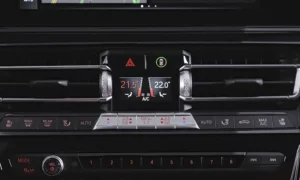
Is your BMW X3 blowing warm air on hot days? Your AC system might need a refrigerant recharge. Unlike mysterious engine problems, AC issues often have a straightforward fix that you can handle yourself with the right tools and knowledge. Let’s dive into everything you need to know about recharging your BMW X3’s air conditioning system.
What Is an AC Recharge and Why Your BMW X3 Might Need One
An AC recharge simply means refilling your air conditioning system with refrigerant—the special compound that actually creates the cooling effect in your car. Your BMW X3 uses one of two types of refrigerant depending on its model year.
Your X3 might need a recharge if:
- The air coming from your vents isn’t as cold as it used to be
- You’re feeling only lukewarm air even at maximum settings
- Your AC stops cooling in hot weather or at idle
- The system cycles on and off frequently
The refrigerant in your X3 doesn’t get “used up” during normal operation, but systems naturally lose about 10-15% refrigerant over 2-3 years through tiny leaks in seals and connections.
BMW X3 Refrigerant Specifications by Model Year
One of the most important factors in correctly recharging your X3’s AC is knowing which refrigerant to use. BMW switched refrigerant types between generations, so check this table to confirm what your vehicle needs:
| Generation | Years | Refrigerant Type | Fill Capacity | Oil Type |
|---|---|---|---|---|
| F25 | 2011-March 2018 | R-134a | 425 ± 10 g | PAG 46 (110-150 ml) |
| G01 | July 2018-present | R-1234yf | ~550 g | PAG 46 YF |
You can verify your X3’s refrigerant type by checking the sticker under the hood or in your owner’s manual.
Supplies Needed for Recharging Your BMW X3’s AC
Before starting, gather these items:
- Refrigerant canister with gauge and hose (must match your vehicle’s type—R-134a or R-1234yf)
- Safety glasses and gloves
- Digital thermometer (optional but helpful)
- Clean rag
- Owner’s manual (for reference)
For R-134a systems (2011-2018 X3 models), recharge kits are readily available at auto parts stores for $40-60. For R-1234yf systems (2018+ models), DIY options are limited since this newer refrigerant is more expensive and may require professional equipment.
Step-by-Step BMW X3 AC Recharge Guide
1. Locate the AC Service Ports
Start your hunt for the low-pressure service port, which is where you’ll connect your recharge kit:
- Make sure your engine is cool and turned off
- For F25 X3 models (2011-2018): The low-pressure port is typically located on the larger diameter AC line near the passenger side of the engine compartment
- For G01 X3 models (2018+): The port location is similar but may have a different colored cap (usually blue for low pressure)
The port will have a plastic protective cap that unscrews counterclockwise.
2. Prepare Your Recharge Kit
Proper preparation ensures a smooth recharging process:
- Put on safety glasses and gloves—refrigerant can cause frostbite on contact with skin
- Check that you have the correct refrigerant type for your model year
- If using a can with a gauge, attach the dispenser according to the kit instructions
- Shake the refrigerant can vigorously for about 30 seconds to mix the refrigerant and oil
3. Connect and Begin the Recharge
Time to connect and add refrigerant:
- Start your X3 and set the AC to maximum cooling with the fan on high and recirculation on
- Attach the recharge hose to the low-pressure service port—it should click or snap into place
- Watch the pressure gauge as you connect; it should show a reading between 25-35 PSI if there’s some refrigerant in the system
- If the pressure is below 25 PSI, your system is likely low on refrigerant
- Begin adding refrigerant in 5-10 second bursts, checking the pressure gauge between additions
For F25 X3 owners using R-134a: The ideal pressure depends on ambient temperature but generally falls between 25-45 PSI on the low side when the AC is running.
4. Monitor the System and Temperature
As you add refrigerant, pay attention to how your system responds:
- The air from the center vents should begin to get colder
- Use a digital thermometer to check the vent temperature—properly functioning BMW X3 AC systems typically blow air between 40-45°F
- The compressor clutch (found on the front of the compressor) should engage continuously rather than cycling on and off frequently
- Add refrigerant in small increments until you reach the correct pressure or temperature
Be careful not to overcharge the system—this can damage your compressor. Stop when you reach the recommended pressure or when the air temperature from the vents is at the proper level.
5. Complete the Recharge
Once your system is properly charged:
- Allow the system to run for 5-10 minutes to stabilize
- Check for any unusual noises from the AC compressor
- Disconnect the recharge hose by pressing the quick-connect release (be careful as the hose may contain some refrigerant under pressure)
- Replace the protective cap on the service port
- Clean up your work area
Signs You’ve Successfully Recharged Your BMW X3’s AC
After completing the recharge, you should notice:
- Consistently cold air from all vents (40-45°F)
- The compressor runs smoothly without excessive cycling
- No unusual noises from the AC system
- Stable pressure readings on your gauge
When DIY Isn’t Enough: Signs of Bigger Problems
Sometimes a simple recharge won’t solve your cooling problems. Consider professional service if:
- You notice your system needs frequent recharges. As one X3 owner reported, needing “just a tiny shot” of refrigerant regularly usually indicates a slow leak that should be found and fixed.
- You hear unusual noises from the compressor
- The system pressure doesn’t build properly during recharge
- The AC works intermittently despite having the correct refrigerant level
- Your vent temperature improves but quickly returns to being warm
Cost Comparison: DIY vs. Professional Service
Doing an AC recharge yourself can save money, but it’s worth understanding the cost difference:
DIY Recharge:
- R-134a kit (2011-2018 X3): $40-60
- R-1234yf refrigerant (2018+ X3): Limited DIY options due to specialized equipment requirements
- Time investment: 30-60 minutes
- Total DIY cost: $40-60 for older models
Professional Service:
According to RepairPal, a professional BMW X3 AC recharge typically costs:
- Parts: ~$61
- Labor: $171-$251
- Total professional cost: $232-$312 (not including taxes or additional repairs)
The professional service includes a system inspection and often a leak test, which can identify problems before they cause compressor damage.
Tips for Maintaining Your BMW X3 AC System
Keep your AC system running optimally with these maintenance tips:
- Run your AC at least once a week for 10 minutes (even in winter) to keep seals lubricated
- Replace your cabin air filter annually for better airflow
- Keep the condenser (located in front of your radiator) clean and free of debris
- Have your AC system inspected as part of your regular maintenance
- If you detect a slight drop in cooling performance, recharge early rather than waiting for complete failure
BMW X3 AC Troubleshooting Guide
If you’re still having issues after a recharge, check these common problems:
Blows cold then warm:
- Possible clogged expansion valve or failing compressor clutch
- Try running the AC with the hood open to see if the compressor clutch engages properly
Cold air only at highway speeds:
- Often indicates a partially blocked condenser
- Check for debris and clean the front of your radiator and condenser
Cold air stops in heavy traffic:
- Could be a failing cooling fan not providing enough airflow across the condenser
- Check fan operation when the AC is running at idle
Cold air from some vents but not others:
- Usually a blend door actuator problem rather than a refrigerant issue
- Requires professional diagnosis
Final Thoughts
Recharging your BMW X3’s AC system is a manageable DIY project that can restore your comfort during hot weather and save you money compared to professional service. However, remember that modern AC systems are complex, and refrigerants can be harmful to the environment if not handled properly.
If you’re uncomfortable with any aspect of the process or if your system shows signs of more serious problems, don’t hesitate to seek professional help. The cost of professional service is often worth it to avoid potential damage to expensive components like your AC compressor.
Keep cool and enjoy your drives in your properly climate-controlled BMW X3!