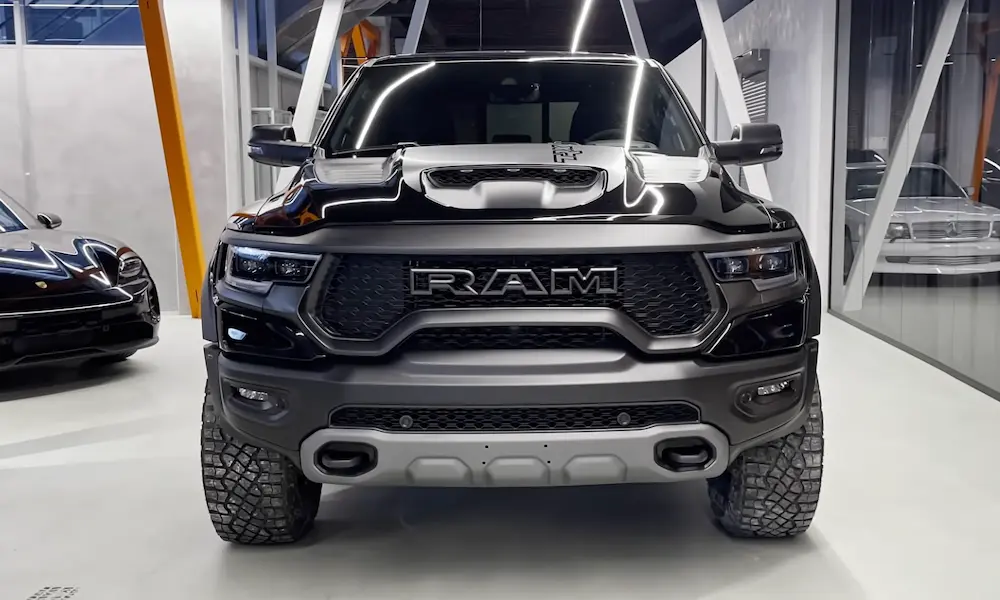
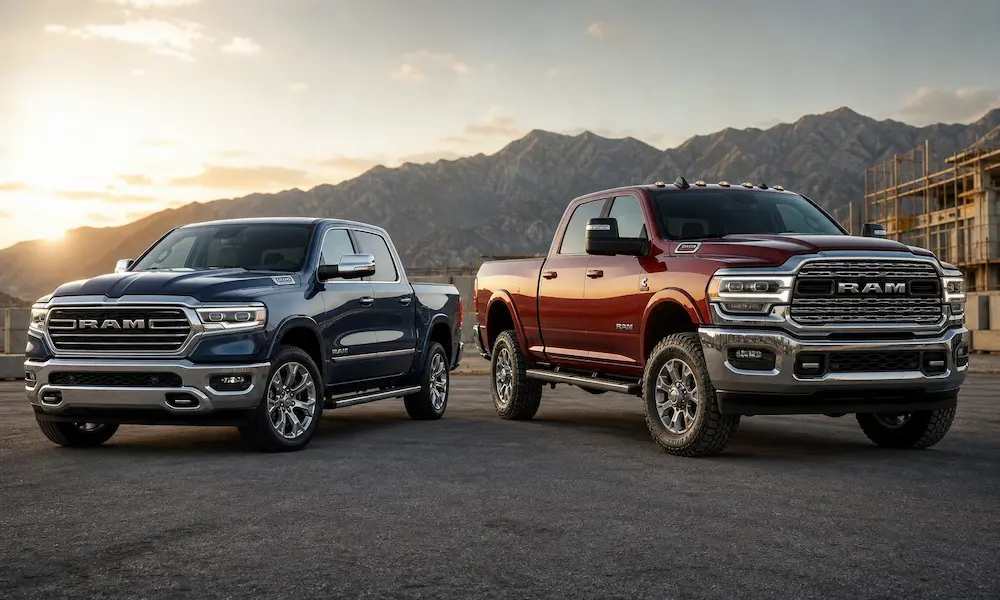
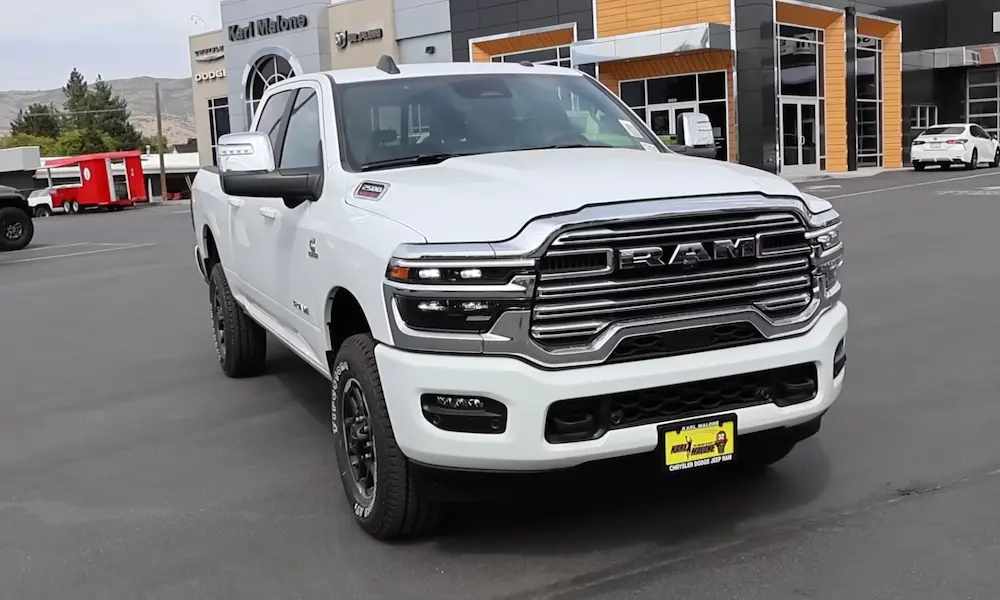
Want to transform your 3.6 Pentastar V6 from mild to wild? Whether you’re piloting a Jeep Wrangler, Dodge Charger, or Ram 1500, that factory 305 horsepower is just the beginning. With the right modifications, you can push your Pentastar beyond 600 horsepower while maintaining reliability. Let’s dive into the most effective performance upgrades that’ll make your V6 outmuscle many V8s on the road.
Why Upgrade Your Pentastar?
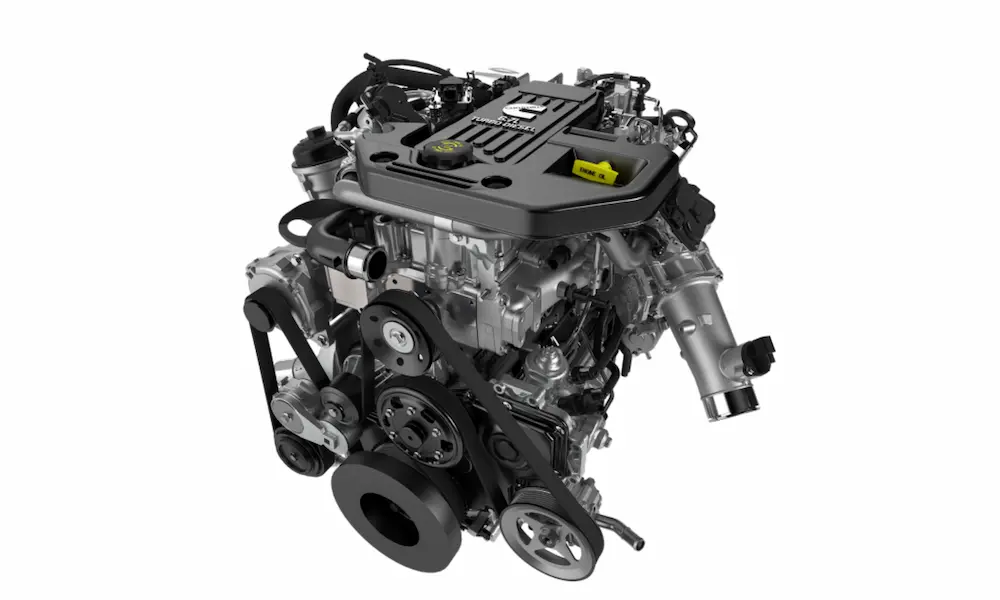
The 3.6L Pentastar is a marvel of modern engineering. Introduced in 2010, it’s become Mopar’s go-to powerplant across multiple platforms. But even good engines have untapped potential.
Here’s what makes the Pentastar worth upgrading:
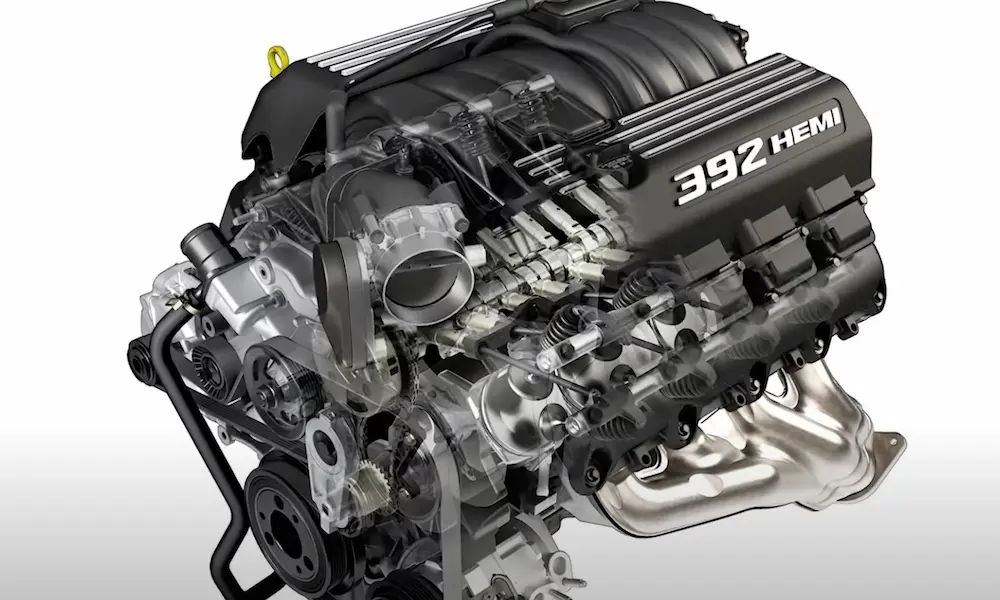
- Lighter than a Hemi (94 pounds lighter!)
- Modern DOHC design responds well to mods
- Broad aftermarket support
- Excellent power-to-weight ratio potential
Forged Internals: Building a Bulletproof Foundation
Pistons and Rods: The Heart of High Horsepower
If you’re planning on serious power gains, especially with forced induction, stock internals won’t cut it. Prodigy Performance’s forged internal bundle combines Diamond pistons and Carrillo connecting rods that can handle over 600 wheel horsepower.
The benefits of forged internals include:
- 30% greater tensile strength than factory parts
- 18% reduction in reciprocating mass for quicker revving
- Ability to withstand 7,000+ RPM operation
- Enhanced thermal stability under boost
Most impressive? These components reduce engine weight while increasing strength—a win-win for performance enthusiasts.
Head Studs: Critical for Boost
When cylinder pressures rise with forced induction, head gasket failures become a real concern. ARP head studs deliver 20% greater clamping force than stock bolts, preventing the heartbreak of blown head gaskets when you’re deep into boost.
Forced Induction: The Power Multiplier
Supercharger Systems: Immediate Gains
Nothing transforms a Pentastar quite like forced induction. The RIPP Modifications Supercharger Kit uses a Vortech V3 Si-Trim compressor pushing 11-12 psi through an air-to-air intercooler.
What you’ll gain:
- Up to 425 wheel horsepower (67% increase!)
- Broad, flat torque curve from 2,800-6,200 RPM
- Self-contained lubrication system
- Compatibility with AWD models
For $8,000-10,000 installed, you’ll have V8-level performance without the weight penalty of an engine swap. The centrifugal design also maintains excellent driveability, with power building progressively rather than hitting all at once.
Turbocharging: Maximum Top-End Power
If sheer horsepower is your goal, turbocharging offers the highest ceiling. Prodigy Performance’s Precision Turbo Kit can push modified Pentastars beyond 700 horsepower.
The twin-scroll turbo design spools 15% faster than traditional single-scroll setups, delivering boost earlier in the RPM range. Keep in mind that proper supporting mods are absolutely essential at this power level.
Intake and Exhaust Upgrades: Let It Breathe
The PUG Manifold Upgrade: OEM+ Performance
The Pentastar Upgrade (PUG) lower intake manifold is a factory-developed improvement that fits all 3.6L engines. Installing this upgraded manifold delivers:
- 12% longer runners for better low-end torque
- Improved port design for 8-12 HP gains
- Better throttle response throughout the RPM range
At around $400, the PUG manifold offers exceptional bang for your buck. It’s a direct bolt-on part using factory gaskets and hardware, making installation straightforward even for DIYers.
Throttle Body: Opening the Gateway
Pairing your PUG manifold with a 78mm throttle body removes another restriction. The larger bore allows up to 15% more airflow at wide-open throttle, which becomes increasingly important as you add other mods.
Performance Exhaust: Free the Exhaust Flow
While the Pentastar doesn’t benefit from headers as dramatically as some engines, a complete exhaust system with high-flow cats and 3-inch mandrel-bent piping can free up 22-28 horsepower on forced induction builds by reducing backpressure.
Look for systems with:
- Mandrel bends (not crush bends)
- High-flow catalytic converters
- Straight-through muffler designs
- 2.5″ to 3″ diameter tubing
Engine Management: Tuning for Performance
Performance Calibration: Software Matters
A quality tune is essential for extracting maximum performance. The Livernois Motorsports 50-State Legal Tune remaps your ECU for:
- 43 HP and 40 lb-ft torque gains
- Adaptive knock control to prevent detonation
- Optimized transmission shift points
- More aggressive throttle mapping
At $329, this is one of the most cost-effective upgrades available. When paired with cold air intake and exhaust modifications, the gains can exceed 50 horsepower.
Fuel System Upgrades: Feed the Beast
For forced induction, stock injectors become a bottleneck. Upgrading to 660cc injectors ensures adequate fuel delivery and supports higher outputs. These larger injectors are particularly important when running E85, which requires about 30% more volume than gasoline.
Supporting Modifications: Reliability Matters
Oil Management: The Lifeblood of Performance
The Pentastar has some known oiling challenges, especially in high-performance applications. Adding a remote oil filter kit with a check valve helps maintain oil pressure during cold starts and hard cornering.
Oil Catch Can: Protecting Your Intake
blow-by gases can contaminate your intake system and reduce performance over time. A quality catch can system intercepts these contaminants before they can cause problems. Users report collecting 2-3 ounces of oil per 1,000 miles in boosted applications—oil that would otherwise coat your intake valves and disturb air/fuel mixtures.
Cooling Upgrades: Managing Heat
Heat is the enemy of performance. Consider these cooling upgrades:
- 180° performance thermostat
- High-capacity aluminum radiator
- Electric cooling fans
- Engine oil cooler (essential for forced induction)
Performance Packages: Staged Approach
The most successful Pentastar builds follow a staged approach to ensure components work harmoniously:
Stage 1: Naturally Aspirated Enhancement
- PUG intake manifold
- 78mm throttle body
- Cold air intake
- Performance tune
- Cat-back exhaust
Expected gains: 35-45 horsepower
Stage 2: Mild Forced Induction
- All Stage 1 mods
- Supercharger kit (8-10 psi)
- Oil catch can
- Upgraded fuel injectors
- Complete 3″ exhaust system
Expected gains: 150-180 horsepower
Stage 3: Maximum Performance
- Forged internal components
- Turbocharger system or high-boost supercharger
- Fuel system upgrades
- Custom ECU tuning
- Engine oil cooling system
- Transmission upgrades
Expected gains: 300+ horsepower
Real-World Results: What to Expect
Here’s what real Pentastar owners have achieved with these upgrades:
| Modification Level | Approximate Cost | Wheel Horsepower | 1/4 Mile Time | Reliability Rating |
|---|---|---|---|---|
| Stock 3.6L | $0 | 260-270 | 14.8-15.2 | ★★★★★ |
| Stage 1 | $1,500-2,500 | 290-315 | 14.2-14.6 | ★★★★★ |
| Stage 2 | $8,000-11,000 | 420-450 | 12.8-13.2 | ★★★★☆ |
| Stage 3 | $15,000-20,000 | 550-700+ | 11.0-12.0 | ★★★☆☆ |
The beauty of the Pentastar platform is its scalability. You can build modest power relatively inexpensively, or go all-out for maximum performance if your budget allows.
Making Smart Upgrade Decisions
When upgrading your Pentastar, consider these factors:
- Intended use: Daily driver? Weekend warrior? Track car?
- Budget: Start with the best bang-for-buck mods
- Mechanical skill: Some upgrades are DIY-friendly, others require professional installation
- Long-term goals: Plan your build path to avoid replacing parts later
Remember that each modification affects others. A performance tune that works perfectly with stock hardware will need adjustment when you add forced induction or other significant changes.
The Pentastar Advantage
While some purists still advocate for Hemi swaps, the modern Pentastar offers compelling advantages:
- 94-pound weight savings over a Hemi
- Better weight distribution
- Modern DOHC design with variable valve timing
- Excellent response to forced induction
- Improving aftermarket support
With proper modifications, your “humble” V6 can surprise a lot of V8 owners—all while maintaining better fuel economy when cruising.
The 3.6 Pentastar has proven to be a remarkably capable platform for performance upgrades. Whether you’re looking for modest improvements or planning to build a 600+ horsepower monster, the aftermarket has solutions that can transform your driving experience while maintaining the practical advantages that made you choose a Pentastar-powered vehicle in the first place.