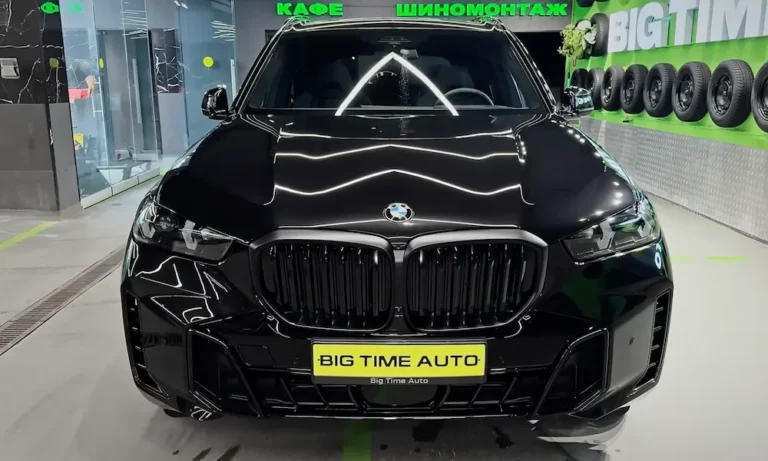
Ever wondered how the BMW X5 stacks up when it comes to fuel economy? With gas prices constantly fluctuating, understanding what to expect from this luxury SUV’s fuel consumption could be the deciding factor in your purchase decision. Whether you’re eyeing the efficient six-cylinder models, the powerful V8 variants, or the innovative plug-in hybrid option, each X5 has its own fuel economy story to tell.
Let’s dive into the real-world fuel mileage you can expect from the BMW X5 lineup, examining how different driving habits affect consumption, and helping you determine which model might best suit your lifestyle and budget.
How Efficient Is the BMW X5 Lineup?
The 2025 BMW X5 offers a range of powertrains, each with distinct fuel economy profiles designed to meet different driver needs:
X5 sDrive40i & xDrive40i: The Balanced Performers
The foundation of the X5 range is built on BMW’s acclaimed 3.0-liter TwinPower Turbo inline 6-cylinder engine with 48V mild-hybrid technology. This powertrain delivers:
- 375 horsepower and 398 lb-ft of torque
- 0-60 mph time of about 5.2 seconds
- EPA ratings of 23 MPG city, 27 MPG highway, 25 MPG combined
Interestingly, both the rear-wheel-drive sDrive40i and all-wheel-drive xDrive40i share identical fuel economy ratings, meaning you don’t sacrifice efficiency when opting for the added traction of xDrive. With a 21.9-gallon fuel tank, these models can theoretically travel over 590 miles on the highway before needing a refill.
X5 xDrive50e: The Plug-in Hybrid Option
The xDrive50e represents BMW’s advanced approach to efficiency through electrification:
- Combined 483 horsepower from a 3.0-liter inline-6 engine and electric motor
- 0-60 mph in just 4.6 seconds
- 58 MPGe combined when using both gasoline and electric power
- Approximately 39 miles of all-electric range
- 22-23 MPG combined when operating on gasoline only (after battery depletion)
This plug-in hybrid essentially offers two vehicles in one: an electric car for daily commuting and a traditional hybrid for longer journeys.
X5 M60i & M Competition: Power with Surprising Efficiency
For those seeking maximum performance, BMW offers two V8-powered models:
X5 M60i:
- 4.4-liter BMW M TwinPower Turbo V8 with 48V mild-hybrid system
- 523 horsepower
- 0-60 mph in 4.2 seconds
- 17 MPG city, 22 MPG highway, 19 MPG combined
X5 M Competition:
- Uprated 4.4-liter V8 producing 617 horsepower
- 0-60 mph in a blistering 3.7 seconds
- 13 MPG city, 18 MPG highway, 15 MPG combined
Here’s how the full lineup compares:
| Model | Powertrain | Horsepower | 0-60 MPH (sec) | EPA City MPG | EPA Highway MPG | EPA Combined MPG | Est. Highway Range (miles) |
|---|---|---|---|---|---|---|---|
| X5 sDrive40i | 3.0L Turbo I-6 Mild-Hybrid | 375 | 5.3 | 23 | 27 | 25 | 591 |
| X5 xDrive40i | 3.0L Turbo I-6 Mild-Hybrid | 375 | 5.2 | 23 | 27 | 25 | 591 |
| X5 M60i | 4.4L Twin-Turbo V8 Mild-Hybrid | 523 | 4.2 | 17 | 22 | 19 | 482 |
| X5 M Competition | 4.4L Twin-Turbo V8 Mild-Hybrid | 617 | 3.7 | 13 | 18 | 15 | 394 |
Real-World Fuel Economy vs. EPA Ratings
EPA ratings provide a standardized benchmark, but how does the BMW X5 perform in the real world? Owner experiences and professional tests reveal some interesting patterns:
X5 40i Models: Often Exceeding Expectations
Many X5 40i owners report highway fuel economy that regularly exceeds the EPA estimate of 27 MPG:
- Professional tests have recorded 28 MPG at steady 75-mph highway speeds
- Some owners report 30+ MPG on long highway trips
- City driving typically yields 18-23 MPG, depending on traffic conditions
One owner shared on Reddit: “The MPG you can get in new X5’s is truly astonishing to me. I’m averaging 33-35 MPG on the highway in my 40i, which is incredible for a vehicle this size.”
X5 xDrive50e: Two Different Experiences
The plug-in hybrid offers two drastically different ownership experiences depending on how it’s used:
- Regular charging with short commutes: Owners who drive less than the 39-mile electric range and charge daily often report extraordinary long-term averages of 60-90 MPG.
- Long-distance travel without charging: When used primarily for highway driving without regular charging, the xDrive50e actually becomes less efficient than the standard 40i models, returning about 22-23 MPG (compared to the 40i’s 27+ MPG highway rating).
Climate also impacts the PHEV’s performance, with cold weather reducing electric range by approximately 15-25% in freezing temperatures.
X5 M60i & M Competition: Better Than Expected on Highways
The V8 models show interesting efficiency characteristics:
- City driving in sport mode can drop efficiency to 12-13 MPG
- Highway cruising often exceeds EPA ratings, with many M60i owners reporting 23-24 MPG at steady speeds
- Professional testing has recorded 24 MPG at 75 mph for the M60i, 2 MPG better than its EPA highway rating
How BMW X5 Fuel Economy Compares to Competitors
To put the X5’s efficiency in perspective, let’s compare it with key rivals in the luxury midsize SUV segment:
Six-Cylinder Models
The BMW X5 xDrive40i leads its class in six-cylinder efficiency:
- BMW X5 xDrive40i: 25 MPG combined
- Mercedes-Benz GLE 450 4MATIC: 21 MPG combined
- Audi Q7 55 TFSI: 20 MPG combined
- Porsche Cayenne (Base): 19 MPG combined
The X5 maintains this 4-5 MPG advantage while delivering 375 horsepower, which matches or exceeds its competitors.
Plug-in Hybrid Models
The PHEV segment shows different priorities among manufacturers:
- BMW X5 xDrive50e: 58 MPGe / ~39-mile EV range / 483 hp
- Mercedes-Benz GLE 450e 4MATIC: 60 MPGe / ~50-mile EV range / 381 hp
- Porsche Cayenne E-Hybrid: 22 MPG combined (gas) / ~24-29-mile EV range / 463 hp
The Mercedes prioritizes electric range, the BMW balances range with performance, and the Porsche focuses more on driving dynamics with a shorter electric range.
V8 Performance Models
Even in the performance category, the X5 remains competitive:
- BMW X5 M60i: 19 MPG combined (523 hp)
- Mercedes-Benz GLE 580 4MATIC: 17 MPG combined (510 hp)
- Porsche Cayenne S: 18 MPG combined (468 hp)
Factors That Affect Your X5 Fuel Economy
Several key variables significantly impact the mileage you’ll achieve in your BMW X5:
Driving Style
This is the single most influential factor in real-world fuel economy:
- Aggressive acceleration and braking can reduce efficiency by 15-30%
- Using Sport mode increases consumption noticeably compared to Comfort or Eco Pro modes
- Maintaining steady speeds on highways significantly improves efficiency
Traffic Conditions & Route Type
- Stop-and-go traffic dramatically reduces efficiency, especially in V8 models
- Highway cruising at consistent speeds allows all X5 models to achieve their best fuel economy
- Mountainous terrain and high elevation can increase consumption
Vehicle Configuration
- Larger wheels (21″ or 22″) can reduce fuel economy by 1-2 MPG compared to standard 19″ or 20″ wheels
- Roof racks, bike carriers, and other accessories that increase aerodynamic drag will lower efficiency
- Heavier loads and towing will significantly increase fuel consumption
Climate Control Use
- Using the climate control system aggressively can reduce fuel economy by 1-3 MPG
- The PHEV model’s electric range is particularly affected by heating needs in cold weather
BMW X5 Fuel Economy Through the Years
The current G05 generation of X5 has seen steady improvements in efficiency:
- The 2022-2023 X5 40i models were rated at 21 MPG city and 25-26 MPG highway
- The 2024-2025 refresh introduced standard 48V mild-hybrid technology, boosting ratings to 23 MPG city and 27 MPG highway
- The plug-in hybrid has seen the most dramatic evolution, with the 2024-2025 xDrive50e increasing power by nearly 100hp compared to the previous xDrive45e while also improving electric range from 31 to 39 miles
Which BMW X5 Should You Choose for Optimal Fuel Economy?
The “best” X5 for fuel economy depends entirely on your specific driving patterns and lifestyle:
For Mixed Driving with Regular Long Trips:
The X5 xDrive40i is the ideal choice. It offers the most consistent efficiency across all driving scenarios, excellent highway range, and doesn’t require any special charging infrastructure or changes to your driving habits. Real-world highway efficiency often exceeds 30 MPG, making it a surprisingly economical long-distance cruiser.
For Short Commutes with Access to Charging:
The X5 xDrive50e plug-in hybrid can deliver extraordinary efficiency if your daily driving is within its electric range and you have reliable access to charging. For the right user, it can function essentially as an electric vehicle for day-to-day driving with the convenience of gasoline power for longer trips.
For Performance Enthusiasts Who Still Value Efficiency:
The X5 M60i strikes a compelling balance. While certainly less efficient than the six-cylinder models, it delivers thrilling performance with surprisingly good highway fuel economy. Its mild-hybrid system helps manage consumption in city driving, and many owners report better-than-expected efficiency during steady highway cruising.
Maximizing Your BMW X5 Fuel Efficiency
No matter which X5 model you choose, these tips can help you get the most miles from each gallon:
- Use Eco Pro Mode for daily driving – it optimizes throttle response, transmission shifts, and climate control operation for efficiency
- Monitor Your Driving with the BMW’s efficiency displays to develop more economical habits
- Maintain Proper Tire Pressure – underinflated tires can reduce fuel economy by up to 3%
- Remove Unnecessary Weight from your vehicle
- Plan Efficient Routes that avoid heavy traffic and excessive stopping
- Combine Short Trips when possible, as cold starts use more fuel
- For PHEV Owners: Charge regularly and use the “Battery Control” mode to save electric range for city driving
The BMW X5 delivers impressive fuel economy for its class, especially considering its performance capabilities and luxury appointments. By choosing the right model for your specific driving needs and adopting efficient driving habits, you can enjoy the X5’s legendary driving experience while keeping fuel costs manageable.