Noticing dark spots under your Ford Focus? That mysterious puddle might be telling you something important about your engine’s health. Oil leaks in the Ford Focus are more than just a nuisance – they can lead to serious engine damage if left unchecked. Let’s dive into the most common culprits behind these leaks and how you can identify and address them before they empty your wallet.
Valve Cover Gasket: The #1 Leak Source
The valve cover gasket is the most frequent offender when it comes to oil leaks in the Ford Focus across all generations. This rubber seal sits between the valve cover and cylinder head, preventing oil from escaping.
When this gasket fails, you’ll notice:
- A distinct burning oil smell, especially after driving
- Oil residue on top of the engine
- Oil dripping down the back of the engine onto the transmission bell housing
- Oil in the spark plug wells, which can cause engine misfiring
The valve cover gasket typically fails due to heat cycling – the constant heating and cooling that causes the rubber to harden and crack over time. This is particularly common in regions with significant temperature fluctuations.
Want to check if this is your leak source? Look for oil around the perimeter of the valve cover, especially at the corners where the gasket changes direction. Using a flashlight to inspect the area can help you spot even minor seepage.
High-Pressure Fuel Pump Leaks: The Sneaky Culprit
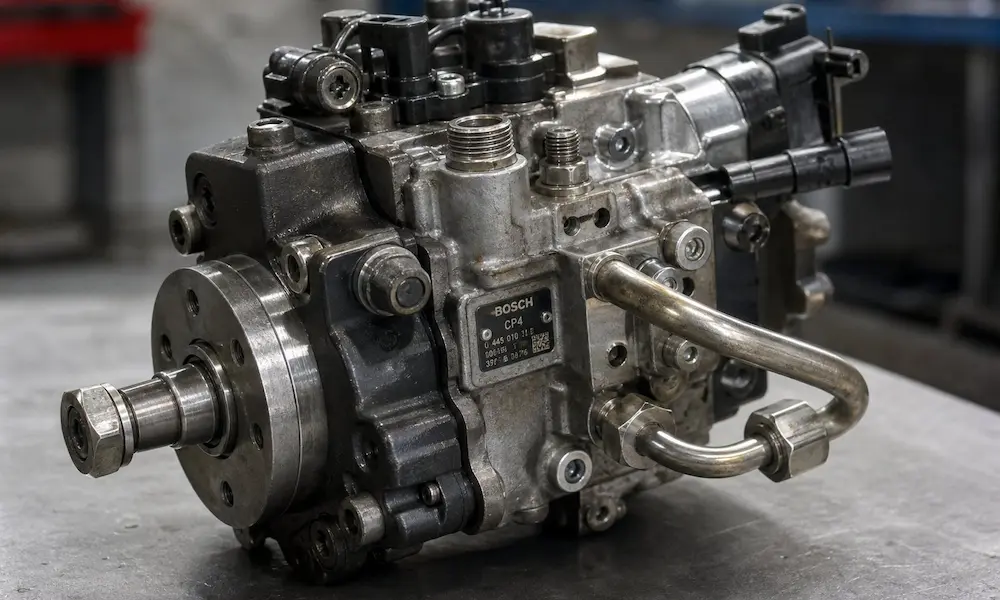
On newer Ford Focus models with direct injection engines, the high-pressure fuel pump is another common source of oil leaks. This component mounts directly to the cylinder head and is driven by the camshaft.
What makes this leak particularly troublesome is how it presents:
- Oil drips down from the pump mounting area
- The leak often spreads across the undercarriage, making it difficult to pinpoint
- Many mechanics mistakenly diagnose it as a rear main seal leak
The fuel pump uses a gasket that deteriorates over time due to the pressure fluctuations created by the pump operation. When checking for this leak, focus on the area where the high-pressure fuel pump mounts to the cylinder head – typically on the top front portion of the engine.
Oil Pan Gasket: The Bottom Dweller
The oil pan gasket seals the bottom of the engine where the oil pan attaches to the engine block. When this gasket fails, it creates one of the more visible and messy leaks on your Ford Focus.
Signs of an oil pan gasket leak include:
- Oil puddles directly under the center of your vehicle
- Fresh oil coating on the bottom of the oil pan
- Low oil warnings if the leak is severe enough
The repair costs typically range from $428-$589 for parts and labor, making this a moderately expensive fix. The gasket usually fails at the corners where it changes direction, or due to impact damage from road debris.
Pro tip: If you’re experiencing an oil pan leak, check your drain plug as well. Overtightened drain plugs can warp the pan and create leaks that no new gasket will fix.
Rear Main Seal: The Expensive Fix
The rear main seal sits where the engine meets the transmission, sealing the crankshaft as it exits the engine block. When this seal fails, you’ll notice:
- Oil dripping from the transmission bell housing area
- Oil accumulation on the bottom of the flexplate/flywheel
- Persistent leaks that seem to defy repair attempts
Ford Focus ST models seem particularly susceptible to rear main seal issues, possibly due to higher crankcase pressures from performance modifications. Some owners report needing multiple seal replacements, suggesting potential design issues with certain model years.
This repair is one of the most expensive oil leak fixes because it requires removing the transmission to access the seal. If you’re facing this issue, it’s worth checking if there are any technical service bulletins from Ford addressing your specific model year.
Oil Filter Housing: The Modern Problem
Newer Ford Focus models, especially those with the EcoBoost engines, often develop leaks from the oil filter housing assembly. This component can leak from multiple points:
- The main housing gasket where it meets the engine block
- Oil cooler connections (on models with integrated oil coolers)
- Breather system connections attached to the housing
To identify this leak, look for oil accumulation around the oil filter mounting area and trace any oil trails to their highest point. Often, what appears to be a lower leak actually originates from this housing and flows down the side of the engine.
If you suspect an oil filter housing leak, check the torque on the mounting bolts (if accessible) as improper torque can cause or worsen leaks.
PCV System: The Pressure Problem
The Positive Crankcase Ventilation (PCV) system manages pressure inside your engine. When components of this system fail, they can create or worsen oil leaks throughout the engine.
Common PCV-related leak points in the Ford Focus include:
- PCV valve and associated hoses
- PCV plate gaskets (especially on ST and RS models)
- Breather system components
Excessive crankcase pressure often indicates worn piston rings or other internal engine issues. If you fix an oil leak only to have it return quickly, consider having the crankcase pressure tested to rule out underlying problems.
Transmission-Related Oil Leaks: The Confusing Ones
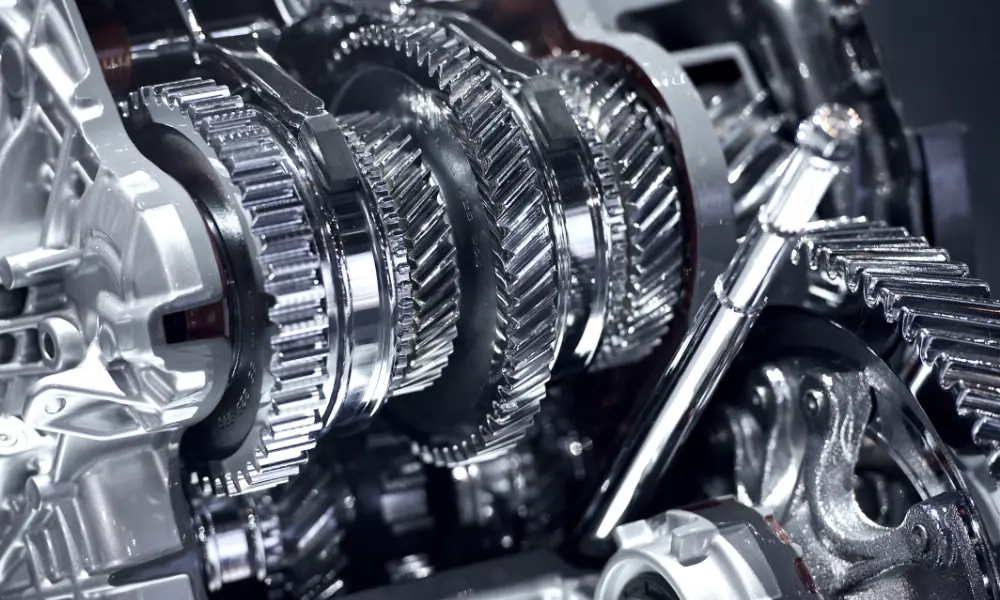
While not engine oil leaks per se, transmission fluid leaks are common in Ford Focus models and can be mistaken for engine oil leaks due to their location.
Common transmission leak points include:
- Input and output shaft seals
- Transmission pan gasket
- Cooler lines and connections
- The transmission selector mechanism assembly
Transmission fluid is typically reddish in color and has a distinct smell compared to engine oil. If you’re seeing red fluid rather than the amber/brown of engine oil, you’re likely dealing with a transmission issue.
How to Diagnose Oil Leaks in Your Ford Focus
Finding the true source of an oil leak can be challenging because oil flows downward and can travel along components, making the leak appear to come from a different location than its actual source.
Follow this methodical approach:
- Clean the engine thoroughly using engine degreaser
- Drive the vehicle to operating temperature
- Park on clean cardboard or concrete to see where fresh oil drops
- Use UV dye and a blacklight to trace leak paths to their source
- Always start inspecting from the highest point and work downward
This table shows common leak locations and their relative repair difficulty:
| Leak Location | Symptom | DIY Difficulty | Average Cost |
|---|---|---|---|
| Valve Cover Gasket | Oil on top of engine, in spark plug wells | Moderate | $150-$350 |
| High-Pressure Fuel Pump | Oil down front of engine | Moderate | $200-$400 |
| Oil Pan Gasket | Oil puddles under center of car | Moderate-High | $428-$589 |
| Rear Main Seal | Oil at transmission connection | Very High | $800-$1,200 |
| Oil Filter Housing | Oil around filter area | Moderate | $250-$450 |
| PCV Components | Oil from breather areas | Easy-Moderate | $100-$300 |
Preventing Oil Leaks in Your Ford Focus
While some leaks are inevitable as your vehicle ages, you can take steps to minimize their likelihood and severity:
- Follow the manufacturer’s recommended oil change intervals
- Use the correct oil type and viscosity for your specific model
- Avoid extreme short-trip driving where the engine doesn’t reach operating temperature
- Address minor leaks promptly before they become major problems
- Maintain proper engine operating temperatures with a functioning cooling system
For high-mileage Focus models, consider using a slightly higher viscosity oil (within Ford’s recommendations) or a high-mileage formula that contains seal conditioners to help rejuvenate aging gaskets.
Model-Specific Oil Leak Tendencies
Different generations of the Ford Focus have their own common leak points:
First Generation (1999-2007): Valve cover gaskets and oil pan gaskets are the primary culprits, with occasional rear main seal issues in higher-mileage examples.
Second Generation (2008-2011): Similar to first-gen models but with additional issues around the PCV system.
Third Generation (2012-2018): More complex with the introduction of EcoBoost engines. High-pressure fuel pump leaks, oil filter housing issues, and turbocharger oil feed lines become common points of failure.
If you own a Focus ST or RS model, be especially vigilant about oil leaks as the higher operating pressures and temperatures in these performance variants can accelerate gasket and seal wear.
The DIY Approach vs. Professional Repair
Some oil leaks are relatively straightforward to fix yourself, while others require specialized tools and expertise. Here’s a quick guide to help you decide:
DIY-Friendly Repairs:
- Valve cover gasket replacement
- PCV valve and hoses
- Oil filter housing gasket (on some models)
- Minor external gaskets and seals
Leave to the Professionals:
- Rear main seal replacement
- Timing cover gasket leaks
- Internal engine seals
- High-pressure fuel pump gasket (on some models)
When tackling DIY repairs, always:
- Use quality replacement parts (OEM or equivalent)
- Follow proper torque specifications
- Clean mating surfaces thoroughly
- Apply gasket sealer only where specified by repair procedures
For those taking on a valve cover gasket replacement, YouTube tutorials can be especially helpful in visualizing the process specific to your Focus model.
Diagnosing vs. Chasing Leaks
One common mistake is fixing the most obvious leak only to find another has appeared. This happens because:
- Multiple leaks often develop simultaneously as gaskets age
- Higher oil pressure may reveal weak points once the main leak is fixed
- Oil residue can mask secondary leak sources
The best approach is a comprehensive inspection that identifies all potential leak sources before beginning repairs. This might cost more initially but saves money in the long run by addressing multiple issues in one repair session.
When diagnosing stubborn leaks, professional shops often use smoke testing of the crankcase to reveal even tiny leaks that might otherwise go unnoticed.
Remember that oil leaks rarely get better on their own, and delaying repairs typically leads to more extensive and expensive problems down the road. Being proactive about maintenance is the best way to keep your Ford Focus running smoothly for years to come.