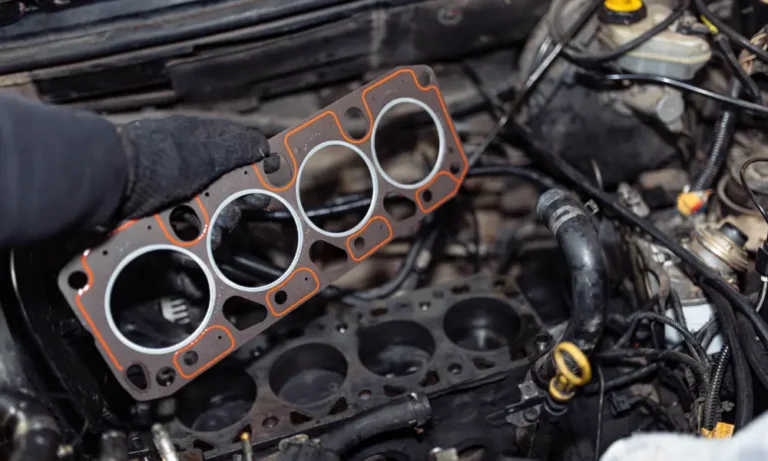
Think your car might have a blown head gasket? You’re probably wondering if you can push through it and drive just a little further. Spoiler: you really can’t. Driving with a blown head gasket turns a fixable problem into a total engine disaster — fast. Read this before you turn that key.
So, Can You Drive a Car With a Blown Head Gasket?
No. Full stop.
Your car might still start. It might even move. But driving with a blown head gasket is like ignoring a grenade with the pin already pulled. Every minute the engine runs, it compounds the damage. What starts as a $1,500 repair can become an $8,000 engine replacement — or a car you can only sell for parts.
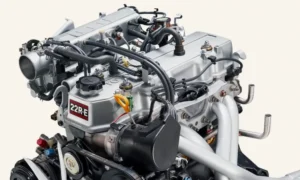
The head gasket sits between your engine block and cylinder head. It seals three things at once: engine oil, coolant, and combustion gases. When it fails, those three things start mixing. That’s when things get ugly, quickly.
What Actually Causes a Head Gasket to Blow?
Head gaskets don’t just randomly fail. Something pushed them over the edge. Here are the three main culprits:
Overheating
This is the number one cause. Most modern engines pair an aluminum cylinder head with a cast iron block. The problem? Aluminum expands about 1.5 times faster than cast iron when it heats up. One serious overheating event can shear the gasket materials apart — and warp the aluminum head permanently.
Engine Knock (Detonation)
When your fuel-air mixture explodes at the wrong time, it creates violent pressure spikes. These hammer the fire ring — the reinforced steel border around each cylinder bore. Repeated detonation events deform this ring, crack it, and give combustion gases a direct path into your coolant passages.
Old, Acidic Coolant
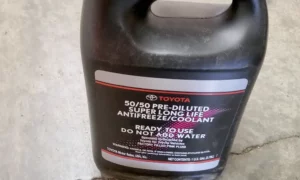
Fresh coolant is slightly alkaline. Over time, the protective additives break down and the fluid turns acidic. That acid eats away at the gasket’s elastomeric coatings from the inside out — no overheating required. This is why flushing your coolant on schedule matters more than most people realize. The ASTM D3306 standard exists specifically to define what healthy coolant chemistry looks like.
| Root Cause | How It Damages the Gasket | How to Prevent It |
|---|---|---|
| Overheating | Shears gasket layers through differential metal expansion | Regular cooling system checks, act on temp warnings immediately |
| Detonation/Engine Knock | Cracks the fire ring, opens path for combustion gases | Use correct octane fuel, maintain proper ignition timing |
| Acidic Coolant | Corrodes gasket coatings and cylinder head surfaces | Flush coolant per OEM schedule using ASTM D3306-compliant fluid |
| Bad Installation | Uneven clamping allows pressure to escape | Always use new torque-to-yield bolts, verify surface finish specs |
What Happens If You Keep Driving?
The damage depends on where the gasket failed. But none of the options are good.
Combustion Gases Enter the Coolant
This is fast and brutal. High-pressure exhaust gases blast directly into your cooling system, pushing coolant out through the overflow tank. Air pockets form inside the engine. Without liquid coolant touching the metal, temperatures spike instantly. Your aluminum cylinder head can warp — or your engine block can crack — within 10 to 15 minutes of highway driving.
Coolant Gets Sucked Into the Cylinders
On the intake stroke, your engine creates a vacuum. A breached gasket lets coolant pour directly into the combustion chamber. Coolant isn’t compressible. When a piston tries to compress liquid, the connecting rod bends or snaps. That rod can punch straight through the side of your engine block — game over.
Even smaller coolant leaks into cylinders cause silica poisoning. The vaporized coolant coats your oxygen sensors and catalytic converter, destroying your emissions equipment and adding thousands to your repair bill.
Coolant Mixes With Engine Oil
This one’s sneaky but equally destructive. The oil turns into a milky, frothy sludge — and loses all its lubricating properties. Your crankshaft bearings, camshaft, and connecting rod bearings run dry. Metal grinds against metal. The shavings circulate and destroy everything. You’re looking at a full engine rebuild.
| Breach Location | Key Symptom | Collateral Damage | Safe Drive Time |
|---|---|---|---|
| Combustion → Coolant | Overheating, bubbling overflow tank | Warped head, cracked block, burst hoses | 0–5 minutes |
| Coolant → Cylinder | White exhaust smoke, rapid coolant loss | Hydrostatic lock, scored walls, destroyed catalytic converter | 0–10 minutes |
| Coolant → Oil System | Milky dipstick reading | Bearing failure, total engine destruction | 10–30 minutes |
| Cylinder → Cylinder | Misfires, rough idle, power loss | Burned valves, compression loss | 0–15 minutes |
How Do Mechanics Actually Confirm It’s Blown?
Symptoms like overheating can point to a bad thermostat or water pump too. Before spending $3,000, a good tech will run proper tests.
The Block Test (Combustion Leak Test)
This is the gold standard quick test. A tool filled with bromothymol blue diagnostic fluid gets placed over the radiator neck. The tech draws air from the cooling system through the fluid while the engine runs. If the gasket is fine, the fluid stays blue. If combustion gases have entered the coolant, the fluid turns bright yellow (gasoline engines) or lime green (diesel engines). That color change is definitive chemical proof of a breach.
The Cylinder Leak-Down Test
This test pinpoints exactly where the leak is and how bad it is. The tech removes all spark plugs, rotates the engine to Top Dead Center on the cylinder being tested, then pumps 100 PSI of compressed air into it.
A healthy cylinder leaks 0–10% of that air. Anything over 20–30% means serious trouble.
Here’s where it gets clever — the tech listens for where the air escapes:
- Hissing from the exhaust pipe → burned exhaust valve
- Hissing from the intake → faulty intake valve
- Air from the oil dipstick tube → worn piston rings or scored cylinder walls
- Bubbles rising in the coolant → blown head gasket or cracked cylinder head
Dynamic Compression Test
A standard compression test cranks the engine and measures peak pressure in each cylinder. If two neighboring cylinders show dramatically lower numbers, that’s a strong sign the gasket blew between them. It’s a useful first step — but the leak-down test gives you the precise answer.
What to Do If You Suspect a Blown Head Gasket Right Now
AAA’s emergency guidance is clear: don’t try to push through it. The moment you see the temperature gauge climbing into the red, or steam rising from the hood, do this:
- Turn off the AC immediately. The compressor adds load to a struggling engine.
- Crank the heat to max. Your heater core acts as a mini radiator and pulls a little heat away from the engine.
- Pull over safely and shut the engine off.
- Never open a hot radiator cap. The pressurized coolant will erupt and cause severe burns. AAA explicitly warns against this.
- Turn the key to accessory mode. This keeps the electric cooling fans running without the engine generating more heat.
- Call for a tow. Don’t restart it. Don’t try to limp it home.
Do Head Gasket Sealers in a Bottle Actually Work?
Pour-in sealers use sodium silicate — liquid glass — that hardens when it hits exhaust heat. Occasionally, they can plug a tiny weep for a short time.
But professional techs universally reject them as a real repair. Here’s why:
- The glass patch is brittle and shatters under combustion pressure
- The silicate clogs your radiator tubes and heater core as it crystallizes throughout the system
- You can turn a $1,500 repair into one that also needs a new radiator and heater core
Use a bottle sealer only if the car is genuinely destined for the scrapyard. Otherwise, it makes everything worse.
How Much Does a Blown Head Gasket Cost to Fix?
This is where it stings. Head gasket repair is one of the most labor-intensive jobs in automotive repair — 10 to 20 hours of work just to access the cylinder head.
| Expense | Standard Vehicle | Luxury or Complex Engine |
|---|---|---|
| Labor (10–20 hours) | $1,000–$2,400 | $2,000–$4,000 |
| Parts (gaskets, TTY bolts, fluids) | $100–$500 | $500–$1,500 |
| Machine Shop (resurfacing, testing) | $100–$300 | $300–$800 |
| Total Estimated Cost | $1,200–$3,200 | $2,800–$6,300+ |
One thing many shops skip that they shouldn’t: torque-to-yield (TTY) head bolts must always be replaced. These bolts are engineered to stretch past their elastic limit to create maximum clamping force. Reusing them is a gamble — they either snap during tightening or fail to clamp properly, blowing your brand-new gasket on the first startup.
Repair vs. Replace — How Do You Decide?
If you drove the car while it was overheating, the calculus changes fast. A warped head beyond machining limits, a cracked block, or destroyed crankshaft bearings from oil contamination means rebuilding the top end is economic futility. The bottom half is already dying.
In that case, a certified remanufactured engine swap — or simply replacing the vehicle — is often the smarter financial call.
FAQs
Does climate affect how long a head gasket lasts?
Yes, indirectly. In freezing climates, coolant with insufficient freeze protection can turn to ice inside the block, cracking it when it expands. In hot desert climates, the sustained heat load wears out water pumps and radiators faster, raising the risk of the thermal shock events that kill head gaskets.
Do electric vehicles have head gaskets?
No. Fully electric vehicles don’t have internal combustion engines, cylinders, or combustion pressure. They have liquid cooling systems for their batteries and motors, but those run at far lower pressures and temperatures. A blown head gasket is simply not a concept that applies to a pure EV.
What’s the difference between a head gasket “seeping” and “blowing”?
A seep is a slow external weep of oil or coolant down the outside of the engine. It needs watching but doesn’t immediately affect combustion or internal fluid separation. A blown gasket is an internal breach — combustion gases enter the coolant, or oil and coolant mix inside the engine. That’s the one that destroys engines in minutes.
Can you spot a blown head gasket before starting the engine?
Sometimes, yes. After sitting overnight, the upper radiator hose may feel rock-hard and bloated if combustion gases pressurized the system during the last drive. Pulling the oil dipstick and finding a milky, frothy substance confirms coolant has been mixing with the oil — even while the car was parked.
Is distilled water safe to add as an emergency measure after a gasket leak?
Only as an absolute last resort to move the car a very short distance. Pure water boils at a much lower temperature than a proper 50/50 coolant mix. In an already compromised engine with hot spots and reduced flow, water flashes to steam quickly — providing zero cooling and accelerating head warpage. Towing remains the only genuinely safe option.