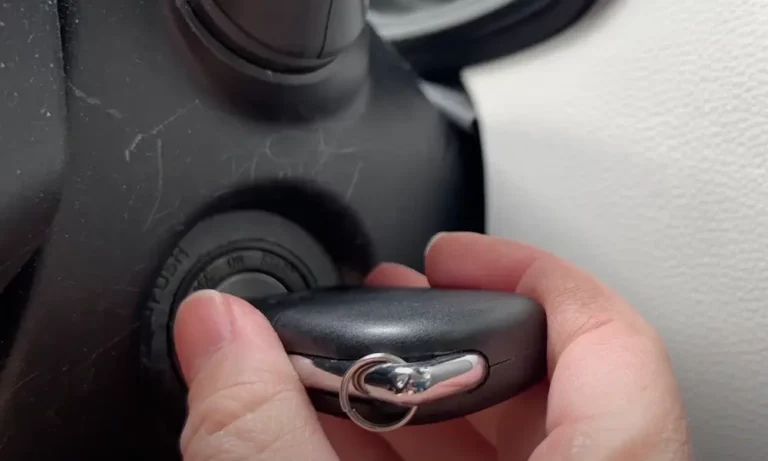
You’ve turned off your Chevy Cruze, but now your key won’t budge from the ignition. It’s frustrating, especially when you’re in a hurry or far from home. This issue affects many Cruze owners across various model years, but there’s good news – you can likely fix it yourself with the right approach. Let’s dive into why this happens and how to get your key unstuck without damaging your car.
Why Your Chevy Cruze Key Gets Stuck in the Ignition
Dead or Weak Battery
A dead or weak battery is often the primary culprit behind a stuck ignition key in the Chevy Cruze. When battery voltage drops too low, the electrical system lacks enough power to release the ignition lock mechanism. This commonly happens when your battery dies while the vehicle is running or is on its last legs.
“I couldn’t remove my key after parking at work, and it turned out my battery was almost completely drained,” reports a common scenario on automotive forums.
Steering Wheel Lock Engagement
Your Cruze has a security feature that locks the steering wheel when the key is removed. Sometimes, this mechanism works against you when:
- You turn off the engine while the wheels aren’t straight
- Pressure is applied to the steering wheel as you’re turning off the engine
- The wheel shifts slightly after engine shutoff
This pressure can bind the ignition cylinder, preventing key removal.
Shifter Not Fully in Park
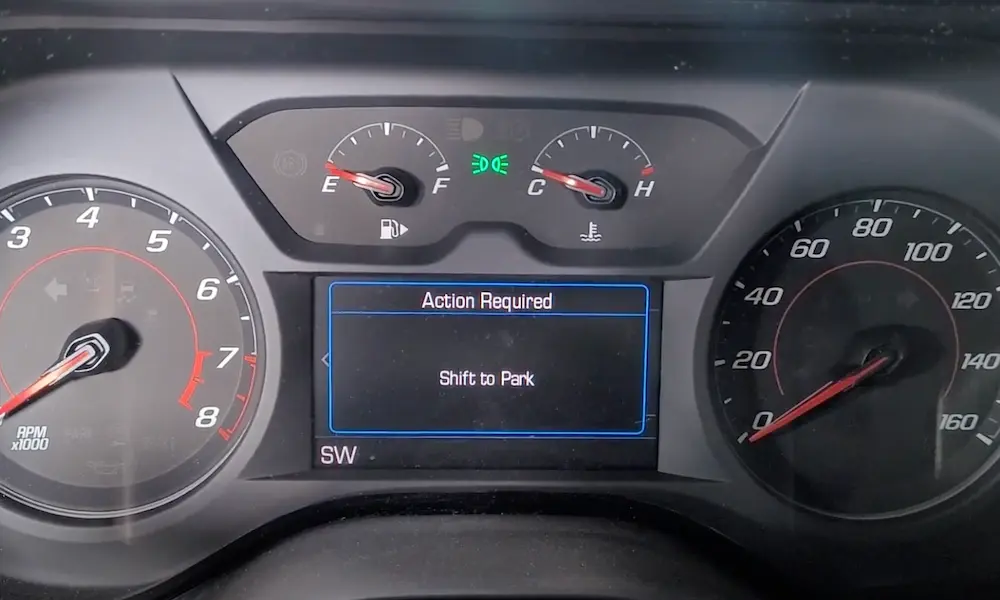
For automatic transmission Cruzes, a safety feature prevents key removal unless the shifter is completely in the “Park” position. If your shifter is slightly off – even by a tiny amount you can’t see – the key will remain stuck.
Worn Key or Damaged Ignition Cylinder
Over time, your key’s teeth can wear down from regular use. When this happens, the ignition cylinder may not recognize that the key is in the correct position for removal. Similarly, a damaged or dirty ignition cylinder can prevent normal operation.
Electronic Control Module Issues
In some cases, the vehicle’s electronic systems may malfunction, failing to send the proper signals to release the key. This is less common but can happen in Cruze models with complex electronic ignition systems.
Quick Fixes to Try First
The Steering Wheel Trick
This simple technique often works instantly:
- Gently turn the steering wheel from side to side while simultaneously attempting to remove the key
- Apply only light pressure – don’t force the wheel
- When you feel the pressure release, try turning and removing the key
This releases tension on the steering lock and ignition cylinder.
Check Your Shifter Position
Even when the shifter appears to be in Park, it might not be fully engaged:
- Press firmly on the brake pedal
- Move the shifter all the way into “Park” until it clicks
- Wiggle it slightly to ensure it’s fully engaged
- Try removing the key again
Key Jiggling Method
Sometimes a gentle manipulation is all you need:
- Turn the key to the “On” position (not starting the engine)
- Keep it there for 2-3 seconds
- Turn it back to the “Off” position
- Wiggle the key gently while pulling slightly
- Repeat a few times if necessary
This sequence can realign the internal components and free up the key.
Battery-Related Solutions
Jump Starting Your Cruze
If you suspect a dead battery is causing your stuck key, try jump-starting your vehicle:
- Connect jumper cables to a running vehicle or jump starter
- Let it run for 5-10 minutes to build charge
- With the engine running, try turning the key to “Off” and removing it
The added power often provides enough energy for the ignition release mechanism to function.
Checking Battery Connections
Sometimes the issue isn’t a dead battery but poor connections:
- Check for corrosion on battery terminals
- Ensure cables are securely attached
- Clean terminals if necessary
- Reconnect and try the key again
Loose connections can mimic a dead battery’s symptoms.
Using the Manual Key Release
If quick fixes don’t work, Chevy engineered a backup system specifically for this situation.
Locating the Release Mechanism
The Chevy Cruze has a manual key release you can access without tools:
- Look under the steering column for a small hole or slot
- On most 2011-2018 Cruze models, it’s located directly beneath the ignition cylinder
- Some models have a small access panel or rubber cover that needs to be removed first
Step-by-Step Release Process
Once you’ve located the release hole:
- Insert a thin implement like a flathead screwdriver or the tip of another key into the hole
- Push the release lever toward the driver side of the car
- While holding the lever, turn your key to the “Lock” position
- Remove the key while maintaining pressure on the lever
- Release the lever after the key is removed
This manual override bypasses the electronic locking mechanism and should free your key.
Video Tutorial Guidance
For visual learners, there are several helpful tutorials specifically for the Chevy Cruze on platforms like YouTube. One popular video walks through the entire process and has helped thousands of Cruze owners.
Model-Specific Considerations
| Cruze Model Year | Key Release Location | Special Notes |
|---|---|---|
| 2011-2015 | Under steering column | May have rubber cover |
| 2016-2018 | Under steering column | Similar to earlier models but slightly different position |
| 2019+ | Under steering column | Modern electronic system may require different approach |
Different generations of the Cruze have slight variations in the ignition system design, but the basic principles remain consistent across most models.
Prevention Tips for the Future
Key Maintenance
Your key is a precision instrument that wears over time:
- Examine your key regularly for wear
- Replace keys that show visible signs of damage or wear
- Avoid carrying heavy key chains that put stress on the ignition
Battery Health
Since battery issues frequently cause key problems:
- Have your battery tested regularly, especially before winter
- Replace batteries older than 3-4 years, even if they seem fine
- Keep jumper cables or a portable jump starter in your vehicle
Proper Parking Habits
Develop these habits to prevent future key problems:
- Always straighten your wheels before turning off the engine
- Ensure the shifter clicks firmly into Park
- Don’t pull on the key forcefully if it doesn’t turn or remove easily
Regular Maintenance
Prevention is always easier than solving a problem:
- Have your ignition system checked during regular service appointments
- Address any intermittent key issues before they become permanent
- Consider applying a small amount of graphite lubricant to the key and ignition (consult your owner’s manual first)
Advanced Solutions
Ignition Cylinder Lubrication
If your key frequently sticks but can eventually be removed, the cylinder might need lubrication:
- Get a graphite-based lubricant (never use oil or WD-40)
- Apply a small amount to your key
- Insert and remove the key several times to distribute the lubricant
- Wipe away any excess
Graphite is dry and won’t attract dirt that could make the problem worse.
Electronic Override Methods
Some newer Cruze models have electronic override options:
- Connect the vehicle to an OBD-II scanner
- Look for ignition system error codes
- Use the scanner to reset the ignition module
- Try the key again after the reset
This method requires specific equipment but can resolve electronically-based problems.
Resetting the Shifter Position
The shifter interlock system sometimes needs a reset:
- Locate the shift lock override slot near the shifter
- Insert a small screwdriver to depress the lock
- Move the shifter out of and back into Park
- Try the key again
This can realign the mechanical components that communicate between the shifter and ignition.
When DIY Isn’t Enough
Signs You Need a Professional
Consider calling a professional if:
- The manual release mechanism doesn’t work
- You hear grinding or clicking when turning the key
- There’s visible damage to the ignition cylinder
- The problem happens repeatedly despite your fixes
- You’ve tried all DIY solutions without success
Finding the Right Help
For ignition issues, you have options:
- Chevrolet dealership service departments have model-specific expertise
- Locksmiths specializing in automotive work can often solve ignition problems for less than dealerships
- Independent mechanics familiar with Chevrolet vehicles might offer the best balance of expertise and value
When calling for service, mention that you’ve already tried the manual release. This helps them prepare the right tools and parts.
Potential Repair Costs
Be prepared for these potential expenses:
- Key replacement: $50-$150
- Ignition cylinder repair: $150-$300
- Complete ignition assembly replacement: $200-$500
- Labor costs: Typically 1-3 hours at shop rates
Many auto insurance policies or roadside assistance programs cover lockout situations, so check your coverage before paying out of pocket.
Understanding Your Cruze’s Ignition System
The Chevy Cruze uses a sophisticated ignition system that balances security and convenience:
- Electronic immobilizer technology prevents engine start without the correct key
- Multiple safety interlocks connect the steering, transmission, and ignition
- The battery powers both the mechanical release and electronic verification systems
This complexity provides security but creates more potential failure points than older, simpler designs. Understanding these systems helps you diagnose problems more effectively.
By using the techniques in this guide, most Cruze owners can solve their stuck key issues without an expensive trip to the dealership. Remember to try the simplest solutions first, working your way up to the manual release procedure if needed. Your key should be free in no time!