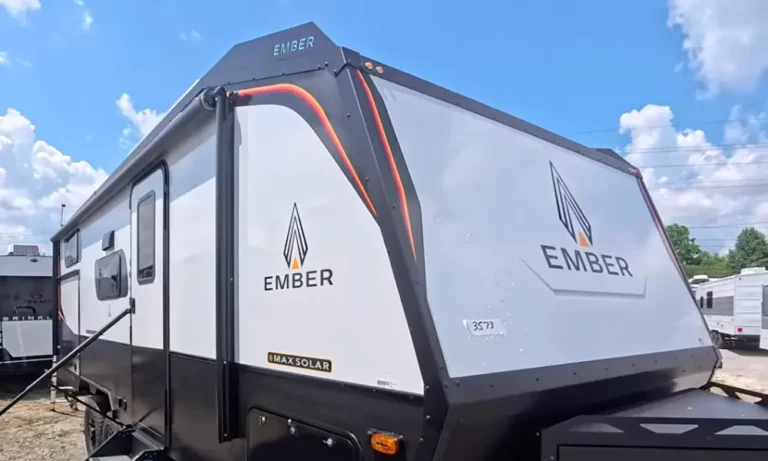
Thinking about purchasing an Ember RV? You might want to read this first. Despite their sleek designs and off-grid capabilities, Ember RVs have developed a reputation for quality issues that can turn your camping dream into a maintenance nightmare. I’ve dug deep into owner experiences, technical reports, and expert reviews to bring you the unfiltered truth about what’s going wrong with these premium-priced travel trailers.
Water Leaks: The Most Common Ember RV Complaint
Water infiltration tops the list of problems plaguing Ember RV owners. Nothing ruins an RV faster than water damage, and unfortunately, this issue appears across multiple Ember models and production years.
Where the Leaks Occur
The most vulnerable areas include:
- Slide-out systems: Owners report water streaming in during moderate rainfall while driving
- Wheel well areas: Often showing damage before leaks are even detected
- Roof seams: Where improper installation leads to membrane separation
“I noticed water pooling in my storage compartment after a light rain. By the time I traced the leak, the entire wall behind my slide had mold growing,” shares one owner on Reddit who spent weeks at the dealer getting repairs.
RV technicians have documented extensive water damage occurring within just months of ownership. The leaks aren’t just happening in severe weather – many units show significant intrusion during normal rain while parked, pointing to fundamental sealing problems.
What makes these leaks particularly concerning is how they often remain undetected until substantial damage has occurred. By then, you’re looking at potentially thousands in repairs.
Electrical System Failures That Leave You Powerless
For a brand that markets itself on off-grid capabilities, Ember’s electrical issues are particularly disappointing. Multiple systems show consistent failure patterns that can leave you without power at the worst possible times.
Key Electrical Problems
- Mastervolt inverter failures: Multiple owners report complete burnouts requiring replacement
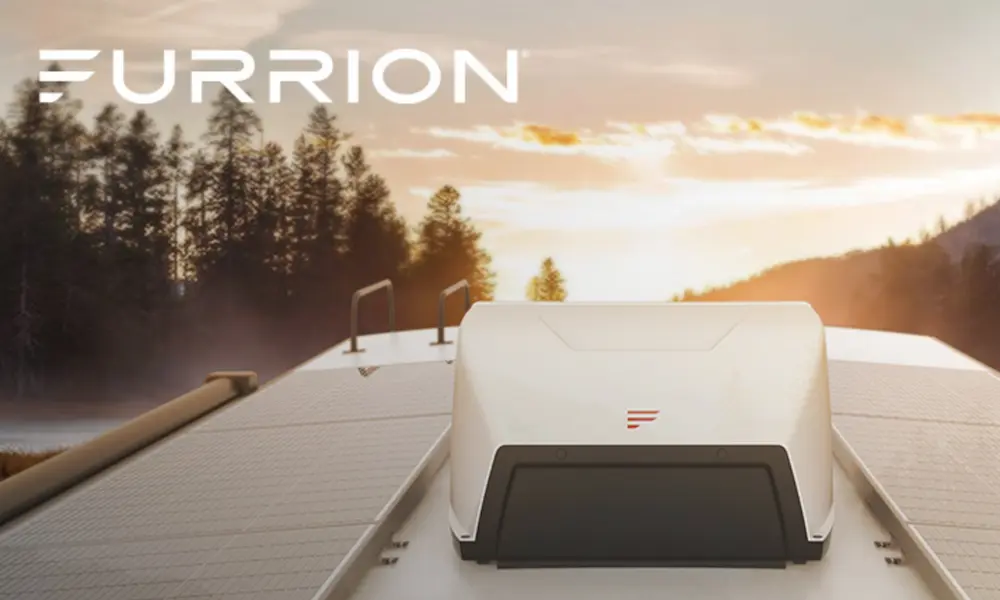
- Solar controller malfunctions: Rendering the solar system useless
- USB charging ports burning out: Requiring repeated replacements
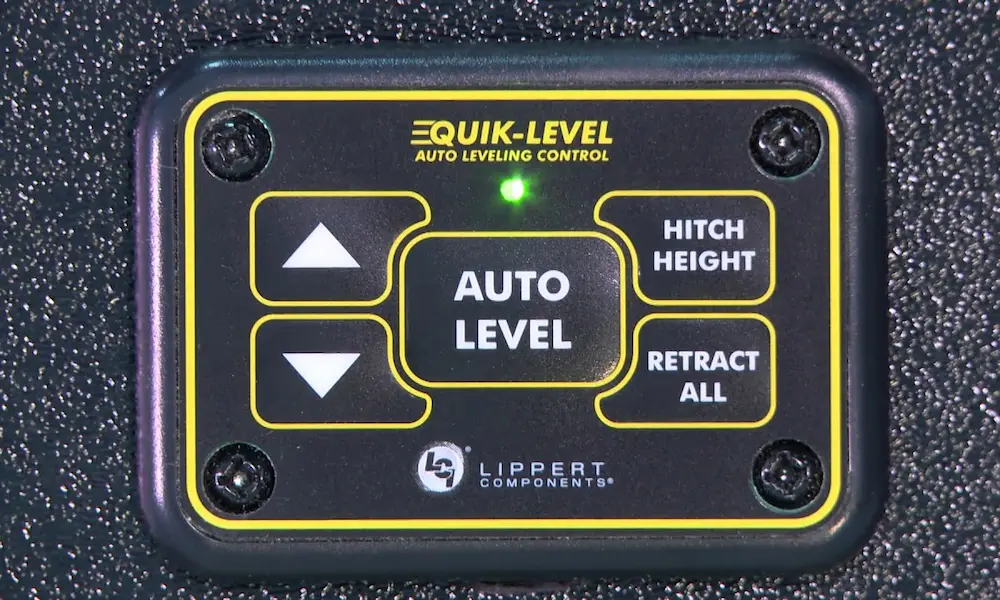
- Lippert control panel issues: Affecting critical functions like lighting, water pump, and awning controls
The electrical problems aren’t just inconvenient – they’re interconnected. When one component fails, it often triggers failures elsewhere in the system. This cascade effect can quickly disable multiple essential functions in your RV.
One owner documented on YouTube how their Mastervolt inverter burned out twice in six months, each time taking down other systems with it. The complex electrical architecture makes troubleshooting extremely difficult, often requiring professional diagnosis and repair.
Plumbing System Deficiencies: A Complete Nightmare
Professional RV technicians have rated Ember’s plumbing system a devastating zero out of ten, citing numerous connection issues prone to failure. These aren’t minor inconveniences – they’re potentially catastrophic problems.
Common Plumbing Issues
- Water heater connection failures: Heat cycles accelerate degradation around poorly installed connections
- Water pump pressure problems: Many owners must manually cycle the pump on/off during use
- Nautilus tank system vulnerabilities: Despite being marketed as a premium feature, these systems show connection failures and freeze damage
“The plumbing in my Ember is a complete nightmare,” wrote one owner. “After my third flood from a failed connection near the water heater, I now turn off the water pump whenever I’m not actively using it.”
The integration problems with the Truma Combi water heater system appear particularly problematic. The pump can’t maintain proper pressure when water flows through the heating system, requiring owners to develop workarounds for basic water use.
Slide-Out Mechanical Problems: Installation Errors Abound
Slide-out systems in Ember RVs have demonstrated significant mechanical problems, many stemming from manufacturing and installation errors that should never have left the factory.
Slide-Out Issues to Watch For
- Installation alignment errors: One owner reported a slide-out installed three-quarters of an inch out of square
- Retraction failures: Systems that won’t properly close, sometimes requiring manual operation
- Premature wear: Cable-driven mechanisms showing early failure due to misalignment
- Manual override difficulties: Systems becoming stuck in extended positions
These problems aren’t just annoying – they can leave you stranded with an extended slide-out that won’t retract for travel. YouTube reviews show owners struggling with manual override procedures that prove difficult even for experienced RVers.
The Exact Slide systems used in Ember RVs are actually rated highly by professionals when properly installed. The problem appears to be in Ember’s quality control during installation, not the components themselves.
Frame and Structural Concerns: Questionable Engineering
Professional analysis of Ember’s frame construction has raised significant engineering concerns that could affect long-term durability and safety.
Structural Red Flags
- Axle mounting system: Mounted on what professionals describe as “stilts,” creating a lever effect that increases frame stress
- Stress fractures: Appearing in some Trailblazer chassis units despite marketing as a premium feature
- Composite floor adhesive problems: Early production units showed black discoloration, highlighting quality control issues
- Frame flex issues: Particularly in larger units, where the independent suspension system may transfer more stress to the frame
This table shows how Ember’s structural approach compares to industry standards:
| Structural Element | Industry Standard | Ember Approach | Potential Concern |
|---|---|---|---|
| Frame Construction | I-beam | Steel tubing | Good in theory, poor execution |
| Axle Mounting | Direct to frame | Elevated mounting | Creates stress multiplier effect |
| Floor Construction | Layered composite | Composite with adhesive issues | Premature delamination |
| Suspension | Fixed axle | Independent | Increased frame stress in some conditions |
According to an in-depth technical review, the axle mounting system raises particular concerns among automotive engineers who question the design choices.
Interior Quality and Fit/Finish: Falls Short of Premium Pricing
For RVs priced in the premium range, Ember’s interior quality and fit/finish issues are particularly disappointing. These problems suggest inadequate quality control processes during final assembly.
Interior Quality Problems
- Trim pieces falling off: Even during delivery or first use
- Door latching issues: Cabinets and exterior compartments that won’t properly secure
- Cabinet construction vulnerabilities: While using solid wood doors, they employ lumber core with MDF backing that’s vulnerable to water damage
- Alignment problems: Throughout the unit, suggesting rushed assembly
Many owners express frustration that these issues appear in units marketed and priced as premium products. “For what I paid, I expected much better attention to detail,” wrote one Ember owner in a Reddit discussion about quality issues.
The fit and finish problems extend to functional areas as well. Doors and drawers that won’t stay closed during travel, misaligned trim pieces that allow water infiltration, and general assembly issues that suggest rushed production.
Warranty and Customer Service Experience: Mixed Results
Despite Ember’s marketing of their “Easy as 1-2-3 Warranty,” owner experiences with warranty service have been decidedly mixed.
Warranty Service Realities
- Extended service delays: Some owners report units sitting at dealers for weeks or months awaiting parts
- Repeat issues: Problems recurring even after warranty repairs
- Dealer network limitations: Restricted service options in many regions
- Documentation challenges: Some owners struggle to get proper documentation of repairs
Ember’s relatively new status in the market means their dealer network is still developing, which can create challenges for warranty service. Owners in regions without an Ember dealer may face significant travel to receive warranty repairs or be forced to use non-certified technicians.
“After three attempts to fix my slide-out leak, I finally gave up and fixed it myself,” reported one owner on an RV forum. “I couldn’t keep leaving my trailer at the dealer for weeks at a time.”
Off-Grid Capability Reality Check
Ember RVs are heavily marketed for their off-grid capabilities, but the reliability issues call into question how suitable they really are for remote camping.
Off-Grid Reliability Issues
- Solar system failures: Controller and integration problems render the solar setup ineffective
- Battery management issues: The Mastervolt system problems affect power management
- Water system unreliability: Large tanks don’t help if the plumbing system fails
- Structural concerns on rough roads: Frame design questions raise concerns about durability on off-road trails
For true off-grid camping, reliability is paramount. When you’re miles from service, electrical failures, water system problems, or structural issues become more than inconveniences – they can end your trip entirely.
“We bought our Ember specifically for boondocking, but after multiple electrical failures, we no longer trust it far from service centers,” wrote one owner who had experienced multiple off-grid system failures.
This table summarizes how Ember’s off-grid features perform in real-world conditions:
| Off-Grid Feature | Marketing Claim | Real-World Performance | Reliability Rating |
|---|---|---|---|
| Solar System | 200W panels with controller | Multiple controller failures | Poor |
| Battery System | Lithium with Mastervolt inverter | Repeated inverter burnouts | Poor |
| Water Capacity | Large freshwater tanks | Delivery system failures | Fair |
| Off-Road Capability | Independent suspension | Frame stress concerns | Fair |
| Overall Off-Grid Reliability | “Go anywhere, stay longer” | Multiple critical system failures | Poor |
Common Repairs Ember Owners Face
Based on owner reports and service records, these are the most common repairs Ember owners face, often within the first year of ownership:
Frequent Repair Needs
- Slide-out resealing: To address water infiltration issues
- Electrical component replacement: Particularly inverters and controllers
- Plumbing connection repairs: Especially around the water heater
- Roof membrane resealing: To address separation and bubbling
- Cabinet and trim reattachment: Due to fit and finish issues
These repairs aren’t just inconvenient – they’re expensive once warranty coverage ends. The National Highway Traffic Safety Administration database shows that structural and electrical system failures represent significant safety concerns in recreational vehicles.
Are Newer Ember RVs Any Better?
Many prospective buyers wonder if Ember has addressed these issues in newer production runs. The evidence is mixed at best.
Recent Production Quality Trends
- Some improvements in water sealing: Particularly around slide-outs
- Continued electrical system problems: Even in newest models
- Persistent fit and finish issues: Suggesting ongoing quality control challenges
- Warranty claim patterns: Still showing similar issues across production years
“Ember has addressed some of the most glaring problems, but fundamental quality control issues remain,” noted one RV inspector who has evaluated multiple model years. This suggests that while the worst problems may have some improvement, the overall quality still falls short of the premium price point.
Recent Reddit discussions among owners indicate that while certain specific issues have been addressed, the general quality concerns persist across production years.
What Prospective Buyers Should Know
If you’re still considering an Ember RV despite these issues, here’s what you should know before purchasing:
Pre-Purchase Checklist
- Inspect thoroughly for water damage: Check all seams, particularly around slide-outs
- Test all electrical systems: Ensure inverter, solar, and control panels function properly
- Verify plumbing integrity: Run all water systems and check for leaks
- Check slide-out alignment: Look for even gaps and smooth operation
- Review the warranty carefully: Understand what’s covered and for how long
- Research local service options: Confirm dealer support in your area
The most critical advice: never purchase without a thorough inspection by a qualified third-party RV inspector. The $500-700 cost of an inspection could save you thousands in repair bills and countless headaches.
“I wish I’d spent the money on an inspection before buying,” shared one owner. “The dealer’s assurances meant nothing once problems started appearing.”
Alternatives to Consider
If Ember’s quality issues concern you, consider these alternatives that offer similar features with better reliability records:
- Outdoors RV: Rugged construction with better quality control
- Grand Design: Excellent reputation for customer service and quality
- Oliver Travel Trailers: Fiberglass construction with exceptional durability
- Bigfoot Industries: All-weather capability with proven reliability
While these alternatives may come with higher price tags or different feature sets, their established track records for quality and reliability may provide greater value in the long run.
The Bottom Line on Ember RV Problems
Ember RVs show promise in their design concepts and feature sets, but the execution falls far short of their premium pricing. The persistent water infiltration issues, electrical system failures, plumbing problems, and structural concerns raise serious questions about long-term durability and value.
For those still interested in the brand, proceed with extreme caution. A thorough pre-purchase inspection is absolutely essential, as is careful research into your local service options. The innovative features and attractive styling may appeal, but be prepared for potentially significant maintenance headaches.
The RV industry has a saying: “Buy your second RV first.” With Ember, you might want to wait for their second generation of designs before taking the plunge.