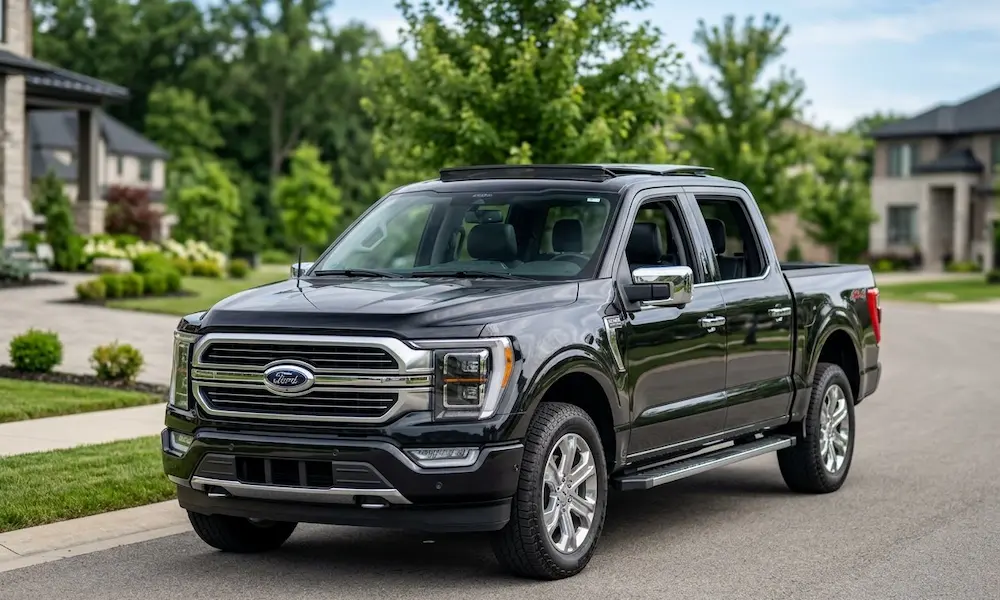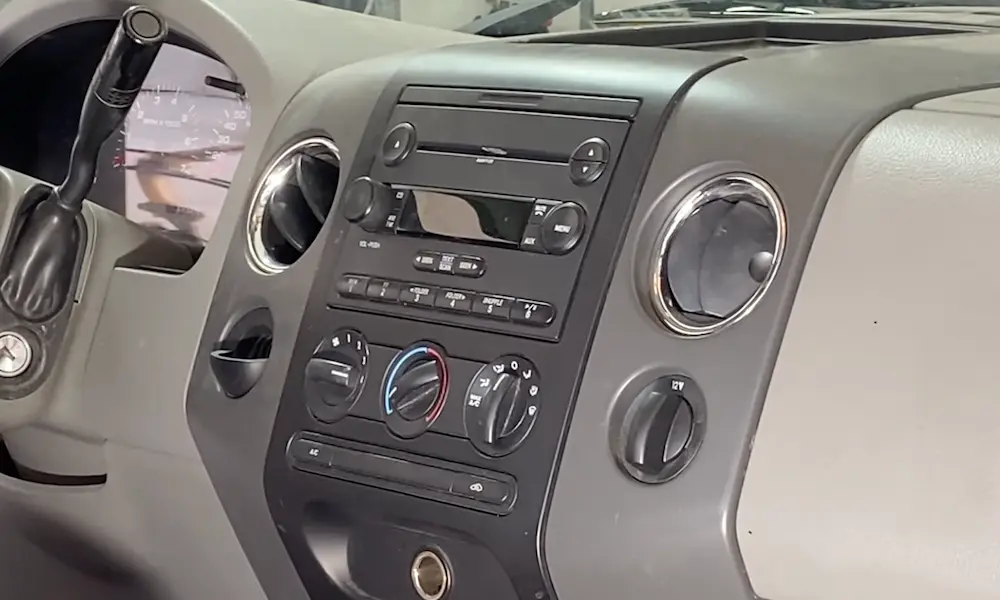
Your F-150’s got that annoying drone when cruising down the highway. Or maybe you just can’t stand how the truck switches between feeling like a V8 and a lawnmower. Either way, you’re here because you want cylinder deactivation gone. Let’s break down what actually works, what’s worth your money, and what’s just hype.
What Is Cylinder Deactivation in the F-150 5.0?
Ford slapped cylinder deactivation on the 2021+ Coyote V8 engines to keep the EPA happy. The system shuts down four cylinders when you’re cruising lightly, basically turning your V8 into a V4 to save fuel.
Ford calls it Variable Displacement Engine (VDE). It’s different from GM’s notorious Active Fuel Management system that’s been eating lifters since 2005. Instead of using collapsible lifters that fail constantly, Ford’s system uses hydraulically-controlled roller followers with solenoid-driven spring pins.
The system kicks in during highway cruising or steady-state driving. When you’re barely touching the throttle, cylinders 1-4 get deactivated. Their intake and exhaust valves stop opening, so those cylinders just sit there doing nothing while the other four handle the work.
Here’s the kicker: Ford actually made the Gen 4 Coyote stronger to handle cylinder deactivation. They added a Kevlar-reinforced oil pump belt rated for over 1,100 horsepower, upgraded to a high-flow billet aluminum oil pump, and improved the piston ring packages. Ironically, these upgrades make it a better engine even if you delete the cylinder deactivation.
Why Owners Want the F150 5.0 Cylinder Deactivation Delete
Most complaints aren’t about reliability. Ford’s system actually works pretty well compared to the garbage GM has been peddling. The real issues come down to three things.
Exhaust Drone
If you’ve got an aftermarket exhaust, cylinder deactivation creates this horrible droning sound that’ll drive you nuts on long highway trips. Stock exhaust? You’ll barely notice. But slap on a performance exhaust, and suddenly your truck sounds like a broken washing machine when cruising at 65 mph.
The aftermarket exhaust systems aren’t designed for four-cylinder operation. They’re tuned for eight cylinders firing, so when half shut down, you get resonance frequencies that create that annoying drone.
Inconsistent Power Delivery
Some drivers hate the feel of the engine switching modes. It’s subtle, but you can feel when the truck transitions from V8 to V4 and back. If you’re the type who notices every little change in how your truck drives, this’ll bug you.
Peace of Mind
Even though Ford’s VDE system has proven reliable, it’s still added complexity. Fewer moving parts mean fewer things that can break. Simple as that.
The Battery Disconnect Method: Free and Easy
Here’s the cheapest F150 5.0 cylinder deactivation delete you’ll find. Takes less than a minute, costs nothing, and you don’t need any tools.
Pop your hood and find the negative battery terminal. There’s a connector separate from the main battery cable. It’s part of the battery monitoring system. Just unplug it with your hand.
That’s it. You’re done.
This kills both cylinder deactivation and the auto start/stop system. The only downside? Your dash will show a “Battery Management System” warning every time you start the truck. You’ll need to press OK to clear it. It’s not a check engine light, just an annoying reminder that you unplugged something Ford wants plugged in.
Does It Actually Work?
On 2021-2022 F-150s, absolutely. Works like a charm. But here’s where it gets sketchy: some 2023 and newer models don’t respond to this trick anymore. Ford caught on and updated the software to prevent easy workarounds.
If you’ve got a newer truck, try it first before spending money on other solutions. Worst case? You plug it back in and you’re right where you started.
Drive Mode Selection: The No-Modification Approach
Your truck already has the F150 5.0 cylinder deactivation delete built in. Sort of.
Switch to Sport mode or Tow/Haul mode, and cylinder deactivation stays off. The truck keeps all eight cylinders running full time.
Sport Mode
Gives you more aggressive throttle response and transmission shift points. But it also engages four-wheel drive automatically on some configurations, which you probably don’t want for normal driving. Plus, it’ll drink more gas than necessary.
Tow/Haul Mode
This is the sweet spot for daily driving. You get enhanced engine braking, no cylinder deactivation, and it doesn’t mess with your four-wheel drive settings. It’s designed for maintaining consistent power when you’re pulling or hauling, but it works just fine for regular use.
The catch? You’ll need to select it every single time you start the truck. It doesn’t remember your preference. Some owners don’t mind this, others find it annoying as hell.
ECU Tuning: The Professional Solution
If you want cylinder deactivation gone permanently without opening up your engine, custom tuning is your answer.
Companies like Livernois Motorsports and OZ Tuning specialize in Ford ECU calibration. They’ll completely disable the VDE system through software while keeping everything else functioning normally.
What You Get
Beyond just deleting cylinder deactivation, you’ll get optimized transmission shift points, improved throttle response, and better fuel delivery. Most tuners disable auto start/stop by default too, but you can usually keep it if you’re one of the three people who actually like that feature.
The Investment
Expect to pay $400-800 depending on the tuner and what package you choose. You’ll also need a handheld tuner device like an SCT X4, which adds to the cost if you don’t already have one.
The upside? Most tuners provide a “return to stock” file. If you need warranty service, you can flash the truck back to factory settings before rolling into the dealership. Does this guarantee Ford won’t figure out you’ve been tuned? Nope. But it’s better than permanent modifications.
Physical Delete Kits: The Nuclear Option
Companies like L&M Engines make complete VDE delete kits that physically remove or bypass the cylinder deactivation hardware. We’re talking replacement rocker arms, oil galley plugs, and associated hardware.
This is permanent. You can’t undo it without buying more parts and tearing the engine down again.
Who Needs This?
Nobody doing a basic delete. Physical kits are for serious performance builds where you’re already swapping camshafts or doing internal engine work. If you’re building a race truck or going forced induction, these kits make sense. For daily drivers? Total overkill.
You’ll void your warranty immediately. Ford technicians will spot this modification instantly during any engine service. Don’t even think about this route if you’ve got warranty coverage remaining.
Does Deleting Cylinder Deactivation Hurt Fuel Economy?
Not as much as you’d think. Owner reports show minimal real-world difference between VDE-enabled and disabled operation.
The EPA’s lab testing shows significant fuel economy gains from cylinder deactivation. But real-world driving? The system only works during very specific conditions: steady-state highway cruising with light throttle.
If you’re towing, hauling, accelerating, or doing literally anything except maintaining constant speed on flat highway, the system isn’t active anyway. That’s why many owners report no practical fuel economy penalty from deletion.
You might see 1-2 MPG difference on pure highway trips. In mixed driving, you probably won’t notice any change at all.
Reliability: Should You Even Worry?
Here’s the honest truth: Ford’s cylinder deactivation system doesn’t suck.
Unlike GM’s AFM system that’s been destroying engines for nearly two decades, Ford’s VDE has shown excellent reliability through four years of production. The F-150 forums aren’t flooded with VDE failure reports. The system just works.
Ford learned from GM’s mistakes. The DOHC architecture avoids the problematic lifter designs that plague pushrod engines with cylinder deactivation. The hydraulic rocker arm system provides precise valve control without the mechanical complexity that causes failures in other systems.
Plus, those engine upgrades Ford made to support VDE—the Kevlar belt, upgraded oil pump, improved piston rings—they all make the engine more robust overall. You’re not dealing with a weak engine trying to do cylinder deactivation. You’ve got a strengthened engine that happens to have this feature.
When Problems Do Happen
The most common “issue” isn’t mechanical failure. It’s software glitches where the system activates at weird times or doesn’t deactivate smoothly. These problems usually get fixed with ECU updates at the dealership.
Legal Stuff You Should Know
Let’s be real about emissions compliance because this matters depending on where you live.
The EPA considers cylinder deactivation an emissions control device. Messing with it technically violates federal regulations. But enforcement and practical implications vary wildly based on your deletion method.
What’s Legal
Using Sport or Tow/Haul mode? Completely legal. You’re using factory-programmed features built into your truck. Zero issues.
The Gray Area
Battery disconnect exists in legal limbo. You’re not removing or modifying emissions equipment. You’re just unplugging a connector. Most states won’t care. Emissions testing states might, but probably won’t catch it.
Actually Illegal
ECU tuning and physical delete kits clearly violate EPA regulations. These modifications actively prevent emissions systems from functioning as designed.
Do people get caught? Rarely, unless you live in California or another strict emissions state. But technically, you could face penalties if someone decides to make an example out of you.
Warranty Impact: What Ford Will Actually Do
Ford’s warranty response depends entirely on which deletion method you choose.
Low Risk
Drive mode selection and battery disconnect carry minimal warranty risk. Both are completely reversible before service visits. Just plug the connector back in or switch out of Tow/Haul mode before you roll into the dealer.
Medium Risk
ECU tuning presents moderate risk. Ford technicians can potentially detect non-factory calibrations during diagnostics. That “return to stock” file from your tuner helps, but doesn’t guarantee protection. If they really dig into your ECU history, they might find evidence of modifications.
In practice? Most dealers don’t care enough to investigate unless you’re trying to warranty claim something directly related to engine management. Transmission failure? They’ll probably fix it. Engine knock that might be tuning-related? They’ll dig deeper.
Warranty Gone
Physical delete kits void everything. You’ve opened up the engine and removed factory components. There’s no hiding this from service departments.
Real Owner Results: What Actually Happens
Let’s cut through the speculation and look at what owners report after deleting cylinder deactivation.
Most common feedback? “I don’t really notice a difference except the drone is gone.” That’s it. No magical performance gains. No horrible fuel economy penalty. Just a quieter highway cruise with aftermarket exhaust.
Some owners report slightly smoother power delivery without the V8-to-V4 transitions. Others say they never noticed the transitions in the first place, so deletion didn’t change anything for them.
The battery disconnect method gets mixed reviews on newer trucks. What works perfectly on a 2021 might not work at all on a 2024. Ford keeps updating software to prevent easy workarounds.
ECU tuning consistently gets positive feedback. Beyond cylinder deactivation deletion, owners love the improved throttle response and transmission tuning. Many say they wish they’d done it sooner.
Should You Delete Cylinder Deactivation?
Honestly? Most owners don’t need to.
If you’ve got stock exhaust and barely notice when VDE activates, leave it alone. Ford’s system works reliably, and you’ll save a few bucks on gas during highway trips.
Delete makes sense if you’ve installed aftermarket exhaust and the drone drives you insane. Or if you just can’t stand inconsistent power delivery and want your V8 running all eight cylinders all the time.
Start with the free methods first. Try Tow/Haul mode for a week. See if it solves your problem before spending money on tuning or modifications.
The good news? Unlike GM truck owners dealing with AFM failures, you’re not facing a reliability crisis that demands immediate deletion. Ford actually built a cylinder deactivation system that doesn’t suck. Whether you keep it or delete it comes down to personal preference, not mechanical necessity.
Your truck, your choice. Just pick the deletion method that matches your budget, risk tolerance, and how much you care about keeping Ford happy if warranty claims pop up later.