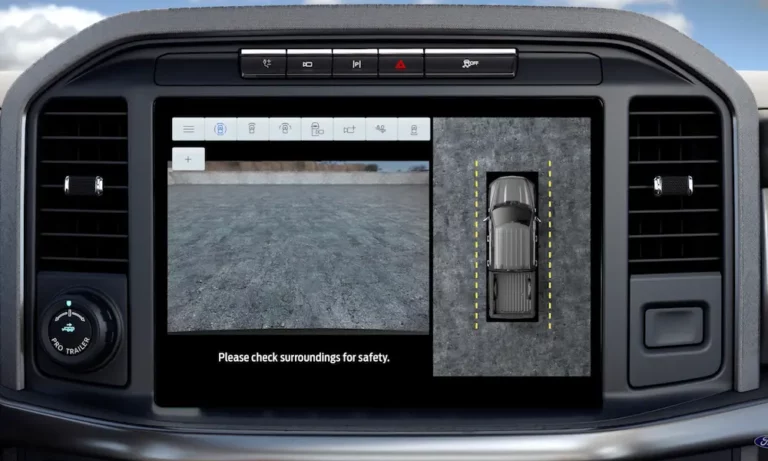
Dealing with a vehicle recall can be frustrating. If you own a Ford, you might be concerned about the recent backup camera recall affecting over 1 million vehicles. This comprehensive guide breaks down everything you need to know about the Ford backup camera recall, what models are affected, and what steps you should take next.
What’s Happening With the Ford Backup Camera Recall?
Ford Motor Company recently issued a major recall affecting 1,075,299 vehicles due to a software defect in the Sync 4 infotainment system. This isn’t just a minor inconvenience—it’s a safety concern that prompted immediate action.
The problem? A glitch causing rearview camera images to freeze, delay, or disappear completely when backing up. This significantly increases collision risk, as drivers rely on these cameras for visibility when reversing.
The issue stems from improper memory handling in the Sync 4 software (versions 1.7–1.9), which controls the accessory protocol interface module (APIM). When this module malfunctions, it creates what safety officials call “a false representation of the vehicle’s surroundings” — potentially violating Federal Motor Vehicle Safety Standard 111, which requires reliable backup camera functionality.
Which Ford Models Are Affected by the Recall?
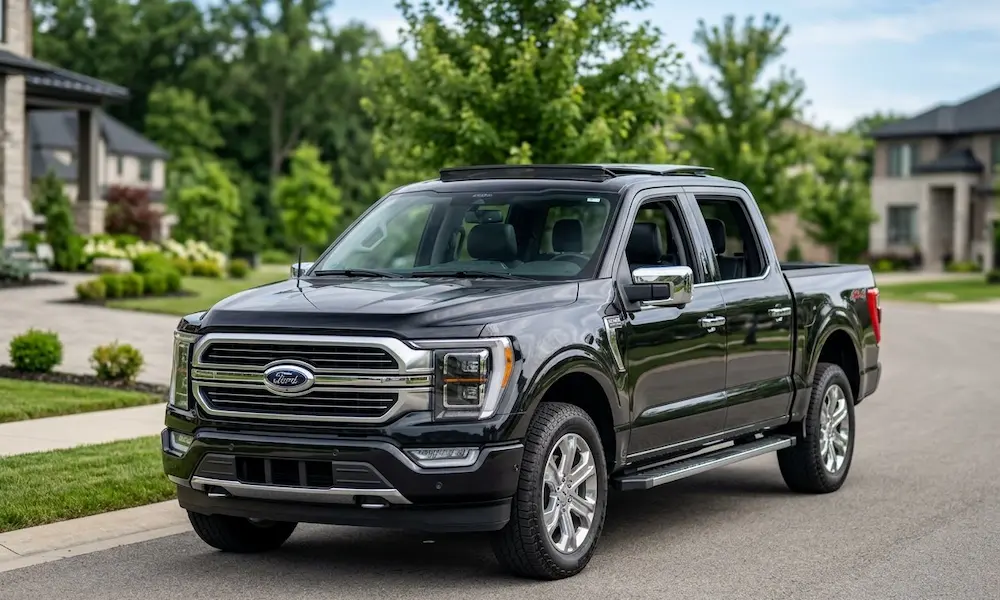
The recall spans vehicles manufactured between 2021 and 2025, affecting nearly every major Ford and Lincoln model equipped with the Sync 4 system. Here’s a breakdown of the affected vehicles:
Trucks:
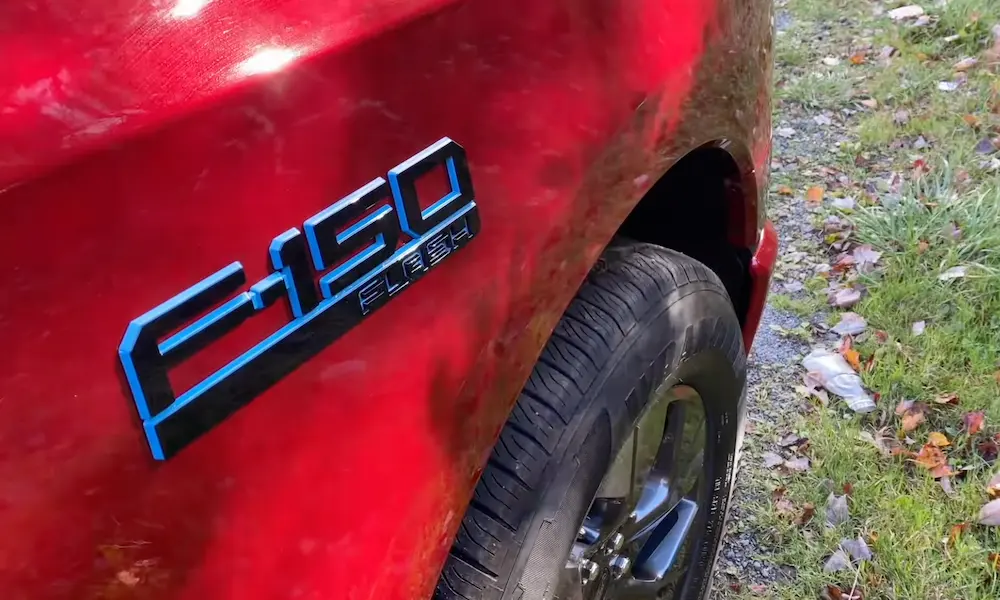
- F-150 (527,371 units)
- F-250 to F-600 Super Duty (over 65,000 units)
- Ranger (3,907 units)
SUVs:
- Bronco (139,394 units)
- Expedition (18,124 units)
- Lincoln Navigator (3,612 units)
Electric Vehicles:
- Mustang Mach-E (14,949 units)
Commercial Vehicles:
- Transit van (136,968 units)
If you own any of these models with manufacturing dates between 2021-2025, your vehicle might be part of this recall. Ford has assigned this recall the number 25S49, while the National Highway Traffic Safety Administration (NHTSA) tracks it under recall number 25V315.
How to Check If Your Ford Is Affected
Uncertain if your vehicle is included? There are several ways to verify:
- Visit Ford’s Recall Website: Enter your Vehicle Identification Number (VIN) on Ford’s official recall page.
- Use the NHTSA Tool: Check your VIN through the NHTSA’s recall lookup tool.
- Call Ford Customer Service: Reach Ford’s dedicated recall hotline at 1-866-436-7332.
Your VIN can be found on your vehicle registration, insurance card, or on a plate visible through the windshield on the driver’s side dashboard.
Signs Your Backup Camera May Be Defective
How do you know if your vehicle is experiencing this issue? Watch for these warning signs when using your backup camera:
- Screen freezes when you put the car in reverse
- Camera image disappears completely
- Significant delay in the camera display appearing
- System reboots or restarts while backing up
- “System Processing” message appears instead of camera feed
If you notice any of these symptoms, take extra precautions when backing up, using mirrors and turning to check your surroundings manually.
How Ford Plans to Fix the Problem
Ford has developed a solution for this software defect. The fix will be delivered in two different ways, depending on your vehicle’s capabilities:
1. Dealer Service Visits
- Requires a physical visit to a Ford or Lincoln dealership
- Software update takes approximately 30 minutes
- Required for older models (2021-2023) that lack over-the-air capability
2. Over-the-Air (OTA) Updates
- Available for newer models equipped with telematics control units
- Updates delivered wirelessly to your vehicle
- Expected to roll out by Q3 2025
- No dealership visit needed
According to Car and Driver, approximately 60% of affected vehicles support OTA updates, including the Mach-E and 2024 Mustang models.
Timeline: What to Expect
Ford has outlined a two-phase approach to addressing this recall:
Phase 1 (June 2025): Initial notices mailed to vehicle owners, explaining the recall and providing interim safety precautions.
Phase 2 (Q3 2025): Follow-up communications coordinating dealer appointments or notifying eligible owners about upcoming OTA updates.
The company has already begun preparing dealerships for the influx of service appointments. With over 3,100 U.S. dealerships each potentially handling hundreds of affected vehicles, you’ll want to schedule your appointment promptly once you receive notification.
Safety Tips While Waiting for Your Repair
While waiting for your vehicle to be fixed, follow these safety precautions:
- Use All Available Mirrors: Check your side and rearview mirrors thoroughly before and during backing up.
- Physical Checks: Physically turn and look behind your vehicle before reversing.
- Back Up Slowly: Reduce your speed when reversing to allow more reaction time.
- Ask for Assistance: When available, have someone stand outside the vehicle to guide you while backing up in tight spaces.
- Avoid Distractions: Stay extra focused when backing up without a reliable camera.
Ford’s History With Camera Recalls
This isn’t Ford’s first recall related to backup camera issues. The company has faced similar problems in the past:
- 2023: Recall of 289,000 vehicles due to corrosion in camera wiring
- 2024: Recall of 109,283 Lincoln Aviators for cellphone interference causing camera display distortion
- 2024: NHTSA levied a $165 million penalty against Ford for delaying recalls on 274,000 vehicles with faulty cameras
This pattern highlights ongoing challenges with camera systems in Ford vehicles. The current recall represents the largest camera-related recall in the company’s recent history.
Understanding Your Rights As a Vehicle Owner
As a vehicle owner affected by a safety recall, you have specific rights:
- Free Repairs: Recall repairs must be provided at no cost to you.
- Reasonable Accommodations: Some dealerships may offer loaner vehicles or shuttle services during repairs, though this varies by location.
- No Expiration: There is generally no time limit on safety recalls, though getting it fixed promptly is strongly recommended.
- Documentation: Keep all recall notices and repair records for your vehicle.
The Bigger Picture: Software in Modern Vehicles
This recall highlights a growing trend in the automotive industry: the increasing dependence on software. Modern vehicles contain over 150 electronic control units managing approximately 100 million lines of code.
Software-related issues now account for about 35% of all vehicle recalls—up from just 15% in 2015, according to industry analysis. As cars become more like “computers on wheels,” these kinds of problems may become more common.
The good news is that software updates can often be deployed more quickly and efficiently than traditional mechanical recalls, especially as more vehicles gain OTA update capabilities.
What Makes This Recall Significant
This Ford backup camera recall stands out for several reasons:
- Scale: Affecting over 1 million vehicles across multiple model lines
- Safety Implications: Backup cameras significantly reduce backing crashes, preventing an estimated 15,000 injuries annually
- Regulatory Impact: Follows a record NHTSA fine against Ford for similar issues, signaling stricter enforcement
- Modern Solution: Showcases the automotive industry’s shift toward software-based fixes
While Ford has confirmed only one minor crash related to this defect with no reported injuries, the potential safety risk is significant enough to warrant immediate action.
Technical Details of the Defect
For those interested in the technical aspects, the issue lies in how the APIM handles memory resources. When processing multiple tasks simultaneously (such as rendering camera footage alongside navigation maps), the software experiences buffer overflows.
These memory allocation failures force system reboots, interrupting critical functions like the backup camera feed. The Sync 4 software simply wasn’t properly optimized to handle these specific scenarios, leading to unpredictable system behavior.