If you’ve noticed your Ford diesel truck losing power, struggling to start, or making unusual noises, you might be dealing with fuel pump problems. These issues can quickly escalate from minor annoyances to expensive repairs if left unchecked. This guide will help you understand what’s happening inside your fuel system and what you can do about it.
What Does a Diesel Fuel Pump Do?
Your diesel fuel pump has one critical job – pulling fuel from the tank and delivering it under precise pressure to the injectors. This seemingly simple task is actually quite complex in modern diesel engines, requiring exact pressure and timing to ensure proper combustion.
When the pump starts failing, your entire engine suffers. Performance drops, efficiency plummets, and eventually, you might find yourself stranded on the side of the road.
How Ford Powerstroke Fuel Systems Work
Ford diesel engines use complex fuel delivery systems that operate in two stages:
- Low-pressure side: Draws fuel from the tank through filters to supply the high-pressure pump
- High-pressure side: Elevates fuel pressure dramatically for precise atomization and injection
Key Components in Your Fuel System
- Low-Pressure Fuel Pump (LPFP): Transfers fuel from the tank
- High-Pressure Fuel Pump (HPFP): Generates thousands of PSI needed for modern injection
- Fuel Injectors: Spray precisely timed fuel into combustion chambers
- Fuel Filters: Remove contaminants before they reach sensitive components
- Pressure Regulators: Maintain exact fuel pressure throughout the system
How Ford Powerstroke Generations Differ
Each generation of Powerstroke diesel has unique fuel system characteristics:
- 7.3L Powerstroke (mid-1997+): Features a frame-mounted electric fuel pump providing about 50 psi. Injectors are actuated by oil pressure from a gear-driven oil pump.
- 6.0L Powerstroke (2003-2007): Uses an electric pump in the “Horizontal Fuel Conditioning Module” (HFCM). Relies heavily on the High-Pressure Oil Pump (HPOP) for fuel delivery. Common failure points include leaking standpipes, rail plugs, and branch tubes.
- 6.4L Powerstroke (2008-2010): Known for high-pressure fuel pumps prone to self-destruction, often due to water contamination. Metal particles from pump failure contaminate the entire system.
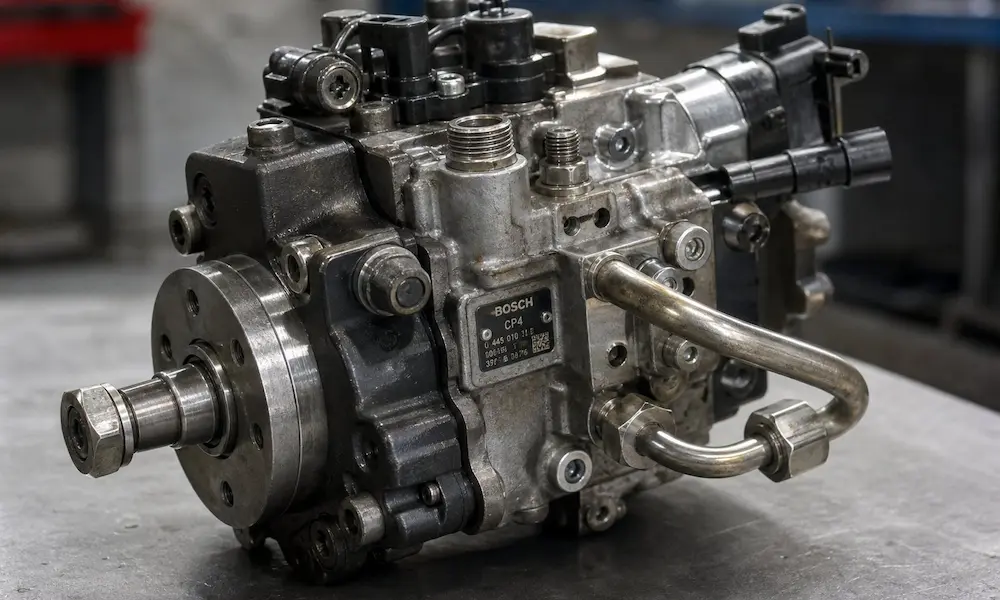
- 6.7L Powerstroke (2011-present): Uses the Bosch CP4 high-pressure pump, which has a well-documented history of premature failure. When this pump fails, it spreads metal particles throughout the fuel system, requiring complete replacement of multiple components.
10 Warning Signs Your Ford Diesel Fuel Pump Is Failing
Performance Issues
- Power Loss: Your engine struggles to maintain power, especially during acceleration or at higher speeds
- Poor Acceleration: The truck feels sluggish, particularly when towing or climbing hills
- Sputtering or Hesitation: The engine stumbles when you press the accelerator
- Surging Engine Power: Engine speed fluctuates unexpectedly, speeding up and slowing down on its own
Starting Problems
- Hard-Starting Engine: The engine cranks longer than normal before starting, especially in cold weather
- No-Start Condition: The engine cranks but won’t start at all
Unusual Noises
- Whining or Squeaking: A high-pitched noise coming from the fuel tank area, often louder during acceleration
Additional Warning Signs
- Check Engine Light: Illuminates with codes like P0087 (low rail pressure), P0232, or P2291
- Decreased Fuel Economy: You’re suddenly getting fewer miles per gallon
- Engine Stalling: The engine dies unexpectedly while idling or driving
Fuel Pump Problems vs. Other Issues: How They Compare
Many symptoms can indicate problems with various engine components. This table helps distinguish fuel pump issues from other potential causes:
| Symptom | Fuel Pump Related Cause | Other Potential Causes |
|---|---|---|
| Power Loss | Inadequate fuel supply from pump | Clogged fuel filters, faulty pressure regulator, failing injectors |
| Poor Acceleration | Insufficient fuel pressure | Clogged filters, turbocharger issues, EGR system problems |
| Sputtering/Hesitation | Intermittent fuel delivery | Dirty fuel injectors, air in the fuel system |
| Hard Starting | Low fuel pressure at startup | Weak batteries, bad glow plugs, HPOP issues (6.0L) |
| No-Start | Complete pump failure | HPOP failure (6.0L), FICM voltage issues (6.0L), severe fuel contamination |
| Whining Noise | Struggling fuel pump | Air in fuel lines, pump cavitation |
| Check Engine Light | Fuel pressure-related codes | Wide range of engine/fuel system faults |
| Reduced MPG | Inefficient fuel delivery | Dirty injectors, clogged filters, sensor malfunctions |
| Engine Misfires | Inconsistent fuel delivery | Dirty injectors, FICM issues (6.0L), contaminated fuel |
What Causes Ford Diesel Fuel Pump Problems?
Fuel Contamination
Contaminated diesel fuel is a leading cause of pump failure:
- Water: Reduces lubrication needed for pump components and causes rust. In severe cases, water can cause injector tips to explode.
- Debris and Particles: Dirt, rust, and other contaminants cause accelerated wear on precision components.
- Incorrect Fluids: Accidental contamination with gasoline or Diesel Exhaust Fluid (DEF) can be catastrophic. Gasoline reduces lubricity, while DEF crystallizes and clogs components.
Poor Fuel Quality and Lubricity
Modern Ultra-Low Sulfur Diesel (ULSD) fuel has reduced lubricity compared to older diesel formulations. This is particularly problematic for the 6.7L’s CP4 pump, which was designed for European diesel with higher lubricity. This mismatch can lead to internal grinding and destruction of the pump.
Running on Low Fuel
Consistently running with a near-empty tank is surprisingly damaging. Fuel pumps are cooled and lubricated by the fuel itself. When levels are low, the pump is exposed to air, causing poor lubrication and overheating. This accelerates wear and can dramatically shorten pump life.
Normal Wear and Tear
Even with perfect maintenance, fuel pumps eventually wear out. While they’re generally expected to last 100,000 miles or more, constant exposure to high-pressure fuel and friction leads to gradual degradation. Metal-to-metal contact within the pump can occur, affecting service life.
Engine-Specific Vulnerabilities
Each Powerstroke generation has unique design weaknesses:
- 6.0L Powerstroke: Heavy reliance on oil pressure for fuel delivery makes HPOP problems manifest as fuel issues. Leaking standpipes, rail plugs, and clogged IPR valves can all affect fuel delivery.
- 6.4L Powerstroke: Prone to self-destructing high-pressure pumps, often triggered by water infiltration. Fuel-contaminated engine oil is another common problem.
- 6.7L Powerstroke: The CP4 HPFP is particularly vulnerable to wear from low-lubricity ULSD. When it fails, metal contamination spreads throughout the entire high-pressure fuel system.
Neglected Maintenance
Skipping regular maintenance accelerates problems:
- Clogged Fuel Filters: Failing to replace filters (typically every 15,000 miles) allows contaminants to accumulate, forcing the pump to work harder.
- Ignoring Water Separator Draining: Ford recommends draining the water separator every 30 days, even if warning lights aren’t illuminated.
How to Diagnose Ford Diesel Fuel Pump Issues
Basic Checks
- Listen for Priming: Turn the key to “on” without starting the engine. You should hear a brief whining sound as the pump primes the system. No sound suggests electrical problems or pump failure.
- Visual Inspection: Check fuel lines and connections for damage, leaks, or corrosion. Make sure fuel levels are adequate.
- Fuel Quality Check: Inspect for signs of contamination, such as water, debris, or unusual coloration.
Using Diagnostic Tools
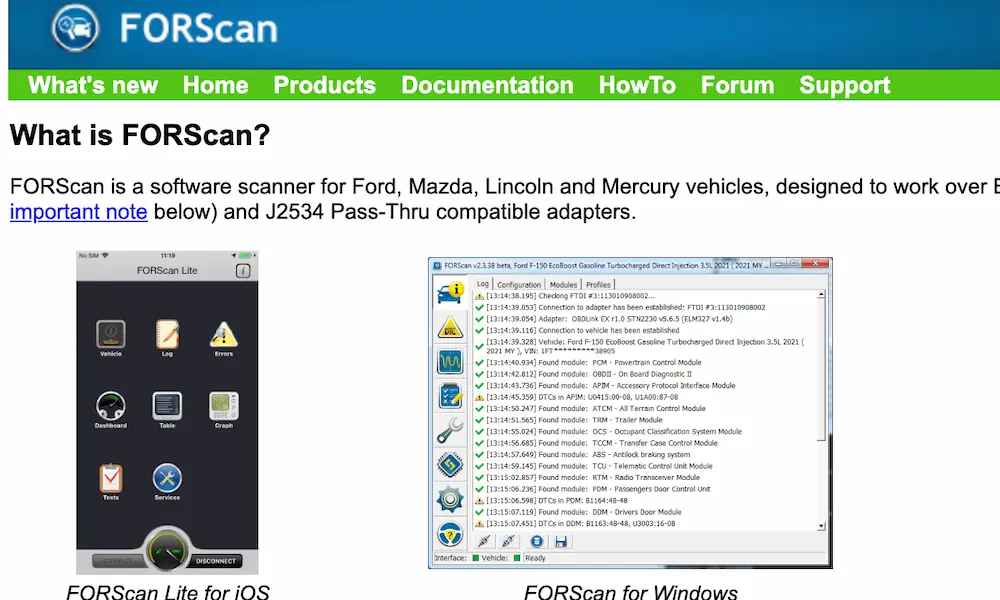
- OBD-II Scanner: Check for trouble codes related to fuel pressure, such as P0087, P0232, or P2291. These provide important diagnostic starting points.
Fuel Pressure Testing
- Low-Pressure System: Use a gauge to measure pressure at the HFCM outlet. For 6.0L engines, pressure should be at least 45 psi at all times. For the 6.7L lift pump, pressure below 55 PSI indicates a problem.
- High-Pressure System: Monitor Fuel Rail Pressure (FRP) against desired values using a scan tool. Significant drops under load suggest pump capacity problems.
- Dynamic Testing: Monitor pressure with the engine idling to reveal intermittent issues.
Contamination Checks
- Filter Inspection: Check filters for excessive debris, rust, or water.
- Metal Particle Detection: For 6.7L Powerstrokes, inspect the lower fuel filter housing for “fairy dust” (tiny metal particles) that indicate CP4 failure.
- Air Intrusion: Look for leaks in fuel lines, connections, and seals that might allow air into the system.
Electrical Component Tests
- Fuel Pump Relay: Listen for clicking when turning the key to “on.” No clicking suggests relay issues.
- Wiring Inspection: Check all electrical connections for damage or corrosion.
Preventative Maintenance: Keeping Your Fuel Pump Healthy
Proper maintenance is your best defense against fuel pump problems:
Replace Fuel Filters Regularly
Change filters every 15,000 miles or according to Ford’s maintenance schedule. This prevents contaminants from clogging the system and forcing the pump to work harder.
Use Quality Diesel Fuel
Purchase fuel from reputable, high-volume stations to minimize the risk of introducing contaminants into your system.
Keep Your Tank At Least Quarter-Full
Remember that fuel cools and lubricates the pump. Running consistently on low fuel causes overheating and accelerated wear.
Drain the Water Separator Monthly
Ford recommends draining the water separator every 30 days, regardless of whether warning lights are on.
Add Lubricity Additives (Especially for 6.7L)
Since ULSD has reduced lubricity, using quality additives can significantly benefit pump longevity, particularly for the CP4 pump in 6.7L Powerstrokes.
Follow Ford’s Maintenance Schedule
Adhere to all recommended service intervals for your specific model.
Consider Protection Kits for 6.7L Powerstrokes
For 6.7L owners, installing a “CP4 disaster prevention kit” (approximately $359) can potentially save over $9,000 in repair costs if the CP4 pump fails. While it can’t prevent the pump from failing, it prevents metal contamination from spreading through the entire system.
Repair and Replacement Options
When your fuel pump does fail, you’ll need to understand your options:
What to Expect for Replacement Costs
- Standard Fuel Pump Replacement: Typically ranges from $405 to $1,370, including parts and labor, depending on your specific model.
- CP4 Failure in 6.7L Powerstrokes: Much more expensive, ranging from $9,000 to $15,000, as it requires replacing the entire high-pressure fuel system due to metal contamination.
OEM vs. Aftermarket Parts
While aftermarket parts can offer cost savings, quality varies significantly. For critical components like fuel pumps, many experts recommend using OEM or high-quality aftermarket brands known for reliability.
Alternative Solutions for 6.7L Owners
- S&S Diesel Motorsports DCR Pump Conversion: At around $1,990, this kit replaces the problematic CP4 with a more robust Stanadyne DCR pump design. Though expensive upfront, it’s significantly cheaper than repairs after a CP4 failure.
- High-Volume Fuel Systems: For modified trucks, upgrading to systems like FASS or Airdog can provide better fuel supply and improved filtration.
Recalls and Warranty Coverage
Ford Recalls for Fuel Pump Issues
Ford has issued several recalls related to diesel fuel pumps:
- Recall No. 24S78: Targets 2020-2022 F-Series Super Duty trucks with the Bosch CP4 pump, affecting approximately 295,449 vehicles. The recall addresses premature HPFP failures caused by biodiesel deposits that lead to excessive wear.
- Various Technical Service Bulletins (TSBs) have also been issued for certain 2011-2015 model year pickups with 6.7L diesel engines, addressing CP4 pump issues.
Extended Warranty Options
Ford offers several protection plans that can cover fuel system repairs:
- Ford Protect Diesel EngineCare: Specifically covers diesel engine components, including the fuel injection pump and pressure regulator. Coverage extends up to 7 years/200,000 miles or 8 years/8,000 hours.
Benefits include minimal out-of-pocket expenses, roadside assistance, rental vehicle benefits during repairs, and transferability if you sell your vehicle.
The Future of Your Ford Diesel
Your Ford diesel’s fuel pump is more than just another component – it’s the heart of your fuel system. Understanding the symptoms, causes, and solutions for fuel pump problems helps you protect your investment and avoid costly repairs.
By maintaining clean fuel, changing filters regularly, keeping your tank adequately filled, and considering preventative upgrades for known weak points, you can significantly extend the life of your fuel system and enjoy more trouble-free miles.
For 6.7L Powerstroke owners in particular, being proactive about prevention is essential given the catastrophic nature of CP4 failures. The investment in additives, regular maintenance, or even upgrade kits is minimal compared to the potential repair costs.
Remember that many symptoms of fuel pump problems can also indicate other issues. When in doubt, proper diagnosis is essential before replacing parts. With the right care and knowledge, your Ford diesel can deliver the reliability and performance you expect for many years to come.