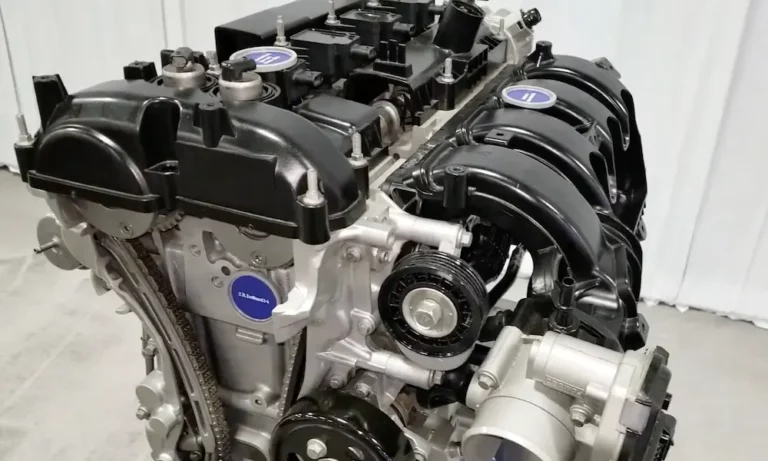
Facing engine failure in your Ford vehicle is scary—especially when it happens without warning. The recent Ford EcoBoost engine recall affects over 90,000 vehicles with potentially catastrophic defects. If you drive a Ford F-150, Bronco, Explorer, or several other models with 2.7L or 3.0L EcoBoost engines, you need to understand what’s happening and how to protect yourself and your investment.
Which Vehicles Are Affected by the Ford EcoBoost Recall?
The recall specifically targets 90,736 vehicles equipped with 2.7-liter and 3.0-liter V6 EcoBoost engines manufactured between June 2021 and October 2021. Here’s the complete breakdown of affected models:
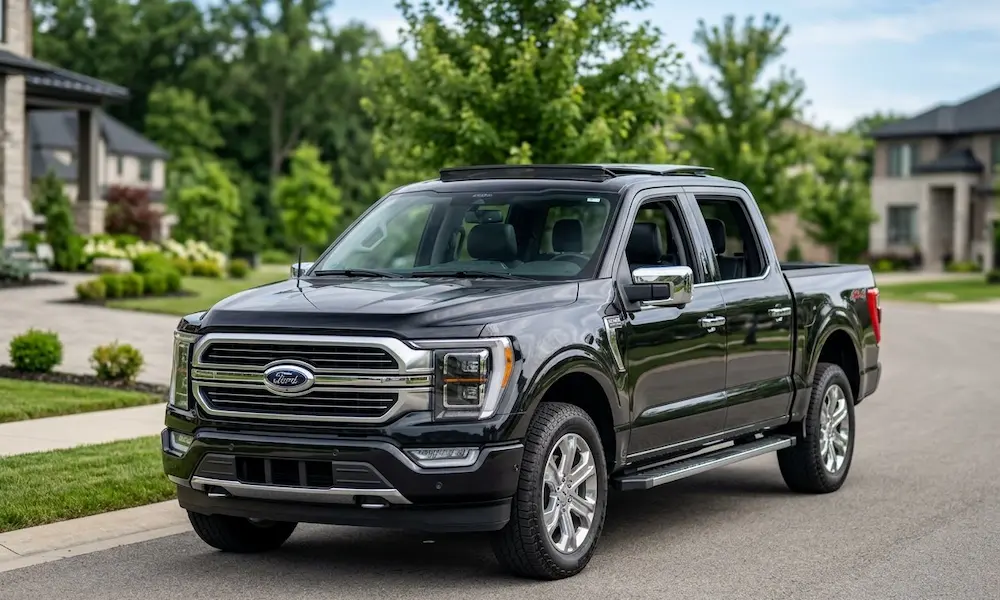
- Ford F-150: 47,719 units (52.6% of all recalled vehicles)
- Ford Bronco: 15,835 units (17.4%)
- Ford Explorer: 14,262 units (15.7%)
- Lincoln Aviator: 7,199 units (7.9%)
- Lincoln Nautilus: 3,355 units (3.7%)
- Ford Edge: 2,366 units (2.6%)
If you own one of these vehicles with a 2022 model year, your risk is highest, as this production window falls squarely within the affected manufacturing period. To verify if your specific vehicle is included, you can check your VIN on the NHTSA website or through Ford’s official recall portal.
What’s Wrong With the EcoBoost Engines?
The heart of the problem lies in brittle engine intake valves. Ford used a material called “Silchrome Lite” for these valves—a high-temperature alloy that, due to manufacturing issues, became susceptible to fracturing.
The Technical Issue Explained
The defect stems from improper machining processes during production, which created microscopic weaknesses in the valve structure. These weakened valves can suddenly break during normal operation, with catastrophic consequences:
- The valve fractures in the keeper groove (a critical retention feature)
- Broken valve pieces enter the combustion chamber
- Debris causes immediate damage to pistons and cylinder walls
- Complete engine failure occurs within seconds
- The vehicle loses power instantly—often while driving at highway speeds
What makes this problem particularly dangerous is that there are no reliable warning signs before failure. Your engine might run perfectly fine one moment and suffer catastrophic breakdown the next.
Warning Signs Your EcoBoost Engine May Be Failing
While the valve failures often happen without warning, some owners have reported symptoms that preceded complete failure. Stay alert for these potential indicators:
- Unusual engine noises: Ticking, knocking, or rattling sounds, especially during acceleration
- Performance issues: Hesitation, power loss, or rough running
- Warning lights: Check engine light illumination
- White or blue smoke: From the exhaust, potentially indicating internal engine damage
- Oil consumption: Needing to add oil between scheduled changes
- Overheating: Temperature gauge reading higher than normal
If you notice any of these symptoms, don’t wait—have your vehicle inspected immediately. The cost of ignoring these warning signs could be a complete engine failure while driving.
Ford’s Recall Response: What Are They Doing?
Ford has implemented a multi-faceted approach to address this serious safety issue:
Diagnostic Testing and Engine Replacement
When you bring your vehicle to a Ford dealership under this recall, technicians will perform:
- Engine cycle testing: A non-invasive pressure test that can detect early-stage valve degradation with 93% accuracy
- Full engine replacement: If your engine fails the diagnostic test, Ford will replace the entire powertrain with one using improved “Silchrome 1” valves
- Extended warranty coverage: All affected vehicles now receive a 10-year/150,000-mile warranty on critical engine components
This process isn’t quick—engine replacements take an average of 32 labor hours, and parts availability has been limited, with wait times of up to 14 weeks reported for some engine models.
Interim Transportation Solutions
Recognizing that many owners rely on their vehicles daily, Ford has established:
- Loaner vehicle programs: Complimentary rental cars during repair periods
- Mobile service units: In some high-density markets, specialized technicians can perform on-site diagnostics
- Reimbursement for previous repairs: If you previously paid for repairs related to this issue
How to Protect Yourself and Your Vehicle
If you own an affected EcoBoost-equipped vehicle, take these steps immediately:
1. Confirm Your Recall Status
- Visit Ford’s recall website and enter your VIN
- Call your local Ford dealership with your VIN handy
- Contact Ford Customer Service at 1-866-436-7332
2. Schedule Your Recall Service
Don’t delay scheduling this service—engine failures can happen at any time, and the longer you wait, the more backlogged dealers may become. When making your appointment:
- Ask about loaner vehicle availability
- Request written documentation of all services performed
- Keep copies of all repair orders and communications
3. Document Everything
In case of complications or future issues:
- Take photos of any visible engine problems
- Keep detailed records of any symptoms you experience
- Save all correspondence with Ford and dealerships
- Record dates and names of people you speak with
Understanding Your Legal Rights
The widespread nature of this defect has prompted several legal actions against Ford:
Class Action Lawsuits
Multiple class action lawsuits have been filed alleging:
- Diminished value: Claims that the defect has reduced resale values by 12-18%, even in unaffected vehicles
- Fraudulent concealment: Allegations that Ford knew about the Silchrome Lite risks months before taking action
- Warranty Act violations: Questions about whether Ford’s warranty extension truly compensates owners
If you’ve experienced an engine failure or related issues, you might have legal options beyond the recall remedy. Consumer protection attorneys specializing in automotive defects can help determine if you qualify for additional compensation under lemon laws or consumer protection statutes.
Comparison to Previous EcoBoost Issues
This isn’t the first time Ford’s EcoBoost engine family has faced serious recalls. Understanding the pattern helps put the current situation in context:
| Recall Year | Engine Size | Affected Vehicles | Primary Issue |
|---|---|---|---|
| 2013 | 1.6L | 139,917 Escapes | Cylinder head cracks/oil leaks |
| 2017 | 1.0L | 208,584 Focus/EcoSport | Oil pump belt failures |
| 2022 | 1.5L | 521,778 Escape/Bronco Sport | Fuel injector cracks |
| 2024 | 2.7L/3.0L | 90,736 F-150/Bronco/etc. | Intake valve fractures |
The current 2.7L/3.0L recall differs from previous issues as it involves catastrophic valve failures rather than fluid leaks or performance problems. However, the pattern suggests ongoing challenges with Ford’s turbocharged engine technology.
Long-Term Implications for Owners
Even after your vehicle receives recall service, there are long-term considerations:
Resale Value Impact
Early market analysis suggests recalled EcoBoost vehicles are experiencing:
- Higher depreciation rates: Approximately 5-8% beyond normal depreciation
- Longer listing times: Affected models taking 15-21 days longer to sell
- Disclosure requirements: Most states require disclosing major recalls when selling privately
If you plan to sell your vehicle in the future, maintaining complete service records showing the recall was properly addressed may help minimize these effects.
Future Reliability Considerations
While Ford’s fix replaces vulnerable Silchrome Lite valves with more durable Silchrome 1 components, some automotive engineers remain cautious about long-term durability:
- The high-stress environment of turbocharged engines continues to challenge component longevity
- Temperature fluctuations in extreme climates may still accelerate wear on engine internals
- Regular maintenance becomes even more critical for affected engines
To maximize reliability post-recall:
- Follow Ford’s recommended maintenance schedule precisely
- Consider more frequent oil changes using factory-recommended oil
- Have your engine professionally inspected if driving in extreme conditions
The Broader Industry Context
The Ford EcoBoost recall represents part of an industry-wide trend toward high-efficiency, turbocharged engines that sometimes sacrifice reliability for performance and fuel economy.
Material Science Challenges
Modern engines push the limits of materials science with:
- Higher operating temperatures that test metallurgical boundaries
- Complex component interactions requiring precise manufacturing tolerances
- Emphasis on lightweight materials that must withstand extreme conditions
As manufacturers push these boundaries, we’re seeing more recalls related to material failures across many brands—not just Ford.
What’s Next for EcoBoost Owners?
If you’re an affected owner, stay proactive:
- Schedule your recall service immediately if you haven’t already
- Stay informed about any recall extensions or updates from Ford
- Join owner forums to share experiences and solutions with others facing similar issues
- Consider extended warranty options if you plan to keep your vehicle beyond the 10-year/150,000-mile recall warranty
- Watch for symptoms of engine issues even after recall service is completed
The NHTSA continues to monitor this recall’s effectiveness, requiring Ford to submit monthly progress reports and conduct independent verification of repaired vehicles.
Making Sense of the EcoBoost Recall
This recall represents one of Ford’s most significant quality challenges in recent years. For owners, the key takeaways are:
- The defect is serious—potentially causing complete engine failure without warning
- Ford’s response includes comprehensive testing and full engine replacement when necessary
- Long-term protection comes from the extended 10-year/150,000-mile warranty
- Documentation and prompt action are essential to protect your rights
By understanding the technical issues, following through with recall service, and maintaining thorough records, you can minimize the impact of this recall on your ownership experience and ensure your vehicle remains safe on the road.
Remember: Don’t drive your affected vehicle if you notice any warning signs of engine problems. The risk of catastrophic failure while driving makes this recall particularly urgent for all owners of the affected models.