Is your Ford Escape blowing warm air when you need it most? You’re hitting that AC button and getting nothing but disappointment and sweat. AC problems in Ford Escapes are surprisingly common, but many issues can be diagnosed and sometimes fixed without an expensive trip to the mechanic.
Why Your Ford Escape’s AC Might Be Failing
Low Refrigerant: The Most Common Culprit
When your Ford Escape’s AC suddenly stops cooling, low refrigerant is usually the first suspect. The refrigerant is what actually creates the cooling effect in your system.
Signs you’re dealing with a refrigerant issue:
- AC blows lukewarm air instead of cold
- The cooling seems to work sometimes but not consistently
- You notice a thin, greasy substance around AC components
Refrigerant doesn’t just “use up” like fuel – if it’s low, you have a leak somewhere in the system. These leaks often appear at connection points, hoses, or the condenser itself.
“Most AC failures in Ford Escapes can be traced back to refrigerant leaks,” according to diagnostic research from professional mechanics. The tricky part is finding exactly where that leak is occurring.
The Telltale Click: Compressor Clutch Problems
Your AC compressor has a clutch that engages when you turn on the system. Listen carefully next time you press the AC button – do you hear a click from the engine area?
No click could mean:
- Electrical problems (blown fuse or relay)
- Low refrigerant (system won’t engage if pressure is too low)
- Failed pressure switch
Quick check: Look for the AC clutch relay in your engine compartment fuse box. Try swapping it with another identical relay (like the reverse lamp relay) to see if that resolves the issue. Also check the 10-amp AC fuse while you’re there.
Blower Motor Resistor: Why Your Fan Only Works on High
Does your AC fan only work on the highest setting? This extremely common issue in Ford Escapes points to a failed blower motor resistor.
The blower motor resistor controls your fan speeds. When it fails, you’ll typically only get air on the highest setting (speed 4) or no air at all. The good news? This is one of the easier and less expensive AC-related fixes for your Escape.
Cracked Condenser: The Front-End Vulnerability
The AC condenser sits right at the front of your vehicle, making it vulnerable to road debris. Even small stones can damage the delicate fins or create punctures.
Signs of condenser damage:
- System works briefly then fails
- Refrigerant depletes quickly after recharging
- Visible damage to the front grill area components
Ford Escape AC Issues by Model Year
2008-2012 Models: Common Problem Areas
The 2008-2012 Ford Escapes are particularly prone to certain AC failures:
- Blower motor resistor failures – causing fan speed issues
- Receiver/drier problems – internal components can collapse
- Pressure switch malfunctions – especially in 2012 models
The 2012 model year specifically has a frequent issue with the AC pressure sensor. This sensor tells the computer what pressure is in the system, and when it fails, the computer thinks the system is empty even when it’s properly charged. Many owners have successfully resolved this by replacing the pressure sensor located on the high-pressure line.
2013-2019 Models: Updated Systems, New Challenges
The redesigned 2013+ Ford Escapes have their own set of common AC issues:
- Evaporator freezing – often requires modifying the evaporator temperature sensor
- Water intrusion – causing electrical issues with the blower motor
- Blend door actuator failures – creating temperature control problems
Ford actually issued a Technical Service Bulletin (TSB) for certain 2013-2014 models regarding poor AC performance, which involves modifying how the evaporator temperature is sensed.
DIY Diagnosis: Where to Start
1. Basic Visual Inspection
Before getting technical, do a visual check:
- Look for obvious refrigerant leaks (oily residue) around hoses and connections
- Check for damaged components, especially in the front grille area
- Verify the cooling fans are operating when the AC is running
2. Listen For Compressor Engagement
When you turn on the AC:
- Set the controls to maximum cooling
- Listen for a distinct click from the engine area
- Watch the center of the AC pulley – the middle section should be spinning with the outer ring when engaged
No engagement could indicate electrical issues or low refrigerant pressure.
3. Test All Fan Speeds
Work through each fan speed setting checking for airflow:
- If only speed 4 (highest) works: likely a blower motor resistor issue
- If no air at any speed: could be a blower motor failure
- If airflow is weak at all speeds: possibly a clogged cabin air filter
4. Check the Cabin Air Filter
A clogged cabin air filter can restrict airflow and put extra strain on your AC system. The filter is typically located behind the glove box in Ford Escapes and should be replaced every 15,000-30,000 miles.
Common DIY Fixes You Can Handle
Replacing the Blower Motor Resistor
This is one of the most DIY-friendly AC repairs for your Escape:
- Locate the resistor behind the glove box
- Remove the mounting screws (usually two)
- Disconnect the electrical connector
- Install the new resistor (around $20-50 for parts)
- Reconnect and test all fan speeds
Many owners have successfully completed this repair themselves in under 30 minutes.
Checking and Replacing Fuses/Relays
The AC system relies on several electrical components:
- Check the owner’s manual for fuse box locations (typically one under the dash and one in the engine compartment)
- Look for any blown fuses related to “AC,” “HVAC,” or “Blower”
- Test relays by swapping with identical ones in the same fuse box
Adding Refrigerant (With Caution)
If your system is just low on refrigerant, you can add more using a DIY recharge kit:
- Purchase a refrigerant kit with gauge from an auto parts store
- Locate the low-pressure service port (usually has a blue cap)
- Follow the kit instructions to add refrigerant slowly
- Watch the pressure gauge carefully to avoid overfilling
Important warning: Only add refrigerant if you’re confident your system doesn’t have major leaks. Adding refrigerant to a leaking system is just a temporary fix and potentially harmful to the environment.
The Cost Breakdown: DIY vs. Professional Repair
| Repair | DIY Cost | Professional Cost |
|---|---|---|
| Blower Motor Resistor | $20-50 (parts) | $150-250 |
| Refrigerant Recharge | $40-60 (kit) | $150-300 |
| AC Pressure Sensor | $40-80 (parts) | $150-300 |
| Compressor Replacement | $200-400 (parts) | $800-1,400 |
| Complete System Overhaul | Not Recommended | $1,000-2,000 |
When You Need Professional Help
While many Ford Escape AC issues can be diagnosed at home, some repairs require specialized tools and expertise:
- Refrigerant leak detection and repair (requires special equipment)
- Compressor replacement (requires recovery of old refrigerant)
- Evaporator replacement (major dashboard disassembly)
- System evacuation and proper recharge (requires vacuum pump)
If your system has been completely empty for a long time, it will need professional evacuation to remove moisture and air before recharging.
Preventative Maintenance to Avoid Future Issues
Keep your Ford Escape’s AC running strong with these tips:
- Run the AC for at least 10 minutes weekly, even in winter (keeps seals lubricated)
- Replace your cabin air filter every 15,000-30,000 miles
- Have the AC inspected annually before hot weather arrives
- Address strange noises or performance changes immediately
- Consider installing a grille guard if you frequently drive on gravel roads
Technical Stats About Ford Escape AC Systems
| Model Year | Refrigerant Type | System Capacity | Common Failure Points |
|---|---|---|---|
| 2008-2012 | R-134a | 24-26 oz | Blower resistor, pressure switch |
| 2013-2019 | R-134a | 20-24 oz | Evaporator sensor, blend door actuator |
| 2020+ | R-1234yf | 18-20 oz | Electronic control module issues |
Advanced Troubleshooting: For the Mechanically Inclined
If you’re comfortable with more advanced diagnostics:
Checking AC System Pressures
With a proper manifold gauge set, you can learn a lot about your system:
- Low-side readings below 30 psi suggest low refrigerant
- High-side readings above 250 psi indicate potential blockages
- Equal pressures on both sides suggest a failed compressor
Testing the Pressure Switch
The AC pressure switch on many Ford Escapes (especially 2012 models) can be tested with a basic multimeter:
- Locate the switch on the high-pressure line
- Disconnect the electrical connector
- Check for continuity across the switch terminals
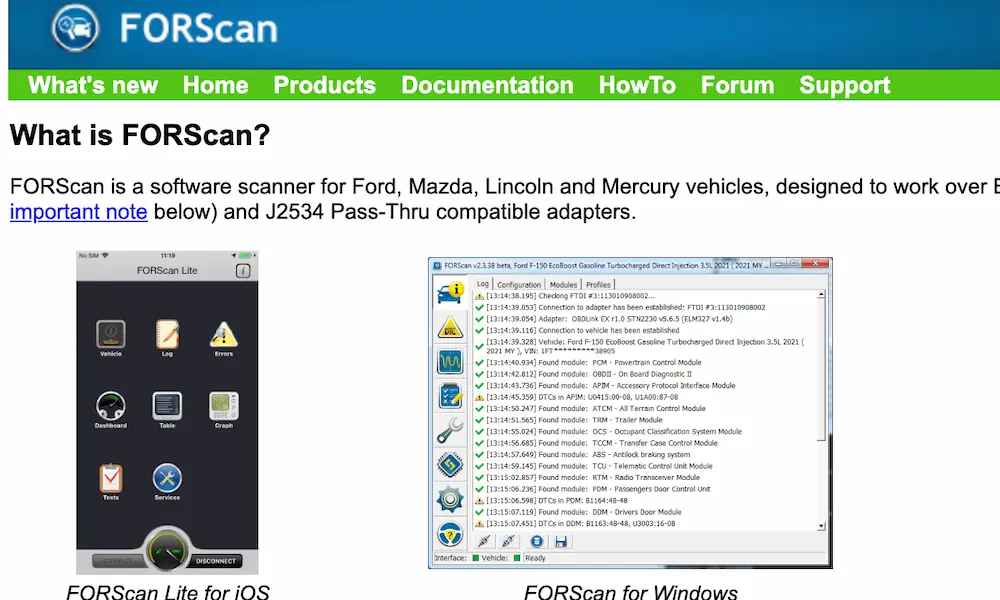
- Compare your pressure switch readings with scan tool data if possible
Remember that proper diagnosis often saves money by preventing unnecessary parts replacement. Many Ford Escape owners have reported spending hundreds on compressor replacements only to find the actual issue was a simple pressure switch or electrical problem.
By following this guide, you’ll be able to identify the most common causes of AC problems in your Ford Escape and determine whether it’s a DIY fix or time to visit the professionals. Stay cool!