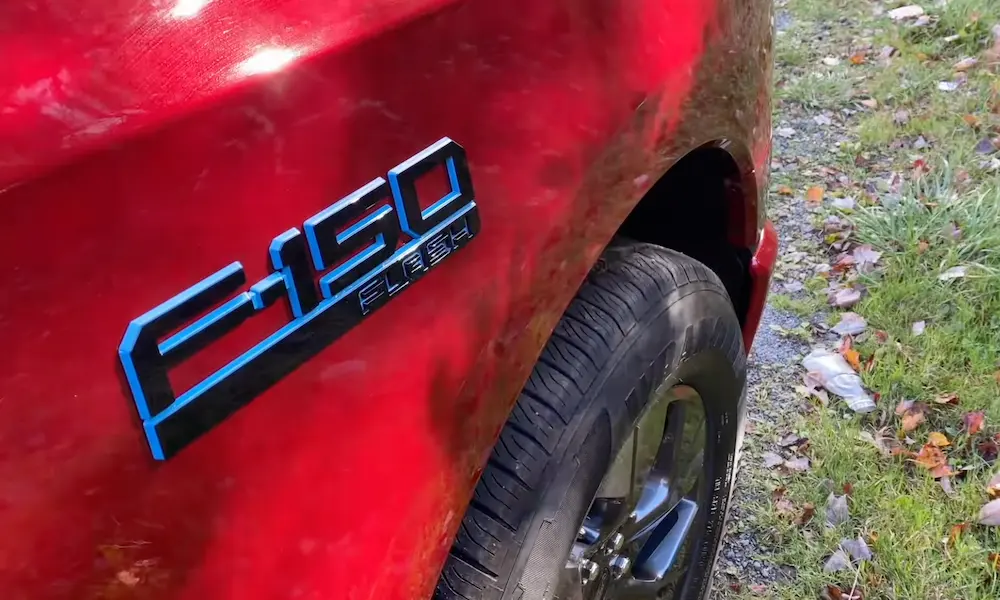
Tired of sweating in your F-150 when the summer heat hits? Your truck’s air conditioning might just need a simple refrigerant recharge. With the right tools and know-how, you can save yourself a trip to the mechanic and have your cabin cool again in under an hour. This guide walks you through the entire Ford F150 AC recharge process from start to finish.
What You Need to Know Before Starting
Before grabbing refrigerant cans and jumping into an AC recharge, there are critical factors you need to understand about your specific F-150.
Identify Your Refrigerant Type First
Your Ford F-150’s model year determines which refrigerant type your system requires:
- 2020 and older F-150s: Use R-134a refrigerant
- 2021 and newer F-150s: Use R-1234yf refrigerant
This distinction is crucial – these refrigerants are absolutely not interchangeable. Using the wrong type can cause serious damage to your AC system and lead to costly repairs. If you’re unsure, check the information sticker under your hood or consult your owner’s manual.
The automotive industry shifted to R-1234yf to comply with environmental regulations, as it has a significantly lower global warming potential than R-134a.
Know Your Exact Refrigerant Capacity
Ford specifies different refrigerant capacities based on your F-150’s engine type:
| Engine Type | Refrigerant Capacity |
|---|---|
| 2.7L EcoBoost V6 | 29 oz (0.82 kg) |
| 3.5L EcoBoost V6 | 26 oz (0.737 kg) |
| 5.0L V8 | 24 oz (0.68 kg) |
Finding your specific capacity is essential to prevent under or overcharging. You can locate this information in your F-150’s owner’s manual or on the refrigerant specification label under your hood.
Tools and Materials You’ll Need
To properly recharge your Ford F150’s AC system, gather these items:
- AC recharge kit with the correct refrigerant type for your model year
- Gauge-equipped recharge hose
- Safety goggles
- Gloves (preferably thick rubber)
- Digital thermometer (optional but helpful)
A quality recharge kit typically costs between $30-60 depending on refrigerant type (R-1234yf kits cost significantly more than R-134a kits).
Finding the Low-Pressure Port on Your F-150
Locating the correct service port is critical for a proper Ford F150 AC recharge. On most F-150 models:
- The low-pressure port is on the larger aluminum line that runs from the compressor toward the firewall
- It’s typically found on the passenger side, near the back of the engine bay
- Look for a plastic cap marked with an “L” or “LOW”
The port has a quick-connect fitting designed specifically for AC service equipment. Never attempt to connect to the high-pressure port (usually marked with an “H”), as this could cause dangerous pressure issues or equipment damage.
If you’re having trouble locating it, check out this helpful video guide showing the exact location on various F-150 models.
Step-by-Step Ford F150 AC Recharge Process
Follow these steps precisely to safely recharge your system:
1. Preparation and Safety Checks
- Park your F-150 on level ground
- Ensure you’re working in a well-ventilated area
- Put on your safety goggles and gloves
- Verify your system isn’t leaking (no oil residue around connections)
- Check that the ambient temperature is above 65°F (18°C) for accurate readings
2. Initial System Testing
- Start your F-150’s engine
- Turn your AC to maximum cooling with the highest fan setting
- Activate the recirculation mode (this provides the coldest possible air)
- Allow the system to run for 5-10 minutes
- Use a thermometer to check the vent temperature (below 45°F indicates good cooling)
- If air is warm or barely cool, proceed with the recharge
3. Connecting to the Low-Pressure Port
- Locate the low-pressure service port as described earlier
- Remove the protective cap and keep it safe
- Take your recharge hose with the gauge attached
- Push the quick-connect fitting firmly onto the service port until it clicks securely into place
- Verify the connection is secure before proceeding
4. Checking Current System Pressure
Check your system’s initial pressure before adding refrigerant:
- With the engine running and AC on max settings
- Read the pressure on your gauge
- Compare with the manufacturer’s specifications (typically 25-35 PSI for a properly charged system)
- If the needle shows in the red “LOW” zone, your system needs recharging
5. Adding Refrigerant to Your F-150
Now for the actual Ford F150 AC recharge process:
- Attach the refrigerant can to your recharge hose according to kit instructions
- If required, pierce the can by turning the valve knob clockwise
- Hold the can upright initially to release any air in the hose
- Then invert the can (turn it upside down) – this allows liquid refrigerant to enter the system
- Open the valve by turning counterclockwise to allow refrigerant flow
- Add refrigerant in short 5-10 second bursts, pausing between each
- Watch the pressure gauge carefully – aim for the “green” zone (typically 25-45 PSI depending on ambient temperature)
- Periodically check the air temperature from your vents
During this process, you should notice the air from your vents getting progressively colder. If you have a thermometer, you’re looking for vent temperatures around 40-45°F (4-7°C).
For a visual demonstration of this process, this instructional video shows the recharge procedure on an F-150.
6. Finalizing the Recharge
- Once your gauge reads in the green zone and vent air is cold, close the valve
- Let the system run for 5-10 more minutes to ensure pressure stabilizes
- If pressure remains in the green zone and air stays cold, your recharge is successful
- Disconnect the recharge hose by pressing the release tab on the quick-connect fitting
- Quickly replace the protective cap on the service port
- Properly store any remaining refrigerant according to local regulations
Common Problems and Troubleshooting
If Your AC Still Blows Warm After Recharging
This could indicate:
- A leak in your system (look for oily residue around connections)
- A failed compressor (you may hear unusual noises when the AC is on)
- A clogged expansion valve or orifice tube
For systems with significant leaks, a simple recharge won’t solve the problem long-term. The Ford service manual recommends a proper leak test before recharging.
If Pressure Rises Too Quickly or Won’t Stabilize
This may indicate:
- Overcharging (stop immediately and consult a professional)
- A blocked condenser (check for debris and clean if necessary)
- A malfunctioning cooling fan
If You Hear Unusual Noises During Recharge
Stop immediately if you hear:
- Hissing sounds (potential leak)
- Grinding from the compressor (mechanical failure)
- Rattling (loose components)
Important Maintenance Tips for Long-Term AC Performance
Keep your F-150’s AC system running strong with these maintenance practices:
- Run your AC for at least 10 minutes weekly, even in winter (keeps seals lubricated)
- Replace the cabin air filter annually (improves airflow and system efficiency)
- Keep your condenser clean and free of debris (enhances heat transfer)
- Address any refrigerant leaks promptly rather than repeatedly recharging
According to most F-150 owners’ experiences, a properly maintained system shouldn’t need recharging more often than every 3-5 years. If you find yourself needing frequent recharges, have your system professionally inspected for leaks.
Environmental Considerations
Refrigerants can harm the environment if not handled properly:
- Never intentionally vent refrigerant to the atmosphere (it’s illegal and harmful)
- Dispose of empty refrigerant cans according to local regulations
- Consider having a professional recover refrigerant if you’re replacing major AC components
The transition to R-1234yf in newer F-150s reflects Ford’s commitment to reducing environmental impact from automotive air conditioning systems.
Understanding When DIY Isn’t Enough
While a basic Ford F150 AC recharge is within most owners’ capabilities, certain situations call for professional help:
- System completely empty of refrigerant (indicates a significant leak)
- Compressor making unusual noises or not engaging
- AC system has been open or components replaced (requires vacuum evacuation)
- Multiple recharges needed within a short period
In these cases, the system likely needs professional diagnosis using specialized equipment like leak detectors and recovery machines.
Final Thoughts
Recharging your Ford F-150’s AC system is a satisfying DIY project that can restore comfort to your driving experience while saving money. By following this guide and respecting the specific requirements of your truck’s system, you can enjoy cool air again without an expensive trip to the mechanic.
Remember that prevention is always better than cure – regular maintenance and addressing small issues before they become major problems will keep your F-150’s climate control system performing optimally through many summers to come.