Is your Ford Fusion showing an “Engine Coolant Over Temperature” warning? This isn’t just an annoying dashboard light—it’s your car telling you something’s seriously wrong. Hot engines can quickly become damaged engines, and knowing what to do next can save you thousands in repairs. Let’s break down what causes this problem, how to respond, and what fixes you might need.
What Does “Engine Coolant Over Temperature” Actually Mean?
When your Ford Fusion displays this warning, it means your engine is running dangerously hot. Normal operating temperature for your Fusion should be between 195-225°F (90-107°C). When temperatures climb beyond this range, your dashboard warning activates to prevent catastrophic engine damage.
Your cooling system is designed to maintain optimal temperature by circulating coolant through the engine block and radiator. When this system fails, heat builds up quickly—sometimes in a matter of minutes.
Immediate Actions When You See the Warning
If your dashboard lights up with the coolant temperature warning:
- Pull over safely as soon as possible. Continuing to drive can lead to blown head gaskets, warped cylinder heads, or complete engine failure.
- Turn off the engine to prevent further heat buildup.
- Don’t open the hood immediately! The cooling system is under pressure and can cause severe burns if opened while hot.
- Turn your heater to maximum before shutting down. This sounds counterintuitive, but your car’s heater acts as a secondary radiator, pulling heat away from the engine.
Common Causes of Overheating in Ford Fusion Models
1. Thermostat Failures
The thermostat regulates coolant flow through your engine. It’s a common culprit in Ford Fusion overheating issues. When it fails, it usually happens one of two ways:
- Stuck closed: Prevents coolant from flowing to the radiator, causing rapid overheating
- Stuck open: Engine takes too long to reach operating temperature, affecting performance and fuel economy
Signs of thermostat issues include fluctuating temperature gauge readings and inconsistent heating performance.
2. Water Pump Problems
The water pump circulates coolant through your engine. In Ford Fusions, water pump replacement can be particularly expensive—sometimes costing over $2,000 due to the extensive labor required (13+ hours in some models).
Watch for these water pump failure symptoms:
- Coolant leaks around the pump housing
- Whining or high-pitched sounds from the front of the engine
- Overheating that worsens at idle
- Poor heater performance
3. Coolant Leaks
Ford Fusion vehicles, particularly 2013-2019 models with EcoBoost engines, have experienced well-documented coolant leak issues. Common leak points include:
- Radiator damage (often from loose fan assemblies)
- Deteriorated hoses and connections
- Cracked water outlet housing (common on 2.5L engines)
- Internal engine leaks allowing coolant into cylinders
The most concerning are internal leaks, which can quickly lead to complete engine failure. These often appear as mysterious coolant disappearance without visible leaks under your car.
4. Cooling Fan Malfunctions
The radiator cooling fans are crucial when driving at low speeds or idling. When they fail, your Fusion might:
- Maintain normal temperature while driving at highway speeds
- Overheat quickly when idling or in stop-and-go traffic
- Blow warm air from the AC when stopped
Before assuming the worst, check the fuses. Often, a simple blown fuse is the culprit rather than an expensive fan motor.
5. Coolant Temperature Sensor Issues
A malfunctioning coolant temperature sensor can trigger false overheating warnings or prevent the computer from recognizing actual overheating. Symptoms include:
- Erratic temperature gauge readings
- Engine running in “limp mode”
- Overheating warnings with normal coolant levels
Ford Fusion Coolant Recall Information
In 2019, Ford issued recalls for over 200,000 vehicles, including 2013-2018 Ford Fusion models with 1.5L and 2.0L EcoBoost engines. The recall addressed coolant leak issues that could cause engine damage and potential fires.
If you own a:
- 2013-2018 Ford Fusion with 1.5L or 2.0L EcoBoost engine
- 2013-2015 Lincoln MKZ
- 2015-2018 Ford Edge
- 2017-2018 Lincoln Continental
Check if your vehicle is included by entering your VIN on the NHTSA recall website.
DIY Diagnostic Steps
Step 1: Check Your Coolant Level
When the engine is COMPLETELY COOL, check your coolant reservoir level. It should be between the “min” and “max” lines. Low coolant is often the first sign of a leak.
Step 2: Visual Inspection
Look for these telltale signs:
- Puddles under the car (coolant is typically green, orange, or pink)
- White streaks or crusty deposits on hoses and connections
- Damaged or swollen hoses
- Steam from under the hood
Step 3: Monitor Actual Temperature
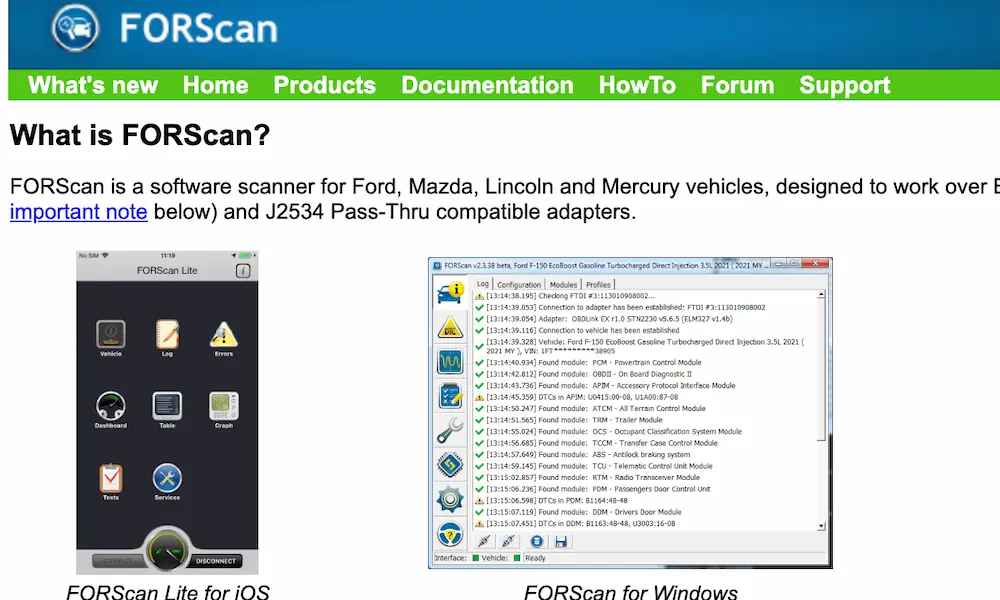
An OBD-II scanner can read your actual coolant temperature. Normal readings should be 88-95°C (190-203°F) during operation. Higher readings confirm genuine overheating rather than sensor issues.
Step 4: Test Your Cooling Fans
With the engine warmed up and A/C on maximum, both cooling fans should operate. If they don’t:
- Check the relevant fuses first
- Inspect fan relays
- Look for damaged wiring connections
The Critical Importance of Proper Cooling System Bleeding
Ford Fusion cooling systems are notoriously difficult to bleed properly. Air trapped in the system causes hot spots and overheating. The proper bleeding procedure involves:
- Locating the bleeder valve on the driver’s side near the intake manifold
- Opening the valve while filling the cooling system
- Running the engine until a steady stream of coolant (not air bubbles) flows from the bleeder
- Following Ford’s specific procedure: idle for 30 minutes, then rev to 3,000 RPM for 10 seconds, idle for 50 seconds, and repeat 15 times
Skipping this procedure is a common cause of recurring overheating issues after repairs.
Ford Fusion Cooling System Maintenance Schedule
| Service | Initial Interval | Subsequent Intervals |
|---|---|---|
| Coolant Change | 6 years or 100,000 miles | Every 3 years or 50,000 miles |
| Cooling System Inspection | Every oil change | Every oil change |
| Hose Replacement | As needed (inspect regularly) | As needed (inspect regularly) |
| Thermostat | No scheduled replacement | Replace when symptoms occur |
Warning Signs That Shouldn’t Be Ignored
Never ignore these symptoms, which suggest serious cooling system problems:
| Warning Sign | Possible Cause | Urgency Level |
|---|---|---|
| White exhaust smoke | Coolant leaking internally | Immediate attention required |
| Sweet smell inside cabin | Heater core leak | High – safety concern |
| Coolant disappearing without visible leaks | Internal engine leak | Immediate attention required |
| Temperature rapidly climbing after starting | Thermostat failure or air lock | High |
| Overheating only at idle | Fan or water pump issues | Medium-high |
Preventing Ford Fusion Coolant Problems
- Regular inspection: Check coolant level at every gas fill-up
- Use the right coolant: Ford Fusions require specific coolant formulations—using the wrong type can cause corrosion and system damage
- Watch your temperature gauge: Get familiar with your normal operating temperature so you’ll notice changes quickly
- Address small issues quickly: A minor leak today can become a major problem tomorrow
- Keep service records: Document all cooling system work to identify patterns and recurring issues
Your Ford Fusion’s cooling system is complex but understanding it can save you from expensive repairs. Many cooling issues start small—a slight leak or minor temperature fluctuation—but can quickly escalate to engine-destroying problems without proper attention.
By knowing the warning signs and taking immediate action when your dashboard shows “Engine Coolant Over Temperature,” you’ll protect both your car and your wallet from the consequences of overheating.