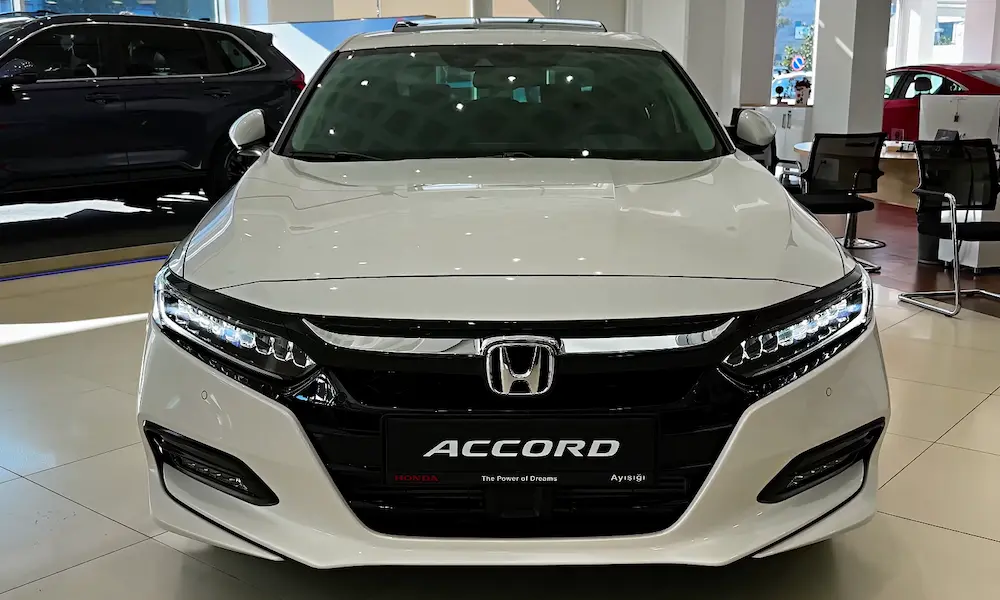
Is your Honda Accord refusing to start? There’s that sinking feeling when you turn the key or push the start button and… nothing happens. Whether you’re dealing with a clicking sound, a car that cranks but won’t fire up, or complete silence, we’ll help you pinpoint the issue and get back on the road quickly.
Battery Issues: The Most Common Culprit
When your Honda Accord won’t start, the battery is usually the first suspect. Over 50% of no-start situations are battery-related.
Dead or Weak Battery
A dead battery is the most common reason your Honda Accord won’t start. Look for these signs:
- Dim headlights
- Slow or no cranking
- Dashboard lights that flicker or don’t come on at all
To test: Try jump-starting your car. If it starts with a jump, your battery is likely the problem. A properly functioning battery should maintain at least 9.6V under load during a load test.
Corroded Battery Terminals
Even a good battery can’t do its job with corroded connections. Corrosion (those white or greenish deposits) blocks electrical flow.
To fix:
- Disconnect battery cables (negative first)
- Mix baking soda and water into a paste
- Scrub terminals with an old toothbrush
- Rinse with water and dry thoroughly
- Reconnect cables (positive first)
Failing Alternator
Your alternator recharges the battery while driving. When it fails, your battery gradually drains until it can’t start the car.
Signs of alternator issues:
- Battery warning light on dashboard
- Dimming headlights while driving
- Multiple electrical problems
A healthy alternator should produce 13.5–14.8V at idle. Voltage below this range suggests alternator problems that need professional attention.
Starter Motor Problems
If your battery checks out fine but your Accord still won’t start, the starter motor might be your next culprit.
Faulty Starter Motor
When you turn the key and hear a clicking sound but no engine cranking, you likely have a starter motor issue. Honda Accords (especially 2013-2016 V6 models) sometimes experience starter problems due to torque converter misalignment.
To diagnose: Listen for a rapid clicking sound when trying to start. This usually indicates the starter solenoid is working, but the motor isn’t turning.
Bad Starter Solenoid
The solenoid acts as a switch that powers the starter motor. If the solenoid fails, your starter motor won’t engage even with a good battery.
You might hear a single loud click but no cranking. Honda has addressed some starter issues in Technical Service Bulletin TSB 16-002, which recommends specific repairs for affected models.
Ignition System Failures
If your Accord cranks but won’t start, the ignition system might be at fault.
Bad Ignition Switch
The ignition switch in your Honda Accord can wear out over time (common in 2005-2008 models). Symptoms include:
- Car starts intermittently
- Electrical components cutting out while driving
- Key turns but nothing happens at all
To check, test for continuity between the BAT and ST terminals when the key is in the “Start” position.
Faulty Ignition Coils
Ignition coils convert low voltage to the thousands of volts needed for spark plugs. When they fail, your engine might crank but won’t start, or it will run roughly.
Signs of bad ignition coils:
- Engine misfires
- Poor fuel economy
- Check Engine light on
Diagnosing requires testing each coil individually or checking for specific error codes with a scanner.
Fuel System Problems
No fuel means no start, even if everything else is working perfectly.
Empty Gas Tank or Inaccurate Fuel Gauge
It sounds obvious, but sometimes your fuel gauge might be inaccurate. If your Honda Accord suddenly stops running and won’t restart, consider adding a gallon of gas to rule this out.
Failed Fuel Pump
The fuel pump sends gasoline from the tank to the engine. When it fails, your Accord will crank but won’t start.
Listen for a brief humming sound when you turn the key to “ON” (before cranking). No sound could mean a failed pump. Recent Honda recalls have addressed fuel pump issues in newer models.
Clogged Fuel Filter
A clogged fuel filter restricts gasoline flow, causing hard starts or stalling. Honda Accords typically need filter replacement every 30,000 miles.
Security and Immobilizer Issues
Modern Honda Accords have sophisticated anti-theft systems that can sometimes prevent starting.
Key Fob Battery Dead
In push-button start Accords (2015-2022), a dead key fob battery can prevent starting. The car may not detect the key fob if its battery is too weak.
Quick fix: Hold the key fob directly against the start button while pressing. This uses the button’s electromagnetic field to power the key’s transponder temporarily.
Immobilizer Malfunction
If your dashboard’s security light is flashing, your car’s immobilizer might be preventing it from starting. This system ensures only programmed keys can start your vehicle.
To reset: Disconnect your battery for 10+ minutes to reset the ECU, then reconnect. If problems persist, key reprogramming might be necessary.
Transmission Safety Features
Honda builds in safety features to prevent starting in unsafe conditions.
Shift Interlock Problems
Automatic transmission Accords won’t start unless they’re in Park or Neutral. A faulty shift position sensor can trick the car into thinking it’s in gear.
Try this: Firmly engage the shifter in Park, depress the brake fully, then try starting. Some models have a shift lock release button that can be used in emergencies.
Clutch Safety Switch (Manual Transmissions)
Manual Honda Accords have a clutch safety switch that prevents starting unless the clutch pedal is fully depressed. If this switch fails, your car won’t start even with the clutch down.
Quick check: Try starting while pushing the clutch all the way to the floor. If adjustment or replacement is needed, this is usually an easy fix.
Recent Honda Accord Recalls and Issues
Being aware of known issues can save you time and money.
TSB 16-002: Starter and Torque Converter Issues
Honda issued Technical Service Bulletin 16-002 addressing starter problems in 2013-2016 V6 Accords. The fix involves replacing the starter motor (P/N 31200-5G0-A04) and rotating the torque converter one bolt hole to optimize alignment.
Fuel Pump Recall (2023-2025 Models)
In 2024, Honda recalled approximately 720,810 vehicles, including 2023-2025 Accord Hybrids, due to high-pressure fuel pumps prone to cracking. This defect can cause fuel leaks and fire risks. The recall includes free pump replacement by dealers.
DIY Diagnosis: Determining if Your Honda Accord Will Start
Before calling a tow truck, try these diagnostic steps to pinpoint the issue.
Step 1: Check for Power
Turn the key to “ON” (not start) and check if dashboard lights come on:
- No lights = dead battery or major electrical issue
- Dim lights = weak battery
- Normal lights = battery probably OK
Step 2: Listen When Trying to Start
Different sounds indicate different problems:
- Click, click, click = weak battery or bad starter solenoid
- Single loud click = bad starter motor or solenoid
- Normal cranking but no start = fuel or ignition problem
- Nothing at all = battery, ignition switch, or security system issue
Step 3: Quick Fixes to Try First
- Battery jump start: Connect jumper cables properly and try starting
- Key fob trick: For push-button starts, hold key fob directly against start button
- Wiggle the shifter: Ensure transmission is fully in Park
- Check for fuel: Add a gallon if you’re not sure about your gauge accuracy
Preventing Future Starting Problems
Keep your Honda Accord starting reliably with these preventive measures.
Regular Battery Maintenance
- Clean terminals every 6-12 months
- Have battery tested annually, especially before winter
- Consider replacement after 3-5 years, even if it seems fine
Fuel System Care
- Use quality fuel from reputable stations
- Add fuel system cleaner occasionally (every 6 months)
- Don’t regularly run with less than 1/4 tank
Pay Attention to Warning Signs
Don’t ignore these early indicators:
- Slow cranking (getting worse over time)
- Occasional hesitation when starting
- Electrical glitches getting more frequent
Keep Up With Honda’s Recommended Maintenance
Following the maintenance schedule in your owner’s manual prevents many starting issues before they happen. Pay special attention to:
- Timing belt replacement (if equipped)
- Fuel filter changes
- Spark plug replacement intervals
Cost Expectations for Common Honda Accord Starting Repairs
| Repair | DIY Cost | Professional Cost | Notes |
|---|---|---|---|
| Battery Replacement | $120-180 | $150-250 | Higher for stop-start equipped models |
| Starter Motor | $150-300 | $400-700 | V6 models typically cost more |
| Alternator | $180-300 | $500-800 | Higher for newer models |
| Ignition Switch | $30-100 | $150-350 | Labor costs vary by model year |
| Fuel Pump | $150-400 | $400-900 | Complete assembly replacement |
| Key Fob Battery | $3-5 | $10-20 | Simple DIY job |
Diagnostic Tools Worth Having
These tools make troubleshooting your Honda Accord much easier:
| Tool | Approximate Cost | What It Diagnoses |
|---|---|---|
| Digital Multimeter | $20-40 | Battery voltage, continuity, starter draw |
| OBD2 Scanner | $30-100 | Engine codes, sensor readings |
| Battery Load Tester | $30-60 | Battery condition under load |
| Test Light | $5-15 | Simple circuit testing |
| Fuel Pressure Tester | $40-80 | Fuel pump performance |
Your Honda Accord is built to be reliable, but even the most dependable cars can have starting troubles. By understanding the common causes and following the steps above, you’ll be better equipped to diagnose and fix the problem quickly, or at least know what to tell your mechanic.
Remember, if your car is under one of Honda’s recalls or service bulletins, the repair might be covered at no cost to you. Check with your dealer using your VIN number to verify coverage.