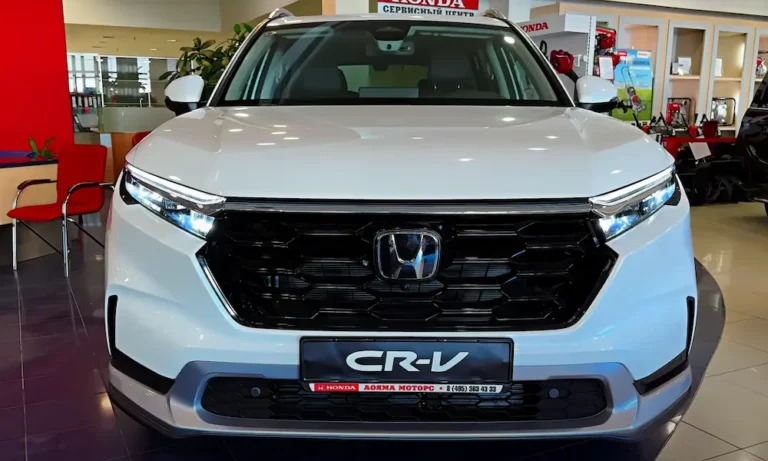
Is your Honda CR-V blowing warm air when you need cool relief? AC problems in your CR-V can make summer drives unbearable. This guide walks you through every possible cause, from simple fixes you can handle yourself to issues that need professional attention. You’ll find model-specific information, cost breakdowns, and step-by-step diagnostic procedures to get your CR-V’s AC working properly again.
Common Causes of Honda CR-V AC Failure
When your Honda CR-V’s air conditioning stops working, several key components might be at fault. Let’s examine the most frequent culprits:
Low Refrigerant Levels
The most common reason your Honda CR-V’s AC isn’t cooling is insufficient refrigerant. Your vehicle uses either R134a (older models) or R1234yf (2017 and newer), which circulates through the system absorbing heat from your cabin.
Signs of low refrigerant include:
- AC that blows cool but not cold
- Cooling that works initially then gradually warms
- Compressor that cycles on and off frequently
Refrigerant leaks typically occur at connection points where rubber seals and O-rings deteriorate over time. Look for green or clear fluid stains under your vehicle—this indicates you need professional leak detection and repair. The newer R1234yf refrigerant costs significantly more than traditional R134a, making proper leak repairs even more important.
Electrical System Problems
Your CR-V’s AC relies on several electrical components that can fail:
Blown Fuses: Check fuse #14 (10 amp) in the interior fuse box and fuse #17 (10 amp) in the engine bay fuse box. These power the AC relay, control unit, and magnetic clutch. A blown fuse means your entire AC system loses power.
Compressor Clutch Issues: The clutch engages and disengages the compressor from the engine’s serpentine belt. When it fails, your compressor won’t turn on at all.
Wiring Problems: Corroded connections or damaged wires can prevent proper electrical signals from reaching AC components.
Mechanical Component Failures
Your Honda CR-V’s AC system depends on several mechanical parts that can wear out:
Compressor Failure: This is one of the most serious and expensive AC problems, particularly in third-generation CR-Vs (2007-2011). Listen for grinding noises when the AC is on—this often indicates failing compressor bearings. When compressors fail catastrophically, they can spread metal debris throughout your entire system, requiring a complete flush and multiple component replacements.
Condenser Damage: Located in front of your radiator, the condenser has delicate aluminum fins that can be damaged by road debris. A damaged or clogged condenser can’t properly dissipate heat, leading to inadequate cooling.
Blower Motor Issues: If you hear the compressor engage but feel little or no air from the vents, your blower motor might be failing.
DIY Troubleshooting Steps
Before heading to a shop, try these diagnostic steps to potentially save time and money:
Basic System Checks
Start with the simplest verification steps:
- Confirm your AC controls are set correctly:
- Temperature dial at maximum cold
- Fan speed on high
- AC button pressed (illuminated)
- Test both recirculation and fresh air modes to determine if the problem affects all system operations or specific settings.
- Check the cabin air filter: This is one of the most overlooked AC performance issues. A clogged filter restricts airflow and reduces cooling efficiency. The cabin filter is located behind the glove box in most Honda CR-V models and should be replaced every 12-24 months.
| Cabin Filter Condition | Effect on AC Performance | Recommended Action |
|---|---|---|
| Slightly dirty | Minimal impact | Replace at next service |
| Moderately dirty | Reduced airflow, less cooling | Replace soon |
| Severely clogged | Poor cooling, musty odors | Replace immediately |
Visual and Auditory Diagnosis
Careful observation can reveal specific problems:
- Engine Bay Inspection: With the engine running and AC on, locate the compressor (typically at the bottom of the engine near the alternator). You should hear and see the clutch engage with an audible click when the AC is activated.
- Listen for unusual sounds:
- Grinding or squealing: Likely compressor bearing failure
- Rapid clicking: Possible electrical issues with the clutch
- Intermittent clicking: Could be pressure switch activation due to low refrigerant
- Check for leaks: Look around AC components for oil residue or stains that might indicate refrigerant leaks.
Model-Specific Honda CR-V AC Issues
Different generations of the Honda CR-V have unique AC problems you should know about:
Second Generation (2002-2008)
These CR-V models experience well-documented compressor clutch problems addressed in Honda service bulletin #12-072. The compressor clutch assembly sits in a poorly positioned spot without adequate heat shielding, causing premature failure.
The thermal protection switch can cause intermittent AC operation in hot weather. You might notice the AC works fine when driving but fails during idling or stop-and-go traffic.
Honda extended warranty coverage for this specific issue to seven years or 100,000 miles, so check if your vehicle might qualify for covered repairs.
Third Generation (2007-2011)
The third-generation CR-V frequently experiences catastrophic AC compressor failures that contaminate the entire refrigerant system with metal debris—sometimes called “black death.” When this happens, the repair requires:
- Complete system flushing
- Replacement of the receiver-dryer
- Thorough cleaning of all components
- New compressor installation
The total repair often costs between $900-$1,300 for parts and labor, sometimes approaching the value of older vehicles.
Fourth Generation and Newer (2012+)
Newer Honda CR-V models incorporate improved AC system designs that address many problems found in earlier generations. However, models from 2017 and later use R1234yf refrigerant that requires specialized equipment for service and costs significantly more than traditional refrigerants.
Modern CR-V air conditioning systems include sophisticated electronic controls and sensors that typically require professional diagnostic equipment for proper troubleshooting.
When DIY Won’t Cut It: Professional Diagnosis
Some symptoms require immediate professional attention:
- Burning smells when the AC operates (potential electrical problems)
- Complete loss of airflow from vents (blower motor failure)
- Visible refrigerant leaks under the vehicle
- Grinding or squealing noises from the compressor area
Never attempt DIY repairs on pressurized refrigerant systems without proper equipment and training—it’s dangerous and may violate environmental regulations.
Dealer vs. Independent Shop: Making the Choice
| Service Type | Honda Dealership | Independent Shop |
|---|---|---|
| Basic diagnosis | $150-200 | $100-150 |
| Refrigerant recharge | $189-221 | $150-180 |
| Compressor replacement | $1,500-3,200 | $900-1,800 |
| Warranty coverage | Maintains Honda warranty | May void warranty |
| Parts used | OEM | OEM or aftermarket |
Honda dealerships offer several advantages:
- Factory-trained technicians familiar with CR-V-specific issues
- OEM parts availability
- Knowledge of model-specific service bulletins
- Specialized Honda diagnostic tools
Independent shops may provide:
- Competitive pricing for routine service
- Faster appointment availability
- Potential cost savings on non-warranty repairs
Repair Cost Analysis: What to Expect
Understanding potential repair costs helps you make informed decisions:
DIY-Friendly Repairs
Several maintenance items can be completed by owners with basic tools:
- Cabin air filter replacement: $15-25 for parts, 10-15 minutes of work
- Fuse replacement: $5-15, immediate fix for electrical issues
- Condenser cleaning: Virtually free other than cleaning supplies
Professional Service Costs
For repairs requiring specialized tools or expertise:
- AC system diagnosis: $150-200
- Refrigerant recharging: $189-221 depending on refrigerant type
- Blower motor replacement: $300-500
- AC compressor replacement: $901-3,200 depending on model year and parts used
- Condenser replacement: $447-586
- Evaporator replacement: $800-1,200 (requires dashboard removal)
Third-generation models requiring complete system flushing due to compressor contamination often exceed $2,500 in total repair costs. For older CR-Vs, this might approach the vehicle’s value, making replacement considerations economically rational.
Preventive Maintenance to Avoid Future Problems
Keep your Honda CR-V’s AC running properly with these preventive measures:
- Run the AC regularly: Even in winter, run your AC for 10 minutes weekly to maintain proper lubrication.
- Replace the cabin air filter annually: This simple maintenance prevents reduced airflow and puts less strain on your system.
- Keep the condenser clean: Periodically rinse debris from the condenser fins (located in front of the radiator) with low-pressure water.
- Address strange noises immediately: Early intervention can prevent catastrophic failures.
- Service the AC system professionally every 2-3 years: Professional inspection and refrigerant level checks can identify issues before major failures occur.
Possible AC Issues Based on Symptoms
Use this chart to help pinpoint your specific problem:
| Symptom | Possible Causes | Likely Solution |
|---|---|---|
| No cold air at all | Low refrigerant, compressor failure, electrical issue | Professional diagnosis required |
| Cold air only at high speeds | Low refrigerant, partial blockage | Refrigerant recharge, possible leak repair |
| AC works then gradually warms | Low refrigerant, cycling clutch | Leak detection and repair |
| AC only works sometimes | Electrical issues, thermal protection | Electrical system diagnosis |
| Weak airflow but cold | Clogged cabin filter, blower motor issue | Replace filter, possible blower repair |
| Normal airflow but not cold | Refrigerant issue, compressor problem | Professional diagnosis required |
| Strange noises with AC on | Compressor bearing, clutch issues | Immediate professional attention needed |
| Musty smell from vents | Dirty evaporator, clogged drain, old cabin filter | Replace cabin filter, possible evaporator cleaning |
Honda CR-V AC problems range from simple maintenance oversights to complex system failures. Beginning with basic troubleshooting steps can resolve many common issues at minimal cost, but refrigerant system problems, compressor failures, and electrical malfunctions require professional service.
Pay special attention to model-specific considerations, particularly for 2002-2008 CR-Vs with known clutch problems and 2007-2011 vehicles prone to compressor failure. Regular maintenance and prompt attention to warning signs can maximize your Honda CR-V’s air conditioning system reliability and prevent costly repairs.