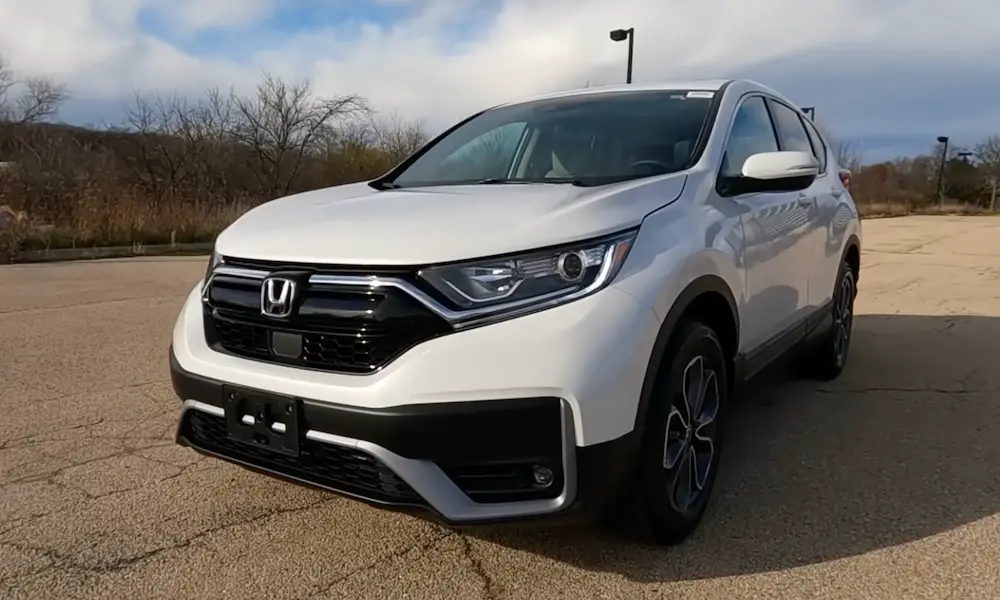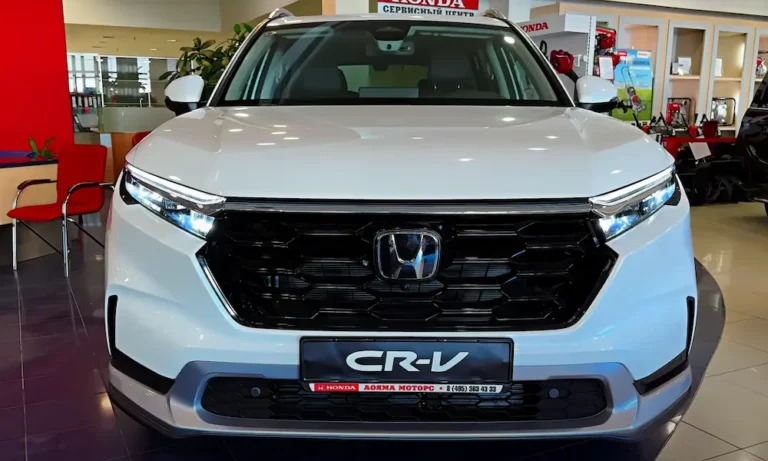
Is your Honda CR-V’s air conditioning blowing hot air instead of cold? You might be dealing with more than just a common AC problem. For many CR-V owners, this frustrating issue could be related to known defects that Honda has acknowledged through warranty extensions rather than formal recalls.
This guide will walk you through everything you need to know about Honda CR-V air conditioning problems, how to check if you’re covered, and what steps to take to get your cooling back without breaking the bank.
What’s Really Going On With Honda CR-V Air Conditioning Issues
Despite what many owners assume, there isn’t a single “Honda CR-V air conditioning recall” in the traditional sense. Instead, Honda has issued multiple warranty extensions for specific AC components that have shown patterns of premature failure. This distinction matters because:
- Warranty extensions don’t trigger automatic notifications to all affected owners
- They require you to identify the problem and seek repairs yourself
- The coverage applies only to specific components and model years
The Two Major AC System Failures in CR-Vs
Honda CR-V air conditioning issues fall into two main categories, both covered by different warranty extensions:
1. The Leaking AC Condenser Problem
Honda discovered that condensers in certain models were “not manufactured to specification,” resulting in tiny holes developing in the condenser tube walls. This causes refrigerant to slowly leak out until your AC stops cooling effectively.
In response, Honda issued Technical Service Bulletin (TSB 19-091), extending the warranty on AC condensers to 10 years from the original purchase date with no mileage limit.
2. The Compressor Shaft Seal Defect
For many 2017-2022 CR-V models, Honda identified issues with the AC compressor shaft seal, which can leak refrigerant and oil. The company addressed this with TSB 23-040, extending warranty coverage to 10 years with no mileage restrictions.
Interestingly, Honda has offered two different explanations for this problem:
- In some communications, they blame “new North America regulations” introducing new refrigerant requirements
- In others, they cite “supplier process concerns” where components weren’t manufactured to specifications
Common Symptoms of Honda CR-V AC Problems
How can you tell if your CR-V might be affected by these known issues? Look for these warning signs:
- Air that’s warm or not as cold as it should be
- Gradually weakening cooling performance
- AC that works fine initially but gets warmer during your drive
- Cooling that becomes inconsistent (works some days but not others)
- Unusual noises when the AC is running (grinding, squealing, or clunking)
How to Check if Your Honda CR-V is Covered
If you’re experiencing AC issues, follow these steps to determine if you’re eligible for warranty coverage:
Step 1: Find Your Vehicle Identification Number (VIN)
Locate your 17-character VIN, which can be found:
- On the driver’s side dashboard, visible through the windshield
- On the driver’s door jamb sticker
- On your vehicle registration or insurance documents
Step 2: Check Your Coverage Status
Visit Honda’s official recall website and enter your VIN to check for any warranty extensions or recalls that might cover your AC issues.
For safety-related recalls, you can also check the NHTSA’s database, though the AC issues are generally not classified as safety concerns.
| Model Year | Common AC Issues | Potential Coverage |
|---|---|---|
| 2017-2022 | Compressor shaft seal leaks | TSB 23-040 (10-year warranty) |
| 2018-2020 | Condenser leaks | TSB 19-091 (10-year warranty) |
| 2002-2006 | “Black Death” compressor failure | Past class action settlement (expired) |
Dealing With Honda Dealers: Know Your Rights
When it comes to getting warranty work done, knowledge is power. Here’s how to approach your dealer:
Use Specific Language
Instead of saying “my AC doesn’t work,” be specific about the problem and the warranty extension. For example: “My 2019 CR-V’s AC is blowing warm air, and I believe this may be related to the compressor shaft seal warranty extension under TSB 23-040.”
About Diagnostic Fees
Many dealers charge diagnostic fees ($135-150) that are only refunded if a warranty-covered problem is found. If you’re confident your issue matches a known defect, politely question this fee while showing evidence of your research.
Document Everything
Always get detailed paperwork for any AC service. If you’re paying out-of-pocket, make sure the invoice specifically describes where the leak is located (not just “AC leak”). This documentation is critical if you need to file for reimbursement later.
The High Cost of Repairs Without Coverage
If your CR-V isn’t covered by a warranty extension, repairs can be expensive. Here’s what you might expect to pay:
| Repair Type | Parts Replaced | Independent Shop Cost | Dealership Cost |
|---|---|---|---|
| AC Diagnosis & Recharge | Refrigerant, UV dye | $150-$350 | $200-$500 |
| Condenser Replacement | Condenser, O-rings, refrigerant | $500-$900 | $700-$1,200 |
| Compressor Replacement | Compressor, clutch, refrigerant | $800-$1,300 | $1,300-$2,300 |
| Complete AC System Overhaul | Multiple components | $2,000-$2,800+ | $2,500-$3,500+ |
Beyond the Known Issues: Other Common CR-V AC Problems
The warranty extensions don’t cover all potential AC problems. Other common issues include:
- Leaking AC hoses (particularly the discharge hose from compressor to condenser)
- Failed AC control units
- Corroded combination pipes near the firewall
- Broken wiring in the AC pressure switch harness
- Evaporator leaks (especially expensive since the dashboard must be removed)
Many owners are also affected by electronic issues where the infotainment system fails and prevents AC controls from working properly. This is the subject of a separate legal action (Chiulli, et al. v. American Honda Motor Co., Inc.).
Seeking Reimbursement for Past Repairs
If you paid out-of-pocket for an AC repair that would now be covered by a warranty extension, you can request reimbursement from Honda. You’ll need to provide:
- Detailed repair invoice showing exactly which components were repaired or replaced
- Proof of payment
- Vehicle information including VIN
The level of detail on your invoice is critical for approval. Honda has denied some claims when paperwork didn’t specifically identify the exact part that failed, even if the symptoms matched the known problems.
Advice for Current and Prospective CR-V Owners
If You Currently Own an Affected CR-V:
- Check your VIN on Honda’s website immediately, don’t wait for symptoms
- Run your AC system regularly (even in winter) to help circulate lubricating oil
- Keep detailed records of all maintenance and repairs
- If you need AC service, insist on a detailed invoice specifying exactly where any leak was found
If You’re Considering Buying a Used CR-V:
- Be especially cautious with 2007-2011 and 2017-2022 model years
- Request a pre-purchase inspection specifically checking the AC system
- Ask for complete service records and check for any previous AC repairs
- Budget for potential AC repairs ($1,500-$3,500) if buying models known for issues
- Use the VIN to check warranty extension eligibility before purchasing
The Bigger Picture: Honda’s Reputation vs. Reality
Honda has built its reputation on reliability and low ownership costs. However, the persistent AC issues across multiple CR-V generations represent a significant exception to this record. Many owners express frustration that their “reliable” vehicle has an expensive, recurring weakness.
The pattern is clear: from the “Black Death” issue in early generations to the current condenser and compressor seal problems, the CR-V’s climate control system has been a consistent pain point that contrasts sharply with the vehicle’s otherwise strong reliability record.
For many owners, these problems don’t just mean uncomfortable drives—they’re unexpected financial burdens that can cost thousands to resolve when not covered by warranty extensions.
By staying informed about these issues, checking your coverage, and keeping detailed documentation, you can better protect yourself from the financial impact of Honda CR-V air conditioning problems.