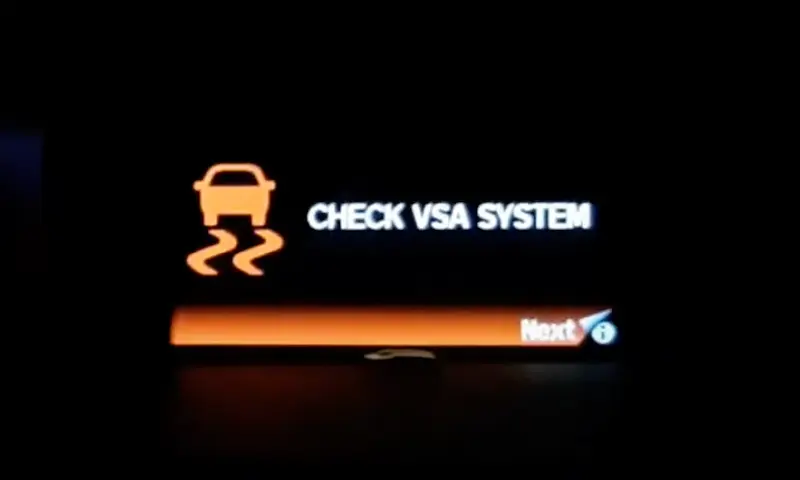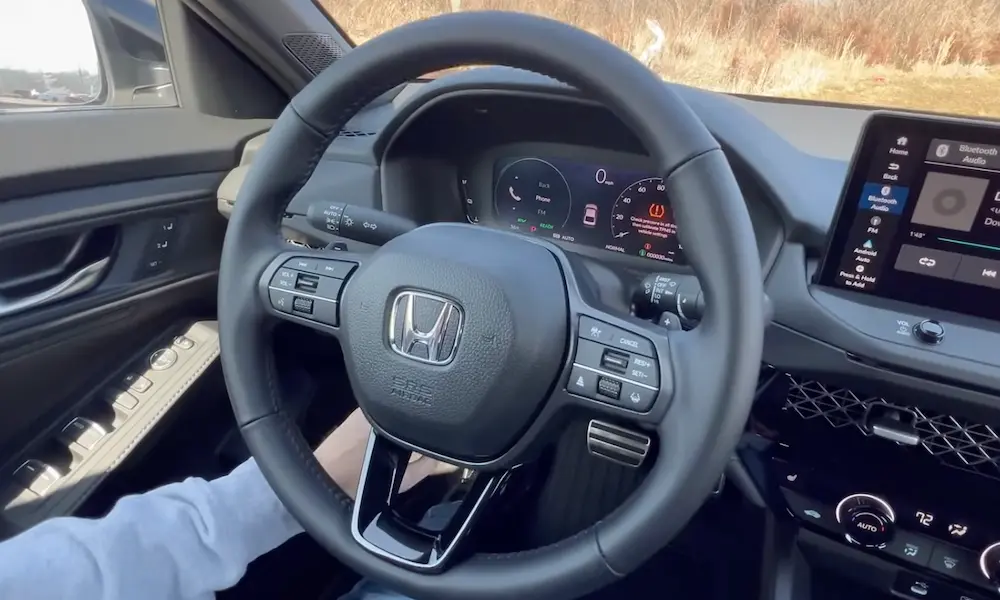
Seeing a “Check Fuel Cap” message on your Honda CR-V dashboard can be frustrating. Is it a serious problem? Do you need to rush to a mechanic? The good news is that this warning is usually simple to fix, and you might be able to handle it yourself. This guide breaks down everything you need to know about this common Honda CR-V issue.
What Does the “Check Fuel Cap” Warning Mean?
The “Check Fuel Cap” warning on your Honda CR-V is telling you there’s a potential issue with your vehicle’s Evaporative Emission Control (EVAP) system. This system prevents fuel vapors from escaping into the atmosphere, which is important for both environmental protection and fuel efficiency.
When your CR-V’s computer detects a problem that might allow fuel vapors to leak, it triggers this warning. The good news? The most common cause is simply a loose or damaged fuel cap – something you can easily check yourself.
Common Causes of the Check Fuel Cap Warning
Loose or Improperly Tightened Fuel Cap
The number one reason for this warning is a fuel cap that isn’t properly secured. Honda fuel caps need to be tightened until you hear at least three clicks. This indicates a proper seal has been formed.
Many drivers don’t realize that a proper tightening means turning the cap approximately 1/4 turn after it becomes tight, continuing until you hear those clicks. If you’ve recently filled up your tank and gotten this message, this is likely your culprit.
Damaged or Worn Fuel Cap
Fuel caps don’t last forever. The rubber O-ring seal inside your Honda CR-V’s fuel cap can deteriorate over time, developing cracks or tears that prevent a proper seal. Even small amounts of dirt or debris on the sealing surface can interfere with the cap’s ability to create an airtight seal.
Signs of a damaged fuel cap include:
- Visible cracks in the rubber gasket
- Brittle or hardened rubber
- Missing pieces of the seal
- Excessive dirt buildup
EVAP System Component Failures
If checking and replacing your fuel cap doesn’t solve the problem, the issue might be with other components in the EVAP system:
Purge Control Solenoid Valve: This is often the actual culprit when replacing the fuel cap doesn’t fix the warning. For 2007-2014 CR-Vs, the part number is 36162-RRA-A01, typically costing between $44-63.
EVAP Canister: This component can become clogged or damaged over time, preventing proper vapor flow through the system.
Vacuum Hoses: Cracked, disconnected, or deteriorated hoses in the EVAP system can cause vapor leaks that trigger the warning.
How to Diagnose the Problem
Step 1: Check Your Fuel Cap
- Turn off your engine and open the fuel door
- Remove your fuel cap completely
- Inspect the rubber O-ring for any cracks, wear, or debris
- Clean both the cap seal and the filler neck surface with a clean cloth
- Make sure the tether cord isn’t caught under the cap when reinstalling
- Reinstall the cap and tighten until you hear at least 3 clicks
This simple check resolves the majority of “Check Fuel Cap” warnings in Honda CR-Vs.
Step 2: Reset and Drive
After properly securing your fuel cap, you’ll need to drive the vehicle normally for the system to reset. Unlike some warning lights that clear immediately, this message typically takes 50-100 miles of driving to disappear if the fuel cap was indeed the issue.
Don’t expect the warning to vanish as soon as you start the car – the system needs time to run its tests and confirm the problem is fixed.
Step 3: Advanced Diagnosis
If the message persists after replacing and properly installing your fuel cap, you’ll need to dig deeper:
Check EVAP purge lines: Remove and inspect the hoses between the purge valve and intake manifold for blockages or damage.
Scan for diagnostic codes: Connect an OBD-II scanner to retrieve specific error codes. Common EVAP-related codes include P0440, P0442, P0443, P0449, P0497, and P145C.
Consider a smoke test: Professional mechanics use smoke machines to identify exact leak locations in the EVAP system – this is the most definitive way to find elusive leaks.
Fixing the Problem: Solutions and Repairs
Replacing Your Fuel Cap
If your inspection reveals a damaged fuel cap, replacement is straightforward. For best results, use a genuine Honda part to ensure proper fit and sealing. Aftermarket caps may seem like a bargain, but they often don’t seal correctly and can cause continued problems.
Genuine Honda fuel caps typically cost $20-30 and can be purchased at your local dealership or through online Honda parts retailers.
Purge Valve Replacement
When a new fuel cap doesn’t solve the issue, the purge control solenoid valve is frequently the culprit. This component:
- Controls the flow of fuel vapors from the EVAP canister to the engine
- Can become stuck open or closed, triggering the warning
- Is relatively straightforward to replace for those comfortable with basic car maintenance
For Honda CR-V models, a genuine purge valve costs between $36-63, with professional installation running about $184-216 total.
Professional EVAP System Repair
For complex EVAP system issues involving multiple components, professional diagnosis is recommended. Here’s what to expect:
| Repair Type | Typical Cost Range | Parts Involved |
|---|---|---|
| Fuel Cap Replacement | $20-30 | Fuel cap |
| Purge Valve Replacement | $184-216 | Purge valve, labor |
| EVAP Canister Replacement | $300-500 | Canister, related hoses, labor |
| Complete System Repair | $300-800 | Multiple components, extensive diagnosis |
Living With the Warning: Safety Considerations
You can generally continue driving with a “Check Fuel Cap” message displayed, as EVAP leaks primarily affect emissions rather than critical vehicle operation. The warning is mainly an emissions concern rather than a safety issue.
However, you should seek professional help if:
- Your vehicle begins running poorly
- You notice rough idling
- The engine has poor acceleration
- You smell fuel vapors
- The check engine light also illuminates
It’s worth addressing this warning not just for environmental reasons, but also because ignoring it may result in slightly reduced fuel efficiency as vapors escape rather than being used by your engine.
Preventing Future Problems
To avoid seeing this warning again, develop these habits:
- Always tighten your fuel cap until you hear at least three clicks
- Regularly inspect your fuel cap for damage during fill-ups
- Keep the fuel filler area clean from dirt and debris
- Consider replacing your fuel cap preventively every 5-7 years
Following these simple practices can save you from the frustration of dealing with this warning message in the future.
Your Honda CR-V’s EVAP System: How It Works
Understanding how your CR-V’s EVAP system functions can help you better diagnose issues. The system includes:
- A sealed fuel tank that captures fuel vapors
- An EVAP canister filled with activated charcoal that stores these vapors
- A purge valve that controls when vapors are sent to the engine
- Pressure sensors that detect leaks in the system
- The fuel cap, which creates the critical seal at the fill point
When the system detects a leak (often at the fuel cap), it triggers the “Check Fuel Cap” warning to alert you to the problem.
By properly maintaining this system, you’re not just avoiding an annoying dashboard warning – you’re helping reduce harmful emissions and potentially improving your vehicle’s fuel economy. Most importantly, you’re ensuring your Honda CR-V continues to run at its best for years to come.