Is your Honda CRV struggling to start? That clicking sound or grinding noise when you turn the key might be your starter motor crying for help. A failing starter can leave you stranded at the worst possible times, but replacing it doesn’t always require an expensive trip to the mechanic.
How to Identify a Failing Honda CRV Starter
Before you start ordering parts, it’s important to confirm that your starter is actually the problem. Here are the telltale signs to watch for:
Strange Noises During Ignition
When you turn your key and hear a distinct clicking sound without the engine cranking, your starter solenoid is likely the culprit. This occurs when the electrical contacts in the starter system degrade, preventing current from flowing properly.
If instead you hear grinding noises during start attempts, that’s a serious warning sign. This indicates the starter pinion gear isn’t properly meshing with your engine’s flywheel, which can cause expensive secondary damage if ignored. A whirring noise without engine engagement typically points to a solenoid that’s failing to extend the pinion gear properly.
Intermittent Starting Problems
Does your CRV sometimes start perfectly, while other times it seems completely dead? This inconsistent behavior is a classic symptom of a starter in its death throes. The problem typically worsens in extreme temperatures as electrical components contract or expand.
Visible Electrical System Issues
Pay attention to your headlights and dashboard lights during start attempts. If they dim significantly when you turn the key, your starter might be drawing excessive current—a clear sign of internal resistance problems in the starter motor.
Testing Your Starter Before Replacement
Before spending money on a new starter, perform these quick diagnostic tests:
Battery Check First
A weak battery mimics starter problems perfectly. Using a multimeter, check your battery voltage—it should read at least 12.6V when the engine is off. While running, your alternator should push this to 13.5-14.5V.
Test for:
- Battery voltage
- Corrosion on terminals
- Loose connections
Quick Starter Test
With someone turning the key, place a metal tool (carefully) against the starter body to detect vibration. No vibration with a clicking sound points to a bad solenoid, while vibration without engine cranking suggests a worn starter gear.
Honda CRV Starter Location: Model-Specific Differences
Your CRV’s model year determines how challenging this job will be:
2002-2006 Models
In earlier CRVs with the K24A1 engine, the starter is inconveniently located beneath the intake manifold. This position means you’ll need to remove several components for access. The starter is secured with two 14mm bolts to the transmission bellhousing.
2007-2011 Models
Later CR-Vs benefit from a revised engine layout that allows starter replacement via the wheel well, which is significantly easier. You’ll need to remove the splash shield and work around the knock sensor, but you won’t need to dismantle the intake system.
2012-Present Models
Modern CRVs maintain the more accessible starter position, though turbocharged models have additional heat shielding to remove. Hybrid variants require special procedures—consult your service manual if you have one of these models.
Tools You’ll Need for the Job
Gather these tools before starting:
- Socket set with extensions (8mm to 17mm)
- Torque wrench
- Floor jack and jack stands
- Pliers and screwdrivers
- Wire brush (for cleaning terminals)
- Penetrating oil (for stubborn bolts)
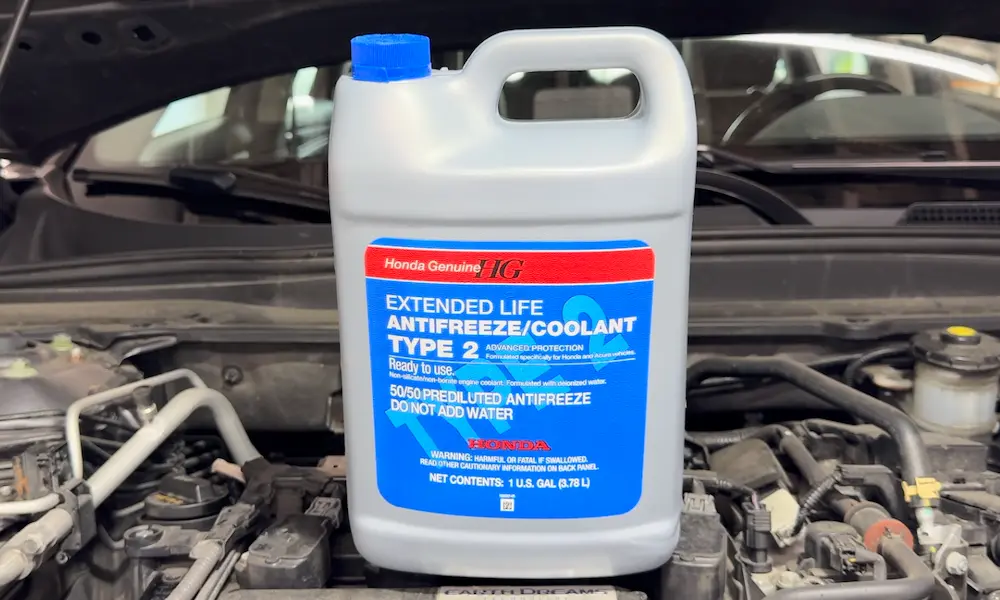
- Coolant (if removing intake manifold)
- Nickel-based anti-seize compound
Honda CRV Starter Replacement: Step-by-Step Guide
Follow these procedures based on your CR-V’s model year:
For 2002-2006 Models (Intake Manifold Removal Method)
This method takes 2-4 hours but provides clear access to the starter.
- Disconnect the battery
Always start by disconnecting the negative terminal to prevent electrical shorts. - Drain the cooling system
Since the intake manifold must be removed, you’ll need to drain coolant to prevent spills. - Remove air intake assembly
Detach the air filter housing and intake tubes connecting to the throttle body. - Detach throttle body and intake manifold
Remove the six 12mm bolts securing the manifold to the cylinder head. Keep track of bolt locations for reassembly. - Access and remove the starter
With the manifold out of the way, you’ll see the starter mounted to the engine block with two 14mm bolts. Disconnect the electrical connections before removing these bolts. - Install the new starter
Reverse the removal steps, torquing the starter bolts to specification: 33 ft-lbs for the upper bolt and 47 ft-lbs for the lower bolt. - Reinstall the intake manifold
Use a new gasket and tighten the bolts in a crisscross pattern to 16 ft-lbs. - Refill coolant and reconnect the battery
Once everything is reassembled, refill the cooling system and reconnect the battery.
For 2007-2015 Models (Undercarriage Access Method)
This approach reduces labor time to 1.5-2 hours but requires working in tight spaces.
- Disconnect the battery
Always disconnect the negative terminal first for safety. - Raise and secure the vehicle
Use a floor jack and jack stands to safely raise the front of the vehicle. - Remove the splash shield
Several plastic clips and bolts secure this undercarriage cover. Remove them to access the starter area. - Disconnect the knock sensor
On some models, disconnecting the knock sensor provides better access to the rear starter bolt. - Remove electrical connections
Disconnect the main power cable and solenoid wire connector from the starter. Label them if needed. - Remove starter mounting bolts
Use a long socket extension to reach the upper 14mm bolt. The lower bolt is more accessible directly from underneath. - Install the new starter
Position the new starter and secure it with the mounting bolts. Apply anti-seize to prevent future corrosion.- Upper bolt: 33 ft-lbs
- Lower bolt: 47 ft-lbs
- Reconnect electrical connections
Ensure the solenoid connector is fully seated to prevent intermittent starting issues. - Reinstall splash shield and lower the vehicle
Secure all splash shield fasteners and carefully lower the vehicle. - Reconnect the battery
Connect the battery and test the starter.
Common Mistakes to Avoid
Over-Tightening Bolts
The engine block on your Honda CRV is aluminum, which means threads can strip easily. Always use a torque wrench and follow specifications:
- Starter mounting bolts: 33-47 ft-lbs (depending on size)
- Intake manifold bolts: 16 ft-lbs
- Battery terminals: 7.2 ft-lbs
Solenoid Connector Issues
Many DIYers focus so much on the main power cable that they neglect the small solenoid connector. If this isn’t properly seated, your new starter won’t engage consistently.
Skipping Thread Preparation
Apply nickel-based anti-seize to starter bolts before installation. This prevents the aluminum-to-steel connection from corroding and becoming impossible to remove in the future.
Honda CRV Starter Replacement Cost
One of the biggest advantages of DIY starter replacement is the significant cost savings:
Parts Cost Breakdown
| Starter Type | Price Range | Notes |
|---|---|---|
| OEM Honda | $220-$450 | Varies by model year |
| Aftermarket (Remy) | $150-$300 | Good reliability, lower cost |
| Rebuilt Options | $120-$250 | Usually includes core charge |
If you’re removing the intake manifold, budget an additional $20-$40 for a new gasket kit.
Labor Cost Comparison
| Service Location | Hourly Rate | Total Labor Cost |
|---|---|---|
| Dealership | $120-$150 | $500-$1,100 |
| Independent Shop | $80-$100 | $360-$800 |
| DIY | Cost of tools | $0 (plus your time) |
The total professional replacement cost ranges from $600-$1,500 depending on your model year and service location. By doing it yourself, you’ll save $360-$1,100 in labor costs.
Extending Your New Starter’s Lifespan
After investing in a new starter, protect it with these maintenance practices:
Keep Battery Connections Clean
Corrosion increases electrical resistance, forcing your starter to work harder. Clean your battery terminals every 6 months with a wire brush and apply terminal protectant.
Fix Oil Leaks Promptly
Oil contamination on the starter accelerates brush and commutator wear. If your valve cover is leaking onto the starter, fix it immediately to protect your new part.
Use the Proper Starting Technique
Don’t crank the engine for more than 10 seconds at a time. If it doesn’t start, wait 30 seconds between attempts to let the starter cool down.
Choosing the Right Replacement Starter
OEM vs. Aftermarket
While Honda OEM starters offer perfect fitment, quality aftermarket options like Denso and Remy provide excellent reliability at lower prices. Remember that the cheapest options often use inferior materials that may fail prematurely.
New vs. Rebuilt
New starters typically offer longer warranties and better reliability. Rebuilt units cost less but may have shorter lifespans. Whether the savings justify the risk depends on how long you plan to keep your CRV.
Environmental Considerations
If you’re replacing your starter yourself, dispose of the old unit properly. Many auto parts stores accept old starters for recycling, and some even offer core credits toward your purchase.
Final Inspection and Testing
After installation, perform these checks:
- Verify all electrical connections are tight
- Check for any loose tools or components before starting
- Test the starter multiple times to ensure consistent operation
- Listen for unusual noises during engine cranking
With careful attention to detail and proper torque specifications, your DIY Honda CRV starter replacement should provide years of reliable service—all while saving you hundreds of dollars in mechanic fees.