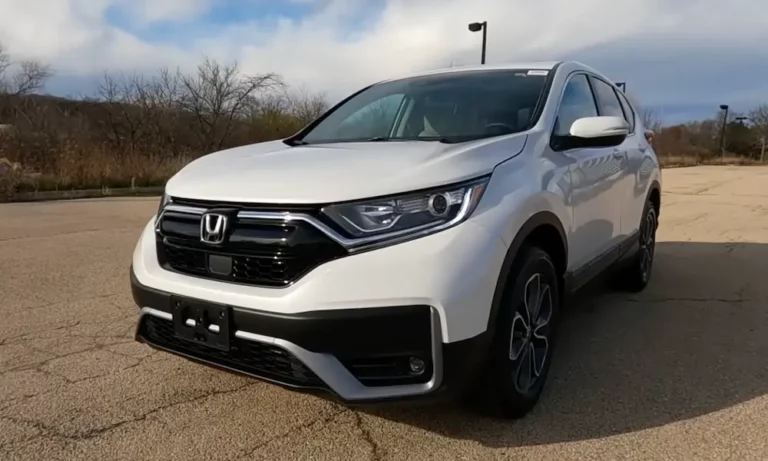
You turn the key, and instead of the reassuring purr of your engine, you hear… nothing. Or maybe just a click. Or perhaps the engine cranks but won’t catch. Honda CRVs are known for their reliability, but when starting problems occur, they can leave you stranded and wondering what went wrong. This guide walks you through the most common Honda CRV starting problems and proven solutions to get you back on the road.
Why Your Honda CRV Won’t Start: The Main Culprits
When your trusty CRV refuses to start, the issue typically stems from one of several systems. Understanding which one is failing can save you time, money, and frustration.
Battery Issues: The #1 Starting Problem Source
The battery is responsible for about 60% of all starting issues in Honda CRVs. Before diving into complex diagnostics, always check this first.
Parasitic Battery Drain
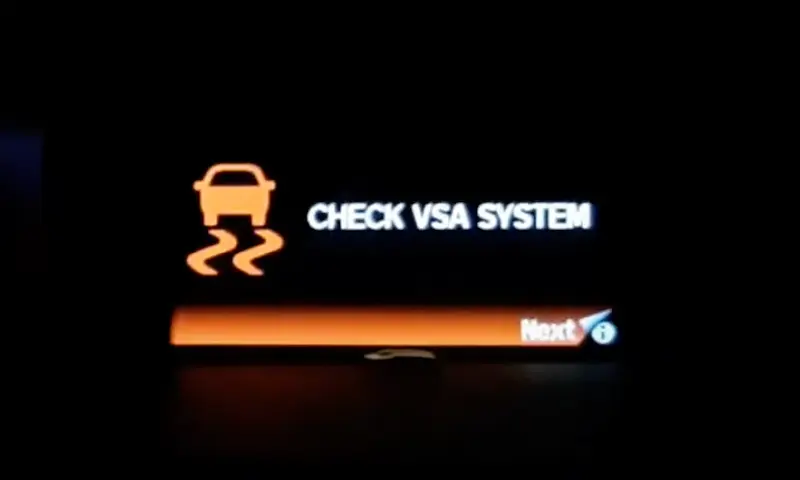
If your CRV starts fine one day but is completely dead the next, you might have a parasitic drain. Many 2011-2019 Honda CRVs suffer from a specific issue with the Vehicle Stability Assist (VSA) modulator. This system sometimes fails to shut down properly, drawing 350 mA of current even when the vehicle is off.
How to identify it:
- Battery dies after sitting for 1-3 days
- Jump-starting works, but the problem returns
- The battery is relatively new but keeps dying
Honda addressed this issue in Technical Service Bulletin 15-038, which recommends software updates to correct the charging logic. If you experience recurring battery drain, have your dealer check for this specific problem.
Cold Weather Starting Problems
The 2015-2017 CRVs are particularly notorious for cold-weather starting issues. Many came equipped with batteries that have insufficient cold cranking amps (around 425 CCA), which simply isn’t enough for reliable winter starting.
Quick fix: Upgrade to a battery with at least 600 CCA for significantly improved cold-weather performance. This simple upgrade can resolve persistent winter starting problems in many CRVs.
Corroded Battery Terminals
Even a perfect battery won’t work if electricity can’t flow through corroded terminals.
Signs of terminal corrosion:
- White or greenish powder around battery connections
- Engine turns over slowly
- Intermittent starting issues
- Dashboard lights flicker during starting attempts
DIY fix: Mix a tablespoon of baking soda with water, disconnect the terminals (negative first), scrub with an old toothbrush, rinse with water, dry completely, and apply dielectric grease before reconnecting. This simple maintenance step can prevent numerous starting issues.
| Battery Problem | Symptoms | DIY Check | Professional Fix Cost |
|---|---|---|---|
| Parasitic Drain | Battery dies after sitting 1-3 days | Use a multimeter to check for >50mA draw when car is off | $100-300 (diagnostics and software update) |
| Weak Battery | Slow cranking, especially in cold weather | Check voltage (should be ≥12.4V), test with a load tester | $150-200 (battery replacement) |
| Corroded Terminals | Intermittent starting, flickering lights | Visual inspection, check for loose connections | $0-20 (DIY cleaning or terminal replacement) |
Starter Motor Problems: When You Hear That Click
The starter motor is the mechanical heart of your starting system. When it fails, you’ll typically hear a clicking sound but no engine cranking.
Worn Solenoid Contacts
In 2005-2008 CRVs, worn solenoid contacts are a common issue. These contacts prevent the starter gear from engaging with the flywheel, resulting in that distinctive click without engine turnover.
How to diagnose: When you turn the key and hear a single click but no cranking, the solenoid may be failing. You can test by having someone else turn the key while you gently tap the starter with a rubber mallet (not too hard!). If this temporarily fixes the issue, the starter likely needs replacement.
According to repair statistics, 2015-2017 CRV starter motors are prone to premature wear, often requiring replacement between 60,000-80,000 miles. If your CRV falls in this range and has starting problems, the starter should be high on your suspect list.
Starter Motor Failure Signs
- Single or repeated clicking when turning key
- Starter spins but engine doesn’t crank (grinding noise)
- Intermittent starting success
- Smoke from engine area during starting attempts
- Oil leaks from the starter area (damaged seals)
Replacing a starter typically costs between $250-650 depending on your model year and labor rates. While not a simple DIY job for most owners, it’s a common repair that any qualified mechanic can handle.
Ignition System Defects: When the Key Doesn’t Work
Modern CRVs rely on sophisticated electronic ignition systems that can sometimes malfunction.
Faulty Ignition Switches
Third-generation CRVs (2002-2006) frequently experience ignition switch failures. The internal contacts wear down over time, leading to intermittent starting problems.
Symptoms of a bad ignition switch:
- Car starts sometimes but not others
- Need to wiggle the key to get it to start
- Buzzing noise from the dashboard when turning the key
- Accessories work, but engine won’t crank
If your older CRV has these symptoms, replacing the ignition switch (part #35050-SWA-A01) might solve the problem.
Key Fob and Immobilizer Issues
For newer CRVs with push-button start, a dead key fob battery can prevent starting. This is an easy fix – just replace the CR2032 battery in your fob.
More complex are immobilizer system malfunctions in 2003-2007 models. If the immobilizer light on your dashboard blinks during startup, your key isn’t being recognized. This prevents fuel delivery despite normal cranking.
Quick check: If your CRV cranks normally but won’t start, and the immobilizer light is blinking, try using your backup key. If that works, the original key may need reprogramming or the immobilizer control unit might need replacement.
Fuel System Problems: When It Cranks But Won’t Start
If your engine turns over normally but won’t fire up, fuel system issues are likely culprits.
Failing Fuel Pumps
A major recall affecting 1.4 million Honda vehicles highlighted low-pressure fuel pump defects that cause rough idling and stalling. If your CRV cranks strongly but won’t start, especially if it occasionally runs rough before stalling, the fuel pump could be failing.
How to check for a fuel pump issue:
- Turn your key to the “on” position without starting the engine
- Listen near the fuel tank for a 2-3 second humming sound
- If you don’t hear this pump priming noise, your fuel pump may have failed
Fuel pressure should be between 35-45 psi for proper starting. Insufficient pressure can cause extended cranking or no-start conditions.
Clogged Fuel Filters
While newer CRVs have fuel filters integrated into the pump assembly, many older models have replaceable filters that can become clogged over time, restricting fuel flow and preventing proper starting.
Signs of a clogged fuel filter:
- Engine starts but dies immediately
- Hesitation during acceleration
- Rough idle or stalling
- Reduced fuel economy
Replacing the fuel filter is relatively inexpensive and should be part of regular maintenance on older CRVs.
Software and Computer Issues: The Hidden Problems
Modern CRVs are packed with computers that can sometimes develop glitches affecting the starting system.
Battery Management System Errors
Software glitches in 2012-2014 CRVs can miscalculate battery charge states, limiting alternator output and causing chronic undercharging. Honda’s Technical Service Bulletin 13-038 mandates PCM reprogramming to fix this issue.
If your CRV experiences repeated battery drains despite having a new battery and alternator, a software update might be necessary.
Remote Start and Security System Malfunctions
Some 2015 CRVs experienced problems with their remote engine starter control units, causing security system issues. These problems can prevent the vehicle from starting or cause unexpected behavior with door locks and alarms.
Step-by-Step Diagnostic Process for Honda CRV Starting Problems
When your CRV won’t start, following this systematic approach can save you time and money by identifying the most likely cause.
1. Basic Battery Check
Before anything else, check the battery:
- Ensure terminals are clean and tight
- Test battery voltage with a multimeter (should read at least 12.4V)
- During cranking, voltage shouldn’t drop below 10V
- Look for corrosion or damage to cables
2. Listen to Your CRV’s “Symptoms”
The sounds (or lack thereof) when you turn the key provide important clues:
Complete silence: Likely an electrical issue with the battery, ignition switch, or security system.
Single click: Usually indicates a starter solenoid problem or a severely discharged battery.
Rapid clicking: Typically means the battery has enough power to engage the solenoid but not enough to crank the engine.
Normal cranking but no start: Points to ignition, fuel, or computer issues.
3. Check for Immobilizer Activity
If your engine cranks normally but won’t start:
- Watch the dashboard during starting attempts
- If the immobilizer icon (key symbol) flashes, your key isn’t being recognized
- Try an alternative key or holding the key fob directly against the start button (for push-button models)
4. Test the Starter Circuit
If your battery checks out but the engine won’t crank:
- Use a multimeter to check for 12V at the starter’s main terminal during ignition
- Inspect the PGM-FI main relay for signs of failure
- Look for blown fuses related to the starting circuit
5. Verify Fuel System Function
For engines that crank but won’t start:
- Listen for the fuel pump priming (2-3 seconds after turning key to “on”)
- Check for spark at the plugs using a spark tester
- Test for injector pulse using a NOID light if you have access to one
Model-Specific Honda CRV Starting Problems
Different generations of the Honda CRV tend to have their own unique starting issues.
2002-2006 (Second Generation) Common Issues
- Ignition switch failures
- Immobilizer programming problems
- Main relay failures
- Starter solenoid wear
2007-2011 (Third Generation) Common Issues
- Corroded battery terminals and cables
- Failed starter motors at moderate mileage
- Fuel pump degradation
- Loose positive battery cables causing intermittent no-crank conditions
2012-2016 (Fourth Generation) Common Issues
- VSA modulator parasitic drain
- Charging system software issues
- Key fob and push-button start malfunctions
- Premature starter failures in 2015-2016 models
2017-Present (Fifth Generation) Common Issues
- Insufficient battery capacity for cold weather
- Fuel pump recalls on some 2020 models
- Software-related charging issues
- Remote start module failures
The Bottom Line on Honda CRV Starting Problems
Honda CRVs are generally reliable vehicles, but when starting problems occur, they typically stem from predictable sources. By following the diagnostic approach outlined in this guide, you can identify and fix most issues without unnecessary expense.
Remember that about 60% of all starting problems relate to the battery and its connections, so always start your troubleshooting there. For persistent issues, particularly with models known to have specific weaknesses like the VSA modulator drain, working with a Honda specialist or dealership familiar with Technical Service Bulletins will save valuable time and money.
With proper maintenance and timely intervention when symptoms first appear, you can minimize the chance of being stranded and keep your Honda CRV running reliably for years to come.