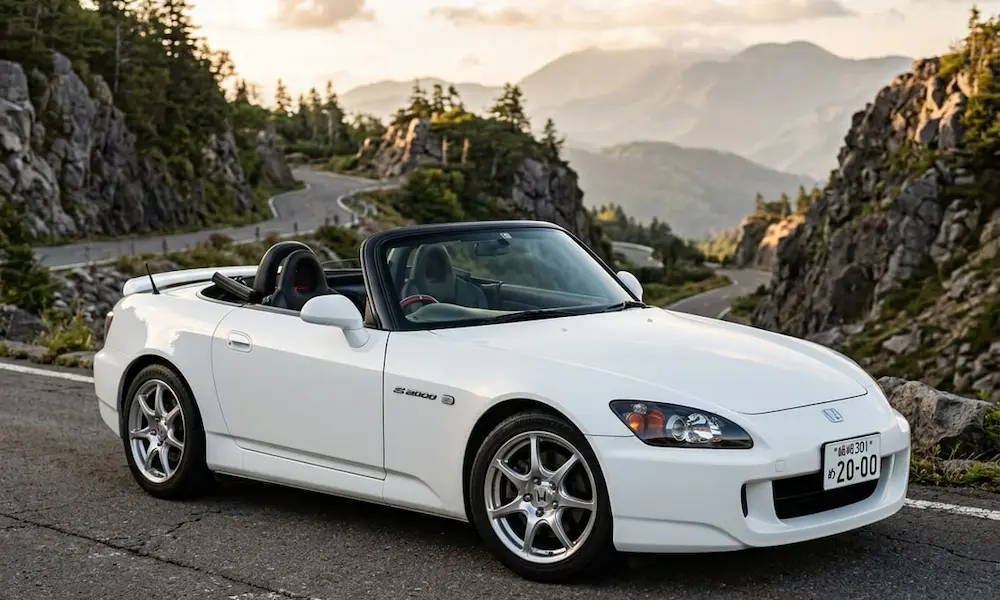
If your Honda suddenly won’t rev past 2,700 RPM and jerks like it’s choking, you’re likely dealing with the Honda P2647 code. This isn’t just a minor hiccup—it’s your engine telling you the VTEC system is stuck “on” when it should be off. Good news? It’s fixable, often without breaking the bank. Let’s dig into what’s happening under your hood and how to get back on the road.
What Is the Honda P2647 Code?
The Honda P2647 code means your rocker arm actuator system is stuck in the “on” position. Translation: your engine thinks it’s in high-performance mode even when you’re sitting at a stoplight.
Honda’s VTEC (Variable Valve Timing and Lift Electronic Control) system switches between two cam profiles. At low speeds, you get fuel-efficient, gentle valve operation. Floor it past 2,500 RPM, and the system locks into a high-lift profile for more power. It’s like having two engines in one.
The problem? Your Powertrain Control Module (PCM) detects high oil pressure at the VTEC oil pressure switch when it shouldn’t be there. The switch is “normally closed” at rest—grounded to zero volts. When oil pressure rises during VTEC activation, the switch opens and voltage spikes. P2647 triggers when your PCM sees that high voltage spike at idle or low RPM.
How VTEC Actually Works
Think of VTEC as a hydraulic lock that physically couples your rocker arms. Normally, three rocker arms operate independently—two follow low-lift cam lobes, and a center one tracks a high-lift profile but doesn’t engage the valves.
When conditions are right, the PCM fires the VTEC solenoid. This spool valve redirects pressurized engine oil into a passage inside the cylinder head. That oil pressure forces synchronization pins to slide through the rocker arms, locking all three together. Now the entire assembly follows the aggressive cam lobe, opening valves wider and longer.
The PCM doesn’t assume this worked—it checks. The oil pressure switch confirms the system engaged. If the switch reports high pressure when the solenoid is off, you’ve got a logic conflict. That’s P2647.
P2647 vs P2646: What’s the Difference?
These codes are opposites:
| Code | What It Means | PCM Command | Pressure Reading |
|---|---|---|---|
| P2647 | System stuck ON | OFF | High (switch open) |
| P2646 | System stuck OFF | ON | Low (switch closed) |
| Normal idle | Working correctly | OFF | Low |
| Normal high RPM | Working correctly | ON | High |
When P2647 hits, your PCM panics and locks you into limp mode—usually capping revs around 2,700 RPM. Try to accelerate harder and the engine bucks as fuel gets cut to prevent damage.
What Causes Honda P2647?
Dirty or Low Oil
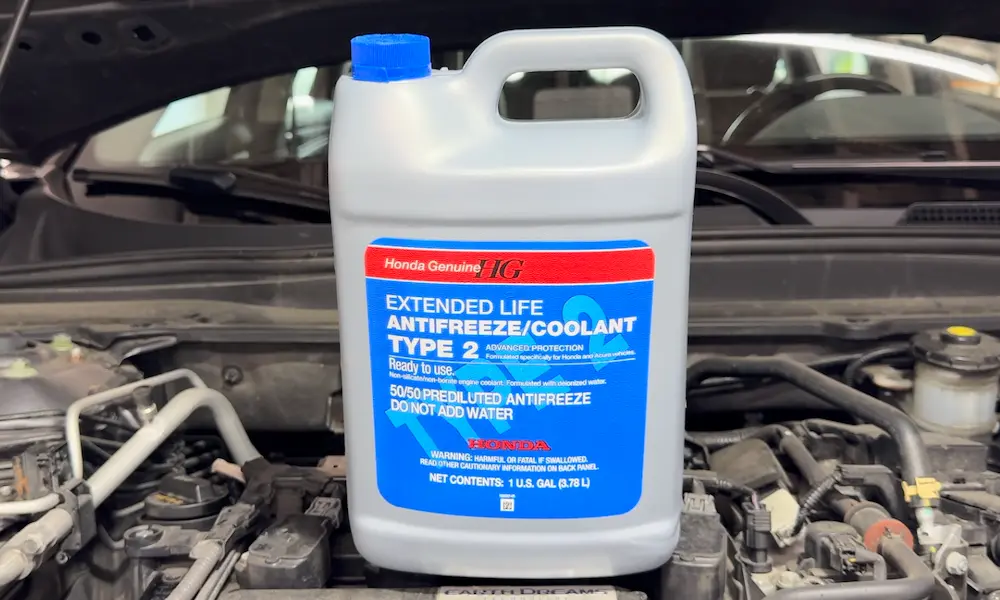
This is the #1 culprit. VTEC is 100% hydraulic. Wrong oil viscosity, contamination, or low levels mess with the pressure needed to operate the system. If you’re running 10W-30 in an engine spec’d for 0W-20, that thicker oil won’t bleed off fast enough when the solenoid closes.
Check your dipstick first. Top it off if low. If the oil looks like black syrup, change it immediately.
Failed VTEC Oil Pressure Switch
The pressure switch itself frequently fails. Honda Service Bulletin 13-021 addresses this exact issue across Accords, CR-Vs, Elements, and Civic Si models from 2008-2012. The internal diaphragm wears out or contacts stick open, sending a constant “high pressure” signal even when there’s none.
Part number 37250-PNE-G01 is the common replacement. Expect to pay $45-$65 for the OEM unit.
Stuck VTEC Solenoid
Carbon buildup and sludge can jam the internal spool valve in the open position. Even after the PCM de-energizes it, the valve doesn’t return to its seat. Oil keeps flowing to the rocker arms, pressure stays high, and the switch stays open.
Cleaning the solenoid screen filter often solves this. Every VTEC solenoid has a fine mesh screen to catch debris—if it’s clogged, the valve can’t operate correctly.
Electrical Issues and Corrosion
Wiring to the pressure switch lives in a hot, hostile environment. On Honda Elements specifically, leaking windshield wiper nozzles drip water directly onto the VTEC connector, causing green corrosion on pins.
High resistance in the ground path tricks the PCM into reading high voltage. Even a few ohms of resistance can trigger P2647.
Platform-Specific Problems
K24 Four-Cylinder Engines
Found in: Accord, CR-V, Element (2.4L)
The VTEC solenoid and pressure switch are combined into one assembly on the back of the cylinder head, passenger side. Heat soak from the exhaust manifold accelerates wear. Most fixes involve replacing just the pressure switch following TSB 13-021, which takes 0.3 to 0.6 hours of labor.
PZEV (Partial Zero Emission Vehicle) models require removing extra wire harnesses, bumping labor to 0.6 hours.
J35 V6 Engines
Found in: Odyssey, Pilot, Ridgeline (3.5L)
This is where things get expensive. The front VTEC spool valve sits directly above the alternator. When gaskets fail—common enough that Honda issued Service Bulletin 20-023—engine oil leaks into the alternator housing.
The alternator shorts out. Battery dies. You’re stranded. Many techs report that alternator failure on an Odyssey almost guarantees a leaking VTEC valve.
TSB 20-023 recommends inspecting with trace powder and replacing the upper valve assembly if leaking. Just swapping the gasket often fails because the aluminum housing warps.
How to Diagnose P2647
Check Your Oil First
Pop the hood. Pull the dipstick. If it’s low, top it off with the correct weight (usually 0W-20). Clear the code and drive. If it comes back, keep investigating.
Dirty oil? Change it. Use a quality synthetic that meets Honda’s specs. Some techs recommend an engine flush to clear sludge from the VTEC screen.
Scan Tool Testing
A basic code reader won’t cut it here. You need live data. Watch two things:
VTEC Solenoid Command – Should read OFF at idle
VTEC Oil Pressure Switch Status – Should read ON (closed, grounded) at idle
If the switch reads OFF (open, high voltage) at idle, something’s wrong. Either the switch failed or you actually have pressure when you shouldn’t.
Some scan tools let you manually fire the VTEC solenoid at idle. When you do this, the engine should stumble or nearly stall. That confirms the solenoid works and oil is reaching the rocker arms. If the engine reacts but the pressure switch doesn’t change state, the switch is toast.
Electrical Testing
Unplug the pressure switch connector. With a digital multimeter (DMM), measure voltage on the PCM side. You might read anywhere from about 5V to full battery voltage (12V+) depending on the pull-up resistor in the PCM. The circuit is current-limited, so it won’t light up a traditional test light.
Check the ground side too. It should support significant current—hook up a headlight bulb as a load test. If the bulb is dim or won’t light, there’s high resistance in the ground path.
Physical Inspection
Remove the VTEC solenoid and inspect the screen filter. A clogged screen prevents proper oil flow and can cause erratic pressure readings or valve sticking.
Look for metal shavings or heavy sludge. If the screen is clean but you’re still having issues, the spool valve itself may be scored or the spring weakened.
What It Costs to Fix
Parts and labor vary depending on what failed:
| Repair | Vehicle | Parts Cost | Labor Hours | Total Cost |
|---|---|---|---|---|
| Pressure switch only | Accord/CR-V | $45-$65 | 0.3-0.5 hr | $150-$250 |
| Spool valve assembly | Accord | $150-$250 | 0.5-1.0 hr | $223-$361 |
| Spool valve assembly | Odyssey | $230-$340 | 1.0-2.0 hr | $639-$908 |
| Solenoid screen clean | Element/CR-V | $10-$30 | 0.5-1.0 hr | $80-$150 |
OEM vs Aftermarket Parts
Here’s where opinions get strong. Many experienced techs insist on OEM-only for VTEC components. A $60 aftermarket spool valve might work initially, but tolerances are looser. Springs weaken faster. You’ll be back in six months doing it again.
Genuine Honda parts cost more upfront but last. For a pressure switch or spool valve, stick with OEM.
Preventing Future P2647 Codes
Use Quality Oil
Synthetic oil is your friend. It resists varnish and sludge formation way better than conventional oil. Stick to the manufacturer’s specified viscosity—usually 0W-20 for modern Hondas.
Change it on schedule. VTEC systems have tight tolerances. Dirty oil kills them.
Protect Electrical Connections
During any VTEC repair, clean connectors thoroughly and apply dielectric grease. This is critical for Elements and Odysseys where moisture intrusion is common.
For J35 V6 engines, check windshield cowl seals and wiper nozzle gaskets. Keep water away from the solenoid assembly.
Address Leaks Immediately
If you own an Odyssey or Pilot, inspect the VTEC spool valve for leaks regularly. Catching a gasket leak early saves your alternator—and $500+ in repairs.
When the Code Won’t Clear
Replaced the switch and solenoid but P2647 persists? Two possibilities:
PCM Failure – The output driver transistor that controls the solenoid can fail in the closed position. The PCM says “OFF” but voltage at the solenoid reads 12V. You’ll need PCM replacement or reprogramming with updated calibration.
Mechanical Jam – Rare but possible: the synchronization pins inside the rocker arms physically seize due to metal debris or severe sludge. The pins won’t retract even when pressure drops. This requires removing the valve cover and manually checking rocker arm movement.
Final Thoughts
The Honda P2647 code looks scary when your engine starts bucking and won’t rev. But in most cases, it’s a straightforward fix. Start with oil quality and level. Move to the pressure switch—it’s cheap and fails often. Clean the solenoid screen. Check electrical connections.
For K24 engines, this is usually a $150-$300 repair. V6 Odyssey owners face higher costs due to the alternator threat, but catching it early prevents bigger damage.
Don’t ignore P2647. Driving in limp mode won’t hurt anything immediately, but the root cause—whether it’s a stuck solenoid or failing switch—can lead to more serious problems if left unaddressed.
Keep your oil fresh, use quality parts, and your VTEC system will keep doing what Honda designed it to do: deliver efficiency at low speeds and exhilarating power when you need it.