Seeing that dreaded error code pop up on your Honda’s dashboard can instantly ruin your day. If you’ve encountered the Honda U3000-49 error, you’re facing an issue with your vehicle’s internal electronic systems that might affect several safety features. Let’s break down what this code means, how it impacts your vehicle, and what you can do about it.
What Is the Honda U3000-49 Error Code?
The U3000-49 code indicates an internal electronic failure in one of your Honda’s control modules. This isn’t just any ordinary error – it’s specifically tied to the multipurpose camera unit that powers your Honda Sensing features. This camera sits behind your rearview mirror and is essential for many of your vehicle’s advanced safety systems.
In some cases, this error code might also relate to your SRS (Supplemental Restraint System) or, less commonly, the Electric Power Steering (EPS) Control Unit.
Which Honda Models Are Affected?
The U3000-49 error has been reported across numerous Honda models, particularly those manufactured between 2016 and 2020:
| Model | Years Most Affected |
|---|---|
| Honda Pilot | 2016-2020 |
| Honda Odyssey | 2018-2020 |
| Honda Civic | 2016-2020 |
| Honda Accord | 2020 |
| Honda CR-V | 2020 |
| Honda Fit | 2016-2020 |
| Honda Clarity | 2020 |
| Honda Passport | 2020 |
| Honda Ridgeline | 2020 |
If you own one of these models and see the U3000-49 code, you’re experiencing a known issue that affects many Honda drivers.
How Will I Know There’s a Problem?
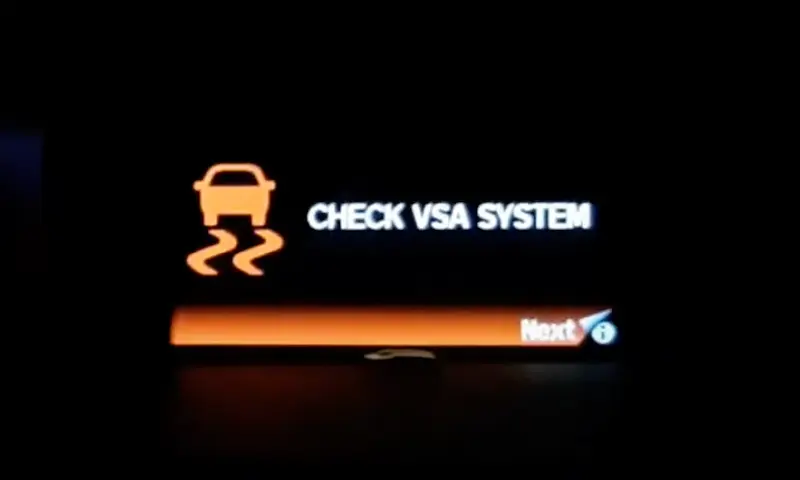
When the U3000-49 error appears, you’ll likely notice several warning lights and system failures:
- Collision Mitigation Braking System (CMBS) warnings
- Lane Keeping Assist System (LKAS) malfunction alerts
- Adaptive Cruise Control (ACC) failure notifications
- Lane Departure Warning (LDW) errors
- Road Departure Mitigation (RDM) alerts
- Auto High Beam malfunction warnings
- In some cases, transmission problem indicators
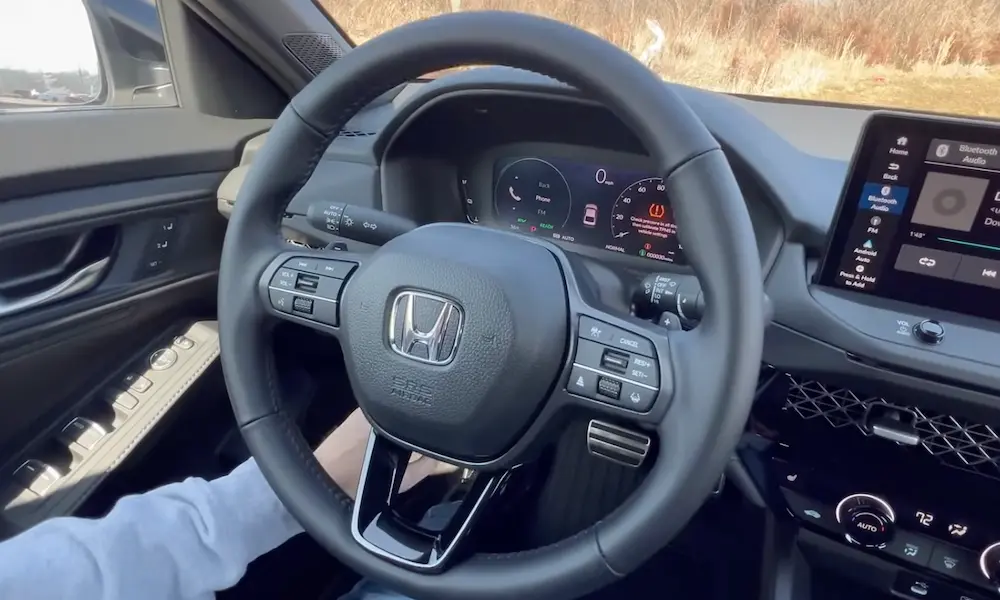
Essentially, most of your Honda Sensing features will stop working properly. You’ll see multiple warning lights on your dashboard, which can be alarming if you don’t know what’s happening.
What Causes the Honda U3000-49 Error?
Multipurpose Camera Overheating
The most common culprit behind the U3000-49 code is overheating of the multipurpose camera unit. This camera absorbs excessive heat from your windshield, especially during hot weather or extended driving. The heat can damage the internal electronic components, leading to failure.
A simple test: after driving for a while, carefully touch the camera unit behind your rearview mirror. If it’s too hot to touch comfortably, overheating is likely your problem.
Other Potential Causes
- Wiring issues: Damaged connections between the camera and other systems
- Low battery voltage: Your battery might not be supplying enough power
- Software glitches: Outdated or corrupted control module software
- Physical damage: Impact or moisture affecting the camera unit
How to Diagnose the U3000-49 Error
Professional Diagnosis
For a thorough diagnosis, mechanics typically follow these steps:
- Verify the code using the Honda Diagnostic System (HDS)
- Clear the code and check if it returns
- Test power and ground connections to the camera unit
- Verify communication between the control module and other systems
DIY Troubleshooting
If you want to investigate yourself before visiting a mechanic:
- Heat test: As mentioned above, check if the camera is overheating
- Cooling test: Try removing the camera, letting it cool down, reinstalling it, and seeing if errors temporarily disappear
- Battery check: Make sure your battery is in good condition and providing adequate voltage
- Visual inspection: Look for obvious damage to wiring or connections
Fixing the Honda U3000-49 Error
Camera Replacement
The most definitive solution is replacing the multipurpose camera unit. This process involves:
- Carefully removing the old camera assembly from behind the rearview mirror
- Installing the new camera unit
- Performing both static and dynamic ADAS calibration
Cost Considerations
Be prepared for these potential costs:
| Repair Approach | Approximate Cost (USD) |
|---|---|
| Dealership repair | $1,600-$2,000 |
| Independent shop | $800-$1,200 |
| DIY (parts only) | $100-$800 |
Remember that even with a DIY approach, you’ll likely need professional calibration afterward, which adds to the total cost.
Alternative Solutions
Some Honda owners have reported success with:
- Improving ventilation around the camera housing to promote better airflow
- Replacing the battery if voltage issues are suspected
- Updating control module software (typically requires dealer assistance)
Official Service Bulletins and Recalls
Honda has issued several service bulletins addressing U3000-49 issues:
- Service Bulletin A21100B (October 2021): Addresses SRS-related U3000-49 codes in 2020 Honda models
- Safety Recall 16-090: Addresses VSA software issues causing U3000-49 in 2016 Civics
- Service Bulletin RCRIT-24V064: Addresses seat weight sensor issues causing U3000-49
If your vehicle is affected by one of these recalls, you might be eligible for a free repair at your Honda dealership.
Preventing Future U3000-49 Errors
To reduce your chance of experiencing this error again:
- Keep your windshield clean: Ensure the camera has a clear view
- Use an original Honda windshield if replacement is needed: Aftermarket windshields may not provide proper heat dissipation
- Maintain your battery: Ensure it’s in good condition and holding proper voltage
- Keep your software updated: Have your dealer check for available control module updates
- Avoid extreme temperatures when possible: Park in shade to reduce camera overheating
Living With an Unresolved U3000-49 Error
If you can’t immediately fix your U3000-49 error:
- Be aware that many of your Honda Sensing safety features won’t be functioning
- Drive more cautiously, as you won’t have the assistance of systems like collision mitigation braking
- Consider disconnecting and cooling the camera on extremely hot days
- Schedule a repair as soon as your budget allows, as these systems significantly improve your safety
Is the Repair Worth It?
Given the high cost of repair (potentially $1,600+ at a dealership), you might wonder if fixing the U3000-49 error is worth it. Consider these factors:
- Safety: Honda Sensing features significantly reduce accident risk
- Resale value: A vehicle with non-functioning safety systems will be worth less
- Peace of mind: Driving without warning lights constantly illuminated is less stressful
- Future reliability: The problem could potentially worsen if ignored long-term
For most Honda owners, the safety benefits alone justify the repair cost, especially if you frequently drive on highways where adaptive cruise control and lane-keeping assistance are most valuable.
Getting the Best Deal on Repairs
To save money on fixing your U3000-49 error:
- Check if your vehicle is covered by any Honda service bulletins or recalls
- Get quotes from both the dealership and reputable independent shops
- Consider a used but functional camera unit from a salvage yard (though this may be risky)
- Ask about any available goodwill assistance if your vehicle is just outside warranty
While the multipurpose camera is an expensive component, finding the right repair option can make this fix more affordable.
The Technical Side of the U3000-49 Error
For the technically curious, the U3000-49 error relates to the internal electronic failure of the control unit. The code specifically means:
- U: Network Communication Code
- 3000: Module-specific issue
- 49: Internal electronic failure
The camera module includes sophisticated circuitry that processes visual information from the road ahead and communicates with multiple vehicle systems. When this circuitry fails, often due to heat damage, the entire Honda Sensing system is compromised.
Remember that while this error is frustrating and potentially expensive to fix, addressing it promptly ensures your Honda’s advanced safety systems can protect you and your passengers as designed.