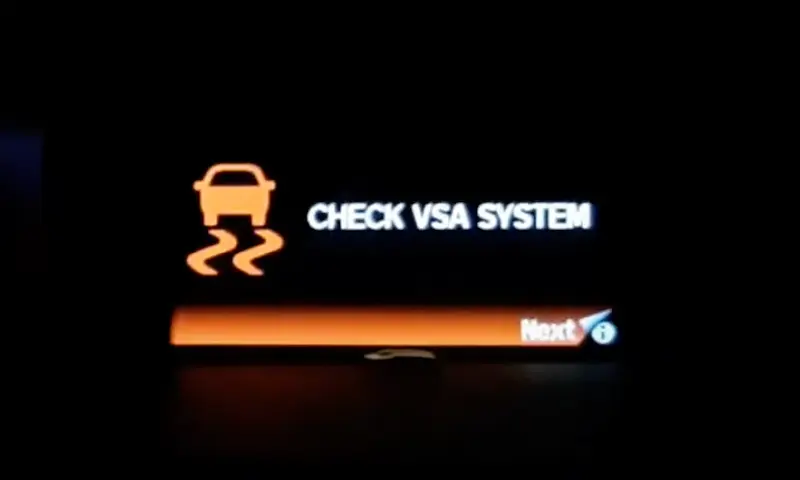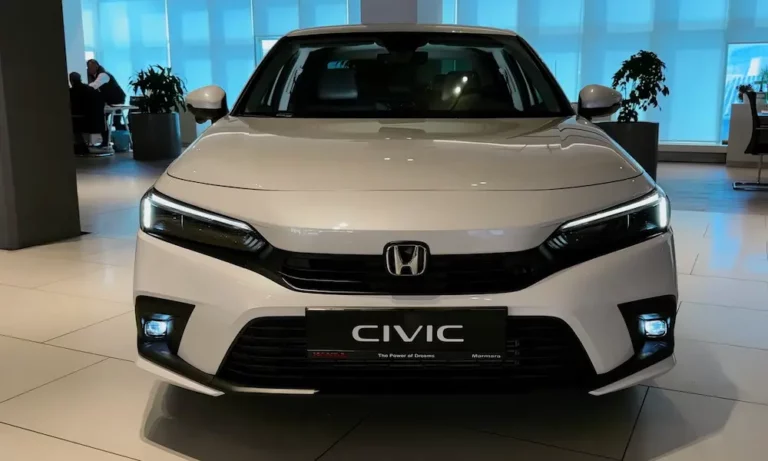
Got a Honda with an annoying vibration? Burning through oil faster than normal? Your check engine light making surprise appearances? You might be experiencing the infamous Honda VCM problems that have plagued thousands of vehicles since 2005.
What is Honda’s VCM System?
Honda’s Variable Cylinder Management (VCM) system was designed with good intentions. This fuel-saving technology deactivates cylinders when your vehicle doesn’t need full power—like during highway cruising. In theory, you get better fuel economy without sacrificing performance when you need it.
The system works by using oil pressure-controlled solenoids to deactivate specific cylinders (typically 2-3 of the 6 cylinders) during light-load conditions. When these cylinders deactivate, their intake and exhaust valves close, creating sealed chambers where pistons continue moving without combustion.
Common Honda VCM Problems and Symptoms
Excessive Oil Consumption
One of the most prevalent issues with VCM-equipped Honda engines is abnormal oil consumption. Many owners report using a quart of oil every 1,000-2,000 miles—far more than Honda’s acceptable standards.
This happens because the sealed chambers in deactivated cylinders create vacuum forces that pull oil past the piston rings into combustion chambers. Over time, this causes:
- Constantly low oil levels
- Oil-fouled spark plugs
- Accelerated engine wear
- Blue exhaust smoke
Misfire Codes and Engine Performance Issues
VCM problems often trigger check engine lights with misfire codes (P0301-P0306). These misfires typically occur in the cylinders that undergo deactivation.
The cycle goes something like this:
- Deactivated cylinders allow oil to collect
- Spark plugs become fouled with oil
- Engine misfires when cylinders reactivate
- Performance suffers and fuel economy actually worsens
Premature Engine Component Failure
The long-term consequences of VCM operation can be severe and expensive. Common parts that fail prematurely include:
| Component | Normal Lifespan | VCM-Affected Lifespan | Average Repair Cost |
|---|---|---|---|
| Piston rings | 150,000+ miles | 60,000-100,000 miles | $3,000-$4,500 |
| Spark plugs | 100,000 miles | 30,000-40,000 miles | $300-$500 |
| Engine mounts | 100,000+ miles | 50,000-70,000 miles | $400-$800 per mount |
| Torque converters | 150,000+ miles | 80,000-100,000 miles | $1,200-$1,800 |
Excessive Vibration Issues
Many Honda owners report annoying vibrations, particularly at highway speeds between 30-65 mph. These vibrations occur because:
- Running on fewer cylinders creates more inherent vibration
- Honda’s active engine mounts (designed to counteract this vibration) frequently fail
- The torque converter engages at the same time as VCM activation
The vibrations aren’t just annoying—they can lead to premature wear of suspension components, steering elements, and even cause cracks in subframes near strut towers.
Honda Models Most Affected by VCM Problems
VCM problems aren’t universal across all Honda vehicles. The system has been implemented in various V6 engines since 2005, but certain models and years face more issues than others:
Most Problematic Honda Models with VCM
- Honda Odyssey (2008-2017): Particularly the 2011-2013 models have the highest failure rates
- Honda Pilot (2009-2015): Severe vibration issues common at highway speeds
- Honda Accord V6 (2008-2014): Oil consumption and misfire problems prevalent
- Honda Ridgeline (2009-2015): Engine mount failures and vibration complaints
- Acura MDX (2007-2013): Similar issues as Pilot with VCM-related oil consumption
Honda’s Response to VCM Issues
Honda hasn’t been completely silent about these problems, though many owners feel the company hasn’t done enough to address the systemic issues.
In 2013, Honda settled a class-action lawsuit (Soto v. American Honda) over piston ring defects in 1.87 million vehicles. This resulted in extended powertrain warranties for certain vehicles and reimbursement for some repairs.
Honda also issued several Technical Service Bulletins (TSBs) addressing VCM problems:
- TSB 13-081: Extended warranty coverage for piston ring issues in 2011-2013 Odysseys
- TSB 14-078: Addressed vibration issues in 2012-2015 Pilots through PCM reprogramming
- TSB 20-023: Fixed leaking rocker arm oil control valves in 2008-2017 Odysseys
Despite these actions, many owners report continued problems even after Honda’s recommended fixes. This has led to significant consumer backlash and erosion of Honda’s reliability reputation.
Diagnosing VCM Problems in Your Honda
If you suspect your Honda is suffering from VCM-related issues, look for these warning signs:
Early Warning Signs
- Oil level drops between regular oil changes
- Vibration that appears at specific speeds (usually 30-65 mph)
- Check engine light with misfire codes (P0301-P0306)
- Rough idling or stumbling during acceleration
- Reduced fuel economy despite the VCM system’s purpose
Diagnostic Steps
- Monitor your oil consumption: Mark oil level when full, check every 500 miles
- Check for misfire codes: Use an OBD-II scanner to read any stored codes
- Inspect spark plugs: Oil-fouled plugs are a telltale sign of VCM issues
- Test engine mounts: Failed mounts will show visible fluid leakage and excessive movement
Solutions to Honda VCM Problems
Owners facing VCM issues have several options, ranging from temporary fixes to permanent solutions.
Dealer Service Options
If your vehicle is still under warranty or qualifies for extended coverage from Honda’s settlements:
- Reference TSB numbers when speaking with service advisors
- Request piston ring replacement if oil consumption exceeds Honda’s standards
- Ask for engine mount inspection if experiencing vibration issues
- Document all symptoms carefully for warranty claims
Unfortunately, Honda’s fixes often address symptoms rather than the root cause, leading many owners to seek alternative solutions.
Aftermarket VCM Disabling Devices
Many Honda owners have turned to aftermarket devices that effectively disable the VCM system:
| Device | Price Range | Installation Difficulty | How It Works |
|---|---|---|---|
| VCMuzzler II | $75-$85 | Easy (plug-and-play) | Uses resistors to trick ECU into thinking coolant is too cold for VCM |
| S-VCM Controller | $100-$120 | Easy (plug-and-play) | Microprocessor-controlled system that dynamically adjusts resistance |
| VCM Tuner | $150-$175 | Moderate | More advanced system with additional features and adjustability |
These devices have proven remarkably effective, with owners reporting:
- Significant reduction in oil consumption
- Elimination of vibration issues
- Improved spark plug life
- Better real-world fuel economy (due to restored combustion efficiency)
Mechanical Modifications
Some owners opt for mechanical solutions:
- Upgraded piston rings: Aftermarket plasma-moly rings reduce oil passage compared to OEM
- Solid engine mounts: Replacing active mounts with solid versions eliminates hydraulic failures
- ECU reprogramming: Some tuners offer permanent VCM disabling through ECU reflashing
Preventive Maintenance for VCM-Equipped Hondas
If you own a Honda with VCM but haven’t experienced problems yet, these preventive steps can help:
Oil Maintenance Best Practices
- Use Honda-recommended oil: 0W-20 for most models, but verify in your owner’s manual
- Perform more frequent oil changes: Every 5,000 miles maximum, regardless of maintenance minder
- Check oil level regularly: At least once every two weeks
- Consider higher viscosity oils: Some owners report better results with 5W-20 or 5W-30 (though this may affect warranty coverage)
Driving Habits That Reduce VCM Activation
- Avoid ECO mode: This setting encourages more aggressive VCM usage
- Vary your highway speeds: Constant speeds in the 50-65 mph range maximize VCM activation
- Use cruise control sparingly: The steady throttle position increases VCM operation time
- Accelerate more assertively: Higher engine loads prevent VCM from engaging
The Future of Honda’s VCM Technology
Honda has made incremental changes to VCM over the years:
- VCM-II (2010): Added 4-cylinder mode but retained oil-dependent deactivation
- VCM-III (2015): Reverted to 3/6-cylinder operation but kept the same basic design
- J35Y6 Engine (2020): Introduced direct injection while maintaining similar VCM hardware
Despite these updates, the fundamental issues persist. In newer models like the 2023+ Pilot and 2023+ Accord, Honda has shifted toward turbocharged 4-cylinder engines or hybrid powertrains—effectively reducing reliance on VCM technology.
Real Owner Experiences with Honda VCM Problems
“After my 2012 Odyssey started burning oil at 65,000 miles, I had the piston rings replaced under the extended warranty. Six months later, it started consuming oil again. I installed an S-VCM Controller and haven’t had an issue since. Wish I’d done it sooner.” – Honda Odyssey owner from Reddit
“My Pilot had terrible vibration between 55-65 mph. Three different dealers couldn’t fix it despite trying the TSB updates. The VCM Muzzler eliminated the vibration completely, and as a bonus, my fuel economy actually improved by 2 MPG.” – Honda Pilot forum member
“I knew something was wrong when my 2013 Accord V6 needed a quart of oil every 1,000 miles. The dealer said that was ‘normal consumption’ until I showed them Honda’s own standards. Even after the ring replacement, oil consumption improved but never stopped completely until I disabled VCM.” – Honda Accord owner
Making an Informed Decision About Your VCM-Equipped Honda
Whether you’re a current owner experiencing problems or considering purchasing a used Honda with VCM, here’s what to consider:
For Current Owners:
- Check if your vehicle qualifies for extended warranty coverage under Honda’s settlement programs
- Document all symptoms carefully if pursuing warranty repairs
- Consider VCM disablers if out of warranty or if Honda’s repairs don’t resolve issues
- Weigh the cost of repairs against the value of keeping your vehicle
For Prospective Buyers:
- Request comprehensive service records to check for VCM-related repairs
- Look for signs of oil consumption like blue smoke on startup or during acceleration
- Test drive at highway speeds where vibration issues typically occur
- Factor potential repair costs into your purchase decision
- Consider models with the VCM system already disabled by previous owners
Understanding the Technical Failure Modes
To truly understand why Honda’s VCM system causes so many problems, it helps to examine the mechanical failures in more detail.
Piston Ring Sealing Issues
In normal engine operation, combustion pressure helps seat piston rings against cylinder walls. In deactivated cylinders:
- No combustion occurs, reducing pressure that seats rings
- Vacuum forces increase oil pullthrough
- Carbon deposits build in ring grooves
- Ring end gaps can align, creating direct paths for oil
This creates a self-reinforcing cycle: more oil consumption leads to more carbon buildup, which leads to even worse sealing.
Valve Train Damage
The VCM system’s operation puts additional stress on valve components:
- Rocker arms engage and disengage repeatedly
- Oil control solenoids cycle thousands of times
- Valve springs experience inconsistent compression cycles
- Rocker arm pivots wear prematurely
These issues don’t always manifest as immediate failures but contribute to accelerated wear and eventual valve train noise.
How Honda VCM Problems Impact Resale Value
The widespread knowledge of VCM issues has affected the used car market:
- VCM-equipped Hondas typically sell for 10-28% less than equivalent Toyota models
- Vehicles with documented VCM repairs may see further value reductions
- Models known for severe VCM problems (2011-2013 Odyssey, for example) face the steepest depreciation
This market reality has pushed many owners to install VCM disablers before selling, often advertising “VCM disabled” as a selling point rather than a modification.
Taking Action: Protecting Your Investment
If you own a Honda with VCM, taking proactive steps now can save thousands in future repairs:
- Address oil consumption immediately – Don’t wait for engine damage to occur
- Consider preventative VCM disabling – Even without symptoms, this protects your engine
- Join owner communities – Forums like Odyclub.com contain valuable information from other owners
- Keep detailed maintenance records – These will be crucial for warranty claims or resale
- Follow up on Honda’s TSBs – Request these services specifically if your vehicle qualifies
With proper management and modifications, many owners have successfully extended the life of their VCM-equipped Hondas well beyond 200,000 miles. The key is addressing the fundamental issue—the VCM system itself—rather than just treating its symptoms.