Thinking about buying a used Hyundai Elantra? You’re probably wondering if it’ll last long enough to justify the investment. Here’s the truth: with proper care, most Elantras hit 200,000 to 250,000 miles without breaking a sweat. Some even push past 300,000. Let’s dig into what makes the difference between a car that dies young and one that keeps going.
What’s the Actual Lifespan of a Hyundai Elantra?
Here’s where things get interesting. When you ask how long do Hyundai Elantras last, you’ll get different answers depending on who’s talking.
iSeeCars analyzed over 300 million vehicles and found Elantras average about 130,813 miles before they’re retired. But here’s the thing—that’s not because they die. It’s because people trade them in or sell them. The actual potential? Way higher.
RepairPal gives the Elantra a solid 4.5 out of 5.0 reliability rating. Real-world owners tell better stories. Reddit forums show 2017 models cruising past 234,000 miles. One 2010 Korean-built Elantra hit 441,500 miles on its original engine and transmission. Yeah, you read that right.
The sweet spot? Most well-maintained Elantras comfortably reach 200,000 to 250,000 miles. Some exceptional cases push beyond 300,000 when owners follow strict maintenance schedules and drive mostly highway miles.
Why Some Elantras Last Forever While Others Don’t
The difference between a 100,000-mile Elantra and a 250,000-mile one isn’t luck. It’s maintenance.
The Maintenance Schedule That Actually Works
Forget what your buddy says about oil changes. Here’s what matters:
Oil changes every 5,000 to 7,500 miles using the correct synthetic oil grade. Some fleet managers who’ve pushed Elantras past 430,000 miles swear by 3,000 to 4,000-mile intervals instead of Hyundai’s 8,000-mile recommendation. It’s cheap insurance.
Transmission service every 60,000 to 100,000 miles keeps your gearbox happy. Don’t skip this one—it’s way cheaper than a new transmission.
Spark plugs need replacing around 96,000 miles. Simple job, big impact on engine longevity.
Major services every 48,000 kilometers should include transmission fluid exchange and cooling system service. Your engine runs hot, and old coolant doesn’t protect like fresh stuff.
Where You Drive Changes Everything
Cold climates kill batteries and crack seals. Hot weather stresses engines and cooling systems. Salt-treated roads? They’re eating your undercarriage alive.
Highway driving gives you the best shot at high mileage. Stop-and-go city driving wears brakes and transmissions faster. Smooth acceleration and gentle braking add years to your Elantra’s life.
One owner hit 1,000,000 miles on a 2013 Elantra through strict maintenance and mostly highway driving. That’s not normal, but it shows what’s possible.
Which Elantra Years Last the Longest?
Not all Elantra years are created equal. Some will give you headaches. Others run like clockwork.
Years You Should Avoid
Stay away from 2011, 2012, 2013, and 2017 models if you want maximum longevity.
The 2011-2013 generation suffered first-year redesign issues. Engine stalling, transmission problems, and electrical gremlins plagued these years. Consumer Reports rated the 2013 only 2 out of 5 for reliability.
The 2017 model stands out as particularly problematic. NHTSA data shows more engine-related complaints for 2017 than any other year. As a first-year redesign, it got hit with typical new-platform bugs that hurt long-term reliability.
The Most Reliable Years
Target 2014-2016 and 2018-2020 models for the best longevity potential.
The 2014 model marked a turning point. NHTSA complaints dropped 75% from the previous year. The 2016 Elantra earned an 85 from J.D. Power and a rare 5 out of 5 from Consumer Reports.
The 2018-2020 models represent mature sixth-generation designs with early issues resolved. The 2019 scored perfect reliability from Consumer Reports (5 out of 5). Just watch out—2019-2020 models with 2.0L Nu MPI engines faced recall 21V-301 for improperly heat-treated piston oil rings.
Here’s a quick reference:
| Model Years | Reliability Rating | Why |
|---|---|---|
| 2011-2013 | ⚠️ Avoid | Engine stalling, transmission issues, electrical problems |
| 2014-2016 | ✅ Recommended | Improved platform, high reliability scores |
| 2017 | ⚠️ Avoid | First-year redesign, high engine complaint rate |
| 2018-2020 | ✅ Recommended | Mature design, excellent reliability ratings |
Common Problems That Kill Elantras Early
Knowing what goes wrong helps you prevent it. Here’s what actually fails.
Engine Issues You Can’t Ignore
The biggest threat? The 2.0L Nu engine and its oil consumption problem.
Excessive oil consumption hits these engines hard. Increased tolerances between piston rings and cylinder walls let oil slip through. You’ll hear ticking sounds during cold starts. Ignore it, and you’re looking at serious engine damage.
Engine ticking or piston slap isn’t just annoying—it’s warning you. Low oil levels lead to premature bearing wear. Check your oil every 1,000 miles if you’ve got a Nu engine.
EVAP system failures plague 16 model years from 2000-2017. The check engine light comes on because the canister purge valve failed. It typically happens around 115,418 miles.
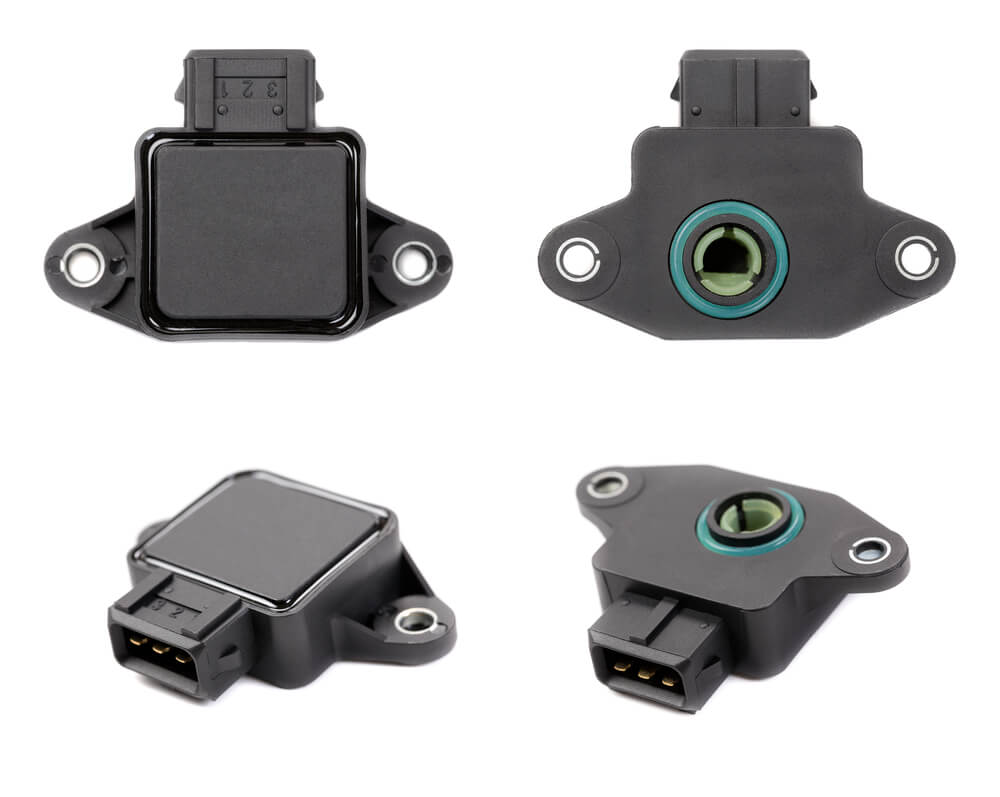
Crankshaft position sensor failures cause stalling or complete engine shutdown. This affects 17 model years (1992-1994 and 2000-2016), usually around 86,768 miles.
Transmission Problems That Drain Your Wallet
Transmission issues top the complaint list across all Elantra generations.
Faulty speed sensors cause incorrect shifting in 20 model years from 1995-2016. The good news? Sensors are cheap and easy to replace. The bad news? It typically happens around 100,677 miles, and over 300 owners have reported it.
CVT transmissions need special attention. Hyundai claims CVT fluid needs no service under normal conditions. Don’t believe it. Severe usage conditions (which includes most driving) require fluid replacement every 90,000 kilometers.
Industry experts strongly recommend more frequent CVT fluid changes. Degraded fluid is the number one killer of CVT transmissions. Spend $200 on fluid changes or $3,000 on a new transmission—your call.
Electrical Gremlins and Mechanical Wear
Electrical problems love older Elantras. Power windows stop working. Dashboard displays go blank. Infotainment systems freeze.
Airbag warning lights plague multiple years, usually from faulty seat belt sensors or airbag control module issues. The fix isn’t cheap—expect $879 to $944 for control module replacement.
Suspension components wear like any car. Ball joints, tie rods, and struts need replacement at predictable intervals. Engine mounts, especially the passenger side, commonly fail around 120,000 to 140,000 miles. At least that repair only runs a few hundred bucks.
What High-Mileage Ownership Really Costs
Let’s talk money. Here’s what you’ll spend keeping an Elantra running past 150,000 miles.
Predictable Repair Costs After Warranty
Once you’re out of warranty, certain repairs become inevitable:
Exhaust manifold gasket replacement: $247 to $359
Timing belt replacement: $605 to $915
Airbag control module replacement: $879 to $944
Trailing arm replacement: $446 to $501
Transmission issues typically show up around 100,000 miles. Electrical problems hit between 60,000 and 80,000 miles.
Here’s the key: preventive maintenance beats reactive repairs every time. Fix that minor transmission noise at 100,000 miles for a few hundred bucks. Ignore it? You’re buying a $3,000 transmission.
Smart Investment Strategy for Maximum Life
Getting how long do Hyundai Elantras last to 250,000+ miles requires strategic spending.
Use OEM Hyundai parts for critical components. Timing components and sensors aren’t where you want to save $20 with cheap aftermarket parts. They fail faster and cost more in the long run.
Regular fluid changes are non-negotiable. Transmission, brake, and coolant services at manufacturer intervals aren’t optional maintenance—they’re essential investments.
The most successful high-mileage owners share one habit: they address warning signs immediately. Check engine lights, weird noises, or performance changes get diagnosed right away. A $100 sensor replacement today prevents a $2,000 engine repair tomorrow.
| Maintenance Item | Cost | Interval | What Happens If You Skip It |
|---|---|---|---|
| Oil changes | $40-$70 | 5,000-7,500 miles | Engine wear, potential failure |
| Transmission service | $150-$250 | 60,000-100,000 miles | Transmission failure ($3,000+) |
| Timing belt | $605-$915 | 60,000-100,000 miles | Engine damage if belt breaks |
| Spark plugs | $150-$300 | 96,000 miles | Poor fuel economy, misfires |
| Coolant flush | $100-$150 | 48,000 km | Overheating, engine damage |
Real Owner Experiences Tell the Truth
Numbers are great. Real stories are better.
A 2018 Elantra SEL owner reports 212,000 miles with zero problems outside normal maintenance. The only issue? Oil consumption, which is common with Nu engines but manageable if you check regularly.
Multiple Hyundai forum members report crossing 230,000+ miles with only routine repairs—brake pads, spark plugs, timing belts. Nothing catastrophic.
One remarkable case: a 2013 Elantra owner hit over 1,000,000 miles through strict maintenance and highway driving. That’s exceptional, but it proves the platform’s capability.
The pattern? Owners who hit high mileage all do the same things. They follow maintenance schedules religiously. They use quality parts. They address problems early. They don’t beat on their cars.
How to Buy a Used Elantra That’ll Last
Shopping for a used Elantra? Here’s your checklist.
Target the right years: 2014-2016 or 2018-2020 models give you the best odds.
Check maintenance records: No records? Walk away. You need proof of oil changes, transmission services, and major repairs.
Inspect for oil consumption: On test drives, check for ticking during cold starts. Pop the hood and check oil level. Low oil with recent changes signals trouble.
Get a pre-purchase inspection: Spend $100-$150 for a mechanic to check it thoroughly. They’ll catch problems you’ll miss.
Research recalls: Check if safety recalls were completed. The 2019-2020 Nu engine recall is particularly important.
Look at overall condition: Clean, well-maintained cars usually got proper mechanical care too. Trashed interiors often mean neglected maintenance.
The Bottom Line on Elantra Longevity
So, how long do Hyundai Elantras last? With proper maintenance, you’re looking at 200,000 to 250,000 miles as a realistic target. Some exceptional examples push past 300,000.
They’re not Toyota Corollas or Honda Civics—let’s be honest. But they’re competitive in the compact sedan segment when you maintain them right and choose the right model years.
Success comes down to three things: buying a reliable model year (avoid 2011-2013 and 2017), following strict maintenance schedules, and addressing problems immediately.
Your Elantra won’t last 200,000 miles on neglect and hope. It will last with consistent care, quality parts, and attention to warning signs. The difference between a 100,000-mile trade-in and a 250,000-mile road warrior isn’t the car—it’s the owner.