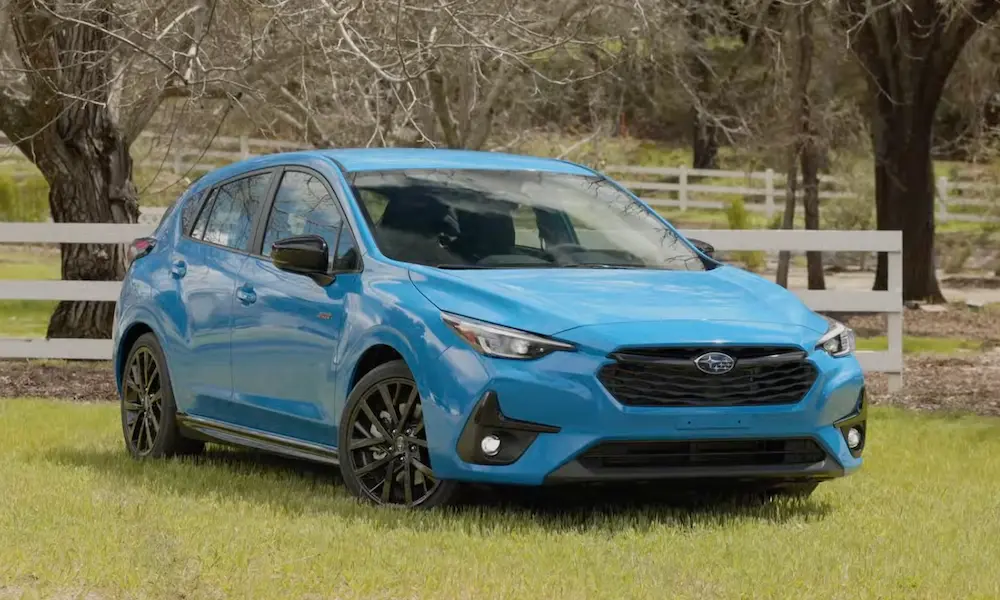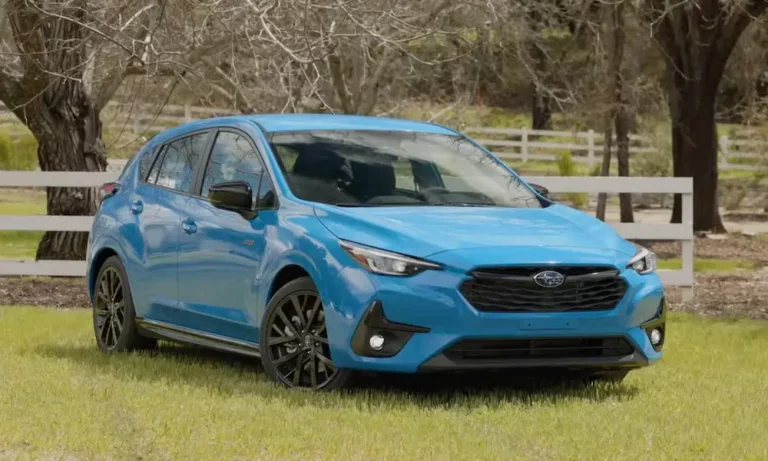
Thinking about buying a Subaru Impreza but wondering if it’ll go the distance? You’re asking the right question. These compact all-wheel-drive machines have a reputation to uphold, and the numbers tell a story that’s more interesting than you might expect. Let’s dig into what determines how long these cars actually last.
The Bottom Line on Impreza Lifespan
Most Subaru Imprezas cruise comfortably to 200,000-250,000 miles. That translates to roughly 13-17 years if you’re driving the average 15,000 miles annually.
Here’s what makes this interesting: a 2023 iSeeCars study found that Imprezas have a 9.9% chance of hitting 250,000 miles—1.1 times better than the average car’s 8.6% probability. That ranked the Impreza 16th among the longest-lasting cars overall.
But these aren’t just statistics. Real owners regularly push past 250,000 miles when they treat their Imprezas right. Others barely make it past 150,000 miles. The difference? It’s all about maintenance, which generation you buy, and how you drive.
What Makes the Impreza Engine Last
The heart of the Impreza’s durability is its Boxer engine—Subaru’s signature flat, horizontally-opposed design. Unlike traditional engines where pistons move up and down, Boxer pistons move side-to-side in opposing pairs.
This design cancels out vibrations naturally. Less vibration means less wear on bearings, seals, and the crankshaft. Your engine runs smoother, lasts longer, and doesn’t shake itself apart over time.
The flat configuration also creates a lower center of gravity. This improves handling and reduces stress on suspension components. Every curve you take, every pothole you hit—the car’s balanced design distributes forces more evenly.
Symmetrical All-Wheel Drive comes standard on every Impreza. While AWD systems add complexity compared to front-wheel drive, Subaru’s symmetrical design distributes power evenly and reduces drivetrain strain. It’s not just about traction in snow—it’s about spreading the workload across all four wheels instead of punishing just two.
The body construction uses high-strength steel and rigid engineering. This isn’t sexy stuff, but it matters. A strong body flexes less, which means door hinges don’t sag, weather seals don’t fail prematurely, and the whole package holds together better over 15 years of daily abuse.
What You’ll Pay to Keep It Running
Over the first 10 years, expect to spend $6,129 to $6,355 on maintenance and repairs. That’s slightly above average for compact sedans—about $168 to $590 more than competitors.
Annual costs start at $261 in year one but climb to $951 by year ten. That progression makes sense as components age and need replacement.
Here’s what the maintenance schedule looks like:
| Mileage | Key Services | Approximate Cost |
|---|---|---|
| 7,500 miles | Oil change, tire rotation, cabin air filter | $100-150 |
| 30,000 miles | Major service: air filter, fuel filter, brake flush | $300-500 |
| 60,000 miles | Spark plugs, transmission inspection, brake service | $400-600 |
| 90,000 miles | Cooling system flush, comprehensive inspection | $300-450 |
| 105,000 miles | Timing belt, water pump, valve adjustment | $800-1,200 |
The 105,000-mile service is the big one. Timing belt replacement, water pump, valve clearance adjustment, and serpentine belt replacement all happen together. Don’t skip this—the Impreza has an interference engine, meaning timing belt failure destroys the engine.
The Boxer engine’s horizontal layout makes some jobs more expensive. Changing spark plugs takes more labor because they’re harder to reach. You’ll pay 20-30% more for certain repairs compared to a Honda Civic or Toyota Corolla.
The AWD system also means you must replace all four tires simultaneously. When one tire wears out or gets damaged, you’re buying a set of four. Otherwise, the diameter differences strain the drivetrain and can damage the transfer case.
Which Model Years Actually Last
Not all Imprezas are created equal. Some years shine. Others should be avoided entirely.
The Stars: 2005, 2014-2016, 2021-2024
The 2005 model represents the second generation’s peak. It featured the robust turbocharged EJ20 2.0-liter engine, improved transmission systems, and enhanced safety features. J.D. Power gave it an 81 out of 100 reliability rating.
The 2014-2016 models hit the sweet spot for fourth-generation Imprezas. By 2014, the FB20 engine had proven reliable. These years added standard rearview cameras, better infotainment systems, and IIHS Top Safety Pick+ ratings. Fuel economy reached 20 mpg city and 35 mpg highway.
The 2021-2024 models represent modern Subarus at their best. Standard Apple CarPlay and Android Auto, refined direct-injection engines, impressive fuel efficiency (21 mpg city, 41 mpg highway), and standard EyeSight safety technology make these the most complete Imprezas ever built.
The Duds: 2008-2009, 2012-2013
The 2008 and 2009 models earned terrible reputations for head gasket problems and transmission issues. The 2008 attracted more complaints on CarComplaints.com than any other Impreza year. Both years struggled with the persistent head gasket failures that plagued Subaru’s entire lineup.
The 2012 model might be the worst year ever produced. Engine valve springs fractured and caused dangerous stalling. CVT transmissions failed prematurely. Reports of sudden, unintended acceleration created safety concerns, with repair costs often exceeding $4,000.
The 2013 wasn’t much better. It continued the 2012’s problems while Subaru worked to sort out the new generation’s teething issues.
The Middle Ground: Everything Else
The 2010-2011 models represent decent buys from the third generation. They benefited from refined systems and addressed early production issues without introducing new problems.
The 2017-2019 models experienced quality control issues as Subaru launched its new Global Platform. A major headlight recall due to inadequate light reflection, persistent windshield cracking, and engine control module issues marred these years. They’re not terrible, but better options exist.
The Head Gasket Problem You Need to Know About
If you’re looking at Imprezas from 1996-2011, the head gasket issue isn’t just a rumor—it’s a documented problem that’ll cost you $1,800-2,300 to fix.
Here’s what happened: Subaru introduced a composite head gasket with a multi-layer steel shim coated with graphite in 1997-1999 models. The design failed. Coolant leaked into combustion chambers. Engines overheated.
Subaru redesigned the gaskets, but this only shifted the problem to external coolant and oil leaks. The 2006-2008 model years suffered the worst.
Failures typically happen between 100,000-150,000 miles. Watch for these warning signs:
- Oil trickling between the head and block
- Sulfur or fuel smell from the coolant reservoir
- Rising coolant temperature gauge readings
- Recurring overheating during long drives
- White smoke from the exhaust
- External oil or coolant leakage
- Decreased engine power
The proper repair requires removing the engine from the vehicle. This takes about 45 minutes but allows mechanics to address other leak issues, seals, and gaskets simultaneously. Many shops recommend using aftermarket Felpro brand gaskets and having the heads professionally machined—this approach often outlasts original equipment.
Smart mechanics also replace the timing belt, water pump, and tensioner pulleys during head gasket service. The engine’s already out, so you’re only paying for parts, not additional labor.
Subaru never issued a formal recall but extended warranties on affected models and began adding coolant conditioner pellets in 2014. Models from 2012 onward using the FB20 and newer engines have largely resolved this issue.
CVT Transmission: The Modern Concern
If you’re buying a 2010 or newer Impreza, you’re dealing with a Continuously Variable Transmission (CVT) instead of a traditional automatic. This creates a completely different set of concerns.
Early CVT models from 2010-2018 had enough problems that Subaru extended the CVT warranty to 10 years or 100,000 miles. That tells you everything about initial reliability.
Common CVT problems include:
- Shuddering and jerking during acceleration
- Delayed acceleration and transmission slipping
- High-pitched whining or droning noises
- Fluid breakdown and contamination
- Transmission error codes triggering limp mode
- Valve body solenoid failures around 110,000-150,000 miles
The good news? Subaru made significant improvements since 2015. Updated Lineartronic transmissions feature enhanced designs with external coolers, upgraded clutch packs, refined software, and improved durability.
Drivers who follow aggressive maintenance schedules report CVTs lasting beyond 150,000 miles with minimal issues. The key word is “aggressive.”
Despite Subaru marketing CVT fluid as “lifetime,” that’s nonsense. Change the fluid every 30,000-40,000 miles if you want your transmission to last. Start inspections at 30,000 miles minimum.
This maintenance schedule far exceeds Subaru of America’s official recommendations, but it aligns with what Subaru requires in other markets. The difference? Lawsuits are more common in America, so the company plays it safe with longer intervals that most transmissions can survive through the warranty period.
CVTs rely on belts and pulleys under constant tension. This generates substantial heat and pressure. Clean, stable fluid is critical. Neglect it, and you’re looking at complete transmission replacement costing over $4,000.
Particularly demanding conditions require more frequent changes:
- Steep grades and mountain driving
- Heavy city traffic with constant stop-and-go
- Short trips that don’t let fluid reach operating temperature
- Towing or carrying heavy loads
Real Owners Tell the Real Story
Statistics matter, but let’s hear from people who’ve actually driven high-mileage Imprezas.
One 2017 Impreza owner reported 145,000 miles with only wheel bearing replacement and minor oil consumption issues. Another 2013 owner hit 230,000 kilometers (143,000 miles) but needed two transmission replacements—one under warranty, one through insurance—plus an oil leak from the cam carrier.
A 2018 Impreza owner with 140,000 kilometers (86,000 miles) praised the car’s tank-like build quality and excellent snow handling but noted maintenance costs totaling approximately $3,500 CAD over two years. That included brake service, front control arm bushing replacement, and Subaru’s comprehensive service intervals.
Older generation owners report impressive numbers too. A 2005 front-wheel-drive Impreza purchased at 80,000 kilometers reached over 200,000 kilometers with the original owner saying it still drives great.
Here’s an extreme example: a 2002 Impreza’s transmission finally died at 260,000 miles after extensive rally-cross and ice racing use. The owner performed an engine swap at 196,000 miles, but the original engine was still running adequately at that point.
The pattern is clear: conservative drivers who maintain their cars religiously exceed 250,000 miles routinely. Aggressive drivers or those who skip maintenance rarely make it past 175,000 miles.
How It Stacks Up Against Competitors
RepairPal rates the Impreza’s reliability at 3.5 out of 5.0, ranking it 33rd out of 36 compact cars. That’s surprisingly low and seems to contradict owner satisfaction reports.
The explanation? RepairPal weights repair costs and frequency of issues heavily. Subarus need more frequent attention than Hondas or Toyotas, even if they last just as long.
Let’s compare annual maintenance costs:
- Toyota: $441
- Honda: $428
- Nissan: $500
- Subaru: $617
Subaru owners pay about 40% more than Toyota owners annually. That adds up over a decade of ownership.
However, Consumer Reports ranks Subaru 8th out of 26 automakers for reliability. This indicates solid overall performance despite higher maintenance costs.
Within Subaru’s lineup, the Impreza is the least expensive to maintain over 10 years at $6,129. It beats the Legacy ($6,264), BRZ ($6,616), WRX ($6,577), and all SUV models.
The Impreza offers standard AWD where competitors charge extra or don’t offer it at all. A Honda Civic with AWD costs more and has less ground clearance. A Toyota Corolla doesn’t offer AWD at all. When you factor in capability, the Impreza’s value proposition improves significantly.
How to Make Your Impreza Last 250,000+ Miles
You can’t control which engine your Impreza left the factory with, but you absolutely control how long it lasts.
Change oil religiously. Every 3,500-5,000 miles with high-quality synthetic oil. The Boxer engine’s horizontal configuration causes oil to pool in cylinder heads. Fresh oil matters more than in vertical engines. Don’t trust the oil life monitor blindly.
Service the CVT fluid aggressively. Change it every 30,000-40,000 miles despite what Subaru says. This single practice prevents the majority of expensive CVT failures. Use genuine Subaru CVT fluid—aftermarket fluids don’t have the same friction modifiers.
Watch for head gasket symptoms if you own a pre-2012 model. Catching issues early—when you first notice coolant loss or temperature fluctuations—prevents catastrophic engine damage. A $2,000 head gasket job beats a $6,000 engine replacement.
Replace the timing belt at 105,000 miles. No exceptions, no extensions. Boxer engines are interference engines. When the timing belt snaps, valves hit pistons and destroy the engine. The repair exceeds the car’s value.
Drive gently. The Impreza’s engineering favors reliability over performance in base models. Keep engine speed below 3,500 RPM during normal driving. Avoid jackrabbit starts. Let the engine warm up before pushing it hard. These habits extend head gasket and CVT life significantly.
Use genuine parts for critical repairs. OEM parts cost more but fit better and last longer. The price premium pays for itself through extended component life. This matters most for engine seals, gaskets, and drivetrain components.
Get professional inspections before warranty expiration. Have the vehicle thoroughly inspected around 95,000 miles to identify developing issues covered under warranty. This is particularly important for CVT-equipped models due to the extended powertrain warranty.
The Verdict: Will an Impreza Last for You?
How long do Subaru Imprezas last? Most hit 200,000-250,000 miles without major drama when you maintain them properly. Some exceed 300,000 miles. Others barely make 150,000 miles.
The difference comes down to three things: which model year you choose, how aggressively you maintain it, and how you drive.
Choose a proven year like 2005, 2014-2016, or 2021-2024. Avoid the problematic 2008-2009 and 2012-2013 models entirely. Budget for above-average maintenance costs—about $617 annually, or 40% more than a Toyota.
Commit to aggressive preventive maintenance, especially oil changes and CVT fluid service. The money you spend on maintenance saves multiples in avoided repairs.
Drive like you want the car to last. The Impreza rewards smooth, patient driving with exceptional longevity. Beat on it, and you’ll be shopping for a replacement before 200,000 miles.
The Impreza won’t match Toyota or Honda’s legendary reliability numbers, but it offers something they don’t: standard all-wheel drive, strong safety ratings, and that unique Boxer engine character. For drivers who need year-round traction without jumping to an SUV, the Impreza delivers solid value and respectable longevity.
Just keep up with the maintenance, choose your model year wisely, and you’ll get your money’s worth from this compact all-wheel-drive warrior.