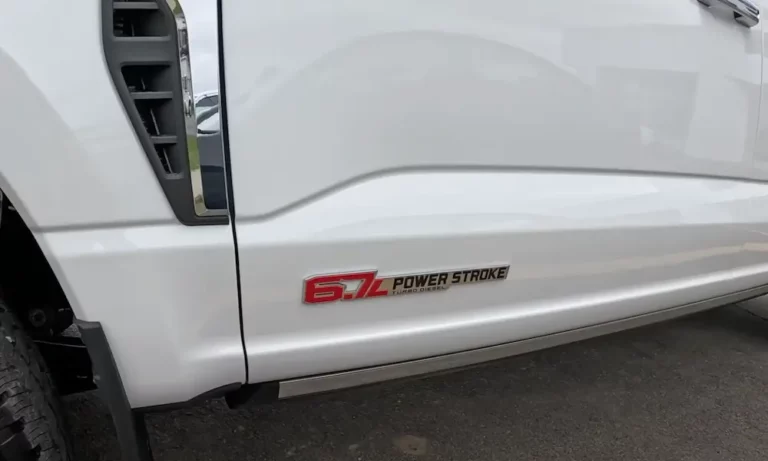
Are you noticing puddles of oil under your Ford Super Duty? Or maybe that persistent burning smell that just won’t go away? The 6.7 Powerstroke is a powerful and generally reliable engine, but it’s not immune to oil leaks. These issues can drain your wallet and leave you stranded if left unchecked. Let’s dive into the most common leak points, why they happen, and how to address them before they become major headaches.
The Upper Oil Pan Leak: Your #1 Enemy
The upper oil pan leak stands as the most notorious issue affecting 6.7 Powerstroke engines. This problem typically shows up between 75,000 and 150,000 miles, manifesting as oil dripping from the center-rear area of the engine.
Why It Happens
The root cause? Excessive crankcase pressure from a clogged CCV (Crankcase Ventilation) filter. When this filter becomes saturated with oil mist and contaminants, it restricts normal venting of blow-by gases. The pressure has to go somewhere, and it finds the path of least resistance—usually the silicone sealant around the upper oil pan.
Model Year Differences
There’s a significant design split between model years:
- 2011-early 2012 models: Used a pressed-in gasket design that’s more reliable
- 2015 and newer: Rely on silicone sealant that’s more prone to failure
Many mechanics strongly recommend upgrading to the earlier gasket design when performing repairs, as the transition to silicone sealant was likely a cost-saving measure that has resulted in more warranty claims.
Repair Tips
If you’re facing this repair, insist on:
- Using TA-31 silicone instead of Ford’s recommended TA-357
- Proper surface preparation before applying new sealant
- Consider upgrading to the 2011-style gasket design if possible
Vacuum Pump Gasket: The Sneaky Front Leaker
The vacuum pump gasket represents the second most common oil leak, typically occurring between 60,000 and 120,000 miles. It appears at the front of the engine and is often mistaken for a front crankshaft seal failure.
Location and Function
The vacuum pump provides vacuum assist for the brake booster system and is secured to the front cover by four 5/16-inch bolts. It’s positioned behind the fan clutch bracket, making it somewhat tricky to access.
The Surprising Cause
What makes this leak especially frustrating is its cause: insufficient torque applied during factory assembly. Many mechanics report finding these bolts barely finger-tight or completely loose when investigating the leak.
DIY-Friendly Fix
This is one of the more accessible DIY repairs on the 6.7 Powerstroke:
- Replacement gasket (Ford part #BC3Z-2A572-A) costs just $10-25
- Repair takes 1-2 hours for someone with basic mechanical skills
- Access requires removing the air intake system, serpentine belt, and fan clutch bracket
The CCV Filter: Root Cause of Multiple Problems
While not technically a leak source itself, the Crankcase Ventilation (CCV) filter is the primary culprit behind many oil leaks throughout the 6.7 Powerstroke engine system.
System Evolution
The CCV system has changed significantly throughout production:
- Six different variations exist from 2011-2025
- 2017-2019 dual rear wheel models featured a serviceable internal filter
- 2020+ design represents the most advanced iteration and can be retrofitted to earlier engines
Warning Signs
How do you know if your CCV filter is failing? Remove the oil filler cap while the engine is running. A properly functioning system should have minimal pressure, while a failed filter will cause the cap to blow off or create visible vapor streaming from the opening.
Preventive Maintenance
Ford recommends CCV filter replacement every 67,500 miles, but many mechanics suggest more frequent changes:
- Consider replacing every 40,000-50,000 miles, especially with heavy towing
- Cost of preventive replacement ($100-120) is minimal compared to upper oil pan repairs ($1,500-3,500)
- Modern 2020+ CCV filter designs can be retrofitted to earlier engines as an upgrade
| CCV Filter Service Schedule | Standard Use | Severe Duty |
|---|---|---|
| Ford Official Recommendation | 67,500 miles | 30,000 miles |
| Mechanic Recommendation | 50,000 miles | 25,000 miles |
| Cost of Replacement | $100-120 | $100-120 |
| Potential Repair Savings | $1,500-3,500 | $1,500-3,500 |
Injector to Valve Cover Seals: The Deceptive Drippers
Injector seal leaks rank among the most common secondary oil leaks, typically appearing between 80,000-150,000 miles. These leaks occur where the fuel injectors penetrate the valve covers.
Why They’re Tricky to Diagnose
These leaks often masquerade as valve cover gasket failures because oil runs down the side of the valve covers. The reality is that each injector has multiple seals, including O-rings on the injector body and copper gaskets at the combustion chamber interface.
High-Pressure Operation
The 6.7 Powerstroke uses high-pressure piezoelectric fuel injectors that operate under extreme conditions. These components face constant heat cycles and vibration, which eventually compromise their seals.
Complex Repair
This isn’t your average weekend fix:
- Requires specialized injector removal tools
- Demands careful attention to seal installation order
- The Ford part number for injector-to-valve cover seals is BC3Z-6C535-A
- Professional diagnosis is recommended due to the precision required
Turbo Oil Lines and Fittings: The Valley Contaminator
Turbo oil line leaks affect the engine valley area and can contaminate the entire intercooler system with engine oil. The 6.7 Powerstroke turbocharger requires both oil supply and drain lines, with connections at the turbo housing and engine block.
Symptoms and Impact
These failures typically show up as:
- Oil accumulation in the engine valley
- Oil-contaminated intercooler pipes
- Reduced engine performance
- Fire hazards if oil contacts hot exhaust components
Model Year Vulnerability
Turbo oil line problems are more common on earlier 2011-2014 models that experienced higher turbocharger failure rates. Later models improved the design, but remain susceptible after high mileage.
Professional Job
Repair involves replacing both supply and drain line assemblies along with their associated fittings and seals. Professional repair is often recommended due to the complexity and safety concerns.
Front Cover and Timing Chain Area: The Major Operation
Front cover leaks are less common but more serious when they occur, typically affecting higher-mileage engines beyond 100,000 miles. The front cover houses the timing chain and serves as the mounting point for various accessories.
Extensive Disassembly Required
When this area develops leaks, it often requires extensive disassembly including transmission removal for complete access. This repair represents one of the most labor-intensive oil leak fixes on the 6.7 Powerstroke, often requiring 15-20 hours of professional labor.
Comprehensive Repair Approach
The complexity has led many mechanics to recommend concurrent maintenance of related components:
- Timing chain
- Water pump
- All associated seals and gaskets
While expensive, this comprehensive approach prevents repeat failures and maximizes the service interval before the next major repair.
Oil Cooler and Related Components: The System Contaminator
Oil cooler leaks are relatively rare compared to other sources but can be serious when they occur. The oil cooler is mounted to the upper oil pan on the driver’s side and uses O-rings and gaskets to seal against both the engine oil and cooling systems.
Cross-Contamination Risk
Unlike other engine oil leaks, oil cooler failures often involve both fluids due to the heat exchanger design. When these seals fail, oil and coolant can mix, leading to contamination of both systems.
Diagnosis Challenges
Oil cooler problems typically present as external oil leaks combined with coolant system issues. Diagnosis requires:
- Careful inspection of the mounting area
- Fluid analysis to determine the extent of cross-contamination
- Looking for milky oil or oily coolant
Access Issues
Replacement involves upper oil pan removal in most cases, making it a significant repair even though the cooler itself is not expensive. Many mechanics recommend oil cooler replacement during upper oil pan repairs as preventive maintenance.
Prevention and Maintenance Strategies
Regular CCV Filter Maintenance: Your First Line of Defense
The single most effective prevention strategy involves regular CCV filter replacement before the recommended 67,500-mile interval. Early replacement prevents the crankcase pressure buildup that causes the majority of secondary oil leaks throughout the engine.
Proper Repair Techniques: Do It Right the First Time
When oil leaks do occur, using proper repair techniques and materials significantly impacts longevity:
- Use TA-31 silicone instead of Ford’s recommended TA-357 for upper oil pan repairs
- Apply thread locker to vacuum pump mounting bolts
- Torque all fasteners to proper specifications
- Consider upgrading to 2011-style gasket upper oil pans when possible
Monitoring and Early Detection: Catch Problems Early
Regular inspection of common leak areas allows early detection before minor seepage becomes major oil loss:
- Check the upper oil pan area regularly
- Inspect the front engine vicinity around the vacuum pump
- Look at valve cover perimeters for injector seal issues
- Monitor oil consumption patterns between changes
| Leak Location | Early Warning Signs | Typical Mileage | DIY Difficulty |
|---|---|---|---|
| Upper Oil Pan | Oil puddles under center-rear of engine | 75,000-150,000 | Advanced |
| Vacuum Pump | Oil at front of engine, behind fan | 60,000-120,000 | Intermediate |
| Injector Seals | Oil running down valve covers | 80,000-150,000 | Advanced |
| Turbo Oil Lines | Oil in engine valley | 60,000-100,000 | Advanced |
| Front Cover | Widespread oil seepage at front | 100,000+ | Professional |
| Oil Cooler | Oil leaks with coolant issues | 80,000+ | Professional |
Advanced Diagnostic Techniques
Using UV dye in the engine oil can help pinpoint exact leak sources when multiple areas show oil contamination. This diagnostic technique proves particularly valuable when dealing with multiple simultaneous leaks or when oil distribution makes source identification difficult.
Pressure testing the crankcase can also reveal excessive pressure conditions before they cause leaks. This proactive approach identifies CCV system issues early, allowing for preventive maintenance rather than reactive repairs.
The Big Picture: Cost vs. Prevention
The 6.7 Powerstroke represents one of Ford’s most successful diesel engines, but understanding its common oil leak patterns allows owners to maintain these engines proactively rather than reactively. By focusing on CCV filter maintenance, recognizing early symptoms, and using proper repair techniques, owners can minimize oil leak issues and maximize engine longevity.
Consider these cost comparisons:
- CCV filter replacement: $100-120
- Vacuum pump gasket repair: $300-500
- Upper oil pan repair: $1,500-3,500
- Complete front cover job: $3,000-5,000
Preventive maintenance is clearly the more economical approach, especially considering the downtime associated with major repairs. While some oil seepage is inevitable in high-mileage diesel engines, the predictable nature of 6.7 Powerstroke failures allows for cost-effective prevention and repair strategies.