Keeping your BMW X3 running smoothly isn’t just about enjoying that signature German engineering—it’s about protecting your investment. Whether you’ve just driven your new X3 off the lot or you’re planning for years of ownership, understanding the maintenance timeline will save you headaches (and money) down the road.
I’ve put together this comprehensive guide to help you navigate the somewhat complex world of BMW maintenance. Let’s dive into exactly what services your X3 needs and when it needs them.
How BMW’s Condition Based Service System Works
Unlike many vehicles that follow rigid time-based maintenance schedules, your BMW X3 is smarter about service timing. The Condition Based Service (CBS) system continuously monitors your vehicle’s components through sensors and algorithms.
This intelligent system tracks:
- Your actual driving distance
- Your personal driving style (aggressive vs. gentle)
- Engine loads and conditions
- Elapsed time since last service
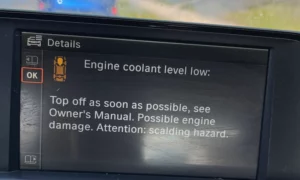
Rather than forcing you to change perfectly good oil at 5,000 miles, the CBS adjusts maintenance timing based on how you actually use your vehicle. When service is needed, alerts appear directly on your dashboard display about 2,400 miles before the service becomes critical.
Essential Oil Changes: The Foundation of X3 Maintenance
Official BMW Recommendation
According to the official BMW maintenance schedule, your X3 should have oil and filter changes:
- Every 10,000 miles OR
- Once per year (whichever comes first)
What X3 Owners Actually Do
While BMW says 10,000 miles is fine, real-world experience from BMW forums suggests a different approach. Many experienced owners change their oil:
- Every 5,000-7,500 miles for turbocharged engines
- Every 6,000 miles for those planning long-term ownership
Why the difference? The turbocharged engines in the X3 run hotter and create more pressure, which can degrade oil faster than BMW’s official intervals account for. If you plan to keep your X3 beyond the warranty period, the more frequent oil changes could extend engine life significantly.
The Complete BMW X3 Service Timeline
Every time you bring your X3 in for service, certain standard checks are performed:
| Standard Service Procedures (Every Visit) |
|---|
| Check control messages verification |
| Warning light inspection |
| Tire pressure adjustment and reset |
| Parking brake function testing |
| Sunroof guide rail cleaning |
| CBS display reset |
Beyond these basics, here’s the milestone-based service schedule:
10,000 Miles / 1 Year
- Engine oil and filter change
- Standard scope services
20,000 Miles / 2nd Oil Service
- Everything from the 10,000-mile service
- Ventilation microfilter replacement ($50-100)
- Remote control key battery replacement ($25-50)
30,000 Miles / 3rd Oil Service
- All previous services
- Air filter replacement (M models)
- Spark plug replacement (M models only)
40,000 Miles / 4th Oil Service
- All previous services
- Air filter replacement (standard models, $50-120)
50,000 Miles / 5th Oil Service
- All previous services
- Rear axle differential oil change ($150-300)
- Transfer case fluid replacement (xDrive models, $150-300)
60,000 Miles / 6th Oil Service
- All previous services
- Spark plug replacement (standard models, $300-600)
Critical Brake System Maintenance
Your X3’s brake system requires special attention regardless of mileage milestones:
Brake Pads and Rotors
The CBS continuously monitors brake pad thickness and will alert you when approximately 2,000 miles of pad life remain. Replacement costs vary:
- Front brake pads: $200-350
- Rear brake pads: $180-300
- Rotors (when needed): $200-400 per axle
Brake Fluid
Unlike other components, brake fluid degrades with time rather than mileage:
- First change: 3 years after initial factory fill
- Subsequent changes: Every 2 years
- Cost: $150-250 per service
Brake fluid absorbs moisture over time, which lowers its boiling point and reduces braking effectiveness. Don’t skip this service even if you drive infrequently.
Special X3 Maintenance Considerations
For xDrive Models
The all-wheel-drive system in your X3 has special requirements:
The transfer case in newer G01 models contains two separate oil chambers that both need service. A proper transfer case service requires:
- Special diagnostic equipment (ISTA)
- Activation of both chambers during service
- Complete drainage of both chambers
- Expect to pay around $160 for this specialized service
For M Models
If you drive an X3 M, you’ll need a specialized 1,200-mile break-in service that includes:
- Early engine oil and filter change
- Rear axle differential oil change
- Running-in check deactivation using BMW diagnostics
This service is crucial for long-term performance and shouldn’t be skipped.
The Real Cost of X3 Ownership
Let’s talk about what all this maintenance actually costs over time.
Annual Expectations
According to RepairPal data, BMW X3 owners spend an average of $1,034 per year on maintenance and repairs. That’s:
- $132 less than X5 maintenance
- Still significantly higher than non-luxury SUVs
- Includes routine maintenance and minor repairs
10-Year Outlook
Looking longer term, CarEdge data projects X3 owners will spend approximately $19,074 on maintenance and repairs over 10 years. This exceeds the luxury SUV industry average by $6,580.
The probability of needing at least one major repair within the first five years is 56.41%, which is 17.90% higher than comparable vehicles.
Warranty Coverage You Should Know About
New BMW X3 models include the BMW Ultimate Care maintenance program for:
- First 36 months or 36,000 miles (whichever comes first)
- Covers oil changes, inspections, and most scheduled maintenance
- Does NOT cover wear items like brake pads, wipers, or tires
This coverage significantly reduces early ownership costs, but you should budget for maintenance expenses starting in year four.
Smart Maintenance Strategies
For New X3 Owners
- Follow the CBS system religiously during the warranty period
- Keep digital records of all services performed (even small ones)
- Consider more frequent oil changes (6,000-7,500 miles) if you plan to keep the vehicle long-term
- Get to know your service advisor for personalized recommendations
For Post-Warranty Owners
- Find a qualified independent BMW specialist to save 30-40% on service costs
- Don’t skip differential and transfer case services at 50,000 miles
- Watch for cooling system issues after 100,000 miles
- Consider an extended warranty given the statistical likelihood of repairs
Dealer vs. Independent Service
Once your BMW Ultimate Care coverage ends, you have options:
Dealer Service Pros:
- BMW-trained technicians
- Latest diagnostic equipment
- Original BMW parts
- Service history maintained in BMW’s system
Independent Specialist Pros:
- 30-40% lower labor rates
- Often more personalized service
- Many use original BMW parts
- Can maintain your warranty with proper documentation
Many X3 owners report successfully using independent BMW specialists for routine maintenance while only visiting dealers for complex issues or recalls.
High-Mileage X3 Concerns
As your X3 approaches 100,000 miles, pay extra attention to:
Cooling System Components
- Water pump (a common failure point around 80,000-100,000 miles)
- Thermostats and hoses
- Radiator condition
Electronic Systems
- Sensors (particularly oxygen sensors due at 150,000 miles)
- Control modules
- Battery health (typically needs replacement every 4-5 years)
Suspension Elements
- Bushings and mounts
- Struts and shocks
- Control arms
Regular diagnostic scans become increasingly valuable as your X3 ages, as they can identify developing issues before they lead to expensive failures.
Making Your X3 Last: Owner Best Practices
From discussions with long-term X3 owners, these habits help maximize reliability:
- Warm up your engine for 30-60 seconds before driving, especially in cold weather
- Allow the engine to cool down for a minute before shutting off after highway driving
- Check oil levels monthly between services
- Use only BMW-approved fluids (especially important for transmission and differential)
- Address warning lights immediately rather than hoping they’ll go away
Is the G01 Generation More Reliable?
Good news for recent X3 owners: the current G01 generation (2018+) shows improved reliability compared to earlier models. The most commonly reported issues include:
- Motor mount wear
- Sunroof shade problems
- Minor electrical gremlins
These are generally manageable compared to the more serious mechanical failures seen in previous generations.
Bottom Line: Is BMW X3 Maintenance Worth It?
The BMW X3 requires more maintenance investment than mainstream SUVs, but the driving experience makes that cost worthwhile for most owners. By following the CBS system and implementing the real-world strategies outlined above, you can enjoy your X3’s performance while managing costs effectively.
Remember that preventative maintenance is always less expensive than repairs. Skipping scheduled services might save money initially but often leads to costlier problems down the road.
With proper care, your BMW X3 can provide many years of that distinctive BMW driving experience—making those maintenance visits a worthwhile investment in your driving pleasure.