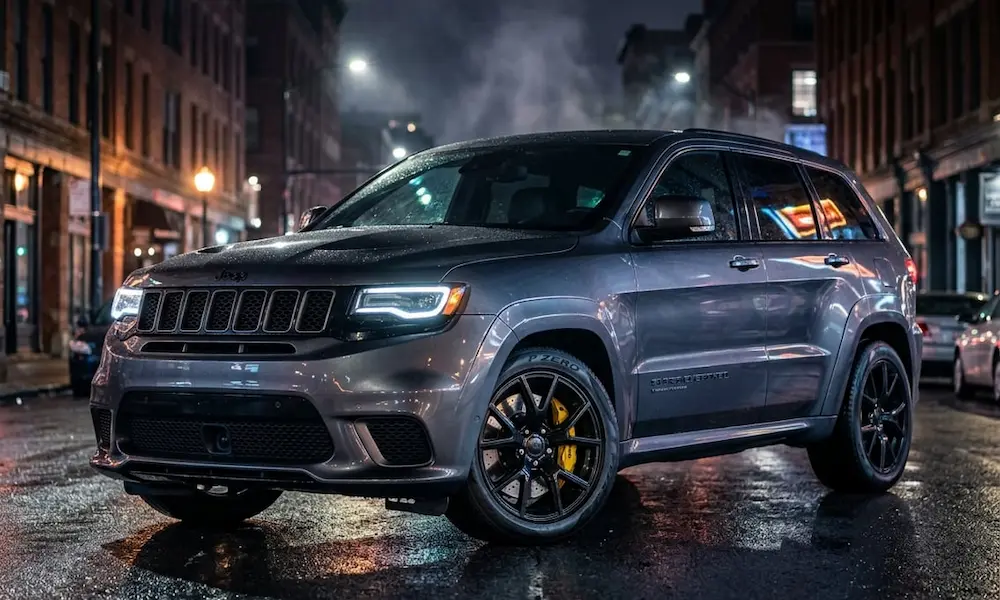
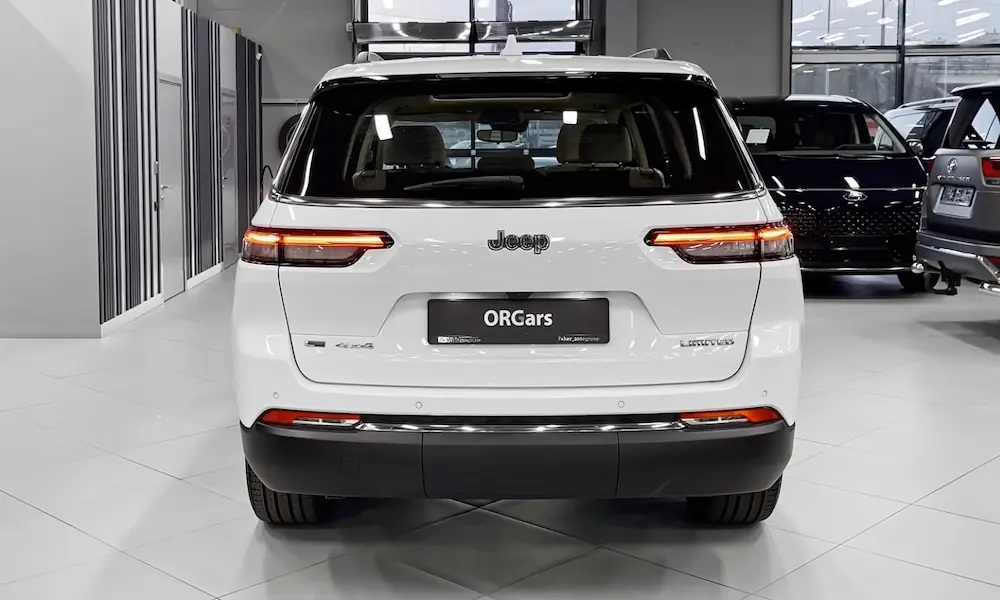
Shopping for a Grand Cherokee? You’re probably wondering if it’ll run forever or leave you stranded. Here’s the truth: with decent care, you’re looking at 200,000 to 300,000 miles—roughly 13 to 20 years for most drivers. Some owners push past 400,000 miles, though that takes serious dedication to maintenance.
The Real Lifespan of a Grand Cherokee
Most Grand Cherokees hit at least 200,000 miles before needing major repairs. The sweet spot? Expect 150,000 to 200,000 miles from modern engines, with many cruising well beyond that range.
The unibody construction might worry traditional SUV fans, but it holds up surprisingly well. The catch? Rust can wreck structural integrity since the body provides the vehicle’s stiffness. Find a rust-free example, especially if you live where road salt flows like water in winter.
Highway miles treat these SUVs better than city stop-and-go driving. Your driving style matters more than raw mileage totals. Gentle acceleration beats aggressive throttle-stomping every time.
What Makes or Breaks Longevity
Stick to the Maintenance Schedule
Service every 7,500 miles isn’t optional—it’s essential. You’ll spend about $666 annually on average, totaling around $11,217 over 10 years. That’s $3,009 more than typical SUVs, but skip maintenance and you’ll pay way more fixing what breaks.
Essential maintenance includes:
- Oil changes every 7,500 miles
- Tire rotations at the same interval
- Regular brake inspections
- Spark plug replacement every 100,000 miles or 10 years
The Jeep Wave program sweetens the deal for new vehicles—three years of free maintenance including oil changes, tire rotations, and 24/7 roadside assistance.
How You Drive Matters
Short trips where the engine never fully warms up stress components more than long highway cruises. Heavy towing, frequent off-road adventures, and aggressive driving shorten lifespan. Treat the accelerator like it’s attached to your wallet.
Climate Takes Its Toll
North Texas summers and ice storms add stress to all components. The Grand Cherokee’s unibody construction makes it particularly vulnerable to rust, which compromises structural integrity. In salt-heavy regions, finding a rust-free example is crucial for long-term ownership.
Best and Worst Years to Buy
The Winners
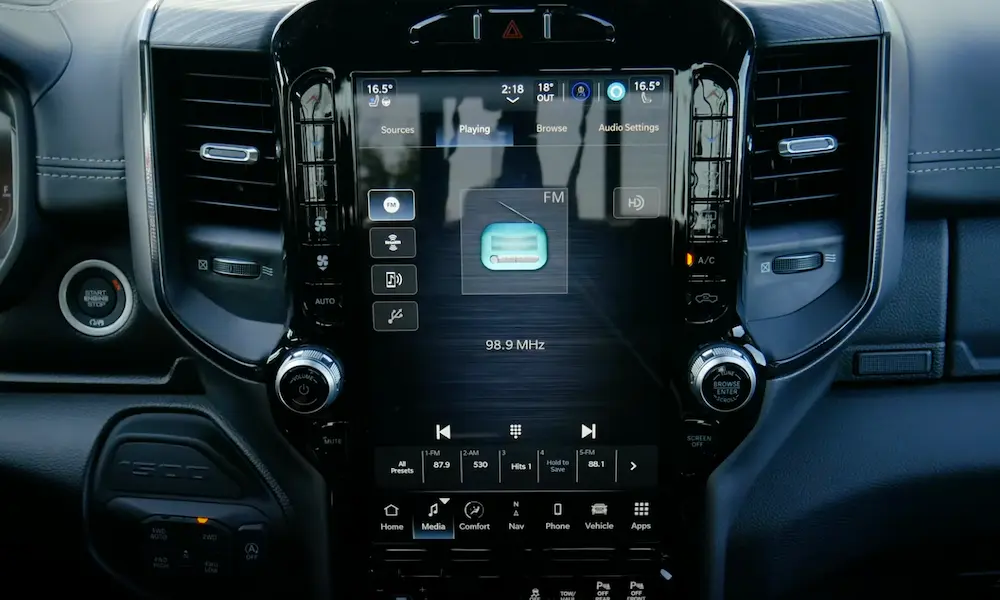
The 2019 model frequently tops reliability lists, combining modern tech with solid dependability. It features the 8.4-inch Uconnect system, blind-spot monitoring, and advanced driver assistance without the teething problems of earlier models.
The 2021 model year benefits from a decade of refinements, earning an impressive J.D. Power Quality and Reliability score of 85 out of 100. For classic SUV fans, the 1998 model introduced the powerful 5.9L V8 with fewer electrical gremlins than earlier years.
From the third generation (2005-2010), the 2008 and 2010 models stand out. The 2010 particularly benefited from years of refinements and is widely considered one of the most reliable Grand Cherokee years overall. It came with sturdy engine options including the 3.7L V6, 4.7L V8, and 5.7L HEMI V8.
| Generation | Years | Top Picks | Why They’re Good |
|---|---|---|---|
| First (ZJ) | 1993-1998 | 1998 | Powerful 5.9L V8, fewer electrical issues |
| Second (WJ) | 1999-2004 | 2003-2004 | Refinements throughout production run |
| Third (WK) | 2005-2010 | 2008, 2010 | Independent suspension, reliable HEMI options |
| Fourth (WK2) | 2011-2021 | 2019, 2021 | Modern tech, proven dependability |
The Losers
Avoid 2011, 2012, 2014, and 2015 models unless you enjoy visiting mechanics. The 2011 model suffered from Totally Integrated Power Module (TIPM) failures causing stalling, failure to start, and electronic malfunctions. These issues sparked a class-action lawsuit and generated 1,622 complaints to the NHTSA.
The 2014 model year takes the crown for problems, with the highest number of complaints on the NHTSA site. Transmission issues plagued owners with rough shifting, hesitation, and outright failure. This year also racked up 19 recalls and 10 investigations.
TIPM failures in 2011-2015 models occurred around 50,000 miles on average, costing over $1,000 to repair. Additional recalls addressed central brake booster rusting and rare short circuit cases creating fire hazards. The 2014 model also suffered from harsh gear shifting, with some cases involving injuries from rolling cars due to failed shifts from drive to park.
Engine Reliability: The Good, Bad, and Ugly
3.6L Pentastar V6
The Pentastar V6 (2011-present) ranks as one of Chrysler’s most reliable engines. The lightweight aluminum construction holds up well with quality synthetic oil changes every 5,000-6,000 miles.
But it’s not perfect. The plastic oil cooler/filter housing cracks between 70,000 to 120,000 miles, costing $700-$1,000 to fix. Rocker arm failure causes engine ticking—Chrysler even issued a service bulletin in 2014. Despite updates, issues still pop up, with repairs running $1,500 to $3,000.
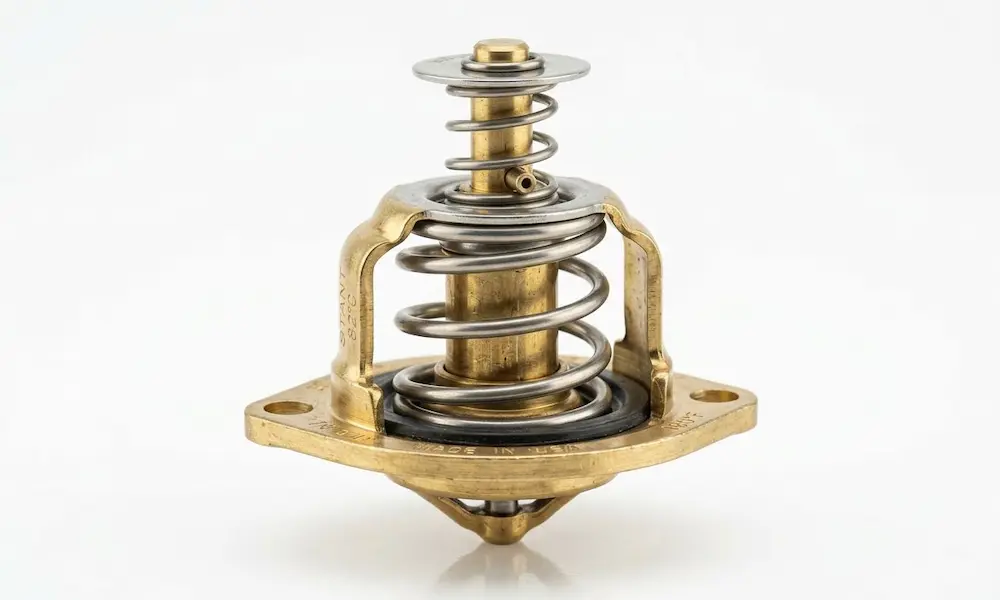
The cooling system represents another weak point. Water pumps, thermostats, radiators, and coolant hoses fail after 80,000-100,000 miles. Some Jeep Wranglers experienced cylinder head failures in cylinder #2, though extended warranties often covered repairs.
5.7L HEMI V8
The HEMI V8 delivers solid reliability since its early 2000s reintroduction. One owner reported a 2005 model with 200,000 miles running excellently. Multiple owners with 2014 and 2015 models reported zero issues with proper synthetic oil maintenance.
Common maintenance includes water pump replacement around 160,000 miles, engine and transmission mounts around 180,000 miles, and transfer case oil pump replacement at similar mileage. The Multi-Displacement System (MDS) raises some concerns, though regular oil changes minimize failure risks. Some models experienced exhaust manifold bolt failures, but overall, the HEMI provides strong performance and respectable longevity.
4.0L Inline-6 (1993-2004)
For classic Grand Cherokee enthusiasts, the legendary 4.0L inline-6 stands as the most reliable option. This engine regularly lasted 200,000 miles without rebuilds and could survive conditions that would destroy most motors.
The design dated back to 1967, with plentiful and cheap parts. One owner’s 1996 Cherokee with the 4.0L reached approximately 212,000 miles with minimal issues. The overbuilt cast-iron block and head pushrod design featured excellent parts interchangeability, making it easy even for beginners to maintain.
Problems You’ll Probably Face
Transmission Headaches
The 8-speed transmissions in 2014-2017 Grand Cherokees with the 3.6L V6 experienced particular difficulties. Owners reported shuddering when stopping, hard shifting, delayed shifting, and uneven gear engagement.
Chrysler updated the troubled 845RE transmission to the 850RE in 2018, resolving most problems. Software updates also addressed many complaints. Watch for service transmission warnings, check engine lights, rough shifting, and unusual whining or clunking noises.
Electrical Gremlins
The TIPM sensor in 2011-2015 models controlled critical functions. Failures caused lights not working, fuel pumps staying on, random stalling, starter failures, and radiator fans not operating.
Malfunctioning infotainment systems, faulty windows, and battery or alternator issues affected multiple years. The 2011 model experienced severe alternator failures causing smoke, fire, and complete power loss even at highway speeds. Regular battery connection cleaning and software updates help resolve many issues.
Engine Performance Issues
Engine-related problems vary by model year and engine type. Some models experience stalling, poor acceleration, and increased oil consumption. The Pentastar 3.6L V6 can suffer from misfires caused by cylinder head failure, particularly in cylinder #2.
Timing chain and camshaft problems result in engine stalls, misfires, or complete shutdowns. The 5.7L HEMI may experience valve failures and oil leaks. Many owners faced repair bills exceeding $7,000, with some vehicles declared total losses after unexpected stalls.
Suspension and Steering Woes
Clunking noises, uneven tire wear, and steering vibrations typically stem from worn ball joints, tie rods, and bushings. The infamous “death wobble” occurs when suspension and steering wear combines with loose components, causing violent shaking at highway speeds.
Regular inspections prevent severe damage. Front suspension issues were particularly common in early 2000s models.
HVAC Problems
Systems blowing hot air when set to cool (or vice versa) usually stem from blend door actuator failures, refrigerant leaks, or faulty compressors. Regular air filter changes and early attention to temperature control issues keep systems running smoothly.
What It Costs to Keep Running
Annual maintenance costs run $666 to $866 per year, slightly below the industry average of $891. Over 10 years, total maintenance and repair costs reach $11,217—$3,009 more than the industry average for popular SUVs.
There’s a 32.15% chance you’ll need a major repair during the first 10 years, which is 7.56% worse than similar vehicles. RepairPal gives Jeeps a reliability rating of 3.5 out of 5, placing them 15th out of 32 car brands.
Specific maintenance costs for a 2019 Grand Cherokee include:
- Tire rotation: $79-$101
- Oil change: $215-$246
- Transmission fluid change: $250-$277
- 10,000-mile service: $642-$749
- 30,000-mile service: $848-$917
- 60,000-mile service: $1,536-$1,778
- Front and rear brake pads: $1,034-$1,133
- Spark plug replacement: $899-$1,090
| Vehicle | Annual Cost | 10-Year Total | Notes |
|---|---|---|---|
| Grand Cherokee | $666-$866 | $11,217 | Higher than average, more severe repairs |
| Toyota 4Runner | $800 | $8,000 | Lower total, exceptional reliability |
| Honda CR-V | $585 | $5,850 | Best value for maintenance |
| Ford Explorer | $1,000 | $10,000 | Comparable to Grand Cherokee |
Grand Cherokee vs. the Competition
Toyota 4Runner
Both offer similar 200,000-300,000 mile lifespans. The 4Runner’s body-on-frame construction provides more rugged off-road capability, while the Grand Cherokee’s unibody design offers smoother road manners.
The 4Runner includes optional third-row seating, while the standard Grand Cherokee remains two-row only. A used Grand Cherokee typically costs less than an equivalent 4Runner—the Grand Cherokee loses value twice as fast as the 4Runner.
The Grand Cherokee offers slightly more towing capacity at 6,200 pounds versus 6,000 pounds. Fuel economy is essentially tied at EPA-estimated 22 MPG combined. The Grand Cherokee’s 23-gallon fuel tank provides significantly more range than the 4Runner’s 19-gallon tank.
Honda CR-V and Toyota RAV4
The CR-V typically runs 150,000-300,000 miles, while the RAV4 achieves 200,000-300,000 miles. Both offer superior reliability ratings and lower maintenance costs.
Honda vehicles average $585 annually in maintenance, and Toyotas average $602 annually, compared to the Grand Cherokee’s $666-$866. Both Japanese competitors provide better fuel economy and more predictable ownership costs, though the Grand Cherokee offers more powerful engine options and greater towing capability.
Ford Escape
The Escape manages 150,000-250,000 miles, falling short of the Grand Cherokee’s upper range. Ford vehicles average $1,059 per year in maintenance and repairs, significantly higher than the Grand Cherokee.
The Grand Cherokee provides superior off-road capability, more powerful engine options, and better towing capacity compared to the Escape.
Is a Grand Cherokee Worth It?
The Grand Cherokee can deliver 200,000 to 300,000 miles of reliable service with proper care. The 2019 and 2021 models represent particularly strong choices for used vehicle shoppers, offering modern amenities with proven dependability. Avoiding problematic years like 2011, 2012, 2014, and 2015 is crucial for reliable long-term ownership.
Maintenance costs run slightly higher than Japanese competitors like the Honda CR-V and Toyota RAV4, but pricing is competitive compared to American rivals. You get superior performance, towing capability, and luxury features for your money.
The combination of on-road comfort, off-road capability, and long-term durability makes it a worthwhile investment for those who value these characteristics and commit to regular maintenance. Whether you’re considering a well-maintained used model or a new Grand Cherokee, understanding what influences longevity and choosing reliable model years ensures many years of satisfying ownership.