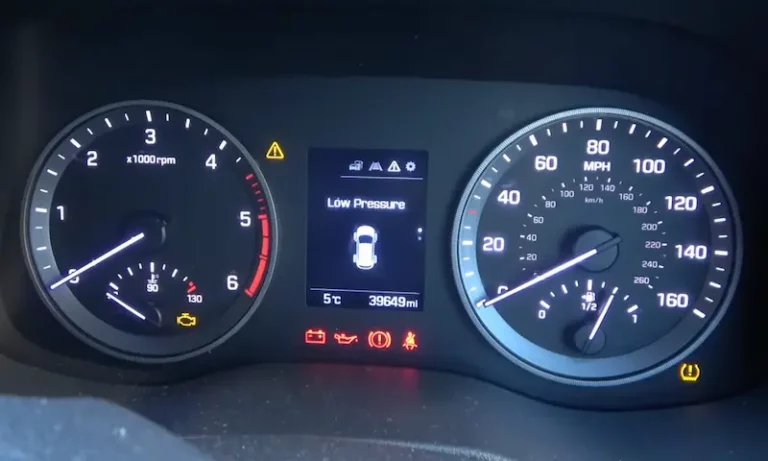
Is that pesky TPMS light driving you crazy? You’re not the first driver to get frustrated with a stubborn tire pressure warning that won’t go away. Whether you’ve got sensors that need replacing or you’re tired of the constant alerts, there are several ways to address this annoying dashboard reminder.
What Is TPMS and Why It’s In Your Vehicle
TPMS (Tire Pressure Monitoring System) is a safety feature required in all vehicles manufactured after 2007. It monitors your tire pressure and alerts you when pressure falls below safe levels.
The system works through sensors mounted inside your tires that communicate with your vehicle’s computer. When tire pressure drops about 25% below the recommended level, the warning light illuminates on your dashboard.
While TPMS enhances safety by preventing accidents caused by underinflated tires, the system isn’t without flaws. Sensors can malfunction, batteries die, and temperature changes can trigger false alarms.
Understanding the Legality of Disabling TPMS
Before diving into how to turn off your TPMS light, it’s important to understand the legal considerations:
- Federal regulations prohibit professional repair shops from knowingly disabling TPMS systems
- As a vehicle owner, there’s no federal law stopping you from disabling your own TPMS
- Some states may include TPMS functionality in their vehicle inspection requirements
- Disabling TPMS removes a safety feature designed to prevent accidents
Remember that while it might be legal for you to disable your TPMS, doing so means taking full responsibility for manually monitoring your tire pressure.
Common Methods to Permanently Turn Off the TPMS Light
Using TPMS Bypass Emulators
TPMS emulators are electronic devices that mimic your TPMS sensors, essentially “spoofing” your vehicle’s computer into believing all tires are properly inflated.
How to install a TPMS bypass emulator:
- Purchase a compatible emulator for your vehicle make and model from vendors like TPMSBypass.com
- Install the device according to manufacturer instructions (typically under your dashboard)
- The device will broadcast fake “all clear” signals to your vehicle’s computer
- Within 10-20 minutes of driving, your TPMS light should turn off permanently
These devices generally cost $100-300 depending on your vehicle type. The main advantage is they’re completely reversible—just remove the emulator to restore normal TPMS functionality.
OBD-II Reprogramming
For those comfortable with vehicle diagnostics, reprogramming your vehicle’s computer can disable the TPMS warning system entirely.
Steps for OBD-II reprogramming:
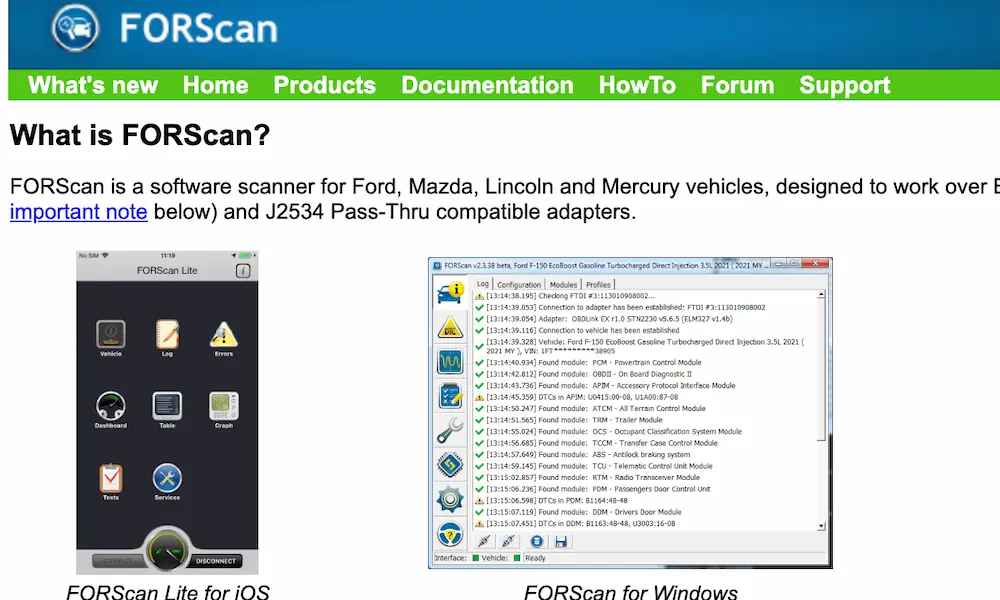
- Purchase a compatible OBD-II scanning tool with programming capability (FORScan for Ford vehicles, OBD Eleven for VAG group, etc.)
- Connect the scanner to your vehicle’s OBD-II port (usually under the steering wheel)
- Navigate to the TPMS settings in your vehicle’s computer
- Disable or modify the TPMS module settings
For example, with Ford vehicles using FORScan, you’d access the Instrument Panel Control module and change the TPMS setting from “Enabled” to “Disabled.”
This method typically costs $50-200 for the scanning equipment but offers a clean software solution without additional hardware installation.
Physical Instrument Cluster Modifications
For the mechanically inclined, physically modifying your instrument cluster is another approach.
Methods include:
- Opening your dashboard and disabling the TPMS indicator light by removing the LED
- Installing a switch to control the TPMS warning light circuit
- Using opaque tape or a custom cover over just the TPMS warning icon
This approach is more invasive and risks damaging your instrument cluster, so it’s recommended only for those comfortable working with vehicle electronics.
Sensor Spoofing with Pressurized Enclosures
A creative DIY solution involves:
- Removing your actual TPMS sensors from your wheels
- Placing them in a sealed PVC pipe pressurized to your recommended tire PSI
- Storing this container in your vehicle where the sensors can still communicate with your computer
This DIY approach preserves your actual sensors while tricking your computer into thinking they’re installed in properly inflated tires.
Vehicle-Specific TPMS Disabling Methods
Different vehicle manufacturers implement TPMS in unique ways, requiring specific approaches for disabling.
Ford Vehicles
Ford vehicles often allow TPMS disabling through the FORScan tool:
- Connect FORScan to your OBD-II port
- Navigate to the Instrument Panel Control (IPC) module
- Look for “Central Configuration”
- Find “Tire Pressure Monitoring System”
- Change the setting to “Disabled”
- Write the changes to your vehicle’s computer
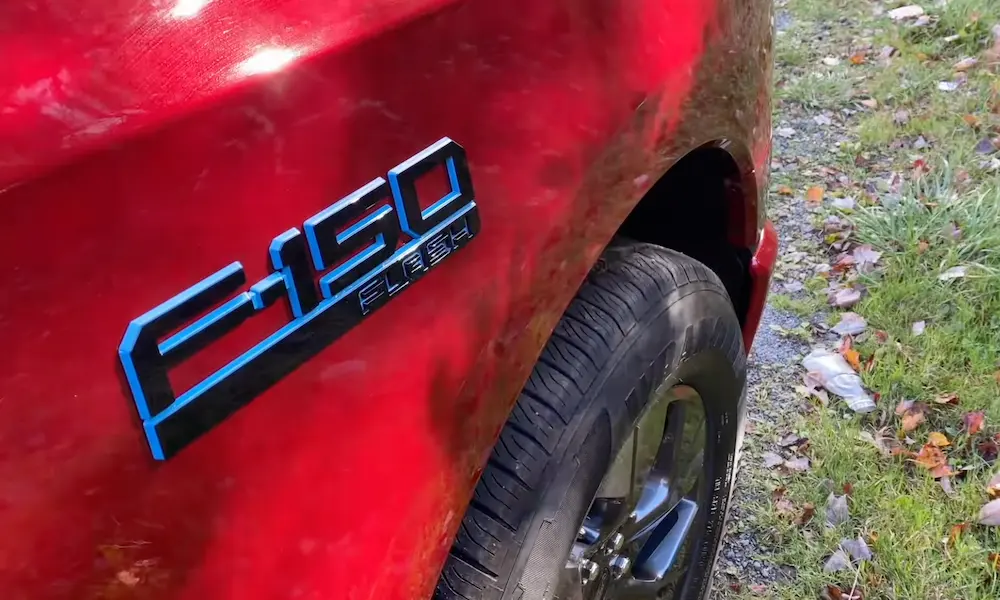
This process is well-documented for many Ford models including F-150, Focus, and Fiesta.
Volkswagen/Audi Group
For VAG vehicles:
- Use OBDeleven or VCDS (VAG-COM Diagnostic System)
- Access the “Adaptation” section
- Find adaptation channel 61
- Subtract 512 from the existing value
- Save changes
This adjustment effectively disables the TPMS functionality in many VW and Audi models.
General Motors Vehicles
GM vehicles often respond well to TPMS emulators, which are available specifically for GM vehicle groups. These plug-and-play devices from suppliers like SpoofTPMS can permanently disable the warning light without complex reprogramming.
Comparing TPMS Disabling Methods
To help you choose the best method for your situation, here’s a comparison of the main approaches:
| Method | Cost | Difficulty | Reversibility | Risk Level |
|---|---|---|---|---|
| TPMS Bypass Emulator | $100-300 | Low | High (removable) | Low |
| OBD-II Reprogramming | $50-200 | Medium | High (reprogrammable) | Medium |
| Cluster Modification | $5-50 | High | Low (permanent) | High |
| Sensor Spoofing | $20-100 | Medium | High (reversible) | Low |
Alternative: Proper TPMS Maintenance Instead of Disabling
Before permanently disabling your TPMS system, consider addressing the root causes of persistent warnings:
Replace Faulty Sensors
TPMS sensors typically last 5-10 years before their non-replaceable batteries die. When this happens, replacing the sensors is a proper fix that maintains your vehicle’s safety features.
Professional sensor replacement costs $35-100 per wheel, depending on your vehicle model. Many tire shops offer this service during regular tire changes.
Properly Reset Your TPMS System
After tire rotation, pressure adjustment, or sensor replacement, your TPMS system typically needs to be reset or “relearned.” The process varies by vehicle but generally involves:
- Setting all tires to the recommended pressure (found on driver’s door jamb)
- Initiating the relearn procedure (via a button, through the infotainment system, or with a scan tool)
- Following vehicle-specific instructions to complete the relearn process
Many persistent TPMS warnings simply need a proper system reset rather than permanent disabling.
Temperature Considerations
Tire pressure naturally decreases in cold weather—about 1 PSI for every 10°F drop in temperature. This often triggers TPMS warnings during seasonal changes.
Rather than disabling your system, adjust your tire pressure for the season. In colder months, consider inflating tires 2-3 PSI higher than the recommended pressure (while staying within the tire’s maximum rating) to reduce false warnings.
Safety Implications of Disabling TPMS
While turning off your TPMS light might eliminate an annoying dashboard indicator, it comes with important safety considerations:
- Underinflated tires reduce gas mileage and increase wear
- Blowouts are more likely with underinflated tires, especially at highway speeds
- Vehicle handling deteriorates with improper tire pressure
- NHTSA studies show TPMS reduces tire-related crash risk
If you do disable your TPMS, commit to regular manual tire pressure checks:
- Check pressure at least monthly
- Always check before long trips
- Use a quality tire pressure gauge
- Inspect tires visually for damage or unusual wear
Managing State Inspection Requirements
Some states include TPMS functionality in their vehicle inspection requirements. If you’ve disabled your TPMS but need to pass inspection, consider:
- Using a temporary solution like temporarily reinstalling your sensors
- Using a removable emulator you can install before inspection
- Seeking inspection at facilities that may be less stringent about TPMS checks
Remember that inspection requirements vary by state, so research your local regulations before disabling your TPMS system.