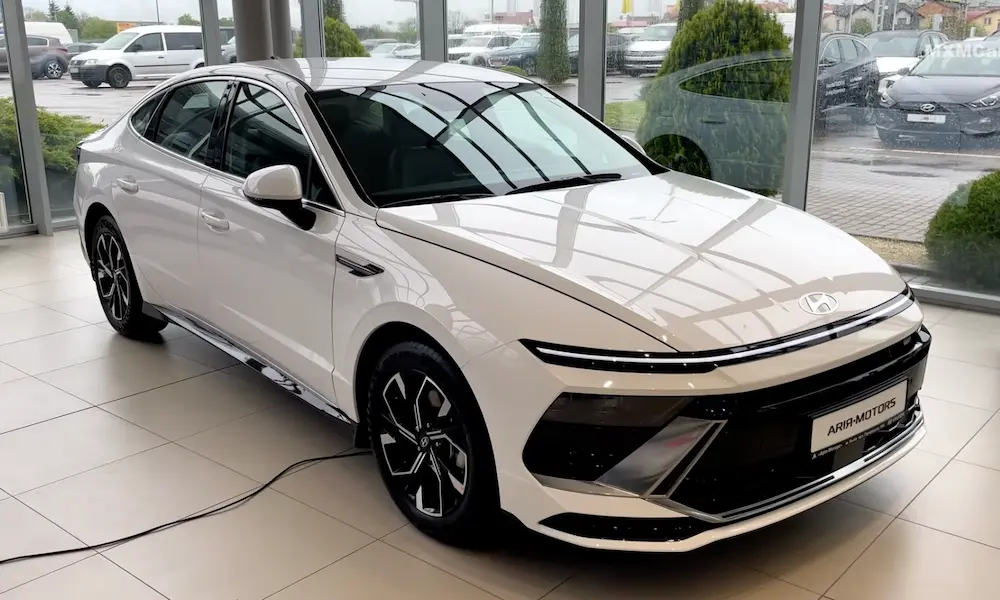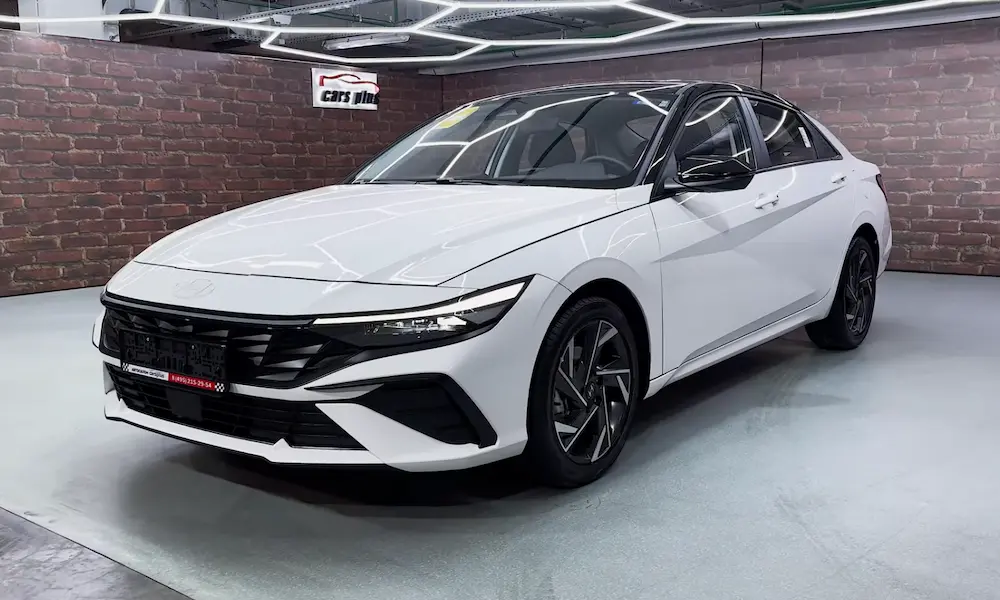
Your brake light just went out, and you’re not sure where to start. This guide covers every Elantra generation — the right bulb, how to pull the housing, and what to do when a new bulb still doesn’t fix it. Stick around to the end, because the electrical section alone could save you a wasted trip to the shop.
What Bulb Does a Hyundai Elantra Brake Light Take?
For most Elantras on the road today, the answer is the 1157 (BAY15D) dual-filament bulb. It’s been the factory standard across nearly every generation since 1992. The lower filament handles your running lights; the brighter one fires when you hit the brakes.
Here’s a full breakdown by generation:
| Generation | Model Years | Brake Light Bulb | 3rd Brake Light |
|---|---|---|---|
| 1st Gen | 1992–1995 | 1157 (BAY15D) | 921 Wedge |
| 2nd Gen | 1996–2000 | 1157 (BAY15D) | 1156 (BA15S) |
| 3rd Gen | 2001–2006 | 1157 (BAY15D) | 1156 or 7506 |
| 4th Gen | 2007–2010 | 1157 (BAY15D) | 921 Wedge |
| 5th Gen | 2011–2013 | 1157 (BAY15D) | 1156 or 7506 |
| 5th Gen Update | 2014–2016 | 1157 (BAY15D) | 7443 or 7440 |
| 6th Gen | 2017–2020 | 1157 or 7528 | 7443, 7440, or 1156 |
| 7th Gen | 2021–2025 | 1157 (BAY15D) | 1156 or Integrated LED |
If you drive a sedan, GT hatchback, coupe, or wagon, the body style can affect which socket and housing you’re working with, even if the bulb number is the same. Always confirm against your VIN before ordering.
Should You Use a 1157 or 2357 Bulb?
Both bulbs share the same BAY15D base, so they’re physically interchangeable. But they’re not equal.
The 2357 pushes about 40 candlepower on the brake filament versus the 1157’s 32 — roughly a 25% brightness boost. That sounds great until you factor in the downside: the 2357 runs hotter, burns out faster, and can melt the plastic socket or char the wiring harness over time, especially in older housings.
Stick with the 1157. It’s the factory spec for a reason, and it’ll outlast the 2357 in real-world use.
How to Replace the Brake Light on a 2017–2020 Hyundai Elantra
This generation has a reputation for being stubborn, and it’s earned. The housing uses a mix of threaded nuts and high-tension friction pins that can feel like they’re welded in place.
Step 1: Remove the Trunk Fasteners
Open the trunk and pull back the interior trim panel directly behind the tail light. You’ll find two or three 10mm nuts threaded onto studs that run through the body. Use a deep socket and a small ratchet. Don’t rush this part — stripped studs are a headache you don’t want.
Step 2: Deal With the Retaining Pins
Here’s where most people get stuck. Even after the nuts are off, the housing is still held by plastic friction pins seated in white retainer jackets in the quarter panel. Three methods work:
- Palm strike — Place your palm on the forward edge of the tail light (the part that wraps around the side) and give it a firm, sharp push toward the rear of the car. This is what Hyundai dealership techs use.
- Duct tape pull — Layer strong duct tape on the outside of the lens to create a handle, then pull straight back with a quick, even tug. Good option if you’re worried about cracking the lens.
- Stud tap — Thread the 10mm nuts back on just enough to protect the threads, then use a rubber mallet to tap the studs from inside the trunk. This pushes the assembly outward without any prying on the lens.
Never use a metal screwdriver to pry the housing. The polycarbonate edges crack easily, and you’ll scratch the paint.
Step 3: Disconnect and Replace
Once the housing is free, press the center tab on the wiring connector to unplug it. Twist the bulb socket counter-clockwise, pull the old 1157 out, and press the new one in. Don’t touch the glass with bare fingers — skin oils create hot spots that shorten bulb life. Use nitrile gloves or a paper towel.
How to Replace the Brake Light on a 2011–2016 Hyundai Elantra
The fifth-gen process is similar but a bit more forgiving. Access the three 10mm nuts behind the trunk trim, remove them, then pull the housing straight back. There’s a locating pin at the forward edge that needs a firm tug, but it releases more predictably than the 2017–2020 models.
For a simple bulb swap, you don’t even need to fully remove the housing. Pull it out a few inches, twist the socket counter-clockwise, and swap the bulb.
Watch for Melted Sockets
This generation has a documented issue with socket overheating. If the contacts inside the socket lose tension, they arc, generate heat, and melt the plastic. If your new bulb doesn’t light up, or if you see browning or distortion around the socket, the socket itself needs replacing — not just the bulb. Putting a fresh bulb into a damaged socket will burn it out immediately.
How to Replace the Brake Light on a 2021–2025 Hyundai Elantra
The seventh-gen Elantra follows the same basic process: remove the square fabric cover in the trunk, take out the two 10mm nuts, then pull the housing outward. Field reports confirm these units are also held tightly by retaining clips, so expect to use a firm, steady rearward pull.
If Your 2021–2025 Has Factory LED Brake Lights
There’s no bulb to replace. The LEDs are soldered onto a sealed circuit board. If part of the array fails, DOT regulations require replacing the entire tail lamp assembly. It’s more expensive than a $5 bulb, but that’s the trade-off for integrated LED design.
How to Replace the Third Brake Light (High-Mounted Stop Lamp)
The center brake light is easy to overlook, but it’s a critical safety component — it signals drivers who can’t see your main tail lights.
For most sedan models from the 2000s through mid-2010s, the bulb is accessible from inside the trunk:
- Find the socket housing on the underside of the rear parcel shelf
- Rotate it counter-clockwise to unlock it
- Pull the socket down and swap the bulb — usually a 921 wedge or 7506/1156 bayonet
For trunk-lid mounted lights on certain trims, you’ll need to remove the trunk lid’s interior lining. The plastic push-pins holding it in place have a center pin that needs to be pried up first before the base releases.
When All Three Brake Lights Go Out at Once
If every brake light fails simultaneously, the problem isn’t the bulbs. Start here:
| Symptom | Likely Cause | What to Check |
|---|---|---|
| All brake lights out | Faulty brake light switch or blown fuse | Check cabin fuse panel; test switch at pedal |
| Lights stay on constantly | Stuck brake switch plunger | Verify plunger movement and switch position |
| New bulb doesn’t light | Melted socket or corroded contacts | Inspect socket for heat damage |
| Dim or flickering lights | Poor ground connection | Check wiring harness for corrosion |
| Rapid flashing after LED install | System resistance too low | Use CAN-bus bulbs or add load resistors |
The Brake Light Switch
The brake light switch sits on the bracket above the brake pedal. When it fails, all three lights go dark. A secondary symptom on automatic transmission models: you can’t shift out of Park, because the shift interlock relies on a signal from this same switch. Test it for continuity when the plunger is activated.
Check the Fuse First
Before anything else, check the dedicated brake light fuse in the driver-side interior fuse panel. It takes 30 seconds and costs nothing.
Upgrading to LED Brake Light Bulbs
LEDs reach full brightness in under 1 millisecond. Incandescent bulbs take up to 200ms to warm up. At highway speeds, that difference gives the driver behind you an extra 15–20 feet of reaction distance — which is a meaningful safety margin.
The catch: Elantras from 2011 onward use a CAN-bus system that monitors current draw to detect failed bulbs. LEDs draw far less power than incandescent bulbs, so the system may flag them as missing or broken.
This causes two problems:
- Hyperflashing — turn signals flash erratically when the circuit is shared with the brake light
- Dashboard warning lights — a bulb-out warning stays lit even with a working LED
The fix is to use CAN-bus compatible LED bulbs that include internal resistors to simulate normal load. If you use standard LEDs, you’ll need to wire in external 6-ohm, 50-watt load resistors. Mount them to bare metal — they get extremely hot.
US-Built vs. Korea-Built Elantra: Does It Matter?
During the 2011–2018 production run, Elantras were built in both Ulsan, Korea and Montgomery, Alabama. The vehicles look identical, but some socket part numbers and wiring harness components differ between the two.
- VIN starting with “K” = Korea-built
- VIN starting with “5” = US-built (Alabama)
When ordering replacement sockets or harness components, confirm your VIN origin to make sure you’re getting the right part.
Installation Tips That Actually Matter
A few habits that separate a clean repair from one you’ll redo in six months:
- Don’t touch the bulb glass — skin oils cause thermal hot spots that crack the glass or burn out the filament early
- Use dielectric grease on the bulb base, especially if you’re in a salt-belt state — it prevents corrosion and keeps the electrical connection solid
- Don’t overtighten the housing nuts — firm hand-tight plus a quarter turn is enough; over-tightening cracks the plastic housing around the studs
- Check the rubber moisture seal is seated properly in its groove before closing everything up — a misaligned seal lets water into the trunk
A functioning brake light isn’t just a legal requirement under Federal Motor Vehicle Safety Standards — it’s what keeps the car behind you from ending up in your back seat. The repair is almost always a DIY job, and now you’ve got everything you need to do it right.