Shopping for a used Toyota Sienna sounds simple—until you realize some years are goldmines and others are money pits. This guide cuts through the noise and tells you exactly which years to buy, which to skip, and why. Stick around, because the answer might surprise you.
Why the Toyota Sienna’s Model Year Matters More Than You Think
Not all Siennas are created equal. Across four generations and nearly 30 years of production, Toyota introduced major engineering changes that created clear winners and losers on the used market.
Some years rolled off the line with door malfunctions, transmission failures, and parasitic battery drain. Others hit the sweet spot of reliability, safety, and long-term value. Knowing the difference saves you thousands.
Here’s the full breakdown by generation.
First Generation (1998–2003): Solid Build, One Big Catch
The XL10 platform launched on Toyota’s proven Camry architecture. Build quality was tight, the ride was smooth, and these vans aged well—mostly.
The Oil Sludge Problem You Can’t Ignore
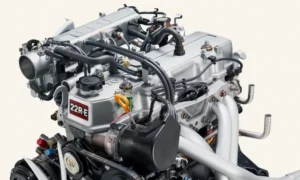
The 3.0-liter 1MZ-FE V6 powered every first-gen Sienna. It ran quietly and pulled well, but narrow oil passages combined with high operating temps caused oil to break down into sludge when owners stretched oil change intervals. If a used first-gen van doesn’t have documented maintenance history, walk away.
Why 2002 and 2003 Are the Best First-Gen Years
By 2002, Toyota had worked out most of the early-cycle gremlins. The 2002 model earned the highest safety ratings of the generation, and 2003 is widely seen as the reliability peak of this era. Both offer front seat-mounted side airbags and Vehicle Stability Control—features most competitors didn’t offer at all.
One more thing: check the undercarriage carefully on any first-gen van. In salt-belt states, corrosion on the front subframe can get structural. That’s a deal-breaker.
| Year | Reliability | Key Notes |
|---|---|---|
| 1998–2001 | Fair | Oil sludge risk, early sensor issues |
| 2002 | Good | Best safety ratings of the gen |
| 2003 | Best | Peak build quality, refined production |
Second Generation (2004–2010): Avoid the Early Years, Love the Last Two
The XL20 brought a bigger cabin, a “Split & Stow” third row, and available AWD. It also brought the worst model year in Sienna history.
2004: The Year to Avoid
The 2004 Sienna generated over 2,000 NHTSA complaints and triggered ten separate recalls. Power sliding doors were the main offender—a latch design flaw meant doors could malfunction mid-use with kids stepping in or out. Dashboard cracking from UV degradation was another widespread issue that sometimes interfered with the AC and radio.
Skip it. There’s no used-car deal good enough to justify a 2004.
2007: The Transmission Gamble
Toyota upgraded to the 3.5-liter 2GR-FE V6 in 2007, which was genuinely good news—until the transmission started acting up. Owners reported sudden power loss at low speeds, harsh downshifts, and complete internal transmission failure around 78,000 miles. The 2007–2008 models also had oil cooler hoses that would crack and cause catastrophic oil loss. Toyota later issued a service bulletin to replace them with metal lines—but verify that repair was done before buying.
2009–2010: The Best Years of the Second Gen
By 2009, Toyota had addressed the generation’s biggest flaws. The chain-driven V6 was running well, the doors worked properly, and the trim levels offered genuine luxury. KBB reviewers praised the 2009 Sienna’s Lexus-like refinement in the Limited trim. The 2010 was mechanically identical to the 2009—no new issues, just a stable, sorted van.
These two years are excellent budget picks if you find a clean example.
Third Generation (2011–2020): The Most Reliable Sienna Ever Built—With a Few Exceptions
The XL30 ran for a full decade, and for good reason. It’s the most robust Sienna platform overall, capable of running past 300,000 miles with proper care. But not every year within this gen earned that reputation.
2011–2012: More Bumps at Launch
The third gen launched with another round of sliding door headaches. A 2016 recall covered over 744,000 vehicles for doors that could open while driving. Toyota also introduced a 2.7-liter four-cylinder option in 2011–2012 as a fuel saver. It didn’t work—the engine strained to move the van’s weight and sometimes got worse real-world MPG than the V6 it was supposed to beat. It was dropped after 2012.
2015–2016: The Sweet Spot for the Best Years for Toyota Sienna
If you ask reliability analysts, master technicians, or longtime Sienna owners which used model to buy, most point straight to 2015 and 2016. Here’s why:
Toyota did a mid-cycle refresh that added over 140 new chassis spot welds, which reduced rattles and improved structural rigidity. The interior got soft-touch materials, a redesigned dash, a standard backup camera, and an 8th airbag. All of this came paired with the proven 266 hp V6 and a reliable 6-speed automatic—no experimental transmissions.
The 2015–2016 models are consistently in high demand on the used market, and they hold their value. You’ll pay a bit more, but you’re buying reliability backed by data.
| Update | 2015 Refresh Detail |
|---|---|
| Chassis | 140+ added spot welds |
| Safety | 8th airbag added |
| Technology | Standard backup camera, Driver Easy Speak |
| Interior | Soft-touch plastics, stitched surfaces |
| Engine | Proven 266 hp V6 + 6-speed auto |
2017–2018: Handle With Care
Toyota swapped in a new 296 hp V6 and an 8-speed automatic (UA80) in 2017. The fuel economy numbers improved—the real-world experience didn’t. Owners reported harsh shifts, gear hunting, and a whining noise from the transmission almost immediately. Multiple class-action lawsuits followed, alleging the UA80 transmission prioritized fuel economy over mechanical durability.
There was also a specific hardware defect: a washer tab inside the transmission could fail to bend properly during assembly, allowing a nut to loosen and cause internal destruction. Toyota issued TSB-0197-17 to address the software-related harshness, but software patches don’t fix physical wear. Approach 2017 and 2018 with caution.
2019–2020: The Best Modern V6 Sienna
By 2019, Toyota had refined the 8-speed’s software to a point where the complaints dropped sharply. The 2020 model added Toyota Safety Sense P as standard across all trims—adaptive cruise control, lane departure warning, and pre-collision braking included. If you want a used V6 Sienna with modern safety tech and no transmission drama, 2019 or 2020 is your target.
Fourth Generation (2021–Present): All-Hybrid, Big Savings, Watch the Details
Starting in 2021, Toyota dropped the V6 entirely. Every new Sienna is now a hybrid. The 2.5-liter Atkinson-cycle engine paired with Toyota’s hybrid system delivers 245 hp and an EPA-estimated 36 mpg. Cold-climate owners report dips to 26–28 mpg in winter, but warm-weather drivers often hit or beat the rating.
Over 15,000 miles a year at $3.50 per gallon, the hybrid saves about $1,200 annually compared to the old V6. Over a decade, that’s real money.
2021: First-Year Bugs to Know About
The 2021 model launched with a frustrating issue: the 12V auxiliary battery dying after just 24–48 hours of sitting. The culprit was the kick-to-open sensors on the sliding doors and liftgate. In cold weather, these sensors entered a continuous listening loop that drained the 12V battery dry. Toyota issued TSB-0071-22 to replace the kick sensor assemblies and sliding door motors.
“Cablegate”: The AWD-Specific Problem
AWD Sienna buyers in salt-heavy states need to know about this one. The cable connecting the rear electric motor runs exposed along the undercarriage. Road salt gets into the aluminum connector, corrodes it, and can trigger a Hybrid System Malfunction message with a repair bill over $5,000. Toyota has modified the design multiple times and extended the warranty on this component to 8 years or 100,000 miles for many owners. If you’re buying a used AWD hybrid Sienna, inspect that cable connector before signing anything.
2022 and Newer: The Sweet Spot for Hybrid Buyers
The 2022 model year had most of the kick-sensor and 12V drain issues corrected through production changes or the TSB. The 2022 and newer models represent the most reliable hybrid Siennas available today, especially post-TSB examples. The 2025 model added a built-in vacuum, a refrigerator box, and a radar-based rear seat reminder that detects infant movement—making it arguably the most thoughtfully equipped family van on the market.
Years to Avoid: The Short List
Some Sienna years need a hard pass unless you have full documentation of repairs:
- 2004 — Highest complaint volume in model history; door and structural issues
- 2007 — Transmission failure risk; leaking oil cooler hoses
- 2011–2012 — Door recalls; underpowered 4-cylinder option
- 2017 — First-year 8-speed transmission hardware defects
Used Market Value Snapshot
| Model Group | Market Value | Reliability Outlook |
|---|---|---|
| 2004–2008 | Low | High-risk (doors, transmission) |
| 2009–2010 | Moderate | Excellent (simple, refined) |
| 2015–2016 | High | Best used V6 option |
| 2017–2018 | Moderate | Caution (transmission software) |
| 2021+ | Very High | Good (hybrid, fuel savings) |
Three Maintenance Tips That Keep Any Sienna Running Long
Change transmission fluid every 60,000 miles. Toyota markets the WS fluid as a lifetime fill, but high-mileage failure data tells a different story. A drain-and-fill every 60k prevents friction buildup in the valve body on both the 6-speed and 8-speed units.
Lube the sliding door tracks monthly. Power sliding door failure is the most common complaint across every Sienna generation. Clean the aluminum tracks and hit the center hinge with dry silicone spray. This 10-minute task prevents snapped drive cables.
Clean the hybrid battery cooling fan filter. For 2021+ owners, the filter intake sits on the side of the second-row seat base. Pet hair and dust clog it fast. A clogged filter means the hybrid battery runs hotter, ages faster, and costs more. Check it at every oil change.
The Bottom Line on Best Years for Toyota Sienna
The best years for Toyota Sienna come down to what you’re shopping for:
- Budget used buy: 2009 or 2010
- Best overall used V6: 2015 or 2016
- Best modern V6 with safety tech: 2019 or 2020
- Best hybrid: 2022 or newer
The Sienna earns its reputation for longevity, but only if you pick the right year. Buy smart, maintain it well, and this van will haul your family for 200,000 miles without drama.