Is your Hyundai Tucson waking up the neighborhood at 2 AM? You’re not the only one dealing with this headache. Random alarm activations are one of the most common complaints from Tucson owners, but the good news is most causes are fixable without an expensive trip to the dealership.
The Most Common Culprit: Rear Occupant Alert System
That persistent alarm you’re hearing might actually be your car trying to “save” someone who isn’t there. The Rear Occupant Alert system is designed to detect movement in the back seat after you’ve parked – a safety feature to prevent children or pets from being left behind.
Unfortunately, it’s extremely sensitive to:
- Air flowing through partially open windows
- Insects moving inside the cabin
- Items shifting in your cargo area due to temperature changes
How to disable the Rear Occupant Alert:
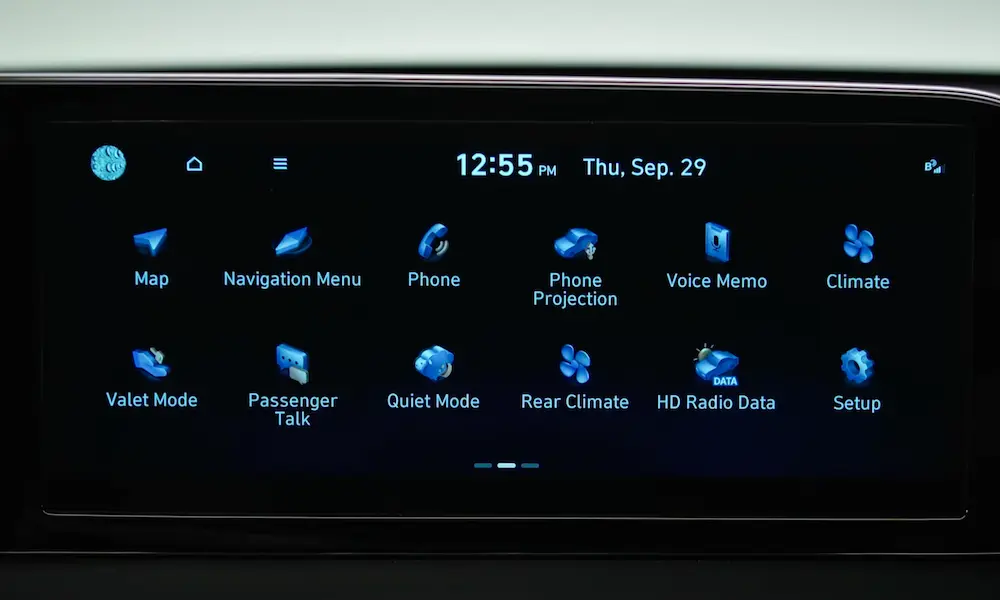
- Go to your infotainment screen
- Navigate to Settings > Vehicle > Convenience > Rear Occupant Alert
- Select “Disable” (temporary) or “Off” (permanent)
This simple change has resolved the problem for over 90% of Tucson owners while keeping all other security features active.
Ultrasonic Sensor Problems
Your Tucson has a network of ultrasonic sensors that monitor for movement inside the cabin. These sensors can trigger false alarms when they malfunction.
Dirty or Damaged Sensors
Dust buildup is responsible for nearly a quarter of all sensor-related false alarms. The roof-mounted sensors are particularly prone to collecting debris over time.
DIY cleaning solution:
- Use compressed air (less than 30 PSI) to gently blow dust from sensor openings
- Don’t use liquid cleaners, as they can damage the sensitive electronics
For sensors that don’t respond to cleaning, you may need to visit a dealer for replacement, as damaged sensors can cause persistent false alarms.
Electrical Issues with the Sensor Network
The 2022 Tucson in particular has shown vulnerability to wiring problems that affect the sensor system. Common issues include:
- Pinched wires (especially after sunroof maintenance)
- Corrosion on connections in humid or coastal areas
- Loose connections from normal vibration
These problems typically trigger diagnostic trouble codes (DTCs) that a mechanic can read with a scanner. If your alarm issues started after any work was done near the roof, this is likely your culprit.
Key Fob Communication Problems
Your key fob talks to your car constantly, and when that conversation gets garbled, your alarm might go haywire. About 18% of alarm issues stem from key fob communication errors.
Common Key Fob Issues:
Low battery voltage: When your key fob battery drops below 2.8V, it can send inconsistent signals to your car.
Simple fix: Replace the battery (typically CR2032) in your key fob. This $3 fix solves a surprising number of alarm issues.
Signal interference: Some USB chargers, LED lighting systems, and other electronic devices can create RF interference that confuses your Tucson’s security system.
Test this by: Removing all electronics from your vehicle and parking away from buildings with lots of wireless equipment. If the false alarms stop, you’ve found your interference source.
Water damage: If your key fob got wet, internal corrosion can cause erratic behavior.
Software Glitches in the Body Control Module
The Tucson’s brain – the Body Control Module (BCM) – runs software that has been updated multiple times since 2020 to fix alarm-related bugs.
Software Update Benefits:
- Improved sensor filtering algorithms to reduce false positives
- Progressive alarm timeout (reduces alarm duration)
- Better handling of voltage spikes during cold starts
If your vehicle hasn’t had a software update recently, a trip to the dealer for the latest firmware could solve your problem. The current version for 2022 models should be 24S45 or higher.
Door and Hood Latch Sensor Failures
Mechanical wear in your door and hood latches accounts for nearly a third of chronic alarm issues. These sensors tell your car when a door or the hood isn’t fully closed.
Hood Switch Adjustment
If your hood latch sensor is misaligned, it might falsely report that your hood is open, triggering the alarm. Here’s how to adjust it:
- Loosen the hood latch mounting bolts (10mm)
- Insert a 3mm feeler gauge between the latch and radiator support
- Tighten the bolts to proper torque spec (12 N·m)
Door Striker Maintenance
Your door strikers (the metal parts that the door latches connect to) can develop problems over time:
- Lubricate door strikers with lithium grease every 15,000 miles
- Check for proper alignment – misaligned strikers can prevent proper door closing
Anti-Theft System Enhancements
If you own a newer Tucson, you might be eligible for Hyundai’s security enhancement program, which can improve alarm function. This recall-related update includes:
- Steering column control module reinforcement
- Immobilizer transponder firmware updates
Check if your vehicle is affected by entering your VIN at Hyundai’s website. This free update helps prevent both theft and potential alarm issues.
DIY Diagnostic Steps for Tough Cases
If your Tucson’s alarm keeps triggering and none of the above solutions work, try this systematic approach:
- Check for patterns: Does the alarm only go off during temperature changes? When parked in specific locations? This can narrow down the cause.
- Inspect for water intrusion: Water in floor connectors or electronic modules can cause erratic behavior. Check your carpets and seals for moisture.
- Test battery health: A weak battery can cause voltage drops that trick sensors. Have your battery tested for free at most auto parts stores.
- Try a different key: If you have a spare key fob, try using only that one for a week to see if the problem persists.
- Double-press the lock button: This disables the interior motion sensors in many Tucson models, which can help identify if they’re the source of false alarms.
Quick Fixes While Troubleshooting
Need immediate relief while you work on a permanent solution? Try these owner-tested methods:
- Use the physical key to lock doors instead of the key fob button
- Enable battery saver mode when parking for extended periods
- Make sure all doors and the hood are firmly closed before locking
The Dealer Should Help If…
Consider escalating to your Hyundai dealer if:
- Your Tucson alarm issues persist after trying all DIY solutions
- The problem began immediately after service work
- You’re getting actual error messages on your dashboard
Hyundai has extended warranty coverage for many sensor-related issues, and regional service managers can approve repairs even for vehicles slightly out of warranty if it’s a known issue.
Remember that random alarm activations aren’t just annoying – they can drain your battery and strain relationships with neighbors. Taking the time to diagnose and fix the root cause will save you headaches down the road.